
Does the Girl Buy the Man’s Wedding Band? Understanding Modern Engagement Practices
As you plan your wedding, you may wonder about the traditional roles surrounding wedding bands. In modern relationships, women increasingly buy their partner’s wedding band. This shift reflects changes in societal norms and gender roles, where couples are more open to sharing responsibilities and making personal choices that fit their unique circumstances.

You might also find that, while many still follow the tradition of the man buying both wedding bands, others prefer to choose their rings together. This approach adds a special meaning to the rings, as each person picks out a symbol of their commitment. Understanding these evolving practices can help you make decisions that resonate with both you and your partner.
Whether you’re leaning towards tradition or a more modern take, knowing who typically buys the wedding bands can lead to more fulfilling discussions about your future. Engaging in this conversation can strengthen your bond and ensure that your wedding reflects your values as a couple.
Understanding Wedding Traditions
Wedding traditions shape how couples celebrate their unions, reflecting deep cultural roots and evolving societal norms. Understanding these practices helps clarify roles during the ring exchange.
Historical Perspective on Wedding Bands
Historically, wedding bands symbolize commitment and love. Both the bride’s wedding ring and the groom’s wedding ring have roots in ancient customs.
In many cultures, the bride receives a wedding ring as a sign of ownership or commitment to her husband. Meanwhile, the groom’s wedding ring was traditionally optional.
Over time, wedding bands became a mutual exchange, with both partners often wearing rings. Today, it is common for women to buy the man’s wedding band, reflecting shifts in gender roles and financial independence.
This change in tradition emphasizes equality in relationships, allowing each partner to express their love and commitment in meaningful ways.
Gender Roles and Societal Norms
Gender roles have deeply influenced wedding traditions. Traditionally, men were expected to provide for their families, including purchasing both the bride’s wedding ring and his own.
Now, many modern couples challenge these norms. Independent women may choose to buy their partner’s wedding band, symbolizing their financial strength and shared commitment.
This shift demonstrates a broader acceptance of diverse relationship dynamics. Couples today often view their wedding bands as symbols of mutual love rather than separate obligations.
As societal norms evolve, the rituals around wedding rings reflect changing views on love, partnership, and equality.
Navigating Financial Aspects
When planning a wedding, understanding financial aspects is crucial. This includes assessing overall wedding expenses and determining who pays for the wedding bands. Keeping these points in mind can help you manage your budget effectively.
Assessing Wedding Expenses
Start by creating a detailed wedding budget. List all potential expenses, including the venue, catering, and attire. Don’t forget to include costs for wedding rings.
You might allocate around 2-3% of your total budget for wedding bands. This helps set realistic expectations. Consider also the engagement ring costs that might already burden your finances. Think about alternative options, like renting rings or choosing more affordable metals, to stay within your budget.
Make a checklist of expenses and track them. This keeps you organized, ensuring that no cost is overlooked.
Who Bears the Cost of Wedding Bands?
Traditionally, the woman buys the man’s wedding band. This is changing as many couples prefer to share costs.
In modern relationships, it’s common for couples to shop together for rings. This can mean splitting the cost or agreeing to a shared financial plan.
It’s important to discuss your preferences and financial situation openly. If you are financially comfortable, you may choose to buy the man’s wedding band.
Consider any existing agreements about wedding expenses. Setting clear expectations can prevent misunderstandings later. Have these conversations early to reduce financial stress as your wedding date approaches.
Exploring Personal Choices
When it comes to buying a groom’s wedding band, personal preferences and open communication play significant roles. It’s not just about tradition; it’s about what feels right for you and your partner as you navigate wedding planning together.
Ring Preferences and Personal Tastes
Your choice of a ring should reflect both style and comfort. Discuss what materials you both like. Maybe you prefer gold, silver, or something unique like titanium.
Consider the design too. Do you want something simple, or do you like engravings or stones? Think about the ring size. It’s essential for the band to fit comfortably. You might sneak a look at his current rings or ask him directly.
Remember, this is a symbol of your commitment, so make sure it represents both of your tastes.
Open Communication and Decision-Making
Talking openly about wedding decisions helps both of you feel included. If you’re considering purchasing his ring, involve him in the conversation. Ask for his thoughts on styles, materials, and budget.
Having discussions regarding financial considerations helps too. Decide if it will be a shared expense or if you’re treating it as a gift. This open dialogue fosters understanding and strengthens your bond.
Additionally, examine how decisions affect both of you. Being on the same page makes the wedding planning journey smoother and more enjoyable.
Concluding Recommendations
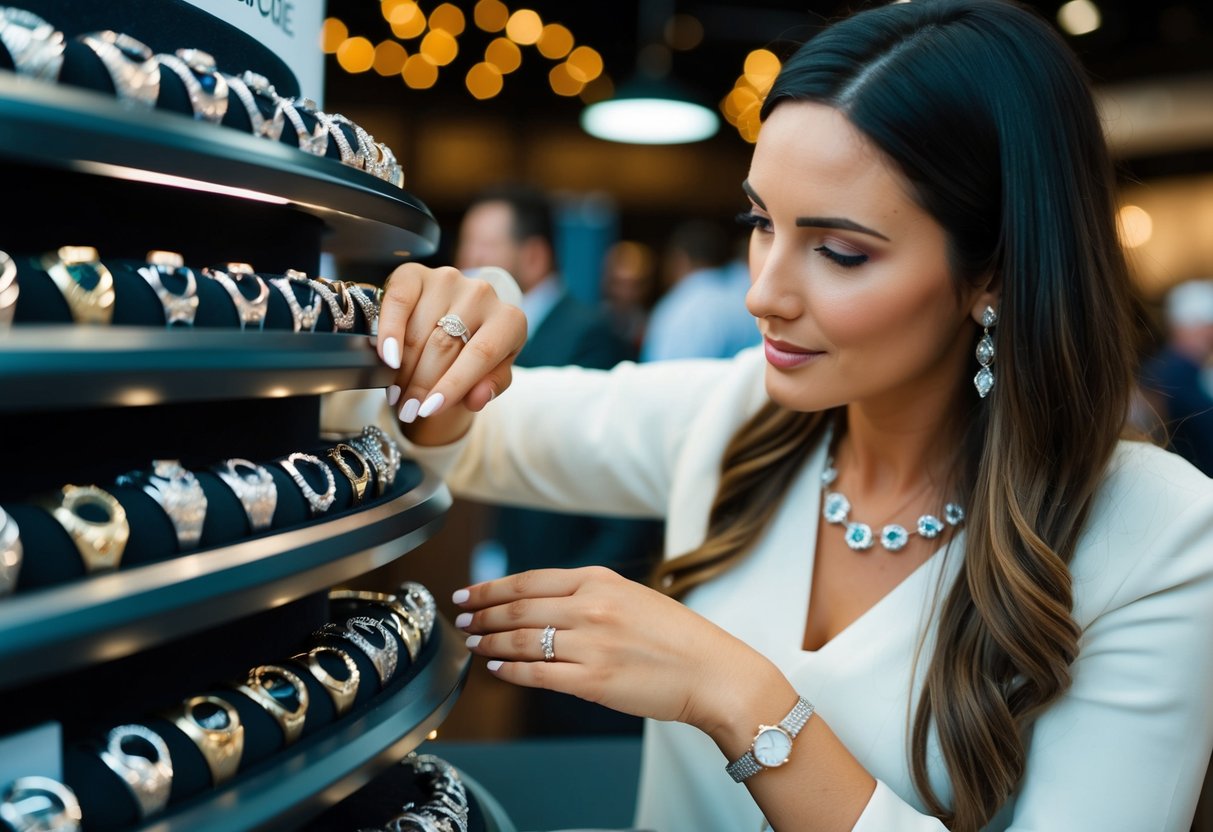
Choosing wedding bands can feel overwhelming, but focusing on a few key aspects can make the process enjoyable. Understanding what to consider when selecting wedding bands and being mindful of wedding ring etiquette helps modern couples navigate their choices more easily.
Selecting the Right Wedding Bands
When picking out wedding bands, think about your lifestyle and personal style. Do you lead an active life? Consider choosing durable materials like titanium or tungsten. If you prefer classic designs, gold or platinum could be perfect options.
Try to match your band with your engagement ring for a cohesive look. Don’t forget to try on different styles to see what feels comfortable.
Make sure to get the right size for your band. It’s helpful to visit a jeweler to measure your finger accurately. This way, your ring will fit perfectly and feel great to wear every day.
Wedding Ring Etiquette for Modern Couples
Wedding ring etiquette is flexible in today’s world. Many modern couples choose to buy each other’s wedding bands. It’s now common for the woman to purchase the man’s band, reflecting equality in the relationship.
Discussing preferences openly can help avoid misunderstandings. Agreeing on a budget and style will make the shopping experience smoother.
Remember, the significance of the rings goes beyond the purchase. It’s the love and commitment they represent that truly matters. Enjoy the journey of selecting your rings together!