
Does the Girls Name Go First on Save the Dates? A Quick Guide for Couples
As you plan your wedding, you might wonder about the best way to present your save the dates.
Traditionally, the bride’s name goes first on save the dates, especially for opposite-sex couples. This practice reflects age-old customs, but many modern couples choose what feels best for them.
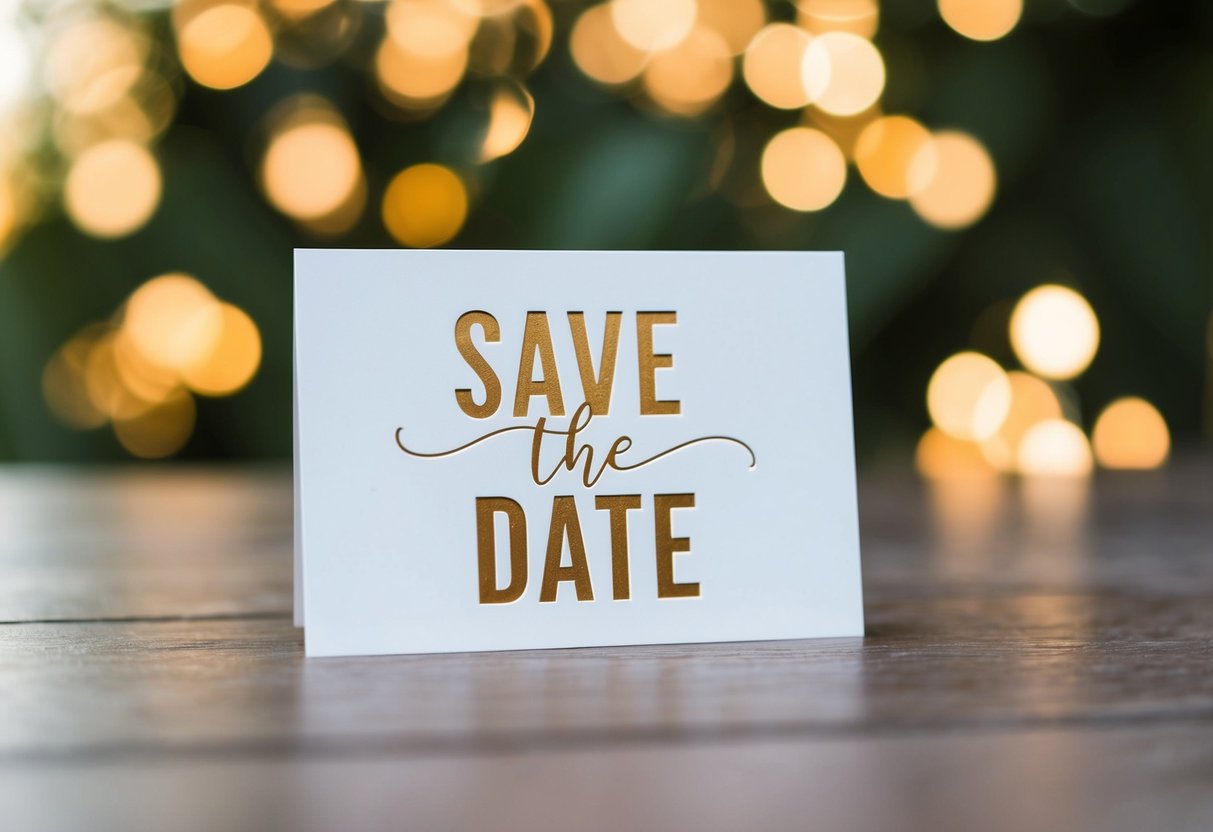
When deciding the order of names, think about what you prefer. You can use first names only or include middle names too. If it’s a same-sex couple, the priority can be based on personal choice rather than tradition.
Remember, save the dates lay the groundwork for your upcoming celebration. So, whether you stick to tradition or create your own style, make it a reflection of you and your partner’s unique love story.
The Tradition of Save the Date Cards
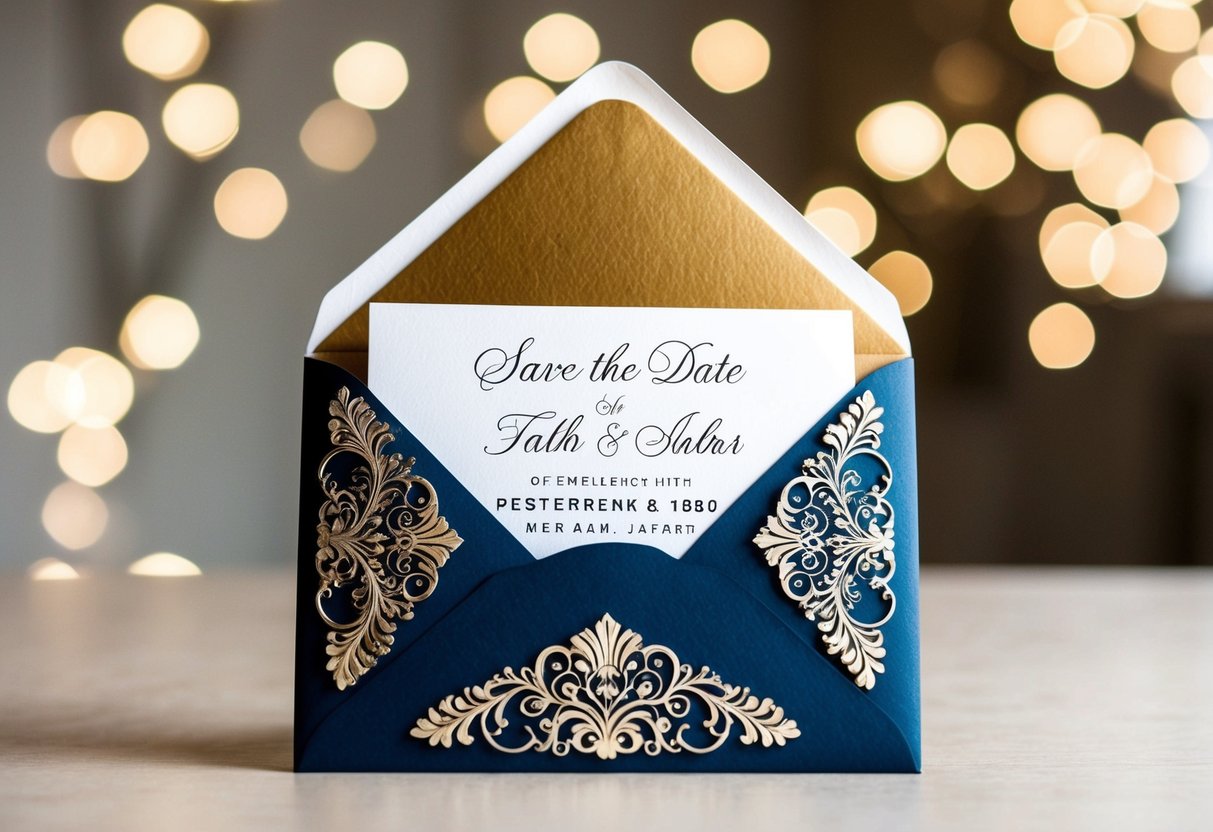
Save the date cards serve a special purpose in wedding planning. They give your guests an early heads-up about your big day and allow them to reserve that date. Understanding the tradition behind these cards will help you make informed choices.
Origins and Purpose
Save the date cards began as a way to inform guests about an upcoming event, especially when planning a wedding. Traditionally, they went out several months in advance. This allowed guests to clear their schedules.
The primary purpose is to ensure that important people in your life can attend your wedding. Aside from serving as a practical reminder, they set the tone for your celebration. These cards can also give your guests a sneak peek of your wedding theme or style.
Modern Save the Date Etiquette
When it comes to save the date etiquette, there are a few key points to keep in mind.
First, it’s common practice to feature the bride’s name first. This tradition highlights the bride’s family’s role in hosting, especially if her parents are contributing significantly to the wedding costs.
As for who should receive these cards, you should send them to everyone you plan to invite. Even if some guests might not be able to attend, it’s nice to include them on your list.
Make sure to send your save the dates between six to eight months before your wedding. This gives guests ample time to make arrangements.
Electronic vs. Physical Save-the-Dates
You have options when it comes to sending save-the-date cards. Some couples choose to go the traditional route with physical cards. These can be beautifully designed and add a personal touch.
On the other hand, e-vites have become increasingly popular. They are often more affordable and can be sent quickly. Plus, you’ll save on postage!
Whether you choose a physical card or an electronic invite, make sure it reflects your style and wedding theme. Both options are acceptable, and the choice depends on your preference and budget.
Details on Who Is Hosting
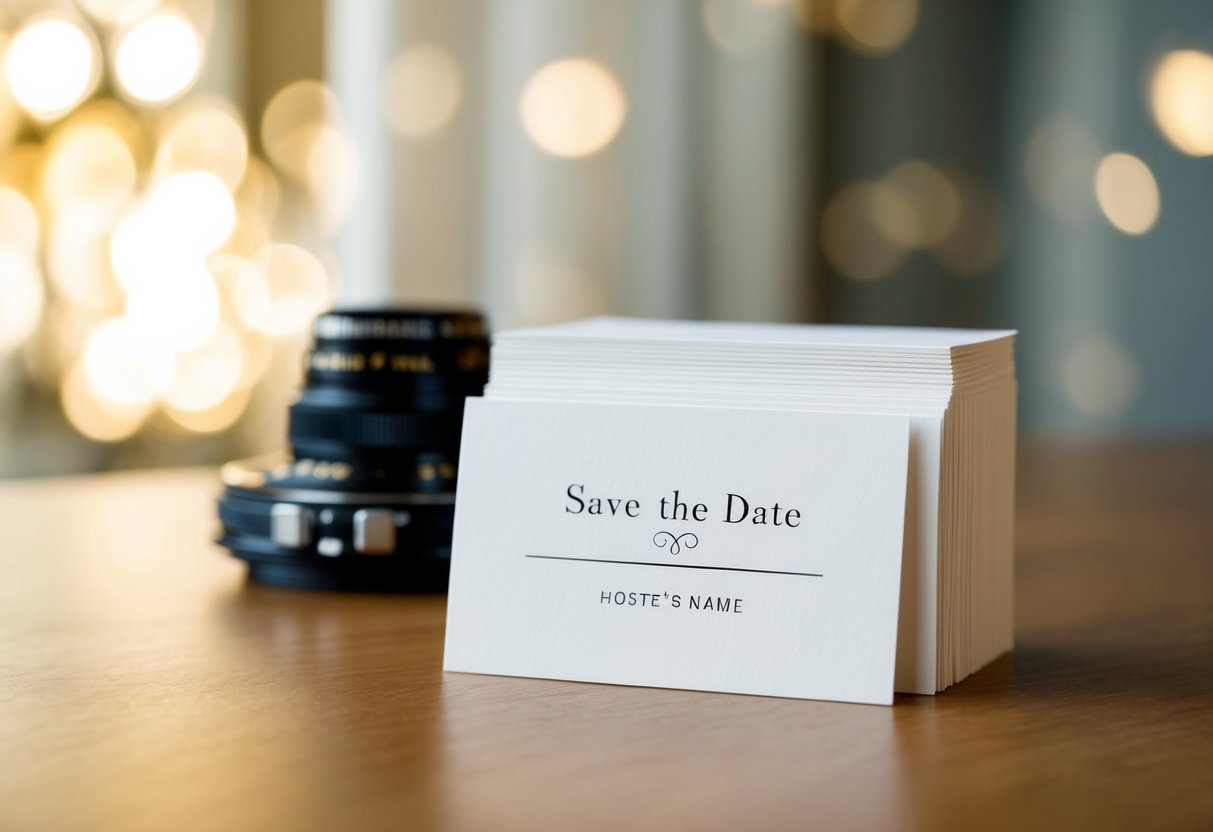
Understanding who is hosting the wedding can help you decide how to present names on save the dates. This includes knowing the order of names, addressing formal titles, and mentioning the bride’s parents.
Including the Bride’s and Groom’s Names
When creating save the dates, it’s traditional to list the bride’s name first. This custom reflects the way invitations have been designed historically.
You should include both full names, ensuring they are clear and easily readable. For example, if the bride is named Emily Smith and the groom is named John Doe, you would write: “Emily Smith & John Doe.”
This format is friendly and direct, making it easy for guests to know who is getting married. If you are planning a same-sex wedding, you can choose to alphabetize the names or decide based on preferred order.
Addressing Formal Titles and Full Names
When listing names, you may want to include formal titles if applicable. If either of you has a title, such as Dr. or Professor, it can add a nice touch to the invitation.
For example, write “Dr. Emily Smith & Mr. John Doe” if both parties hold titles. Use full names instead of nicknames to maintain formality.
This small detail can show respect and create a polished look for your save the dates. Ensure names are spelled correctly, as this is important for both appearance and etiquette.
Mentioning the Bride’s Parents
Traditionally, save the dates can also mention the bride’s parents, especially if they are hosting the wedding. For instance, you might see wording like: “Mr. and Mrs. Smith invite you to celebrate the marriage of their daughter, Emily Smith, to John Doe.”
This approach reflects traditional etiquette and can ease the way for guests to understand who is organizing the event.
If the groom’s parents are also involved, you can include them too. Adjust the wording to fit your family dynamics and preferences, but ensure clarity and respect throughout your wording.
Correct Ordering of Names
Choosing the right order for names on save-the-dates can be important for conveying the couple’s relationship. Understanding the traditions and preferences can help you craft a thoughtful announcement.
For Heterosexual Couples
Traditionally, the bride’s name goes first on save-the-date cards. This custom highlights the traditional role of the bride in the wedding process. For example, you might write “Emily and Jacob” instead of “Jacob and Emily.”
If you’re using full titles like Mr. and Ms., keep it consistent. Use “Ms. Emily Smith” and “Mr. Jacob Jones” to reflect their marital status.
You can also include a mix of first and middle names if you prefer a more formal approach. Always ensure the names are clear and easy to read so your guests know who is getting married.
For Same-Sex Couples
For same-sex couples, there’s more flexibility. You can alphabetize names, which is a fair approach. For instance, “Alex and Jamie” works well. This method values equality and removes pressure about whose name should come first.
If you prefer another order, that’s perfectly fine too! Just choose what feels right for you both.
Make sure to communicate clearly in your save-the-date wording. You might say “We’re getting married!” or “Join us to celebrate our love!” Adding an image or design can make your card more personal.
Addressing Married and Unmarried Couples
When addressing married couples, always use their shared last name first if you can. For instance, “Mr. and Mrs. Smith” or “Ms. Taylor and Mr. Jones.” This shows respect for their union.
For unmarried couples, list the names in the order that the couple prefers. If they have different last names, don’t worry! You can choose a combination like “Jamie Johnson and Chris Lee.”
Remember that for both married and unmarried couples, keeping the design clear and the names legible is essential. This will help everyone feel included in your special day.
Additional Information to Include
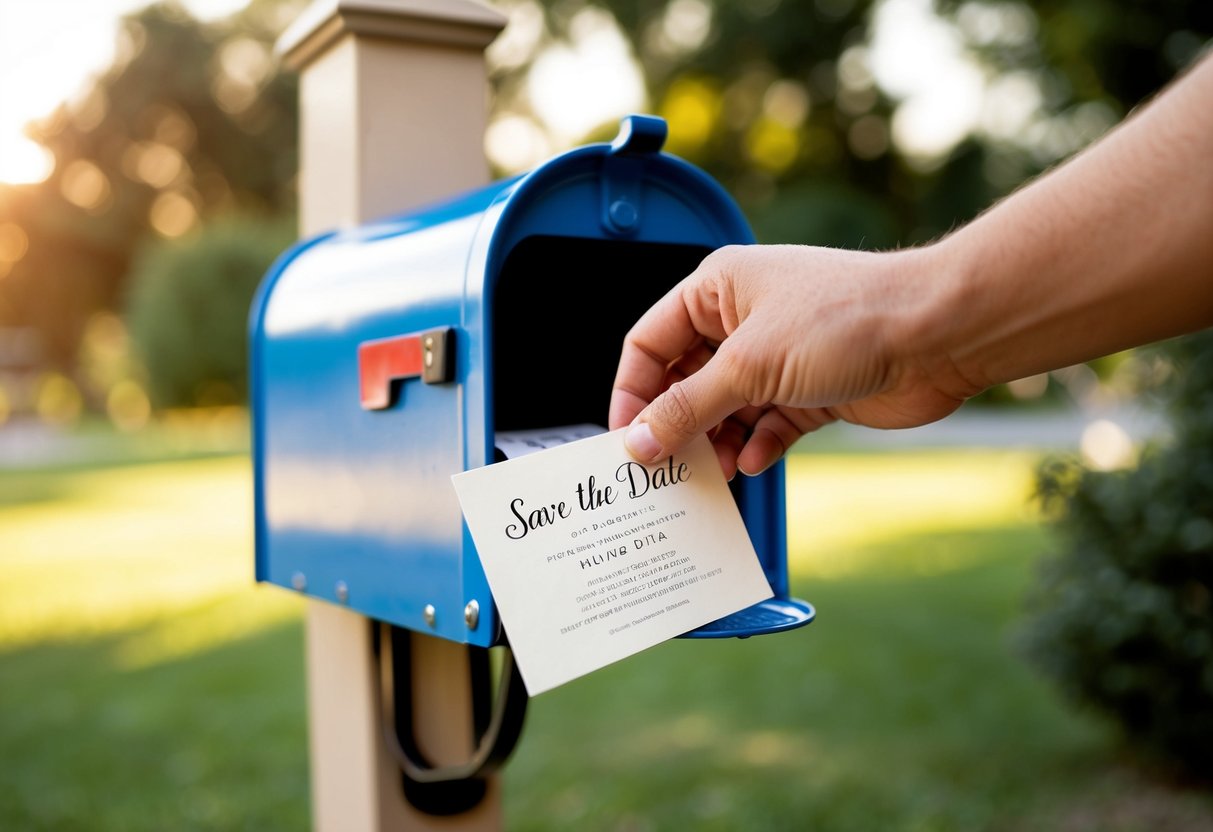
Including extra details on your save-the-dates can help your guests better prepare for your big day. Here are two important aspects to cover: the wedding date and location, as well as any RSVP information or additional contacts.
Specifying the Wedding Date and Location
Clearly stating your wedding date is crucial. This is the main reason for sending out save-the-dates. It sets expectations for your guests and helps them plan accordingly.
Next, include the wedding location, but you don’t need to provide the full address yet. Simply mention the city and state where the wedding will take place. If you have a specific venue in mind, you might want to include that, too.
Deciding on a design can also enhance your save-the-date. Make it visually appealing, but ensure that important information like the date and location stands out.
RSVPs and Additional Contacts
Including RSVP details on your save-the-dates is a thoughtful touch. You can mention that an RSVP is required, even if you don’t provide a specific response method just yet. This gives guests a heads-up to expect a formal invitation later.
If you have a wedding website, share the URL on the save-the-date. This site can contain more detailed information about the wedding, accommodations, and itinerary. It’s also a great place for guests to find updates or additional contacts they might need regarding your event.