
Does the Groom Ever Walk the Mother of the Bride Down the Aisle? Exploring Wedding Traditions
When planning a wedding, you might wonder about the roles and traditions involved in the ceremony. One question that often comes up is whether the groom can walk the mother of the bride down the aisle. Walking the mother of the bride down the aisle is a lovely gesture that can symbolize unity between the families. This choice may depend on personal preferences, family traditions, or cultural norms.
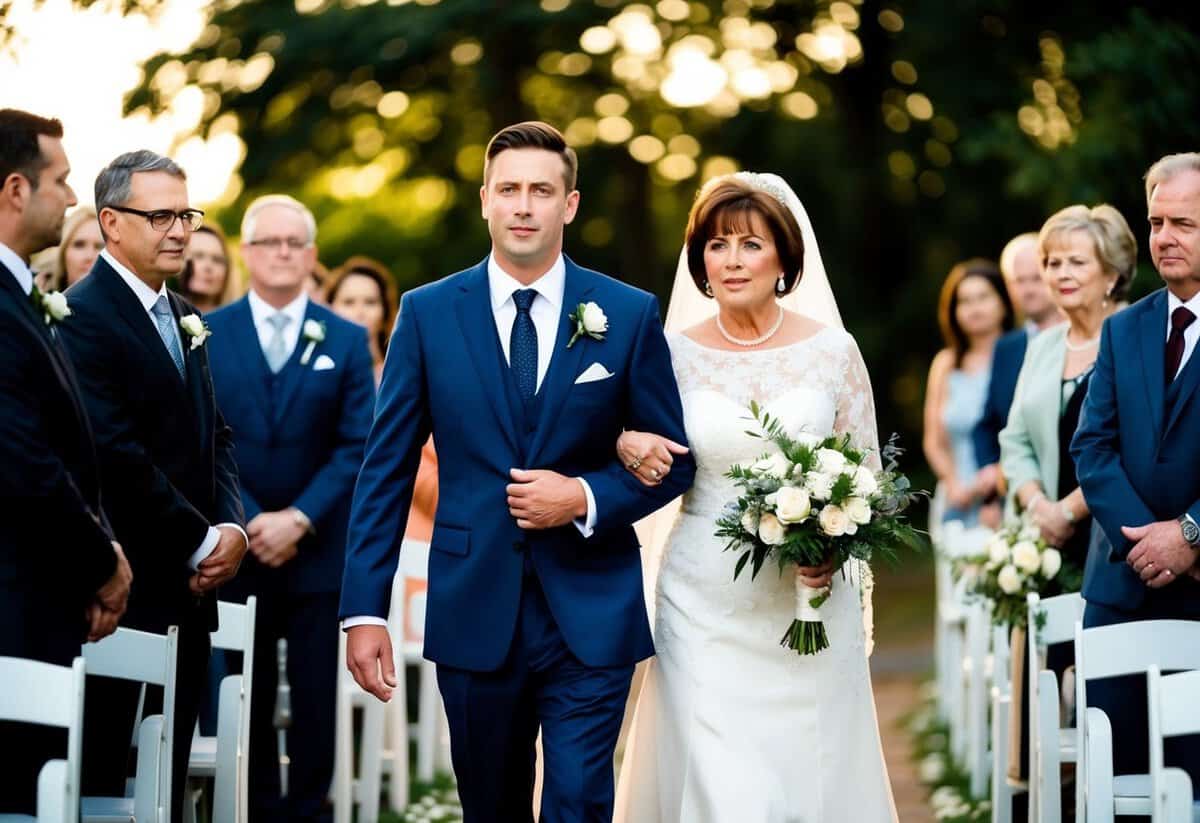
Each wedding is unique, and many couples are open to breaking traditional roles. You can tailor your ceremony to fit your vision and make it special for everyone involved. By considering this option, you’re not only honoring the mother of the bride, but also creating a meaningful moment for your wedding celebrations.
As you think about the flow of your ceremony, remember that there are no strict rules. Each decision you make should reflect your personality and values as a couple. This flexibility is part of what makes planning a wedding exciting and personal.
Wedding Procession Basics
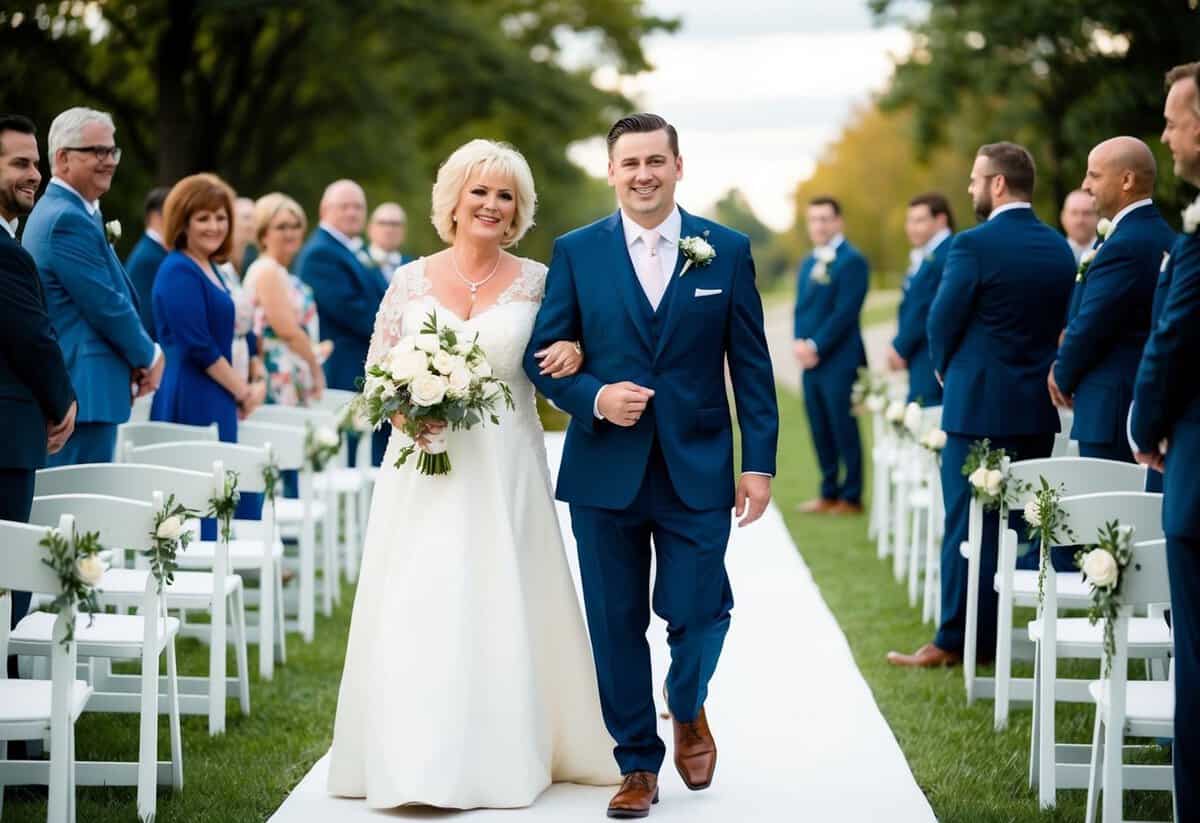
Understanding the wedding procession is important for planning your ceremony. You may have questions about who walks where and the roles of family members in this special moment. Let’s explore the traditional roles and variations in wedding processions.
Traditional Roles and Order
In a traditional wedding ceremony, the roles in the procession are clear. Typically, the order starts with the grandparents followed by the groom’s parents and then the bride’s mother. The groom often waits at the altar with his best man until the bridal party enters.
Here’s a simple outline of the order:
- Grandparents
- Groom’s Parents
- Bride’s Mother
- Bridal Party (bridesmaids, flower girls)
- Bride
This structure is common in many religious traditions, such as Christian, Catholic, and Jewish weddings. The groom’s mother usually walks down the aisle first among the mothers, symbolizing his family’s presence.
Procession Variations by Culture
Different cultures have unique takes on the wedding procession. In Hindu weddings, for instance, the groom often arrives in a festive celebration called the baraat. He is the center of attention and traditionally does not walk down with his mother.
Jewish weddings also have specific customs. The groom and his parents may walk down together as part of the ceremony, welcoming the bride’s family into the celebration.
In modern weddings, couples might mix and match these customs. They can decide who walks with whom based on personal preference rather than strictly following tradition. The goal is to create a memorable experience that reflects you and your loved ones.
Role of the Groom in the Procession
In the wedding processional, the groom plays an important role that highlights family bonds and the celebration of unity. His actions set the tone for the day and reflect respect and care for loved ones. Here is a closer look at two key aspects of his role.
Walking Down the Aisle
Traditionally, the groom does not walk down the aisle in the same way as the bride. Instead, he often walks to the front of the venue with his parents or family. This act symbolizes his transition from bachelorhood to married life.
Some grooms may choose to escort their mothers down the aisle before taking their place at the front. This gesture shows family dynamics and highlights the importance of parental support. If you decide to walk your mother down the aisle, it can strengthen family bonds and create lasting memories.
The Groom’s Entrance
The groom’s entrance is usually marked by the start of the wedding, often following the bridal party. He may make a grand entrance to draw attention and celebrate this significant moment. Many grooms enjoy being the focal point at the beginning of the ceremony.
During this time, the groom often stands at the altar, waiting for the bride to join him. This moment captures the essence of family unity and the excitement leading up to the exchange of vows. It’s also an opportunity for him to share a look of love and anticipation with his future spouse.
Special Guests and Family Members
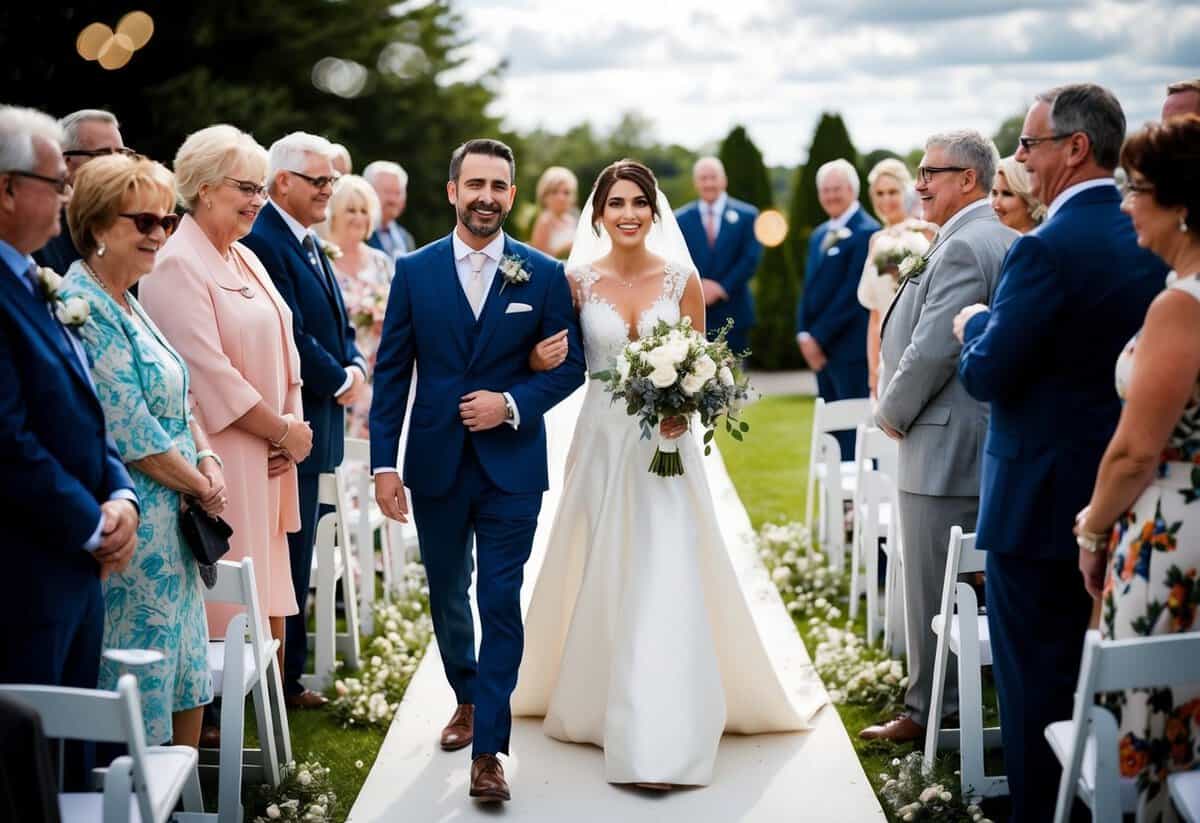
Your wedding is a special day, and the people you choose to include in the procession reflect your personal values and family dynamics. Understanding the roles of family members can help make the day feel even more meaningful.
Mother of the Bride and Groom
The mothers of both the bride and groom hold crucial roles in the wedding ceremony. The mother of the bride often walks down the aisle just before the bride, symbolizing the support she gives her daughter.
In some cases, you may see the groom walking his mother down the aisle as a gesture of love and respect. This act can highlight family unity and tradition. Each family’s preferences matter, and there are no strict rules. It’s important to discuss these roles with your partner and families to create a plan that honors everyone involved.
Other Honored Family Members
Beyond the mothers, there are other family members who may play special roles in the ceremony. Grandparents can be escorted down the aisle, often seen as a way to show appreciation for their love and support.
The wedding party, including bridesmaids and groomsmen, also contributes to the procession. For example, the maid or matron of honor typically walks right before the bride. You might also include younger family members, such as the flower girl and ring bearer, to add a personal touch.
Whether it’s through walking down the aisle or standing at the chuppah or mandap, these roles foster a sense of community and love on your big day.
Honoring Parents and Independence
In many weddings, the role of parents is highlighted, especially regarding the mother’s escort. The decisions made during the processional can reflect both tradition and personal choice, signaling a balance between honoring family and showcasing independence.
Significance of the Mother’s Escort
When the mother of the bride is escorted, it symbolizes her important role in the bride’s life. This moment acknowledges her support, love, and guidance throughout the years. It’s a heartfelt way to show gratitude for all she has done.
In some ceremonies, the groom may accompany the mother of the bride as they walk down the aisle together. This can demonstrate a close bond among families while blending traditions. Having a close male relative escort her can also show respect and honor.
Symbolism in Processional Choices
The order of the processional can hold deep meaning. You might choose to have your father escort you to signify his protective role in your life. This reflects tradition and highlights independence by allowing you to make choices about who walks beside you.
If the groom walks down with his mother, it emphasizes his support for her. It also showcases his independence as he steps into a new life stage. Each couple has unique influences shaping their decisions.
Just remember, your choices can reflect both family values and your journey together.