
Does the Groom Ever Walk the Mother of the Bride Down the Aisle? Exploring This Special Tradition
When planning a wedding ceremony, you might wonder if the groom ever walks the mother of the bride down the aisle. In some ceremonies, the groom escorts the mother of the bride, adding a special touch to the occasion.
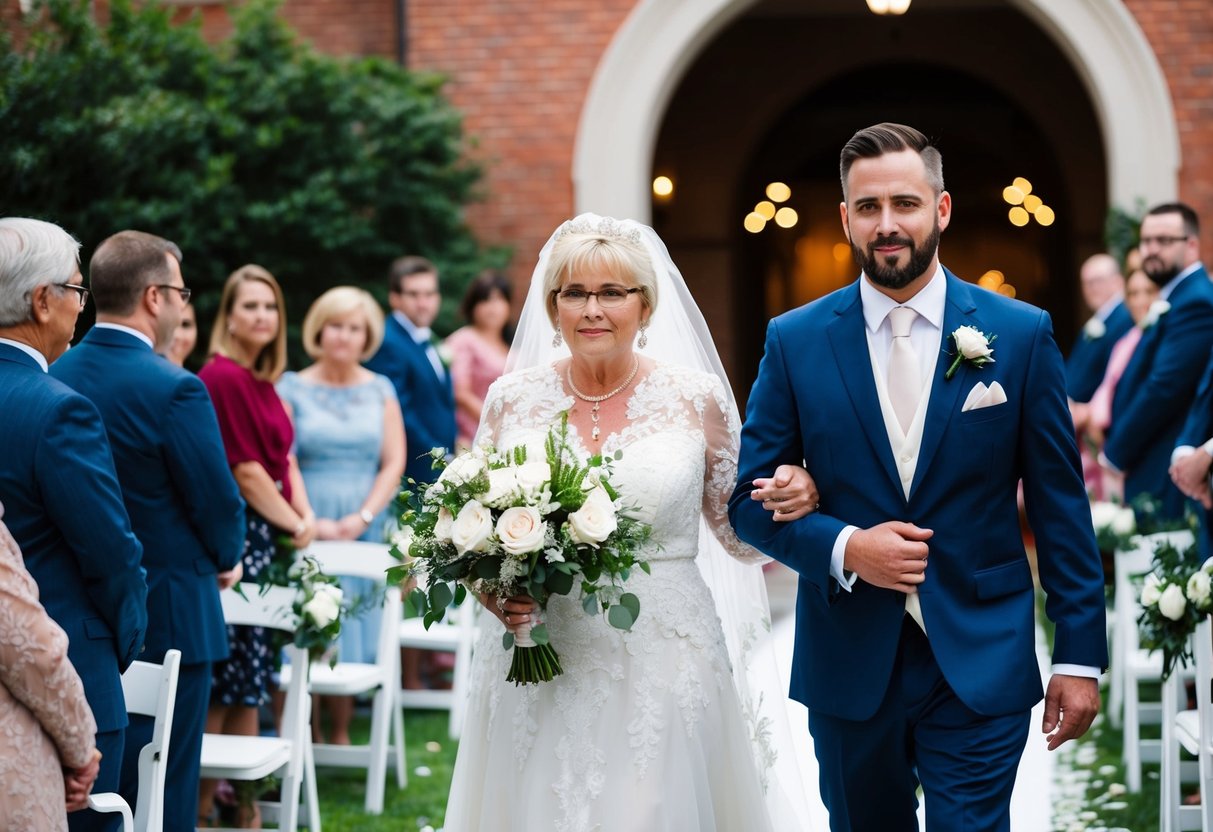
This practice can vary based on personal preference, cultural traditions, and family relationships. In many cases, the mother of the bride walks alone or is escorted by another close family member. However, if your groom shares a close bond with your mother, it can create a heartfelt moment that honors both of them as they participate in this meaningful part of the ceremony.
Exploring how different couples approach this tradition can offer great insights as you plan your big day. By thinking about who you want to include and how you want to structure your ceremony, you can create a memorable experience for everyone involved.
The Role of the Groom in Wedding Ceremonies
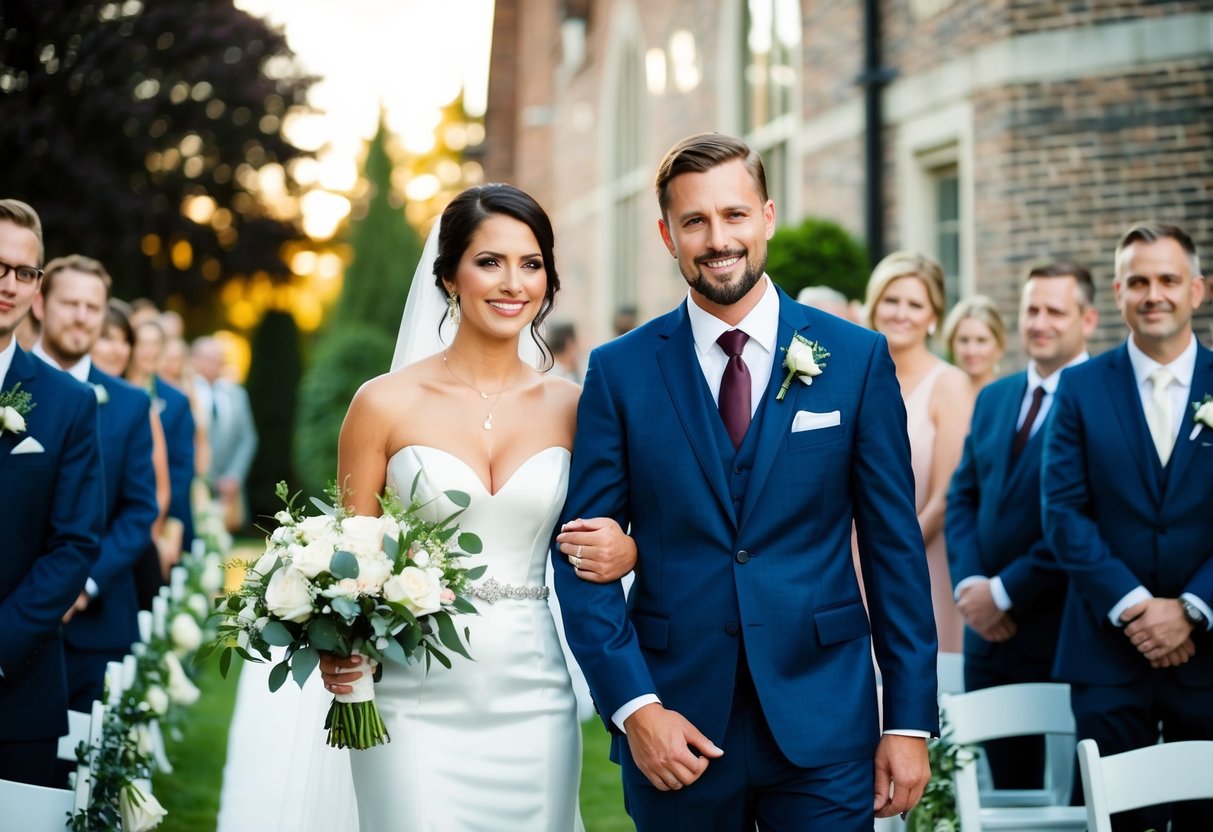
The groom plays a vital role in wedding ceremonies, contributing to the emotional atmosphere and supporting family ties. From walking down the aisle to participating in traditional customs, the groom’s actions help shape the overall experience of the day.
Groom’s Responsibilities and Participation
As the groom, your responsibilities begin long before the big day. You are involved in planning, choosing groomsmen, and supporting the bride. On the wedding day, you may participate in various rituals and events.
You typically enter the ceremony first, setting the tone. The groom often walks down the aisle with both parents, showcasing family support. This moment highlights the unity between both families.
Your involvement reinforces family ties and traditions. You may also play a part in the rehearsal and ensure everything runs smoothly. These responsibilities help create a memorable occasion for everyone involved.
Significance of the Groom Walking the Mother of the Bride
While it’s common for the bride to have special moments with her father, the groom’s interaction with the mother of the bride can be meaningful too. If you choose to walk her down the aisle, it symbolizes respect and support. This gesture can also honor the bond between families. When you walk alongside her, it emphasizes unity among both sides.
Your participation helps make the ceremony inclusive. It shows that you value her role in the bride’s life. Such moments enrich the ceremony and create lasting memories.
Wedding Processional Basics
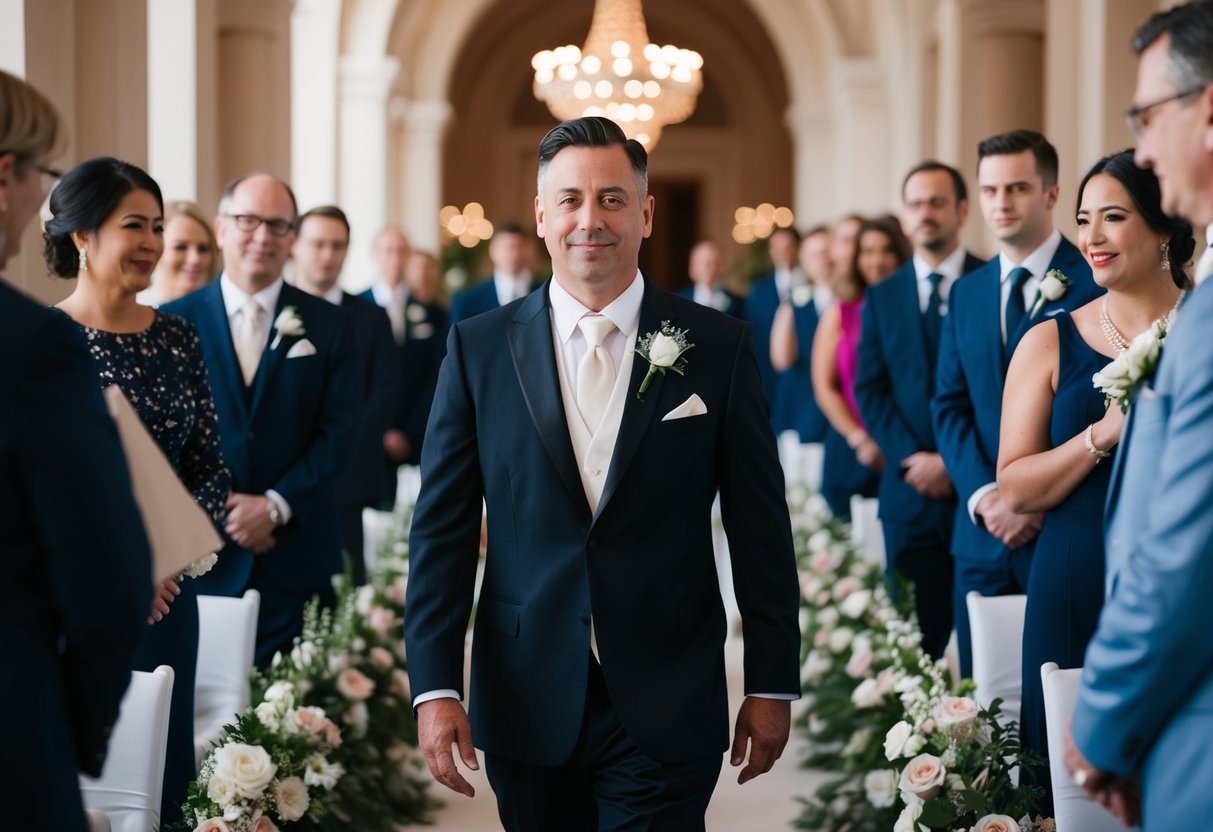
In weddings, the processional sets the mood for the ceremony. Knowing the order and variations in different cultures can help you plan your special day.
Traditional Processional Order
The traditional wedding processional order can differ based on cultural and religious customs.
- Wedding Party: Usually, attendants like bridesmaids and groomsmen walk down the aisle first, often in pairs.
- Mothers: The mother of the bride often walks down the aisle next, usually escorted by a family member or close friend.
- Groom: The groom may walk either alone or with his parents following the mothers, marking his entrance.
In a Christian wedding, the bride traditionally walks last, creating a grand entrance. In a Catholic ceremony, the groom might escort his mother just before the bride, emphasizing family bonds.
Walking Down the Aisle: Variations in Different Cultures
Different cultures celebrate weddings with unique processional customs, reflecting their traditions.
- Hindu Wedding Processional: The groom arrives in a lively procession called the baraat. He may ride a horse or arrive in a decorated car. His family dances alongside him, creating a joyful atmosphere.
- Jewish Wedding Processional: Here, the groom often enters with both parents before the bride. The bride walks in with her parents, symbolizing the joining of families.
In a nondenominational wedding, couples can create their processional order, allowing flexibility to better reflect personal beliefs and styles. This openness can include unique touches, like having the groom walk the mother of the bride down the aisle, if desired.
Modern Interpretations and Personal Preferences
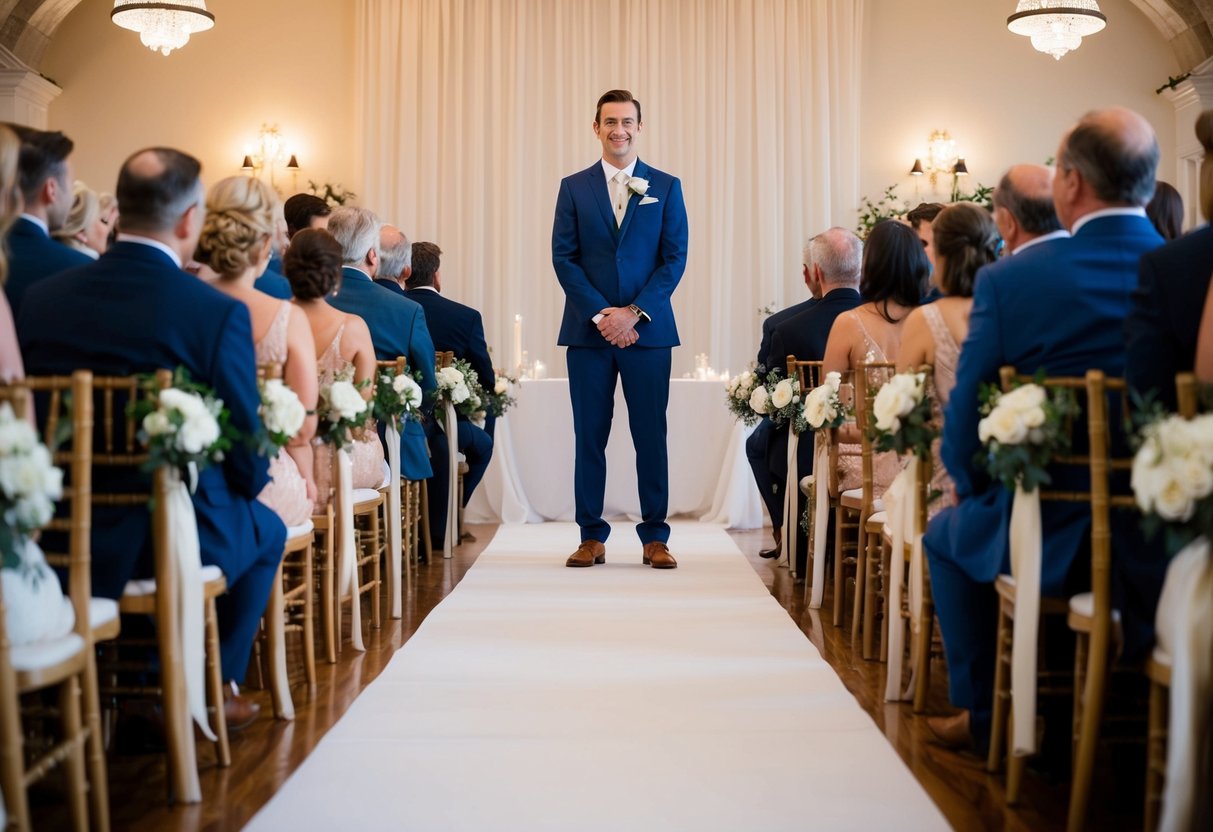
In today’s weddings, traditions are evolving to reflect personal values and family dynamics. The approach to who walks whom down the aisle varies widely, focusing on appreciation and independence while honoring family bonds.
Modern Weddings and Processional Changes
Many modern weddings break from traditional norms. It’s common to see the groom walking the mother of the bride down the aisle. This gesture symbolizes unity and respect, showcasing the strong relationship between the groom and his future in-laws.
Couples often tailor their ceremony procession to fit their unique story. For example, both the bride and groom may choose to walk their parents to their seats. This act deepens family bonds and recognizes the support both sets of parents provide.
Honoring Family Bonds and Independence
Personal preferences play a huge role in modern wedding ceremonies. You might decide that your mother, father, or even both parents have equal importance on your wedding day.
Some couples prioritize family unity and choose to honor all parents during the processional.
Others emphasize independence by allowing parents to walk alone or sit together without a formal escort. This highlights not just family connections but also individual strengths and autonomy.
These choices reflect diverse family dynamics and values, making each ceremony truly special to you and your loved ones.