
Does the Groom Pay for Everything? Understanding Wedding Expenses and Traditions
When planning a wedding, many people wonder about the financial responsibilities involved. A common question that arises is whether the groom pays for everything. In modern weddings, the costs are often shared among both families and the couple, rather than solely falling on the groom. This shift reflects changing traditions and a more collaborative approach to budgeting for your big day.
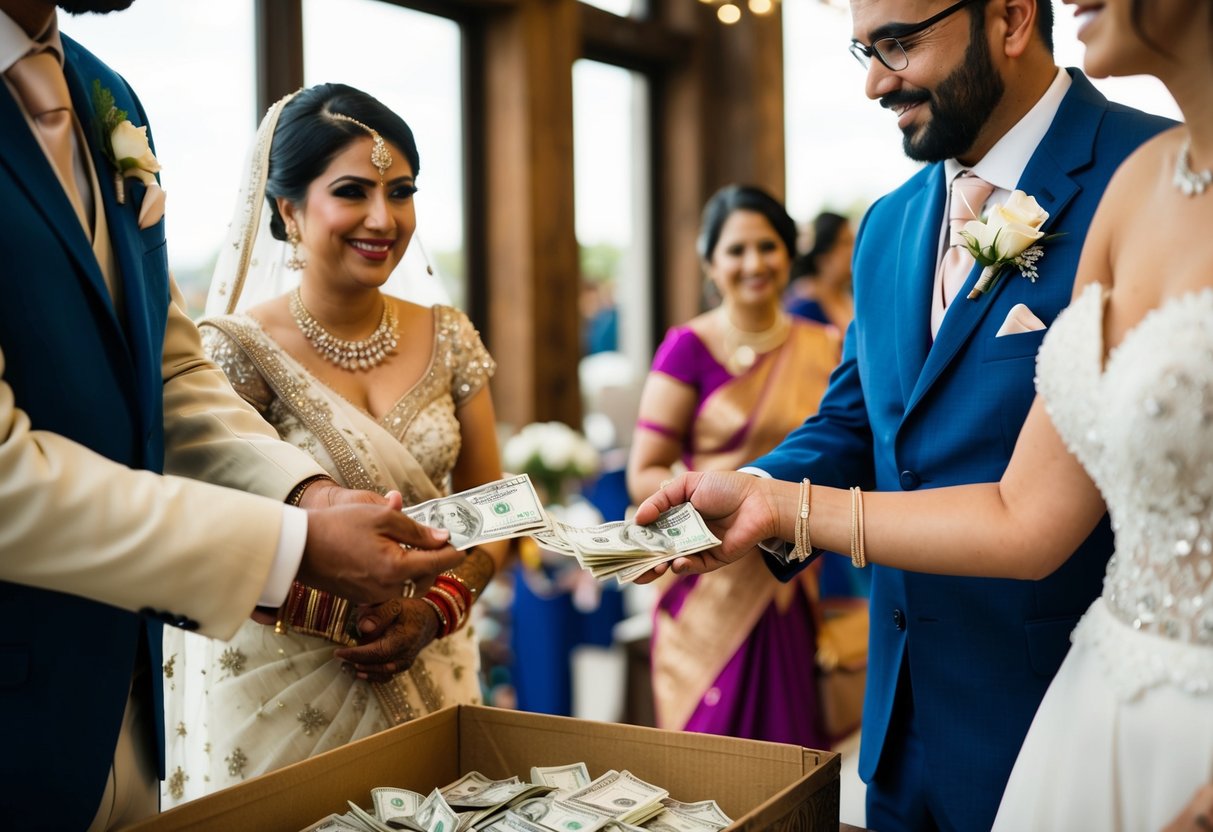
It’s important to understand that the roles and expectations can vary based on personal preferences and cultural backgrounds. Some couples may choose to split costs evenly, while others might assign specific expenses to each family.
As you navigate the planning process, consider discussing financial responsibilities openly with your partner and families to ensure everyone is on the same page. That way, you can focus more on creating the wedding of your dreams without any misunderstandings about who pays for what.
Exploring these details early on can help make the planning more enjoyable and less stressful for everyone involved.
Understanding Wedding Financial Etiquette
When planning a wedding, knowing who is financially responsible can help ease any confusion. Traditionally, there are clear roles for the groom’s and bride’s families, along with modern shifts changing these norms.
Roles of the Groom’s and Bride’s Families
In traditional wedding etiquette, the bride’s family often covers the majority of expenses. This includes the venue, catering, and the bride’s attire, such as the wedding dress.
The groom’s family typically takes on costs like the rehearsal dinner and possibly the groom’s wedding band. In some cases, they may also help pay for the bride’s ring.
It’s important to communicate openly about financial responsibilities. Discussing who pays for which expenses can help avoid misunderstandings later on.
Modern Shifts in Wedding Costs
In recent years, many couples are breaking from tradition. More couples are choosing to split costs evenly or to fully fund their own weddings.
This shift is often due to financial independence. Couples may prioritize personal preferences over traditional roles.
Another trend includes families contributing only what they can afford. This allows for a more flexible and personalized wedding budget.
By addressing financial responsibilities upfront, you can create a wedding that reflects your values and priorities.
Typical Costs the Groom May Cover
As the groom, there are several important costs you may be expected to cover for your wedding. This section highlights key expenses, focusing on your role in making the big day special for you and your partner.
The Engagement Ring and Wedding Bands
You typically take the lead on purchasing the engagement ring. This symbolizes your commitment and love. Many couples choose rings that suit their style and budget, often spending anywhere from a few hundred to several thousand dollars.
Additionally, you might cover the cost of the wedding bands. This could be a joint decision, but it’s traditional for you to handle this expense. Consider discussing preferences with your partner to ensure both bands reflect your personal styles.
Groom’s Attire and Groomsmen Gifts
Your attire for the wedding is often another cost you’ll need to manage. This includes a suit or tuxedo, shoes, and any necessary accessories like ties or cufflinks. Depending on whether you rent or buy, the cost can range widely.
You may also choose to give gifts to your groomsmen as a token of appreciation for their support. Popular options include personalized items, like engraved flasks, or classic gifts such as watches. These gifts can add a special touch to your wedding day.
Marriage License and Officiant’s Fee
Don’t forget about the legal aspects of your wedding! You’ll need to budget for the marriage license fee, which varies by location but typically ranges from $20 to $100. Ensure you check the requirements for your area in advance to avoid last-minute surprises.
Additionally, an officiant’s fee is another key cost for you to consider. This could vary depending on the officiant’s experience and the type of ceremony. Fees can range from $100 to $500 or more. Make sure to discuss fees upfront, so you know what to expect.
Rehearsal Dinner and Welcome Party
You might also be responsible for organizing the rehearsal dinner. This meal is usually held the night before the wedding, bringing together family and the wedding party. The cost varies based on the venue and menu, often ranging from $20 per person to several hundred dollars total.
If you decide to host a welcome party for out-of-town guests, that’s another expense to keep in mind. This event helps everyone feel included and appreciated. The overall cost will depend on the number of guests and the type of gathering you choose.
Shared Expenses and Joint Contributions
When planning a wedding, sharing expenses is a practical approach. It allows both partners to contribute based on their preferences and financial situations. Here are the important aspects to consider.
Wedding Ceremony and Reception Logistics
You’ll find that the costs for the wedding ceremony and reception can add up quickly. Couples often split major expenses like the venue, catering, and entertainment. This way, neither partner feels overwhelmed by the financial burden.
Key expenses include:
- Venue Rental: This is typically one of the largest costs. Both partners can pitch in to secure a location that matches their vision.
- Catering: Food and drink are essential for any reception, and splitting these costs can help you manage your wedding budget effectively.
- Rental Costs: Items like tables, chairs, and linens can also be shared expenses.
Splitting logistics can help you create a memorable celebration without financial strain.
Photography, Flowers, and Decorations
When it comes to capturing your special day, you both likely want high-quality photography and beautiful floral arrangements. Many couples choose to share these costs as a way to ensure everything is perfect.
Consider these aspects:
- Photography and Videography: These services are crucial for documenting your wedding. Discuss what budget you want to allocate to this to meet both your needs.
- Floral Arrangements: Flowers can really enhance the atmosphere. Before booking florists, it’s good to compare prices and packages together.
- Decorations: This includes items like centerpieces, lighting, and other decor. Decide together how much you want to spend for a cohesive look.
Sharing these costs allows you to combine resources for quality vendors.
Honeymoon Planning and Costs
The honeymoon is a significant part of your wedding experience. Both of you should feel equally excited and involved in planning this trip.
To keep in mind:
- Budgeting for Costs: Discuss how much you want to allocate for flights, accommodations, and activities.
- Joint Planning: Combining your funds can help you create a memorable experience. Consider writing down a list of must-have activities and prioritize them.
- Savings Strategies: You might want to set up a joint savings account specifically for your honeymoon to keep track of expenses.
Sharing honeymoon costs can lead to a beautiful and unforgettable getaway.
Additional Considerations for the Groom

As the groom, there are specific expenses and responsibilities that you need to manage, often beyond just the wedding day. Not only do you consider costs related to the ceremony, but also personal events and gifts for family members.
Bachelor Party and Personal Expenses
The bachelor party is a significant event for you and your friends. Typically, you may cover the costs of the party, which can include venue rentals, food, drinks, and entertainment.
Common Expenses:
- Venue or activity costs (rentals, excursions)
- Food and drinks
- Transportation
Discussing a budget upfront with your friends can help avoid any misunderstandings later.
Mother of the Groom and Family Gifts
When planning the wedding, consider gifts for your family, especially your mother. These gifts can show appreciation for her support and love.
Traditional gifts can include jewelry, flowers, or even a heartfelt letter.
Gift Ideas:
- A piece of jewelry
- A custom photo album
- A special day spent together
These tokens of appreciation can strengthen bonds and create memorable moments during this exciting time.
Don’t overlook other family members; small gestures can go a long way in expressing gratitude.