
Does the Groom Walk Down with Anyone? A Guide to Wedding Traditions
Every wedding ceremony is filled with special moments, and one of the most anticipated is when the groom walks down the aisle. Typically, the groom walks down the aisle alone, symbolizing his readiness to embrace marriage. This moment sets the tone for the wedding day, as everyone looks on with excitement and joy.
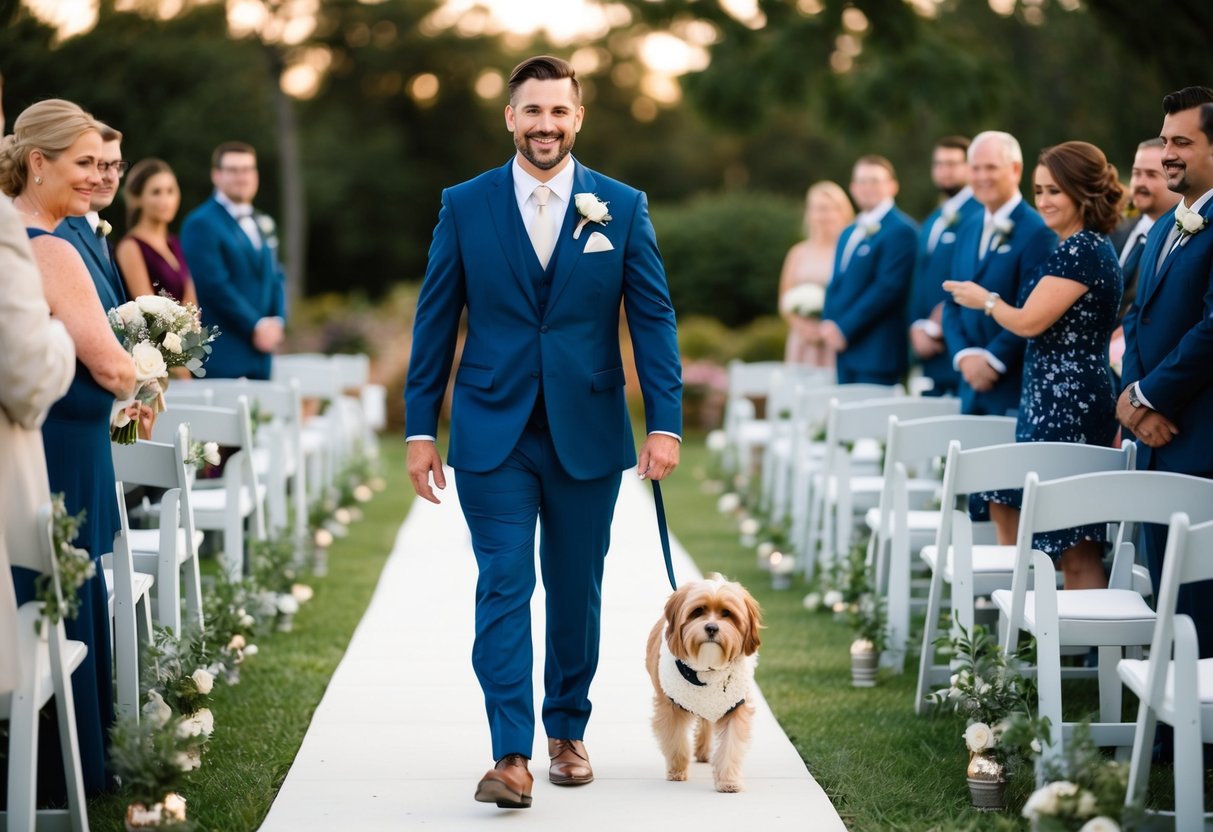
While tradition often has the groom solo, there are many ways you can personalize this moment. Some grooms choose to walk with their parents as a way to honor family. Others might opt to include close friends for added support and camaraderie.
No matter how you decide to make your entrance, the key is to choose what feels right for you. Your walk down the aisle is just the beginning of a beautiful journey into marriage, filled with love and shared experiences.
Ceremony Traditions and the Groom’s Entrance
When planning your wedding, the groom’s entrance can hold special meaning in different traditions. Each culture has unique practices that shape this important moment. Below are specific customs you may encounter.
Christian Wedding Processional Structure
In many Christian weddings, the groom typically enters first. He may walk down the aisle alone or with his parents. The entrance is a way to set the tone for the ceremony.
Usually, the groom stands at the altar, waiting for the bride’s arrival. The order often follows a set structure, including the wedding party and the bride. This setup helps create a smooth flow for the ceremony.
In some nondenominational ceremonies, you have the freedom to mix traditions. You might choose to have the groom enter with both parents or even close family members. This can make the moment feel more personal and meaningful.
Jewish Wedding Traditions
In Jewish weddings, the groom’s entrance is often a joyous occasion. He may be escorted by his parents, celebrating together as they walk down the aisle.
A traditional aspect includes the badeken, where the groom veils the bride before the ceremony. This strengthens their bond and showcases their commitment.
During the ceremony, the groom stands under the chuppah, which symbolizes the couple’s new home together. His entrance is not just about the arrival but also about the spiritual significance tied to family and tradition.
Hindu Wedding Processional Customs
For Hindu weddings, the groom’s entrance is usually a vibrant affair known as the baraat. He often arrives on a decorated horse or in a stylish car, surrounded by family and friends who sing, dance, and celebrate.
This lively procession serves to announce his arrival and honors his importance in the ceremony. Once at the mandap, or sacred altar, the groom joins his parents and other family members to proceed with the wedding rituals.
Typically, the groom takes center stage and plays a key role in the rituals. This joyous arrival sets a celebratory atmosphere for the rest of the ceremony.
Other Cultural Considerations
Each culture has unique practices related to the groom’s entrance. In some nondenominational weddings, you might choose to break away from tradition altogether. This allows you to create a personalized approach that resonates with you.
For example, blending elements from your backgrounds can make your ceremony special. Whether it’s choosing music, attire, or the people walking you down the aisle, these choices reflect your love story.
Understanding these diverse customs can help you decide how the groom will enter on your special day.
Roles of Family Members
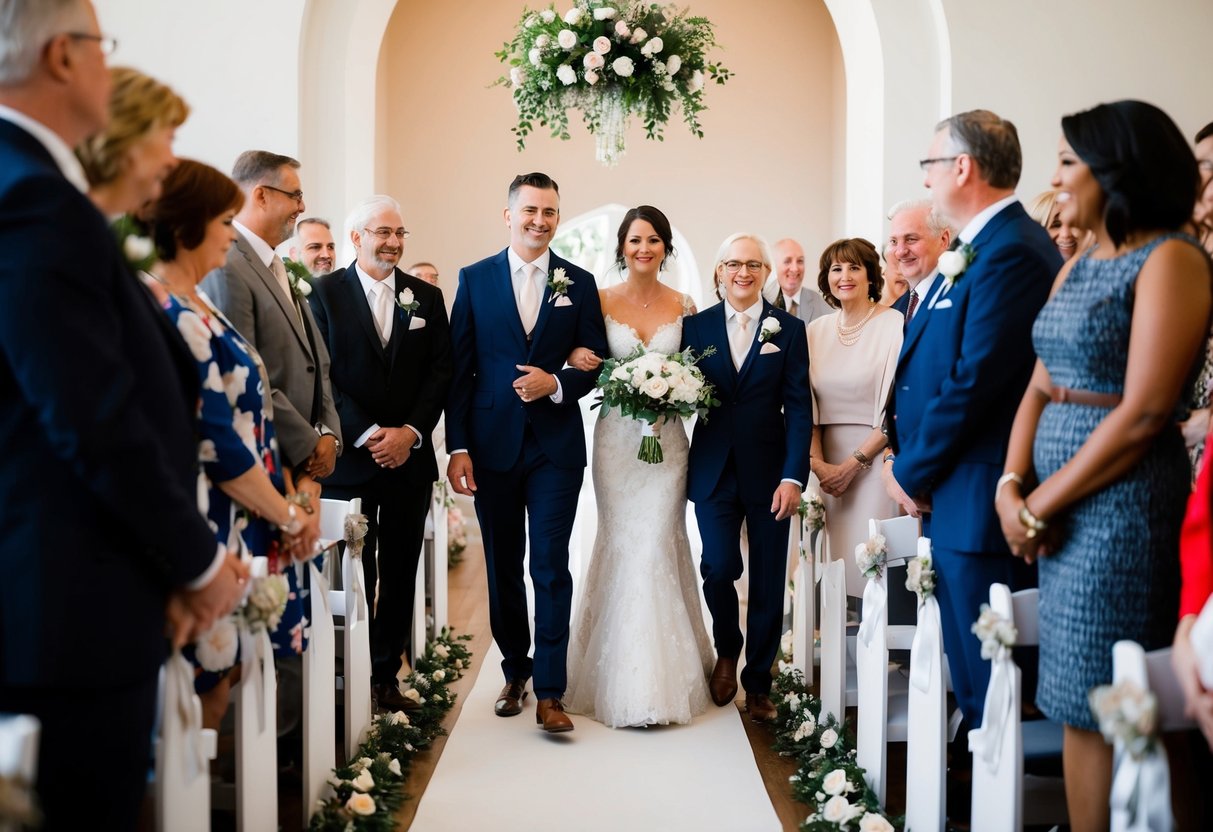
Family members play important roles during the wedding processional. Each person may have a specific part that adds to the ceremony’s significance. Understanding these roles can help you make thoughtful decisions about who walks with you.
Parents’ Involvement
Your parents often have a significant place in the wedding ceremony. Typically, the groom’s mother may walk down the aisle either by herself or escorted by a close family member, such as a son or brother. In some cases, the groom’s father might accompany her, showcasing family unity.
The parents of the bride also have specific roles. The father of the bride usually escorts her down the aisle, while the bride’s mother may follow. This tradition highlights family support and blessings. Grandparents can also participate, often being escorted down the aisle before the processional begins.
Siblings and Step-Parents
Siblings can be vital in the wedding processional. Brothers may walk down the aisle alongside the groom’s mother or help escort her, emphasizing family bonds. They can also play key roles as groomsmen during the ceremony.
Step-parents can also be included, creating a welcoming atmosphere. A step-father could escort the groom’s mother or walk down the aisle with her. This inclusion helps to embrace all family dynamics. Making these choices can reflect the unique relationships you value, making your day even more special.
The Wedding Party’s Procession
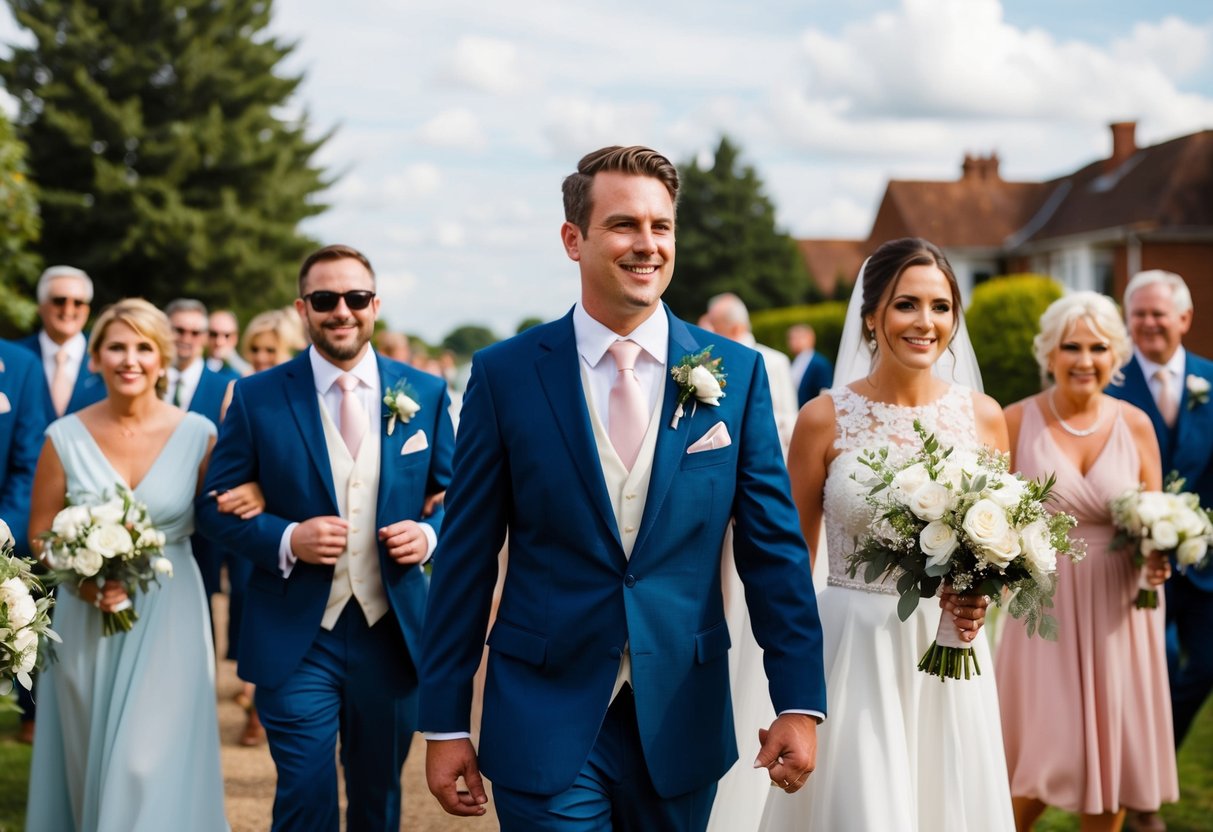
The wedding party’s procession is a vital part of the ceremony. Understanding the order and key roles can help you plan a smooth and memorable entrance for everyone involved.
The Order of the Wedding Party
The wedding processional order usually starts with the officiant. They may enter from the side or the back, depending on the venue. Next come the grandparents, who often take their seats in the front row.
Then, it’s time for the bridesmaids and groomsmen. Traditionally, they walk down in pairs, alternating sides. The maid of honor typically follows the bridesmaids, while the best man comes right after the groomsmen.
Finally, the bride makes her grand entrance, either alone or with a parent. The groom can also walk down the aisle alone or with his parents. The whole processional is about creating a beautiful moment for everyone to enjoy.
Key Roles: Best Man & Maid of Honor
The best man and maid of honor play essential roles during the ceremony. As the groom’s right hand, the best man provides support throughout the planning and the ceremony. His duties include holding the rings, giving a toast at the reception, and keeping the groom calm.
On the other hand, the maid of honor supports the bride in various ways. She helps with planning, assists with the dress, and may manage the bridal party. Both roles require strong communication and coordination to ensure the wedding goes smoothly.
Children in the Procession
Including children in the processional adds a special charm to the ceremony. The ring bearer, often a young boy, carries the wedding rings on a pillow. This role is significant, as it’s a key part of the couple’s vows.
The flower girl, typically a young girl, scatters petals or carries a bouquet. Their innocent actions bring joy and smiles to guests. Children usually walk just before the bride, creating an appealing build-up to the main event. Having these roles filled by little ones can create lasting memories for everyone.
Personal Choices and Wedding Planning
When planning your wedding, consider your personal preferences for the groom’s entrance. You have many options, and your choice can reflect your unique style.
A solo entrance can be a bold statement of independence. It shows confidence and can be a memorable moment. On the other hand, walking with family can provide emotional support.
Many couples choose to consult with a wedding consultant. They can help guide your decisions and offer ideas that fit your vision. You might decide that having your parents escort you feels more comfortable. This choice highlights the importance of family bonds.
It’s important to communicate with your partner about these choices. Discuss what feels right for both of you. You might find that you prefer traditional options, or you might want to create something new.
Here’s a quick list of options for the groom’s entrance:
- Walk Alone: A strong way to enter.
- With Parents: Shows respect and family unity.
- With Close Friends: Adds a fun twist.
- With a Special Family Member: Can be very meaningful.
Trust your instincts when making these choices. The goal is to create a moment that feels true to you on your special day.