
Does the Groom Walk Down with His Parents? Understanding Wedding Traditions
When it comes to weddings, many traditions shape the big day, including how everyone walks down the aisle. Yes, the groom can walk down with his parents, and this is a common choice for many couples. This moment can add a personal touch to the ceremony, highlighting the importance of family as the groom makes his way to the altar.
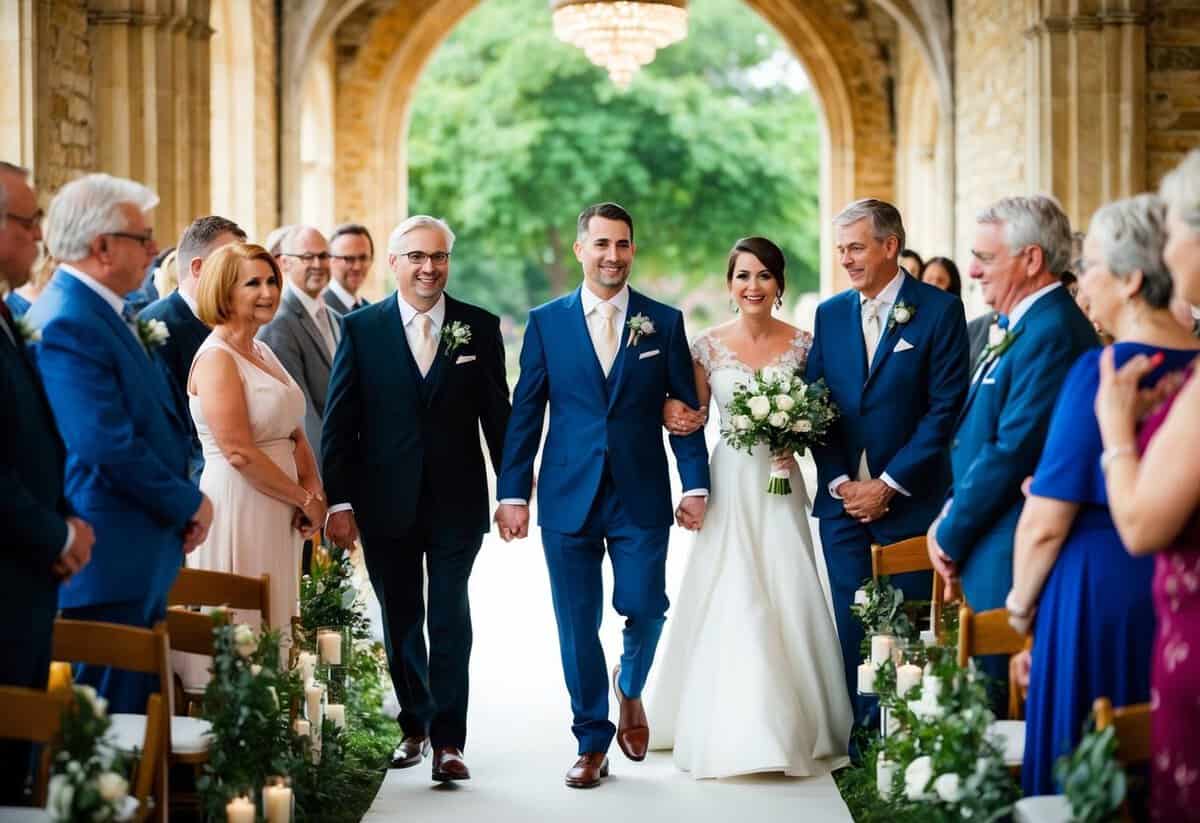
You might wonder about the different options available for the groom. Depending on your preferences and the vibe of your wedding, he can walk solo, with both parents, or even just with his mother. Each choice has its own significance and charm, allowing you to tailor the ceremony to fit your style.
As you plan your wedding, consider how the groom’s walk down the aisle can reflect his personality and your relationship. It’s a beautiful opportunity to celebrate family and showcase the bonds that matter most on this special day.
Traditions of the Processional
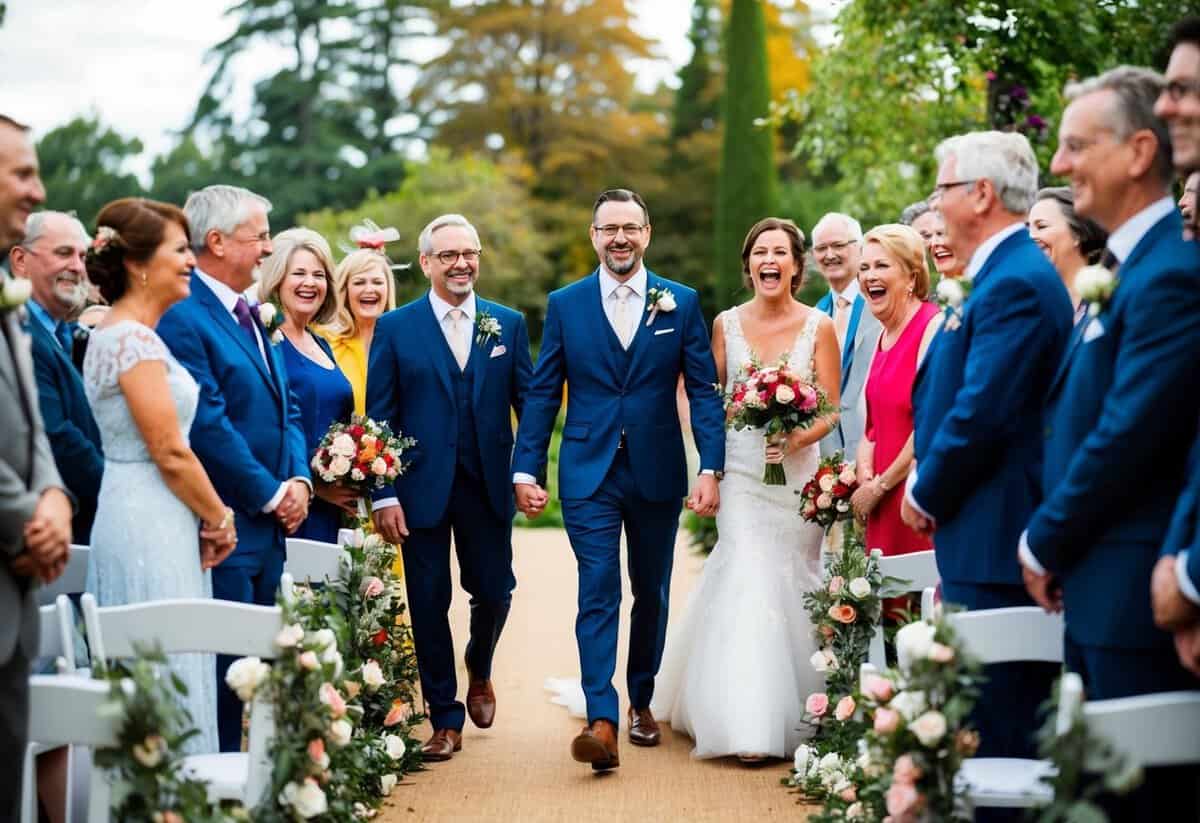
The wedding processional varies widely across cultures, each tradition holding its own significance. Understanding these can help you choose the right elements for your ceremony.
Processional Order in Different Cultures
In a Christian wedding, the processional typically starts with the officiant, followed by the wedding party. The bride walks last, usually escorted by her father.
In a Jewish wedding, the groom traditionally walks down the aisle first. He may be accompanied by both parents before the bride makes her grand entrance.
A Hindu wedding features the groom arriving in a lively procession known as the baraat. He may ride a horse or arrive in a car, surrounded by music, dancing, family, and friends.
For a non-religious wedding, couples often create their own unique processional order, combining elements that matter most to them.
Roles and Responsibilities
During the wedding processional, several important roles come into play. Each participant has their own responsibilities that contribute to the day’s significance.
- The parents of the groom typically walk down together, taking their seats early in the ceremony.
- The mother of the bride may walk alone or be escorted by a family member before sitting in a place of honor.
Bridesmaids and groomsmen follow, pairing off according to the couple’s preference. The ring bearer and flower girl often add a touch of innocence, walking just before the bride.
These roles help create a memorable atmosphere, marking the importance of family and unity on your special day.
The Groom’s Entrance
The groom’s entrance is a significant part of the wedding ceremony. This moment sets the tone for the event, showcasing your connection with your parents and the beginning of a new chapter in your life.
Walking Down the Aisle with Parents
Walking down the aisle with your parents is a traditional choice. Usually, the father of the groom is on your left and the mother of the groom is on your right. This allows you to honor both of your parents as you make your way to the altar.
Many grooms choose to walk together with both parents, creating a warm and inclusive atmosphere. This approach offers a moment to celebrate family as you introduce them to your spouse’s family and guests.
Others might prefer to walk alone or start with one parent before joining the other. Whichever way you choose, this moment is about showing respect and love for your family as you take your next step.
Variations in Modern Ceremonies
In modern weddings, variations in the groom’s entrance have become popular. Many grooms now decide to include their best man or groomsmen in the entrance, creating a fun and relaxed vibe.
Some grooms might even opt to walk their mother down the aisle first, allowing a special moment before proceeding to the altar. This can highlight the importance of your relationship with your mom on your big day.
With unique music choices and personal touches, you can create an entrance that reflects your personality. Think about how you want to make this moment memorable for you and your loved ones.
Inclusive Celebrations
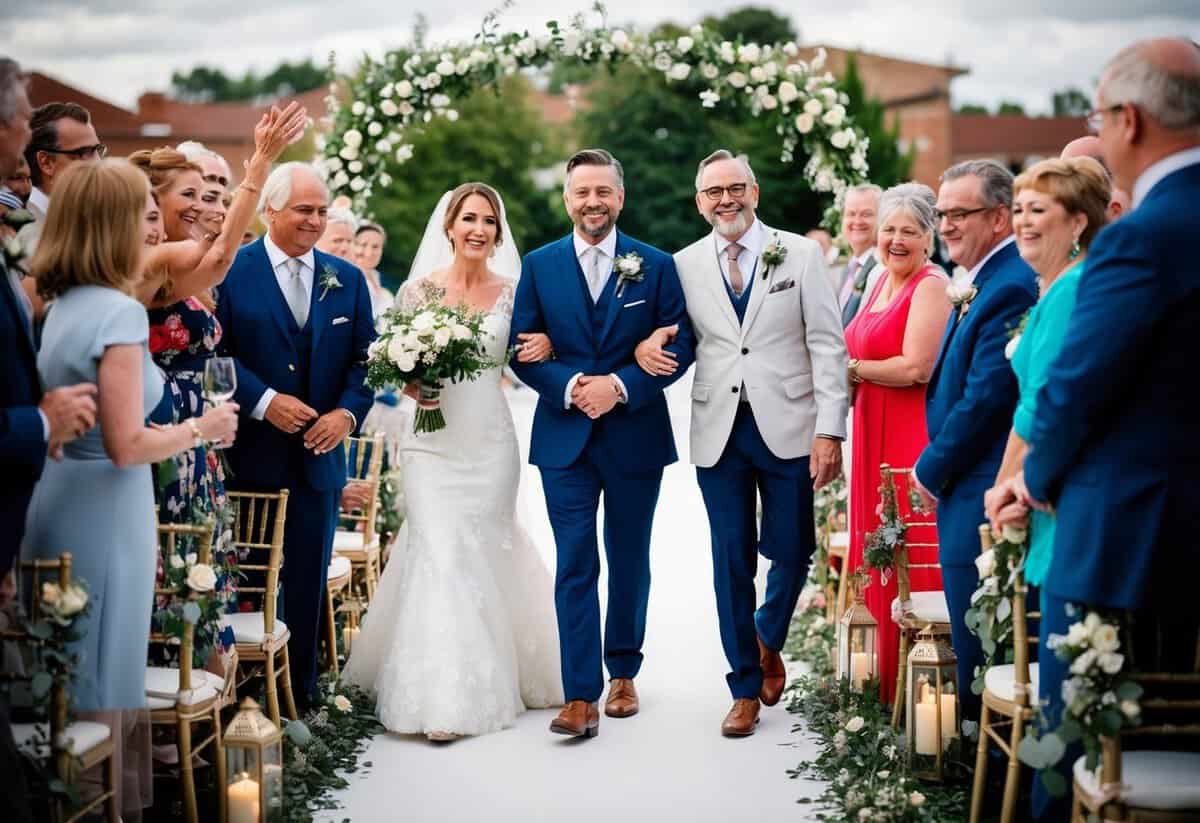
Weddings are special times to honor all the important people in your life. Including step-parents and grandparents can help make everyone feel valued and recognized during the ceremony.
Incorporating Step-Parents and Grandparents
If you have step-parents, consider including them in the processional. You might have your stepfather walk you down the aisle along with your biological father. This shows that both parents play a significant role in your life.
For grandparents, you can honor them by having them seated in a special place during the ceremony. Some couples choose to have their grandparents participate in the processional as well. This inclusion can create a heartfelt moment for families.
Honoring Both Parents
When planning your walk down the aisle, think about how you can acknowledge both parents. You could have both your mother and father join you. They can walk you halfway down the aisle, where you can meet your partner.
You might also want both sets of parents to stand at the front with you during the ceremony. This symbolizes the support and love from both families. Making a plan that includes all parents helps unite everyone on this special day.