
Does the Maid of Honor Walk in First or Last? A Guide for Your Wedding Processional
When it comes to a wedding ceremony, many traditions make the day special. One important question you might have is whether the maid of honor walks in first or last. Typically, the maid of honor is the last bridesmaid to walk down the aisle. This moment signifies her special role in supporting the bride.
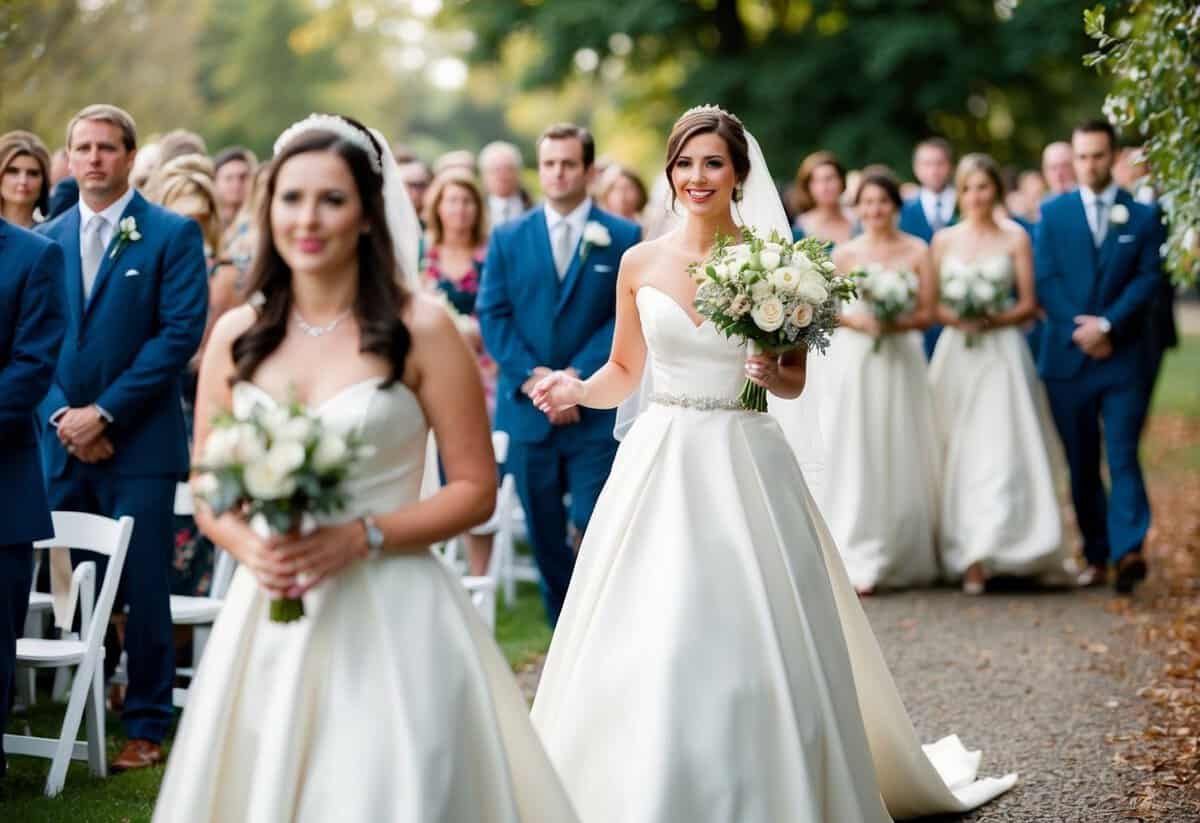
Walking down the aisle is a cherished part of the ceremony that sets the tone for the entire event. As the maid of honor takes her place beside the bride, it showcases the bond between them. Knowing the order of the procession can help you plan the details of the ceremony seamlessly, ensuring that everyone is in the right place.
Each wedding may have its own unique traditions, but understanding the typical role of the maid of honor helps you enjoy this moment even more. If you’re preparing for a wedding or just curious about wedding customs, this guide will answer your questions and help you appreciate the significance of this beautiful tradition.
Understanding the Role of the Maid of Honor
The maid of honor holds a special place in the wedding party. You play an important role in supporting the bride through the planning and on the big day.
Key Responsibilities:
- Emotional Support: You are there for the bride during stressful moments. Keeping her calm is essential.
- Wedding Planning Help: Assisting with tasks like addressing invitations or organizing bridal showers is common.
- Pre-Ceremony Duties: On the wedding day, you help the bride get dressed. This includes making sure she looks perfect.
In the procession, the maid of honor traditionally walks with the best man, not alone. This allows you to feel connected to the groom’s side of the wedding party as well.
Bridal Party Dynamics:
As part of the bridal party, you stand closest to the bride. This might be alongside other bridesmaids. Each bridesmaid provides support, but you have a more significant role.
Understanding your duties helps ensure everything runs smoothly. The maid of honor is often the one the bride turns to when she needs guidance or a listening ear.
Enjoy this special occasion as you celebrate with the bride and the rest of the wedding party! Your role is vital in making her day memorable.
The Traditional Processional Order
Knowing the traditional processional order can help you understand who walks in and when during the ceremony. This order often varies slightly with different customs but generally follows a specific sequence.
Key Participants in the Wedding Processional
The wedding processional includes several key participants, each with a special role.
-
Parents: The ceremony typically starts with the parents of the couple. The mother of the bride often walks down the aisle first, followed by the mother of the groom.
-
Grandparents: Next, grandparents enter, either individually or together, depending on their preference.
-
Bridesmaids and Groomsmen: After the grandparents, the bridesmaids walk in, often paired with groomsmen. The best man usually follows, supporting the groom.
-
Flower Girl and Ring Bearer: The flower girl, often quite young, may scatter petals before the bride. The ring bearer follows, holding the bride and groom’s rings.
-
Officiant: Typically, the officiant enters shortly before the bride, ready to conduct the ceremony.
Sequence of the Traditional Wedding Processional
The traditional sequence of the wedding processional is quite important to follow for a smooth ceremony.
-
Ushers: First, ushers help guests find their seats.
-
Parents: As mentioned, the mothers enter next, followed by grandparents.
-
Wedding Party: The bridesmaids enter, usually in order of closeness to the bride, paired with groomsmen.
-
Maid of Honor: As the final attendant, the maid of honor enters last among the wedding party. She often walks right before the bride to help finalize any preparations for her entry.
-
Bride: Finally, the bride makes her grand entrance, usually accompanied by her father or both parents.
Understanding this traditional order can help ensure your special day proceeds smoothly.
Variations in Processional Orders
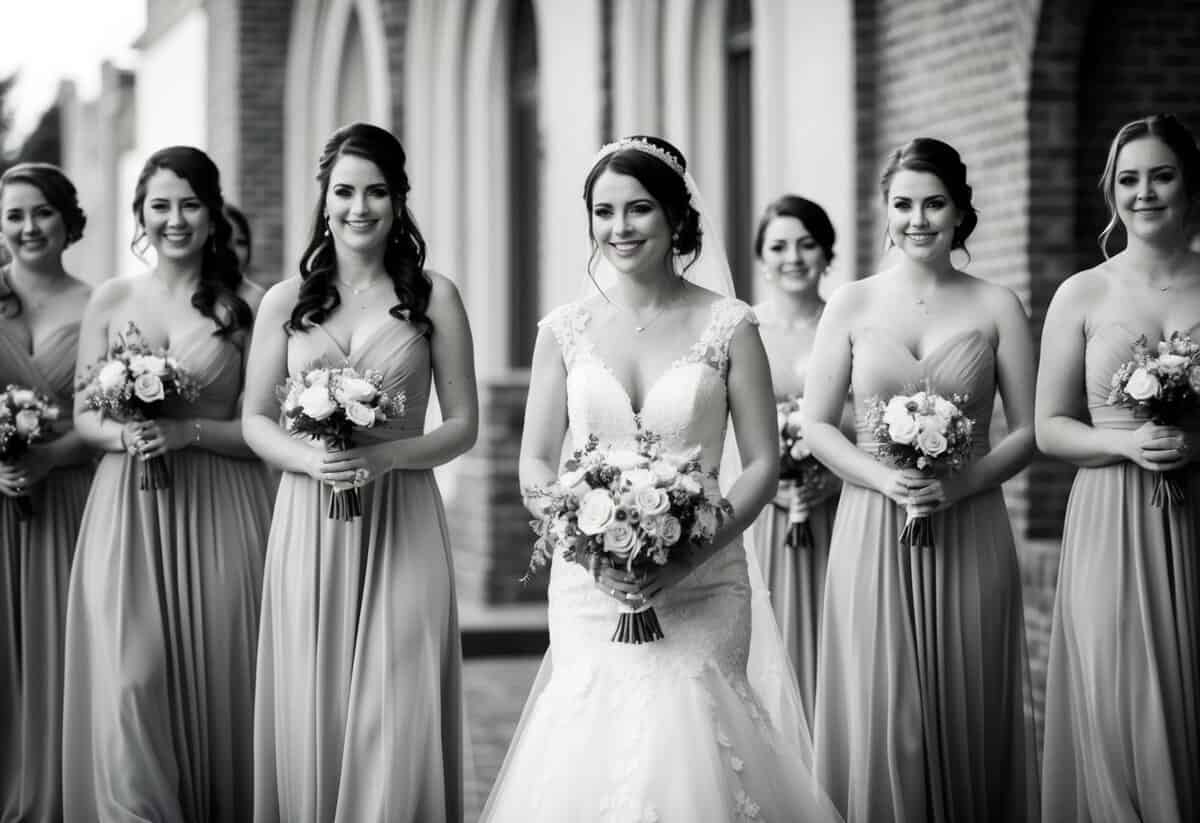
When planning a wedding, you’ll find many options for how the wedding party walks down the aisle. Different cultures and modern practices can influence these choices, making the ceremony unique to each couple.
Cultural Differences in Wedding Ceremonies
In many cultures, the processional order has deep meanings and traditions. For example, in Hindu weddings, the groom often enters first, accompanied by his family, while the bride follows later. This symbolizes the union of two families. In Jewish weddings, the bride and groom may walk down the aisle together, highlighting their partnership right from the start.
In Catholic ceremonies, the processional usually has a set order. The priest enters first, followed by the groom and best man, with bridesmaids and the bride entering last. These traditions create a formal atmosphere and celebrate religious significance.
Modern Adaptations to the Processional
Today, many couples are choosing to adapt traditional processional orders to suit their style. It’s common for the maid of honor to walk in just before the bride, adding a personal touch to the event. Some even opt for creative entries, like the entire wedding party walking in together.
People also blend cultural elements, mixing traditions from different backgrounds. This blending can make the ceremony more reflective of your journey. Many weddings now include unique elements, such as music choices that hold special meaning. Embracing modern adaptations allows you to craft a processional order that feels right for you and your partner.
Planning Your Ceremony
Planning your ceremony involves thoughtful details that enhance the overall experience. From choosing music that sets the mood to creating a clear wedding program, every part contributes to your special day. Here are some key aspects to consider.
Choosing the Right Processional Music
Selecting the right processional music is essential for setting the tone of your wedding. The music should reflect your style and the ceremony’s atmosphere. Consider songs that are meaningful to you and your partner.
You can choose traditional pieces or modern favorites. Popular choices include Pachelbel’s “Canon in D” or contemporary love songs.
Make sure to discuss the music with your officiant and musicians ahead of time. They can help ensure everything flows smoothly during the ceremony. Remember, your guests will enjoy the ambiance your music creates as they wait for the ceremony to begin.
Creating a Personalized Wedding Program
A wedding program is a wonderful way to inform your guests about the ceremony’s flow. It typically includes details like the order of events, names of the bridal party, and information about readings or songs.
Here are some key elements to include:
- Introduction: A warm welcome message
- Order of Service: List the ceremony steps, like the processional and the vows
- Bridal Party: Name the maid of honor and groomsmen
- Special Acknowledgments: Recognize any family members or friends
Designing the program with your wedding colors and theme adds a personalized touch. This also helps guests follow along, making them feel more connected to your special day.
Coordinating the Ceremony with the Reception
Coordinating your ceremony with the reception is crucial for a seamless transition. You should consider how long the ceremony will last and plan the timeline accordingly.
Provide guests with clear information on the location and timing of the reception. This will help manage expectations and enhance their experience.
Think about how long you want for post-ceremony photos. Minimize downtime for your guests by providing light refreshments.
Discuss the timing of the recessional and when guests should expect activities like speeches or the first dance. This will ensure everyone is engaged and aware of what’s happening throughout the day.