
Does the Man or the Woman Say “I Do” First? Unpacking Wedding Traditions
Wedding traditions often spark curiosity and debate. One question many people ask is about the order of saying “I do.” Traditionally, the groom says “I do” before the bride during the ceremony. This custom dates back to historical views on marriage as a formal agreement between families, placing the groom in a leading role.

In recent years, many couples are choosing to personalize their ceremonies. Some may decide who says “I do” first based on their own preferences or even choose to say it together. This approach reflects a shift towards equality and personal choice in weddings.
Understanding these traditions can enhance your wedding planning experience. Exploring the reasons behind these customs not only adds depth to your celebration but also helps you make informed decisions about what feels right for you and your partner.
Cultural Norms and Wedding Traditions
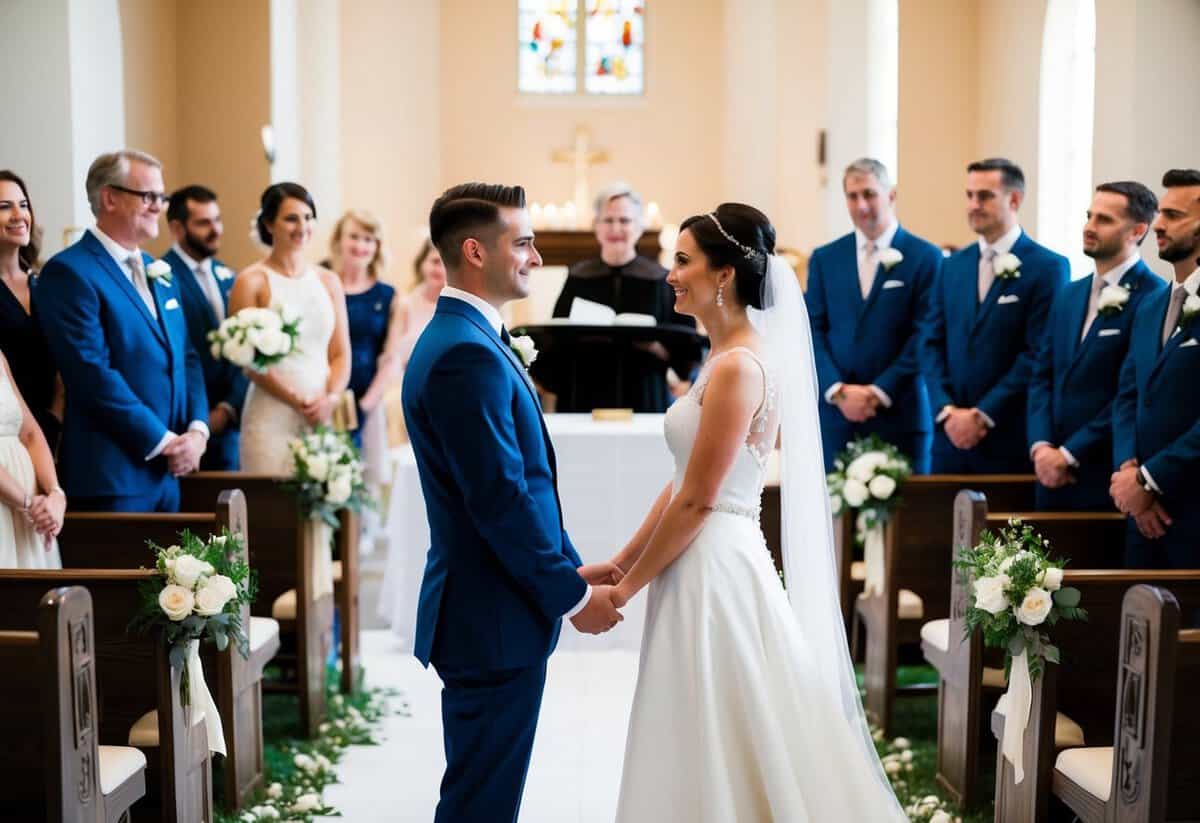
Wedding rituals often reflect deep cultural norms and traditions that vary around the world. Understanding these can help you appreciate the significance behind who says “I do” first in different ceremonies.
Historical Perspectives
Historically, the order of vows in weddings has roots in tradition and gender roles. In many cultures, men have traditionally spoken first. This practice often symbolizes leadership and authority. The bride, following the groom, takes her vow as a sign of partnership and support.
Over the years, views on gender roles have changed. Many couples now see their wedding as a partnership of equals. Thus, they may decide together who goes first. This shift shows a move towards balancing tradition with modern values in today’s weddings.
Variation by Country and Religion
Different countries and religions have their unique customs regarding who says “I do” first. For example, in many Western weddings, the groom typically goes first. This is often due to historical structures surrounding marriage.
In contrast, some cultures allow the bride to speak first. For example, in certain Hindu weddings, the bride may lead the vow exchange, emphasizing her central role in the ceremony.
Religious customs also play a big part. In Islamic weddings, the couple’s vows often include mutual consent. This can lead to unique ways of expressing commitments that don’t strictly follow a set order. Understanding these variations can help you appreciate the beautiful diversity in wedding traditions worldwide.
The Significance of ‘I Do’ in Marriages
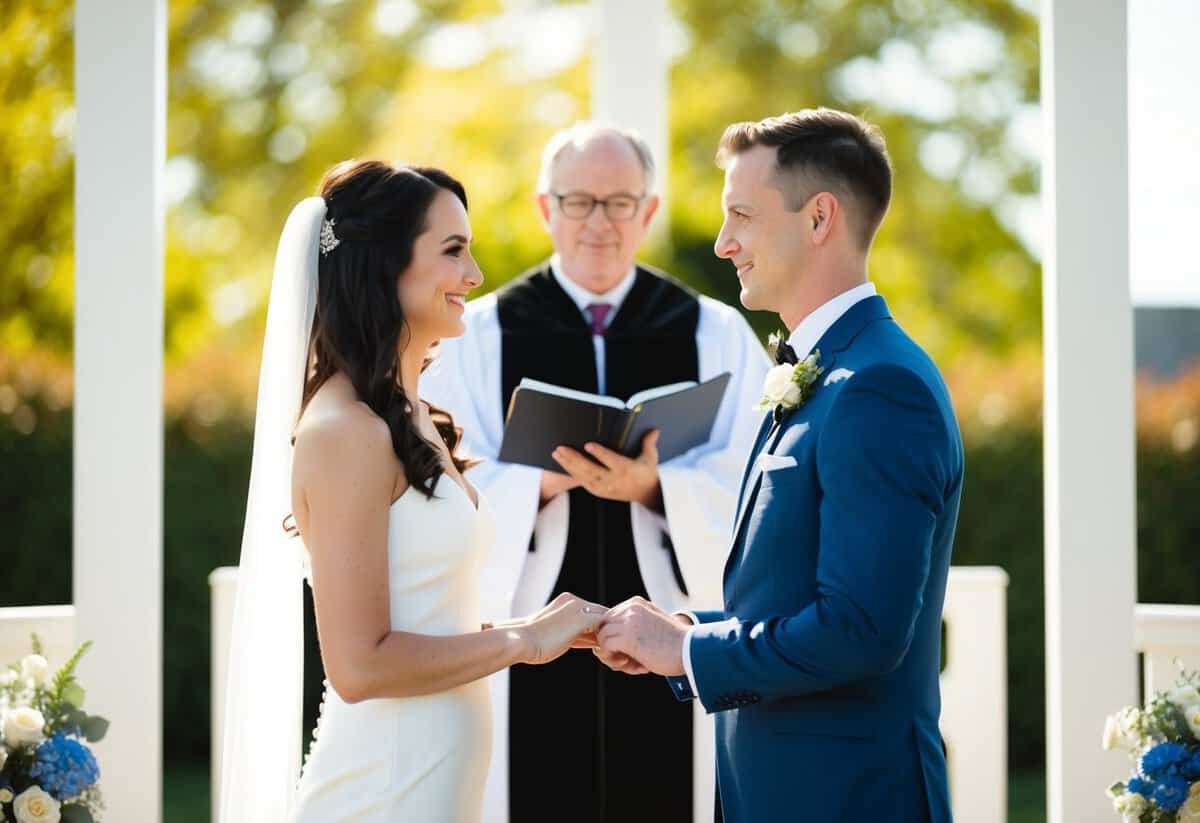
The phrase “I do” holds deep meaning in the context of marriage. It symbolizes commitment and the legal foundation of your union. Understanding its significance can help you appreciate the choice you make during your ceremony.
Meaning and Commitment
When you say “I do,” you are making a serious promise to your partner. This simple phrase conveys love, support, and devotion. It represents your willingness to build a life together through thick and thin.
Additionally, this moment signifies mutual commitment. You both agree to take responsibility for each other. It’s about fostering a relationship grounded in trust and respect. This act is not just words; it also shapes your journey as a couple.
Understanding this meaning can lead to stronger bonds. It reminds you both of the love you share and the life you are building together.
Legal Implications of the Marriage Vow
The vow you take during your wedding carries legal weight. When you say “I do,” you enter into a legal contract. This contract ensures rights and responsibilities for both partners.
Legally, your marriage grants you various protections and benefits. You gain rights regarding property, healthcare decisions, and inheritance.
It’s important to recognize the seriousness of your commitment. Mistakes or misunderstandings about this vow can lead to complications. For instance, if one partner doesn’t honor the agreement, it can affect the trust and balance in your relationship.
Thus, saying “I do” is not just a moment in a ceremony; it sets the stage for your future together with clear legal and emotional significance.
Modern Wedding Practices
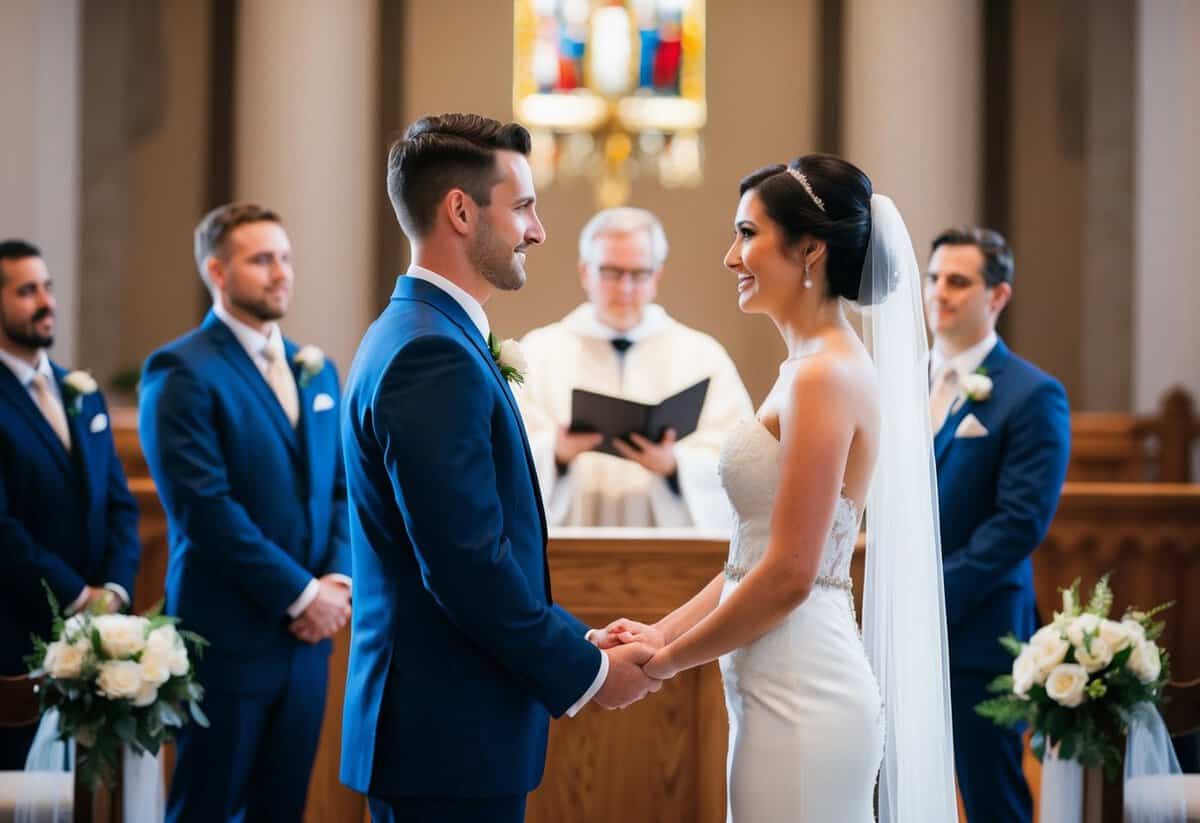
In today’s weddings, couples often choose how they want to express their vows. This freedom reflects changes in traditions and societal norms. Many factors, including personal beliefs and modern views on relationships, shape these decisions.
Order of Vows in Contemporary Ceremonies
In modern ceremonies, the order of vows can vary widely. While traditionally the groom said “I do” first, many couples now mix things up. Some brides prefer to go first, making a statement about equality.
The choice largely depends on what feels right for each couple. Often, couples discuss their preferences ahead of time. This collaborative approach allows them to create a ceremony that feels personal and meaningful.
Evolving Gender Roles and Expectations
As society progresses, traditional gender roles in weddings are evolving. You may notice that many couples challenge the old norms. This change represents a shift toward more equality in partnerships.
For example, some couples choose neutral titles or roles. Others may incorporate unique elements into their ceremonies that reflect their shared values. Men and women are both equally involved in planning important wedding details.
This evolution helps couples express their identities and relationships. It also allows them to craft a ceremony that feels authentic to both partners. Embracing these changes can lead to a more fulfilling and joyful wedding experience.
Additional Resources for Couples
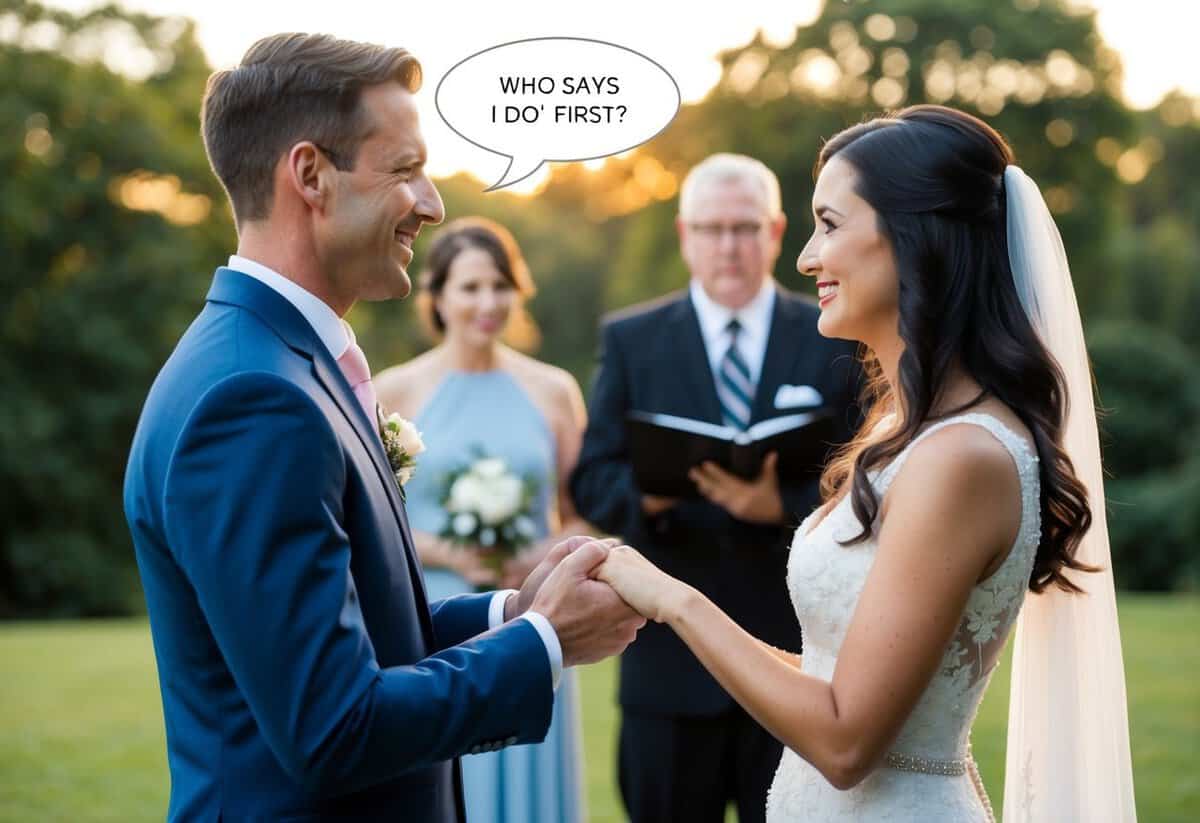
When planning your wedding, it’s helpful to have resources at your fingertips. Here are some great tools for couples like you.
-
Wedding Planning Websites: Sites like Studocu can provide tips and templates for managing your wedding plans efficiently.
-
Vow Guidance: Look for online resources that help you write your vows. Many websites offer templates and examples to inspire you.
-
Ceremony Order: A local officiant can explain traditional roles, like who says “I do” first. This can help you decide what fits your style.
-
Community Forums: Online forums are perfect for connecting with other couples. You can share experiences and get advice.
If your planning hits a snag, don’t get discouraged. Many couples face similar challenges. Remember, it’s okay to ask for help.
Make sure your ceremony reflects your values and choices. Resources can guide you to create a day that feels right for both of you.
Always keep an eye out for updated information on these platforms to ensure you have the latest ideas and advice.