
Does the Man Say “Obey” in Wedding Vows? Understanding Traditional and Modern Practices
When it comes to wedding vows, many people wonder about the inclusion of the word “obey.” Traditionally, this term has been a part of vows, particularly for brides, but it raises questions about love, commitment, and equality in marriage.
Today, many couples choose to omit “obey” from their vows, focusing instead on mutual respect and partnership.
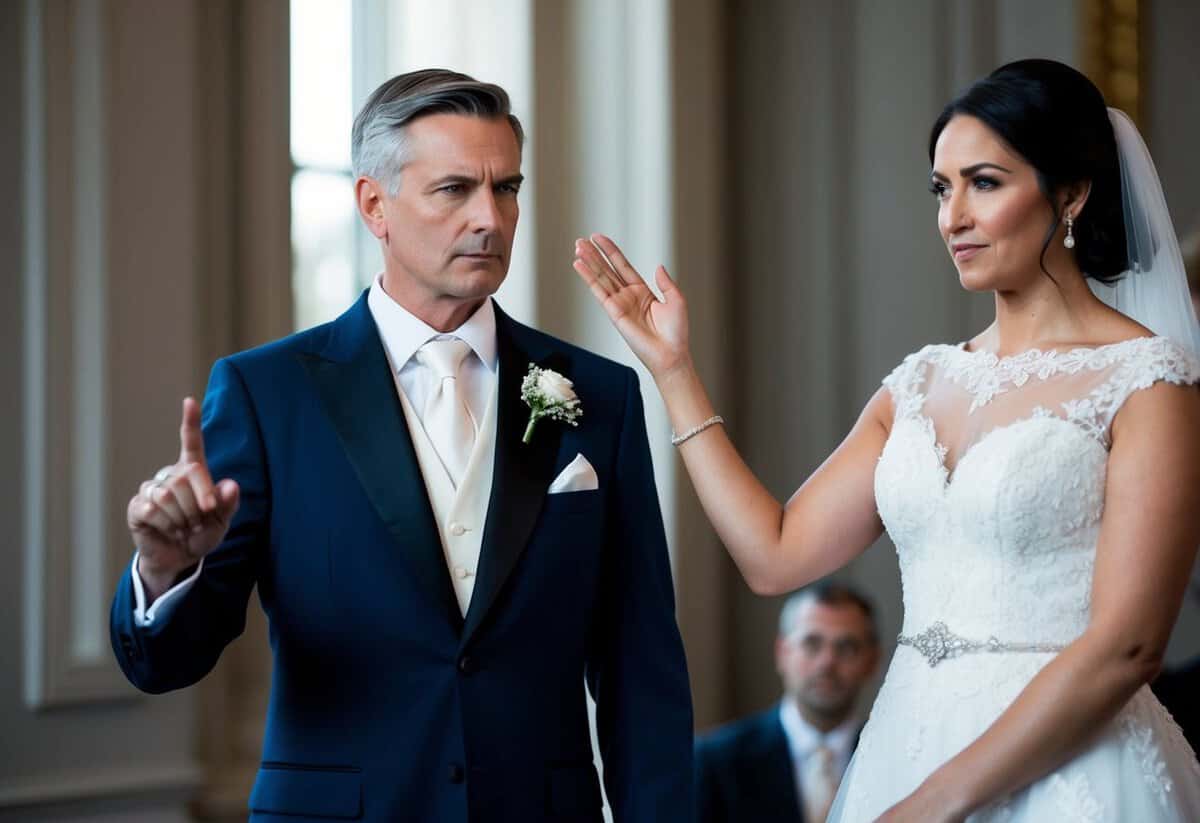
Understanding the history behind this phrase can provide insight into modern wedding ceremonies. The shift away from the word “obey” reflects changing attitudes toward marriage and a desire for relationships built on equality.
As you prepare for your big day, think about how your promises can truly represent your commitment to each other.
Whether you embrace traditional elements or opt for a more contemporary approach, what you say during your vows matters. It’s your chance to express your love and respect while defining what your marriage will look like.
The Origin and Evolution of Wedding Vows
Wedding vows have a rich history that reflects changing values and societal norms over time. Understanding the historical context and cultural variations helps you appreciate how vows shape marriage.
Historical Context of Obedience in Vows
The concept of obedience in wedding vows traces back to ancient times. The ancient Romans viewed marriage as a union where the woman was expected to honor and obey her husband. This idea continued through various religious texts, including the Bible. In Ephesians 5:21-24, there are references to submission and obedience.
During the 16th century, the Church of England produced the Book of Common Prayer, which included traditional wedding vows. A key part of these vows was the phrase for wives to “love, honor, and obey.” As societal norms shifted, especially with the Women’s Suffrage movement in the 1920s, many began to challenge these gender roles.
Cultural Variance in Marriage Promises
Marriage vows differ greatly across cultures, reflecting local beliefs and traditions. In Hindu marriages, for example, grooms and brides take part in the seven vows, emphasizing partnership and mutual respect rather than obedience. Each vow highlights values like love, fidelity, and spiritual connection.
In many modern Western ceremonies, the word “obey” is often omitted to promote equality. Couples now focus more on promises of support and partnership. This shift shows the evolving view of marriage as a collaboration, moving away from traditional hierarchies.
Interpretations of ‘Obey’ in Modern Ceremonies

In today’s wedding ceremonies, the word “obey” can have different interpretations. Many couples are moving towards a more equal partnership model. This shift reflects changing gender roles and personal preferences in marriage vows.
Equality and Partnership
In modern weddings, the concept of equality is central. Couples often want their vows to represent mutual respect and partnership. This view encourages both partners to support each other equally rather than one person having authority over the other.
With this change, many couples choose to remove “obey” from their vows entirely. Instead, they might include promises to love, cherish, and respect each other. This reflects a commitment to a balanced relationship.
As seen in the Episcopal Church’s decisions over the years, there has been a noticeable movement away from traditional vows. This shift shows a growing acceptance of new ideas about gender roles within marriage.
Personalized Vows and Individual Beliefs
Personalized vows allow you to express what your relationship means. Including or excluding “obey” can reflect your beliefs and values. Some view “obey” as outdated, while others embrace it in a modern context.
For instance, if you choose to include “obey,” it might carry a different meaning today. Instead of implying submission, it can symbolize choosing to support your partner and uphold your shared values.
Your wedding day is a unique occasion to communicate your love and vision for your future. Consider what resonates with you both. Discussing these ideas can help create vows that truly reflect your partnership. Personal preference plays a significant role in how you articulate your commitment to each other.
Ceremony Practices Around the World
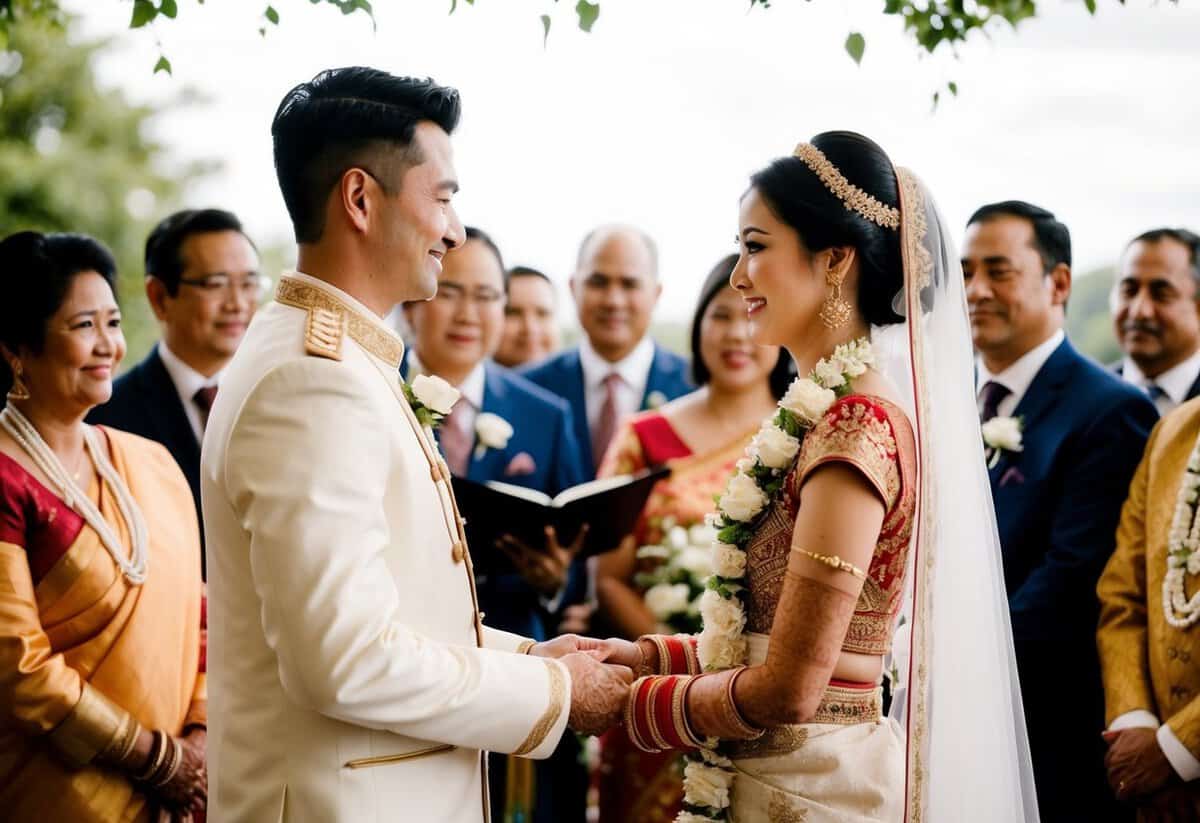
Wedding ceremonies vary greatly around the world, reflecting different cultures, religions, and personal values. The phrasing of vows, the involvement of religious institutions, and notable examples can all influence how couples express their commitments.
Traditional vs. Contemporary Phrasing
In many cultures, traditional wedding vows often include phrases like “love, honor, and obey.” This is particularly seen in Catholic wedding vows and among some denominations of the Episcopal Church. However, contemporary practices have shifted. Many couples today choose to focus on partnership over obedience, leading to vows that prioritize equality.
The Church of England has also adapted its wedding ceremonies, allowing couples to express their values through personalized vows. This shift reflects a broader trend across cultures where the expected language of commitment is changing.
The Role of Church and State
The relationship between church and state greatly affects wedding practices. In countries where religious ceremonies are legally binding, like many Catholic celebrations, the content of vows holds significant weight. In other cases, couples may choose a secular ceremony that allows them to customize their vows entirely.
For instance, in the Episcopal Church, the inclusion of “obey” was officially removed in 1922, but some couples still opt to include it. Understanding these differences can help you appreciate the significance of the vows used in various ceremonies.
Iconic Examples from Public Figures
Public figures often highlight evolving wedding traditions. Consider the wedding of Prince Harry and Meghan Markle. Their vows included modern language that emphasized love and equality rather than traditional phrases like “obey.” This choice resonated with many and showcased a shift in contemporary marriage practices.
Another notable example is the wedding of Kate Middleton and Prince William. Their ceremony blended tradition and modernity, reflecting the changing attitudes towards vows in royal weddings. These events demonstrate how high-profile ceremonies can influence societal views on marriage vows.
Commitment Beyond the Vows
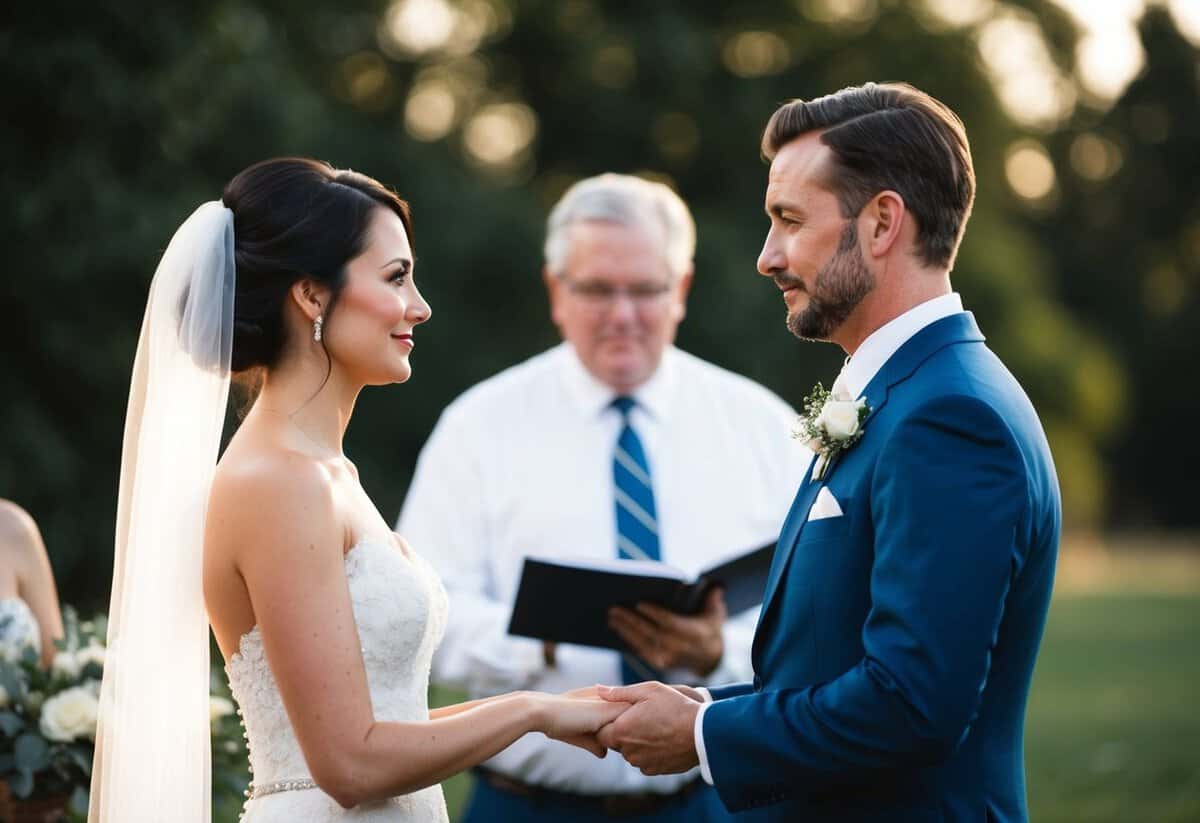
Getting married involves more than just saying the words during the ceremony. It’s about living those promises every day. This commitment includes love, trust, and an ongoing effort to support each other in all aspects of life.
Living the Promises of Marriage
Marriage is a solemn promise to love and support one another. This commitment goes beyond the wedding day and must be demonstrated daily. You promise to be there for your partner through good times and bad.
Behaving with respect and understanding is crucial. Remember, you are both equals in your relationship. This means sharing responsibilities and decisions. Even if one partner takes the lead, such as being the head of the household, it’s essential to honor each other’s beliefs and preferences.
“To have and to hold” doesn’t just mean physically; it also refers to the emotional bond you share. Ensure that you communicate openly and warmly to strengthen your marriage. Trust and unconditional support create a strong foundation for a lasting partnership.
Communication and Mutual Respect
In any marriage, effective communication is vital. It helps you express your thoughts and feelings clearly. When you listen actively, it shows respect for your partner’s perspective. This fosters an environment where both of you feel safe to share.
Mutual respect involves valuing each other as individuals. Acknowledge the different roles you both have and appreciate them. This means recognizing when to support each other and when to challenge.
Set aside time for discussions that support your relationship’s growth. Talk about your dreams, concerns, and everyday experiences. This ongoing dialogue helps to reinforce the promises made during the marriage ceremony.
A loving marriage is built on trust, respect, and open communication.