
Does the Mother of the Bride Do Anything at the Wedding?
The mother of the bride has a meaningful role at the wedding, from supporting the bride and helping with selected planning tasks to welcoming guests and honoring family traditions. Yes, the mother of the bride does something at the wedding, but her role is shaped by the bride’s wishes, family customs, and the level of help everyone agrees on.
Her most important contribution is steady emotional support. She might help with the guest list, join dress shopping, host a bridal shower, assist with the veil, or handle a small issue on the wedding day.
She might also give a toast, walk her daughter down the aisle, or spend the reception greeting loved ones. Wedding traditions offer ideas, not strict rules.
Talk through expectations early so you and your mother know which tasks feel helpful and which decisions belong to you and your partner. If you are ready to give her a clear role, choose one or two responsibilities that match her strengths and your plans.
The Modern Role: Support, Not a Fixed Job Description
The modern mother of the bride supports the couple in ways that fit their relationship, schedule, and wedding plans. Emotional support, practical help, and respect for the bride’s choices form the center of today’s mother-of-the-bride duties.
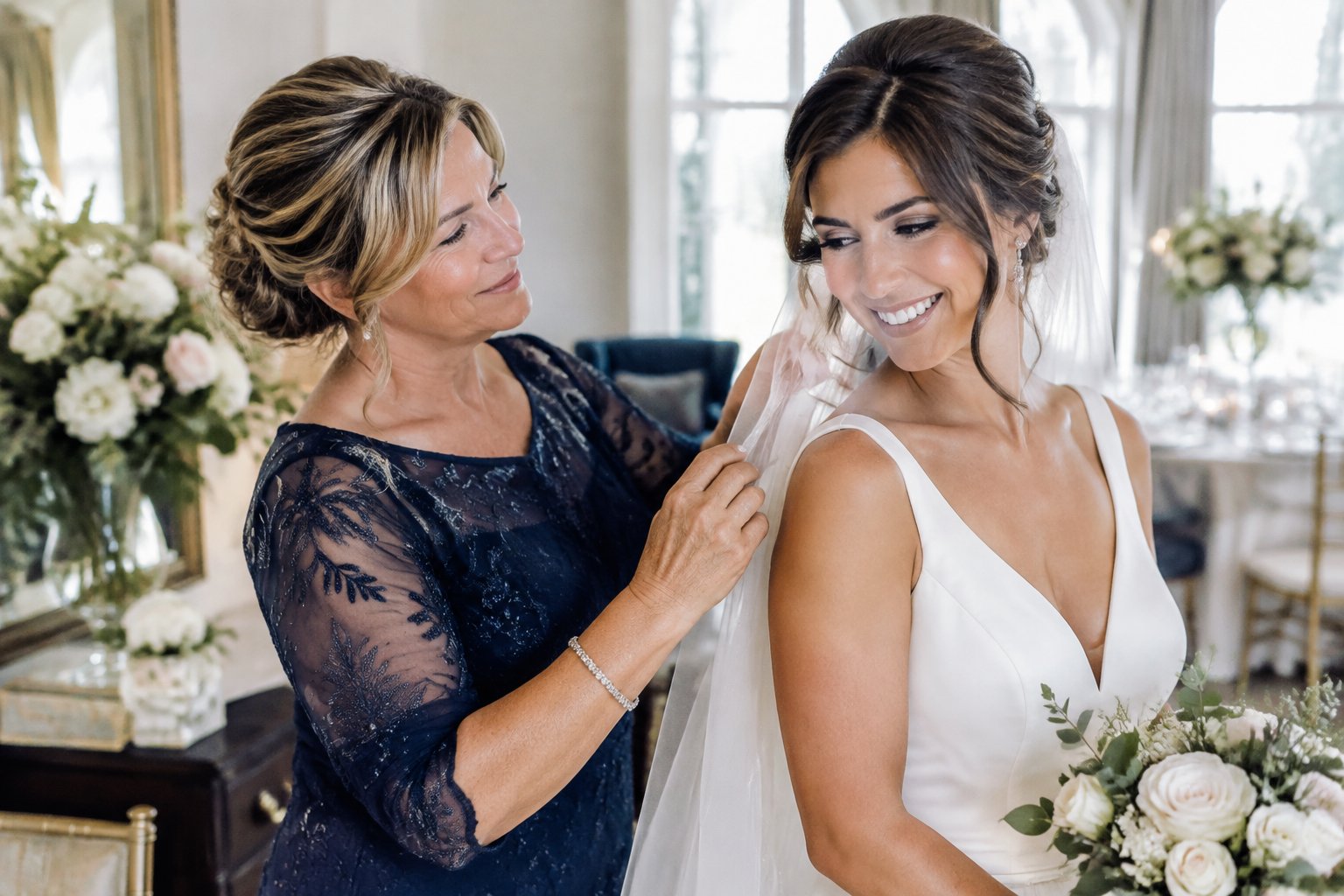
How Should the Bride and Her Mother Set Expectations?
Start with a calm conversation soon after the engagement. Decide how involved your mother wants to be, which tasks you want to delegate, and how you will make final decisions.
You can give her a short list of clear jobs, such as tracking family RSVPs, joining venue tours, or serving as a contact for one vendor. Explain your budget, guest-list limits, and communication preferences.
A shared planning document can keep details easy to find. Include your partner and the bride’s family when a decision affects them. Clear boundaries help your mother offer support without guessing where she fits.
Where Do Traditional Responsibilities Still Fit?
Traditional wedding duties still work when they feel meaningful to your family. Your mother might help host an engagement party, bridal shower, or rehearsal dinner.
She might also help research cultural customs, review invitation wording, or locate a family heirloom. Some families keep the traditional hosting role, while others share it among both families or the couple.
Choose the customs that reflect your values, faith, culture, and family relationships.
What Should She Avoid Taking Over?
Your mother should support your decisions about the ceremony, reception, guest list, attire, and wedding theme. Advice becomes useful when you request it and have room to make the final choice.
She should avoid adding guests, changing vendors, promising money, or sharing private wedding details without your approval. When tension arises, she can bring concerns to you privately and allow you time to respond.
Ways She Can Help Before the Wedding
Before the wedding, the mother of the bride can take ownership of practical tasks that reduce pressure for the couple. Guest-list support, vendor help, pre-wedding events, and clear financial conversations give her useful ways to contribute.
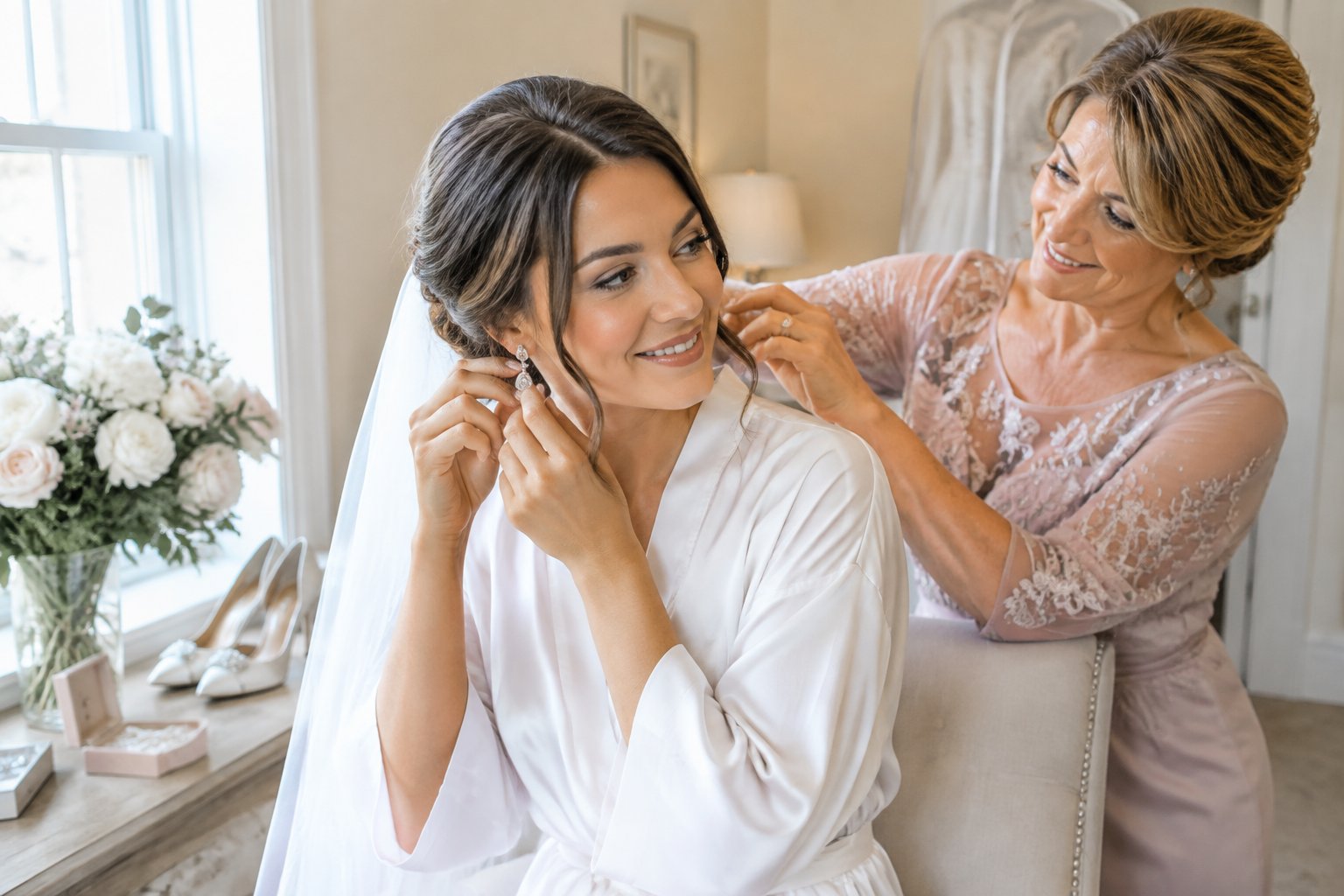
Supporting the Guest List and Seating Plan
Your mother can help build the guest list by identifying relatives, collecting addresses, and following up with guests she knows well. She can also organize RSVP information in a shared spreadsheet.
When you create the seating chart or seating plan, ask her about family connections and accessibility needs. Keep final authority with you and your partner, since the seating arrangement must fit your venue, budget, and plans for the reception.
A useful assignment is to have her review names and relationships after you draft the plan. This gives you family insight without handing over the entire decision.
Helping With Venue Tours and Vendor Decisions
Your mother can join venue tours and offer practical feedback about parking, distance, room layout, and guest comfort. Ask her to take notes or compare details while you focus on how each space feels.
She can also help communicate with a wedding planner, florist, or caterer when you authorize her to do so. Give her the approved budget, contact list, and questions that need answers.
This keeps vendor conversations consistent. Use her input as one part of your decision. The venue and vendors should match your priorities as a couple.
Contributing to Pre-Wedding Celebrations
Your mother may help plan or host an engagement party, bridal shower, or rehearsal dinner. She can manage invitations, coordinate food, welcome guests, or work with the groom’s family on shared plans.
Tell her your preferences for the guest list, theme, activities, and spending limit before arrangements begin. A celebration feels more personal when it reflects the couple instead of creating a second set of wedding expectations.
Discussing Financial Support Without Strings Attached
Financial support works best when you discuss the amount, timing, and purpose before deposits are paid. Talk about whether the contribution covers wedding costs such as the venue, catering, attire, flowers, or a specific event.
Put the agreement in writing so everyone remembers the same details. Clarify whether the money is a gift, who pays each invoice, and whether the contribution gives anyone decision-making authority.
The bride’s family and groom’s family may contribute in different ways. Treat each contribution as a private family agreement and keep the couple’s budget at the center.
Helping With Attire and Meaningful Details
The mother of the bride can help create a polished, personal look through dress shopping, coordinated wedding attire, and thoughtful family details. Her input works best when it supports the wedding theme and the bride’s taste.
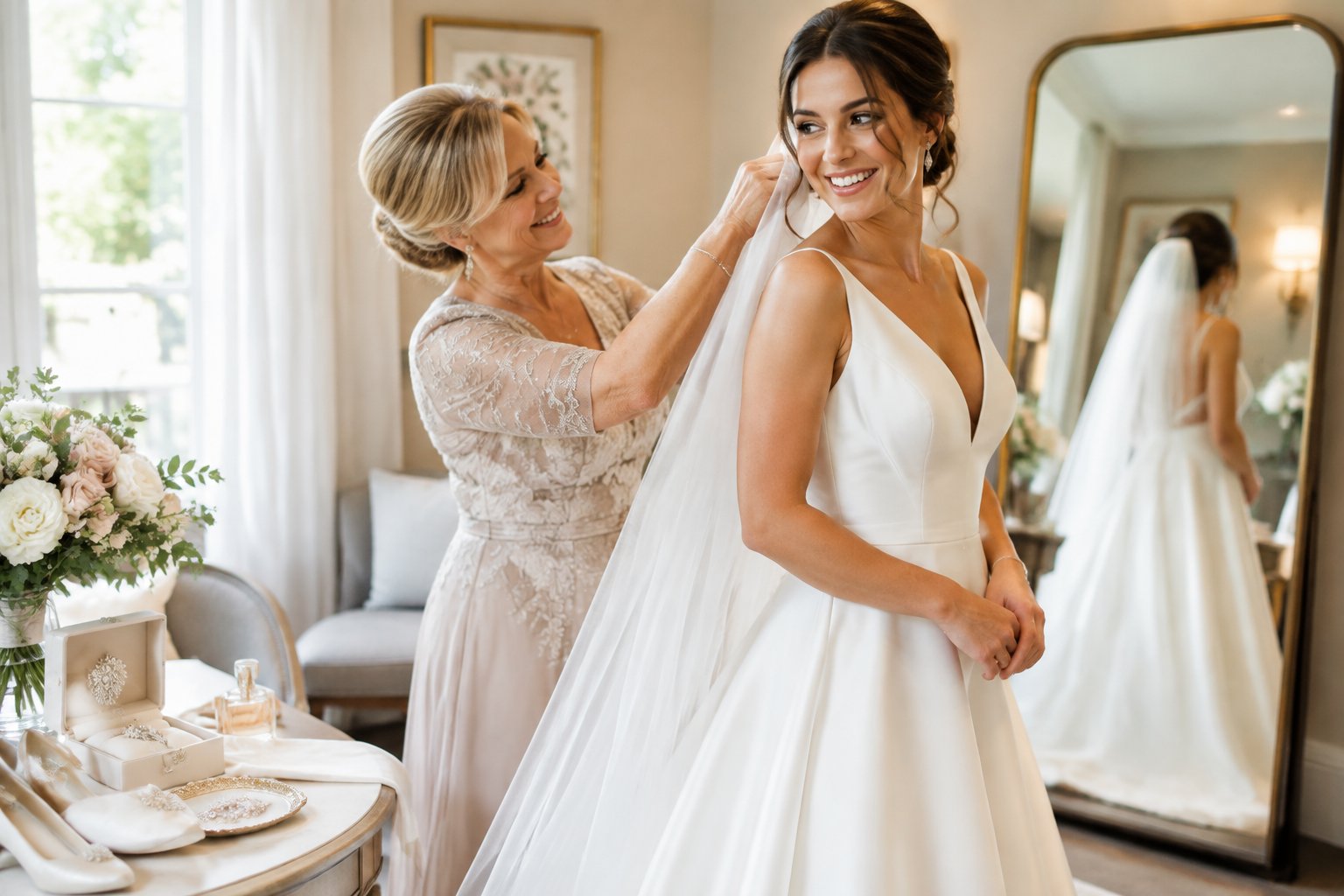
What Is Her Role in Wedding Dress Shopping?
Your mother can join a dress-shopping appointment when you want her there. She can help schedule visits to bridal salons, keep track of styles, and offer honest feedback about comfort and fit.
Before shopping, tell her what kind of feedback helps you. You might want comments about fabric, movement, or alterations, while another bride might want quiet support during the appointment.
Trunk shows and salon visits can feel busy, so agree on the guest list for each appointment. Your mother’s role is to help you feel confident in your wedding dress.
How Should Mother-of-the-Bride Attire Coordinate?
Her outfit should coordinate with the wedding theme, formality, season, and color palette. She does not need to match the bridal party. A related color, fabric, or level of formality creates a connected look.
Share the wedding attire guidelines with the mother of the groom so both mothers can choose outfits that feel comfortable and balanced. They can coordinate colors or silhouettes without wearing identical clothing.
Encourage your mother to select an outfit she can move, sit, and celebrate in. Comfortable shoes and a secure hairstyle help her stay present throughout the day.
Can Family Heirlooms Be Included?
Family heirlooms can add meaning through jewelry, a veil, a handkerchief, a hair accessory, or a small fabric detail. Your mother can help locate an item, explain its history, and arrange professional cleaning or repairs.
Decide where and how you want to use it before the wedding day. Keep a backup plan if the item is fragile, valuable, or difficult to attach securely.
You can also include a family detail in a private way, such as carrying it in a bouquet wrap or placing it in a getting-ready room.
What She Can Do on the Wedding Day
On the wedding day, the mother of the bride can offer emotional support, help the bride get ready, welcome guests, and handle small issues through the wedding planner or designated contact.
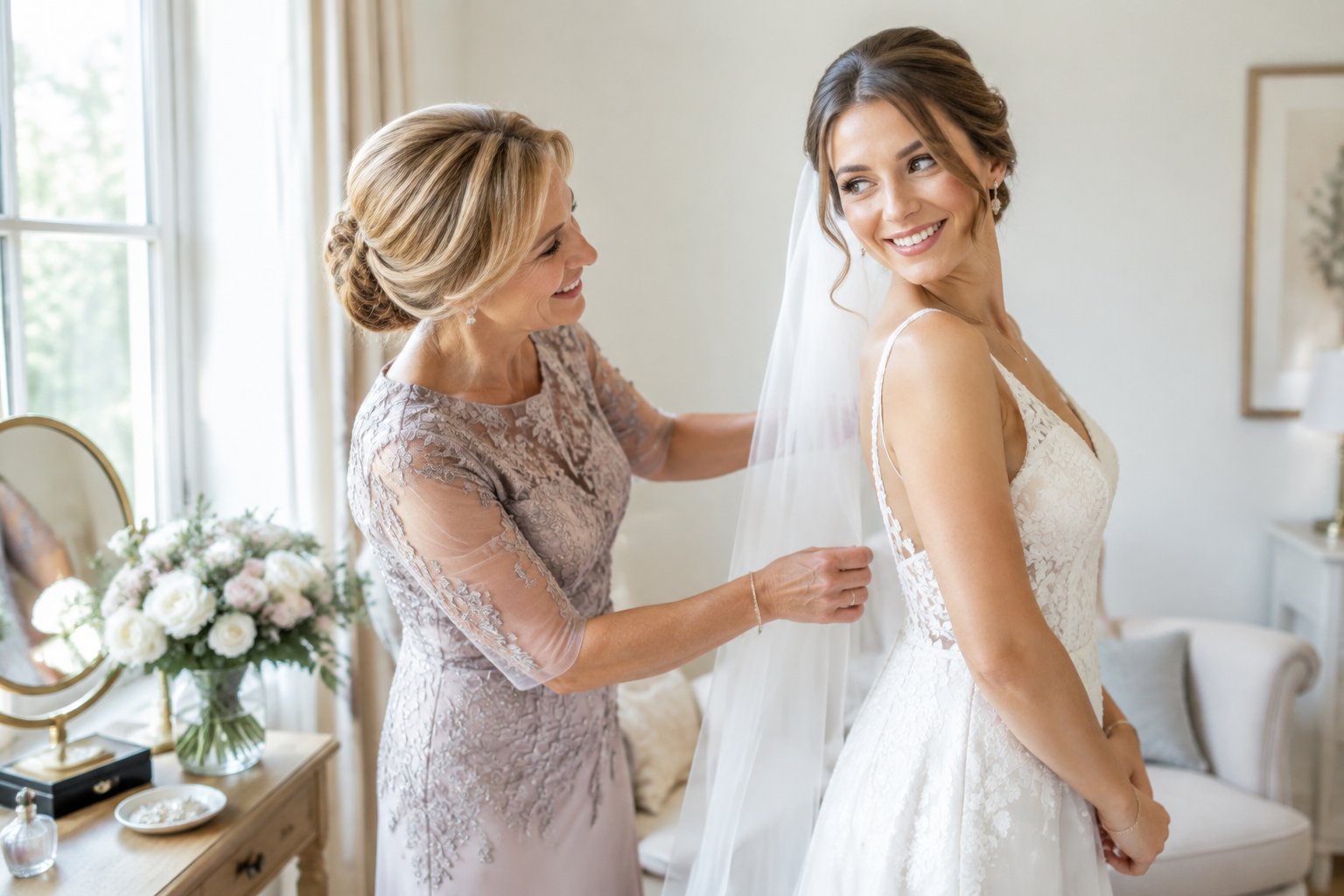
Supporting the Bride While She Gets Ready
Your mother can help with the wedding dress, veil, jewelry, shoes, or a last-minute button. She can also bring water, keep the room calm, and offer reassurance when emotions rise.
Tell her what you need that morning. You might prefer quiet time, a private moment together, or practical help with clothing and accessories.
Your bridal party and wedding planner can handle other tasks so your mother can focus on you. Ask your photographer to capture this time if those memories matter to you. A short private moment can be more comfortable than a crowded preparation room.
How Is She Included in the Ceremony?
Your mother may sit in a place of honor, take part in a reading, or walk you down the aisle. The ceremony program and family customs can guide the choice.
In many ceremonies, she is seated near the front before the processional. Your officiant, coordinator, or wedding planner can explain the timing and escort plan.
Discuss the arrangement with every person involved. This prevents confusion at the entrance and gives each family member a clear place.
Welcoming Guests and Handling Small Problems
Your mother can greet guests during arrival, visit with relatives during cocktail hour, and help people find the ceremony or reception space. A receiving line works when you want a formal greeting, while casual table visits suit a relaxed celebration.
Give urgent questions to the wedding planner or day-of coordinator whenever possible. Your mother can report a missing item, help locate a relative, or handle a small family concern without pulling you away from the celebration.
A small emergency kit, phone charger, comfortable shoes, and the key contact list can help her respond quickly.
When Might She Walk the Bride Down the Aisle?
Your mother might walk you down the aisle when you want to honor her, when your father cannot participate, or when your family’s ceremony tradition includes both parents. You can also choose to walk alone, walk with another loved one, or enter as a couple.
There is no required arrangement for every wedding. Talk with your officiant about the processional order, aisle timing, and seating plan before the rehearsal.
Her Reception Role and Family Etiquette
At the reception, the mother of the bride can welcome guests, join meaningful traditions, and coordinate with the groom’s family while enjoying the celebration herself.
Does She Need to Give a Wedding Toast?
Your mother does not need to give a wedding toast. A toast works well when she enjoys speaking and you want her to share a short, personal message.
If she accepts, give her a time limit and explain the tone you want. She can thank guests, welcome the new family, share a brief memory, and offer good wishes to the couple.
A private note or a few words during the getting-ready period can be just as meaningful if public speaking feels uncomfortable. For more ideas, see this guide to whether the mother of the bride says anything at the wedding.
How Can She Help Guests Feel Welcome?
Your mother can greet guests at the reception, introduce relatives who have not met, and check that older guests or out-of-town visitors know where to go. She can also take part in a receiving line if you include one.
She should direct schedule questions to the wedding planner and spend time enjoying the party. A warm welcome does not require her to monitor every detail.
Give her a short list of people to greet if the guest list is large. This makes the responsibility manageable and personal.
What About Dances and Other Family Traditions?
Your mother can join a father-daughter dance by helping organize it, cheering from the floor, or sharing a dance with you if you choose. Some couples include a mother-daughter dance, a dance with both parents, or a family dance.
She can also participate in cultural rituals, readings, cake traditions, or special photographs. Confirm the order with the DJ, band, photographer, and planner so the moment fits the reception schedule.
Coordinating Gracefully With the Groom’s Family
The mother of the bride and mother of the groom can coordinate greetings, family photos, pre-wedding events, and attire colors. A brief conversation or shared planning note can prevent duplicate plans.
Give each person a clear responsibility when both families are helping. Your wedding planner can serve as the main contact for schedule changes, vendor questions, and reception logistics.
Ask both mothers to respect the couple’s guest list, budget, ceremony choices, and privacy. Shared enthusiasm feels welcoming when everyone follows the same plan.