
Does the Mother of the Bride Pay for the Wedding? Understanding Traditional Responsibilities
Planning a wedding is a special time filled with joy and excitement. You may wonder about the financial responsibilities that come with this important occasion, particularly regarding the role of the mother of the bride. Traditionally, the mother of the bride has often been expected to cover many wedding expenses, but this has changed over the years.

As couples take a more modern approach to wedding planning, responsibilities are frequently shared among both families. This means that while the mother of the bride might help with some of the costs, the couple and their families often split the bills more equitably. Understanding these changes can help you navigate your own wedding planning with ease and confidence.
With love in the air and engagement celebrations underway, it’s essential to clarify who pays for what, so everyone can enjoy the journey leading up to the big day.
Whether you embrace traditional roles or prefer a more contemporary arrangement, knowing the expectations can help create a smooth and joyful experience for everyone involved.
Understanding Wedding Expenses

When planning a wedding, it’s important to know who typically covers costs and how responsibilities are divided between families. This section explores financial roles and the shift in customs around wedding expenses.
Roles in Financial Contributions
Traditionally, the bride’s family has taken on most of the wedding costs. This includes major expenses like the venue, catering, and decorations.
Some common contributions from the bride’s family may include:
- Ceremony costs: Venue rental and officiant fees
- Reception costs: Food, drinks, and entertainment
- Attire: The bride’s dress, accessories, and often the bridesmaids’ outfits
The groom’s family usually covers other expenses, such as the rehearsal dinner and sometimes the bride’s engagement ring. It’s worth noting that these roles can vary greatly.
Traditional vs. Modern Practices
While traditional roles are still observed, modern weddings often see shared costs. Many couples today mix responsibilities depending on their unique situations.
Here’s how it often breaks down:
- Couples covering costs: Many couples choose to handle their own expenses, combining funds from both families.
- Joint contributions: Families may agree to share wedding costs more evenly, regardless of tradition.
The financial contributions vary by family. Your wedding budget can significantly impact decisions whether you choose to stick with traditions or adapt to what feels right for you.
Mother of the Bride Duties
As the mother of the bride, your role is essential in both planning and supporting your daughter throughout the wedding process. From pre-wedding preparations to being there on the big day, your involvement makes a meaningful impact.
Pre-Wedding Preparations
In the months leading up to the wedding, you will have several important tasks. One key duty is to assist with wedding dress shopping. This moment can be special for both you and your daughter, so make sure to offer your thoughts while also valuing her choices.
You may also help plan the engagement party and rehearsal dinner. These events allow family and friends to connect before the big day.
Working with the wedding planner can ease some of the stress. You can help with researching venues, selecting vendors, and creating a guest list.
Your role is not limited to logistics. Providing emotional support is crucial during this exciting but sometimes stressful time. Encourage your daughter and be ready to listen when she needs to talk.
Support on the Wedding Day
On the wedding day, your support is vital in many ways. Start by ensuring the schedule runs smoothly. Help your daughter get ready, and offer calming words if nerves kick in. Your presence can make her feel more relaxed.
During the ceremony, you may have specific duties like walking your daughter down the aisle or participating in special moments, like a mother-daughter dance. These memories will be cherished forever.
At the reception, stay involved by mingling with guests and making everyone feel welcome. Your role is to enjoy the moment and support your daughter through every step of the celebration. Your love and organized efforts make the day even more special.
Special Considerations for the Mother of the Bride

As the mother of the bride, you have some key responsibilities during the wedding planning. Your outfit selection and hosting bridal events are two areas where your involvement can shine and support the bride.
Outfit Selection and Accessories
Choosing the right outfit is essential for you. Start by consulting with the bride about her vision for the wedding attire. You want to complement her dress without overshadowing it.
Consider the wedding style, whether it’s formal or casual. Your dress should reflect this style.
Don’t forget about the accessories. A matching veil or elegant jewelry can enhance your look. Choose comfortable shoes since you’ll be standing and walking a lot during the event.
Remember to factor in the season and location of the wedding when selecting your attire. This ensures you’ll feel comfortable and confident throughout the day.
Hosting Bridal Events
Hosting key bridal events is an important part of your role. Start with the bridal shower, where you can gather family and friends to celebrate the bride.
Plan the theme, venue, and decorations that match the bride’s preferences. You might also handle the registry process, making sure guests know where to shop for gifts. Clear communication helps everyone feel included.
Be prepared for traditions such as making toasts or offering advice. Your words can create lasting memories. Remember, your support and enthusiasm will set a positive tone for all the celebrations leading up to the big day!
The Wedding Celebration
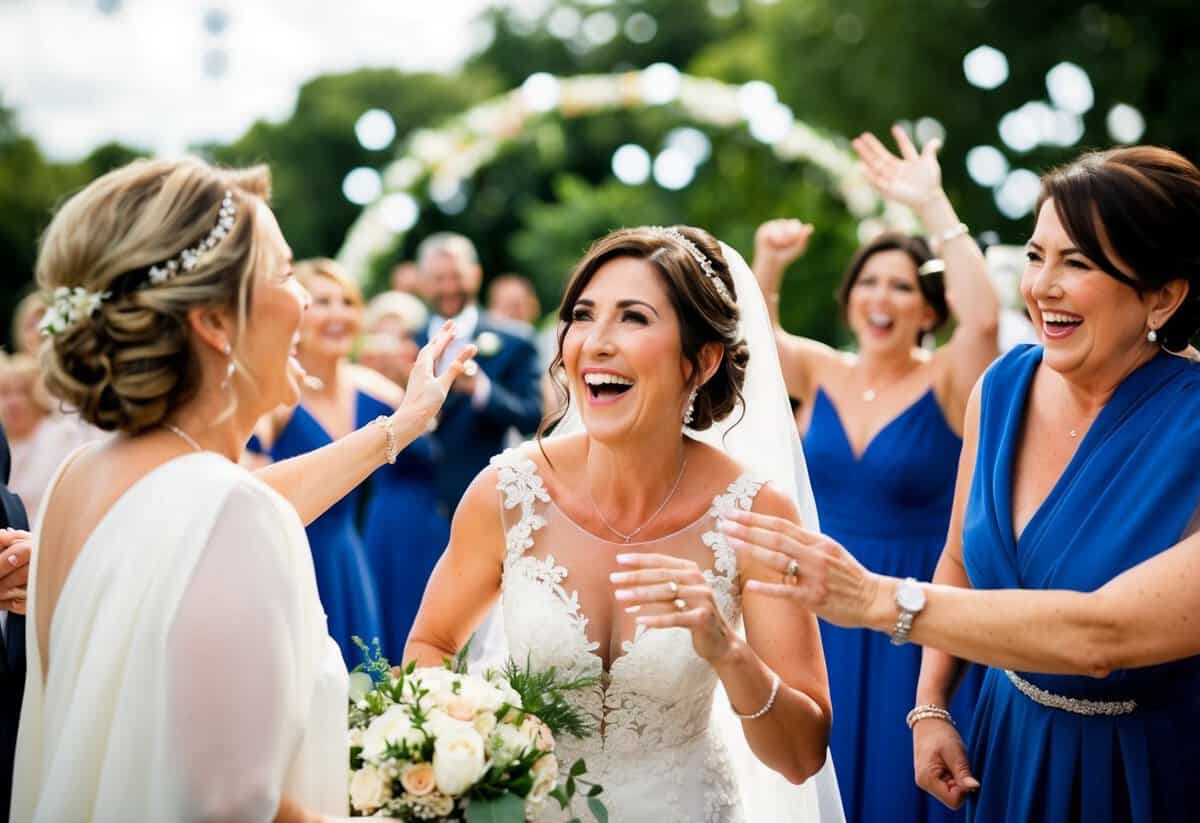
Your wedding celebration includes many special moments that bring your loved ones together. Key elements include the ceremony, reception, and various traditions that enhance the day. Understanding these components can help you plan for a memorable occasion.
Ceremony and Reception Details
During the wedding day, the ceremony is the heart of the celebration. This is where you exchange vows and rings.
Including a ceremony program can guide guests through the important moments. Make sure to choose a venue that reflects your style, whether it’s a grand hall or a cozy garden.
After the ceremony, the reception often features food, drinks, and dancing. A well-planned seating chart ensures everyone is comfortable and engaged.
The dance floor is a central spot for fun and celebration, allowing guests to join in the festivities. Don’t forget the decor, which can enhance the venue’s atmosphere and highlight your unique wedding traditions.