
Does the Mother of the Bride Sit on the Aisle? Understanding Traditional Wedding Seating Arrangements
As you plan your wedding, you might wonder about the seating arrangements, especially for the mother of the bride. Traditionally, the mother of the bride does not sit directly on the aisle but usually takes a prominent seat in the front row on the left side. This spot allows her to have a good view of the ceremony while still respecting the flow of the event.
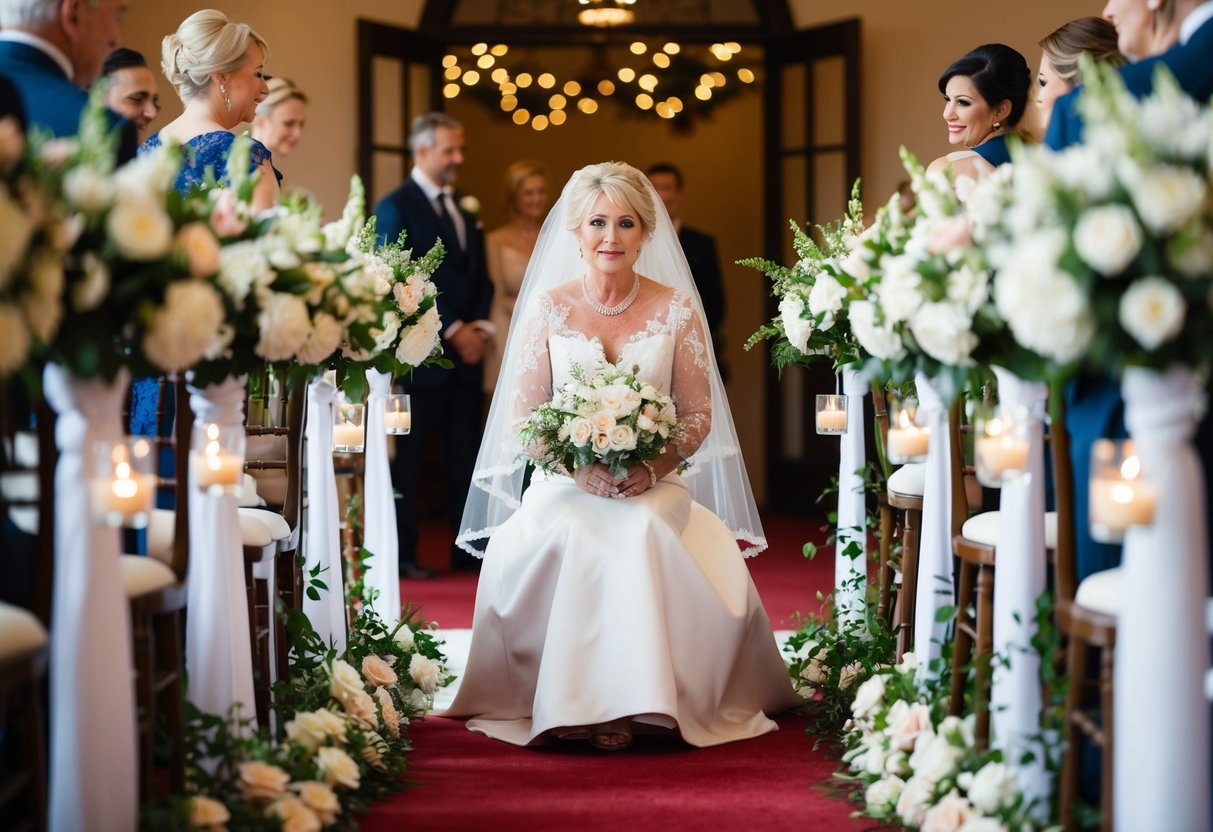
Considering family dynamics and personal preferences can influence this decision. Some brides choose to honor their mothers by allowing them a special seat on the aisle, making it a heartfelt moment. Remember, it’s your wedding day, and creating a seating arrangement that feels right for your family is essential.
Each wedding ceremony can be unique, and often, traditions can be adapted to suit your style. Discuss with your family and ensure everyone feels comfortable and valued as you make this important choice.
The Role of the Mother of the Bride
The mother of the bride plays a vital part in the wedding. Her role includes both emotional support and practical duties that help make the day special for everyone involved. Understanding her responsibilities can help ease any tension during wedding planning.
Significance in the Wedding Ceremony
The mother of the bride has a significant presence during the wedding ceremony. Traditionally, she walks down the aisle last before the bride, signaling the start of the ceremony. Her entrance helps set the tone for the event and reminds guests of the importance of the moment.
During the ceremony, her role may include sitting in a prominent spot, usually on the bride’s side of the aisle. This location allows her to be close during the vows and is a way for your family to show support. This highlight of her participation is a cherished memory that strengthens family bonds during a special occasion.
Duties Leading Up to the Wedding
In the lead-up to the wedding, the mother of the bride has many duties to manage. One key responsibility includes helping with wedding planning. This can involve selecting vendors, organizing guest lists, and coordinating with other family members.
She often assists with important details, such as helping the bride choose her dress or plan the bridal shower. Her experience and support can be invaluable during this busy time. There are also emotional aspects to her role, as she provides a listening ear and encouragement when needed.
By taking an active part in the planning, she ensures the day reflects your family’s values and traditions. This involvement makes the wedding feel more personal and meaningful for everyone.
Wedding Processional Basics
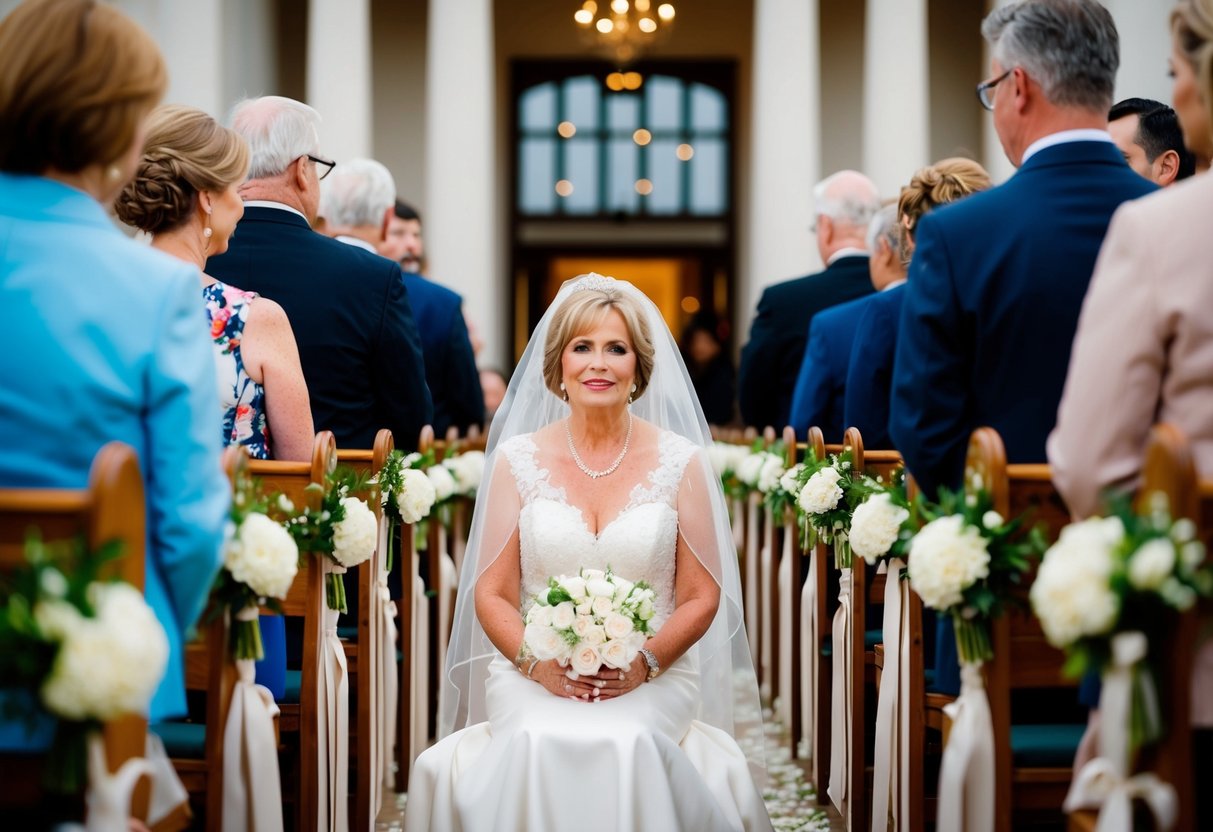
Understanding the wedding processional helps you picture how the ceremony unfolds. It involves the order of participants walking down the aisle and how everyone is seated, including the mother of the bride.
Typical Processional Order
The wedding processional usually starts with family members. First, the grandparents walk down the aisle. Next, the groom’s parents follow. They often sit to one side, symbolizing their support for the groom.
Then, the mother of the bride makes her entrance. She can walk alone or be escorted by a family member. After her, the wedding party enters.
Typically, the bridesmaids walk down the aisle first, followed by the groomsmen. The best man is near the end of the group. Finally, the flower girl and ring bearer precede the bride.
The bride is usually the last to walk down the aisle, creating a memorable moment for everyone present.
Understanding the Seating Arrangement
Seating is an important part of the ceremony. The groom’s parents often sit in the front row on the left, while the bride’s parents sit on the right. This represents the joining of two families.
The mother of the bride typically has her own special seat. She sits near the front, ensuring she has an excellent view of her daughter. It is also common for the officiant to be positioned at the altar, ready to begin the ceremony.
Guests are generally escorted to their seats by ushers. This helps keep everything organized and allows everyone to settle in before the ceremony starts. With a clear processional and seating arrangement, your ceremony will flow smoothly.
Cultural and Religious Considerations
When planning a wedding, cultural and religious traditions can significantly shape how the ceremony unfolds. Understanding these customs helps you honor both sides of the family and creates a meaningful event.
Variations in Christian Weddings
In many Christian weddings, the mother of the bride traditionally sits on the left side of the aisle. This placement allows her to be close to her daughter and provides her a prominent view of the ceremony.
Typically, the groom’s parents sit on the right side, reflecting their supportive role in the marriage. If there’s a blended family, you might need to consider where everyone feels comfortable. It’s important to discuss seating arrangements with your families ahead of time to ensure everyone feels included.
Following the seating of parents, the wedding party enters, adding to the emotional build-up of the ceremony.
Jewish Wedding Processional Traditions
In a Jewish wedding, the processional often includes both sets of parents walking down the aisle. The parents may accompany the bride and groom as they approach the chuppah, which is a canopy symbolizing their new home together.
Traditionally, the groom’s parents may enter the chuppah first, followed by the bride’s parents. They are honored with this usage of space, creating a sense of unity.
Families blend their customs, so it’s good to discuss with relatives if you come from different backgrounds. This way, you can respect and celebrate both traditions through the ceremony.
Hindu Wedding Customs
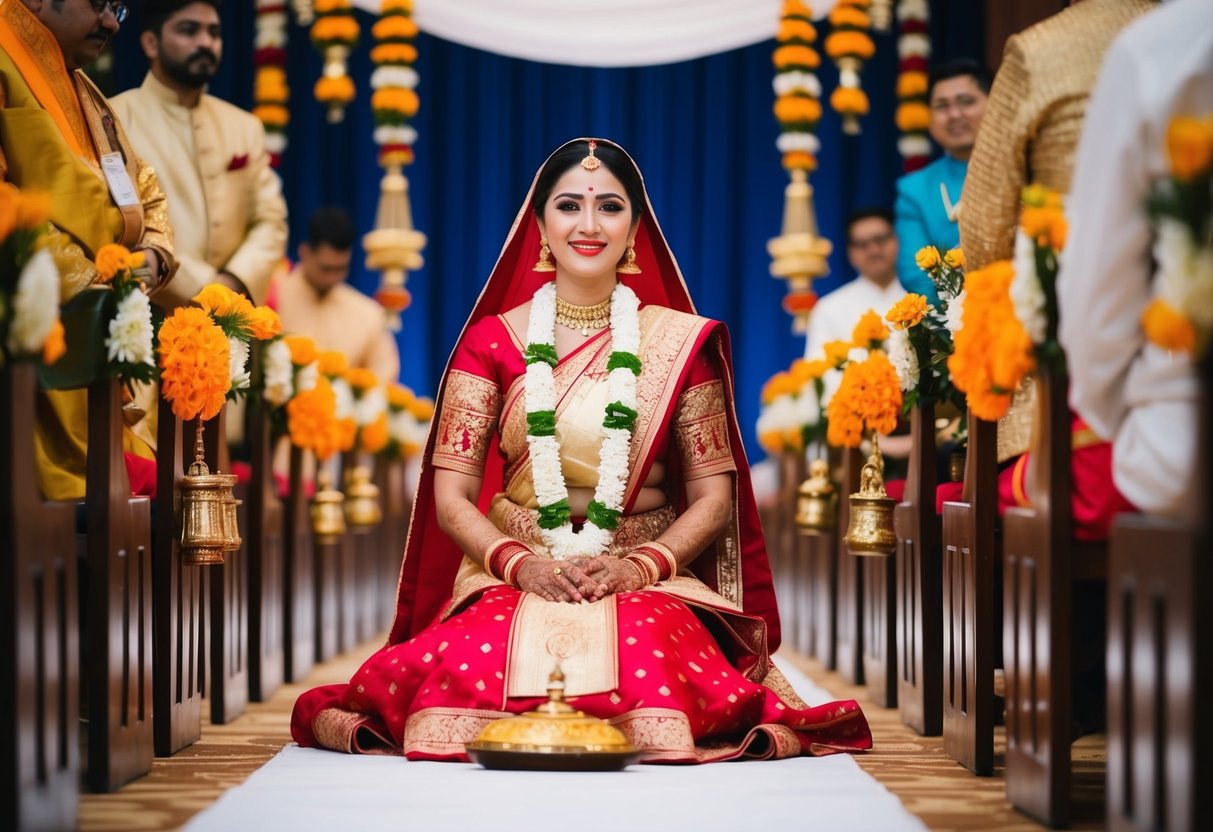
In Hindu weddings, the customs can vary significantly based on regional traditions. However, commonly, both sets of parents play a central role in the ceremony.
During the procession known as the baraat, the groom’s family celebrates by escorting him to the mandap. Here, the mother of the bride often sits near the front to witness the vows.
Seating near the mandap signifies her support and involvement in the matrimonial union. As a couple, you should honor both families’ wishes when deciding on the seating arrangements to embrace the rich traditions they bring into the celebration.
Special Circumstances and Modern Adaptations
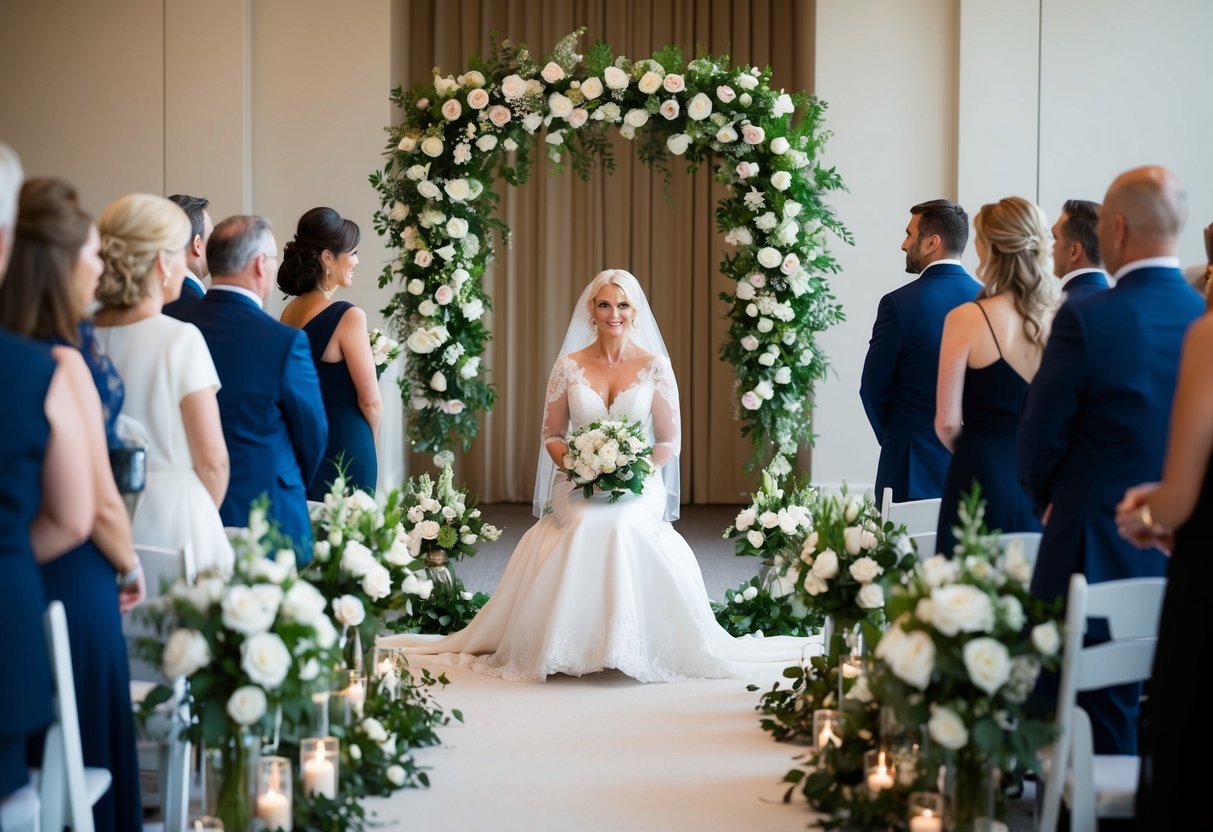
Weddings today often reflect the unique dynamics of each couple’s family situation. This can include factors like divorced parents and modern arrangements that differ from traditional customs. Understanding how to manage these elements can make the day more enjoyable for everyone involved.
Navigating Family Dynamics
When it comes to seating, managing divorced parents can be tricky. You might want to have a discussion with each parent beforehand. Setting clear expectations helps prevent awkward moments during the ceremony.
Consider seating them on opposite sides of the aisle to avoid discomfort. You can also include a close male relative, like a brother or son, to escort your mother. This approach shows support and love while maintaining independence and strength in the family structure.
Contemporary Wedding Arrangements
Modern weddings offer flexibility in seating arrangements. You may choose to have both parents walk you down the aisle together. This can be a meaningful way to show unity despite differences.
Some couples opt for a family member, like a brother or close relative, to sit beside the mother instead. This arrangement respects family dynamics while making sure she feels supported.
It’s also common to create seating charts that reflect your preferences. You want everyone to feel comfortable and included. This thoughtful consideration makes your wedding day even more special.