
Does the Mother of the Bride Walk by Herself? Exploring Traditional Wedding Roles
As you plan a wedding, you might wonder about the role of the mother of the bride during the ceremony. The mother of the bride can choose to walk down the aisle by herself or with someone, depending on her personal preferences. This choice can reflect her personality and the relationship dynamics within your family.
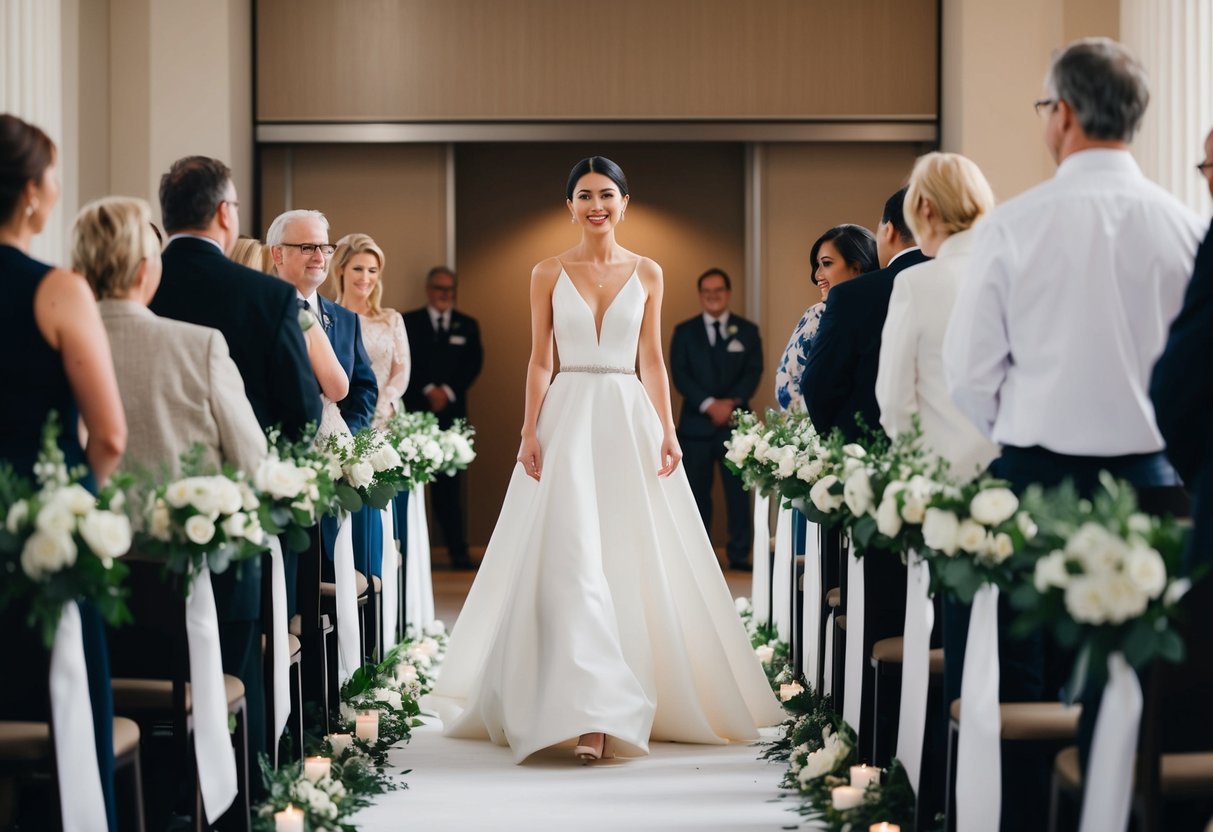
Many mothers find joy in walking alone, showcasing their independence and strength. Others may prefer to walk with a partner or family member for support, especially in cases of divorced parents or blended families. Ultimately, it’s important to have open discussions with the mother of the bride to understand what feels right for her on this special day.
Walking Down the Aisle: Traditions and Variations
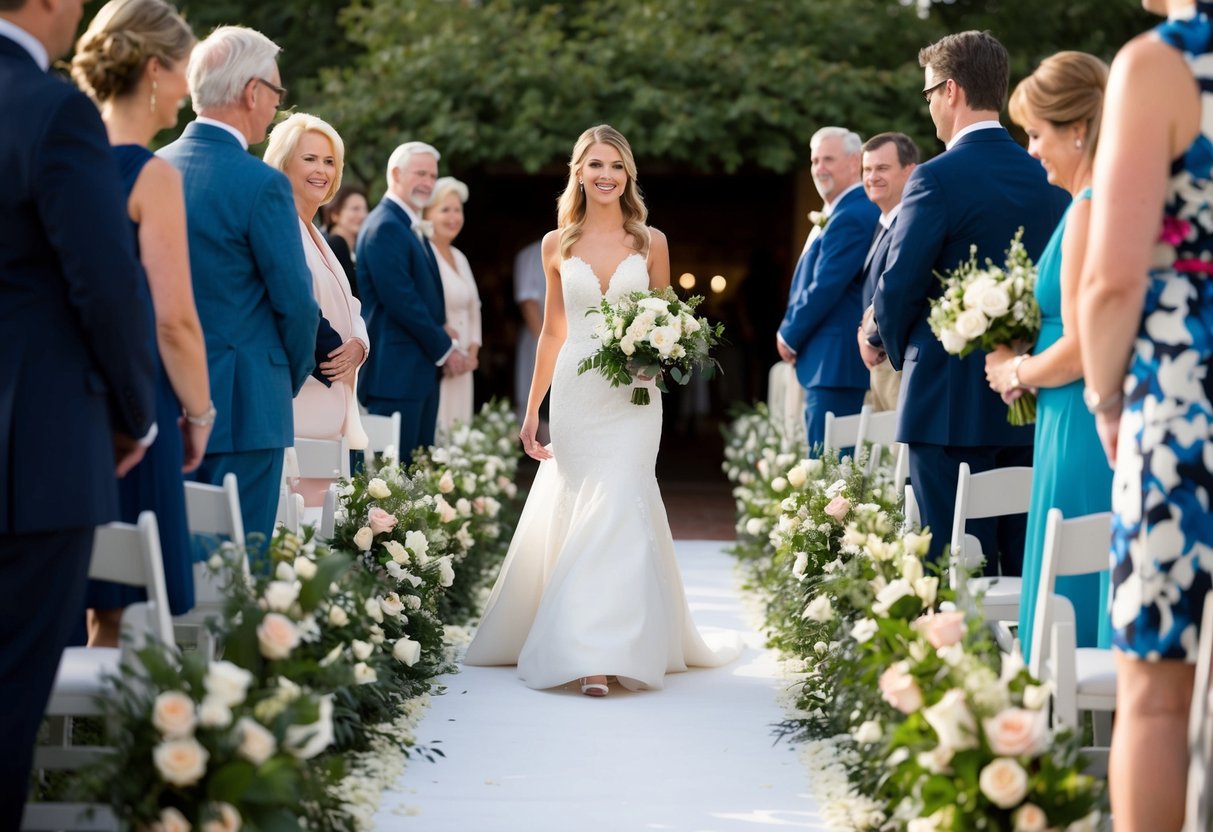
When it comes to weddings, the way you walk down the aisle can differ widely based on traditions and cultures. Each choice can hold deep significance and create lasting memories for everyone involved.
Processional Order in Different Cultures
In a Christian wedding, the mother of the bride often walks down the aisle ahead of the bride. She may walk alone or be escorted by a son or brother. In a Jewish wedding, traditions usually have the parents escorting the bride and groom together, highlighting family unity. If you’re considering a Hindu wedding, both sets of parents might participate together in the processional, sometimes performing rituals along the way. Each cultural background brings unique elements, so think about what resonates most with your family’s traditions.
Role of the Mother of the Bride
The mother of the bride plays a significant role in the wedding. In many settings, she is a vital part of the processional. Walking alone or with a close family member, she sets a meaningful tone for the ceremony. In modern weddings, some brides choose to have their mothers walk them down the aisle instead of their fathers. This shift reflects changing customs and closer family bonds. Regardless of the choice, her presence is often seen as a symbol of support and love.
Modern Twists on Walking Down the Aisle
In recent years, many couples have adapted traditional roles in fun and creative ways. You might see the mother of the bride participating in the entrance with both parents or even walking independently. Another trend includes inviting friends or special relatives to escort her down the aisle, reflecting a more inclusive atmosphere. Discussing your ideas with your family ahead of time can help everyone feel involved and excited about the big day. Embracing your own style can make the moment even more special.
Who Escorts the Mother of the Bride?
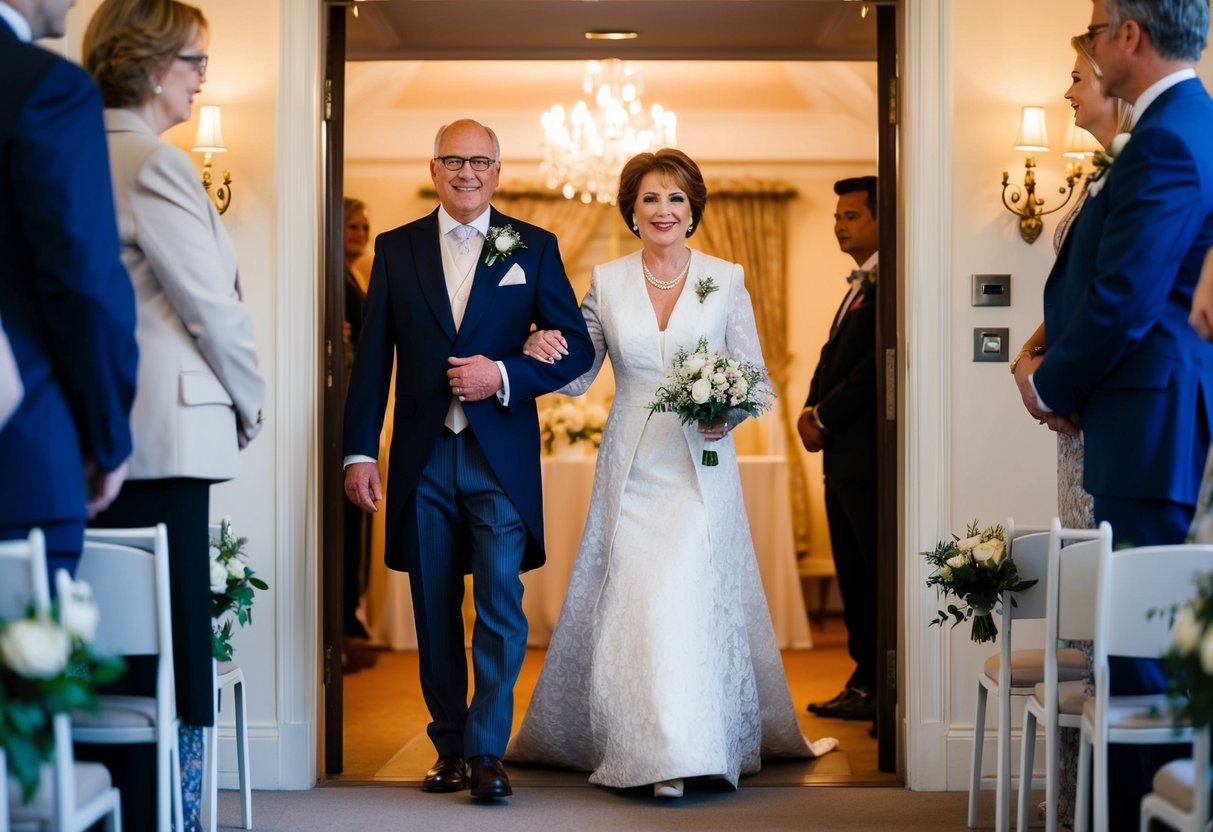
Deciding who will escort the mother of the bride can be an important part of the wedding planning process. This choice reflects family dynamics and personal preferences, making it a meaningful decision. Here are some key aspects to consider when choosing an escort.
Wedding Party Members’ Roles
Traditionally, the mother of the bride is escorted by a close male relative. This might be her son, brother, or even a groomsman. If you have sons, having them walk you down the aisle can add a special touch. They might guide you with pride, making the moment even more heartfelt.
If family members are unavailable, a groomsman can serve as an escort. This choice maintains the connection to the wedding party and shows support. Other close family members, such as uncles or grandsons, can also step in, ensuring you feel loved as you enter the ceremony.
Considering Family Dynamics
Family dynamics play a big role in determining who walks you down the aisle. If your spouse or partner is divorced, it’s important to think about what would make everyone comfortable. You might prefer to walk alone, showcasing your independence, or you may want to include your partner for support.
If you have a stepmother or blended family, it’s vital to consider her feelings too. Open communication with family can help create a situation where everyone feels included and valued during this special moment.
Options for Non-Traditional Families
In non-traditional families, the options for escorting the mother of the bride can be diverse. If you have a close friend who feels like family, they could walk you down the aisle. This can highlight your unique bond and make the moment special.
You could also choose to walk alone as a symbol of independence. Alternatively, a beloved family member, like a grandson, can give you that extra support. Each choice significantly reflects your personality and family connections, so pick what feels right for you.
Significant Moments During the Ceremony
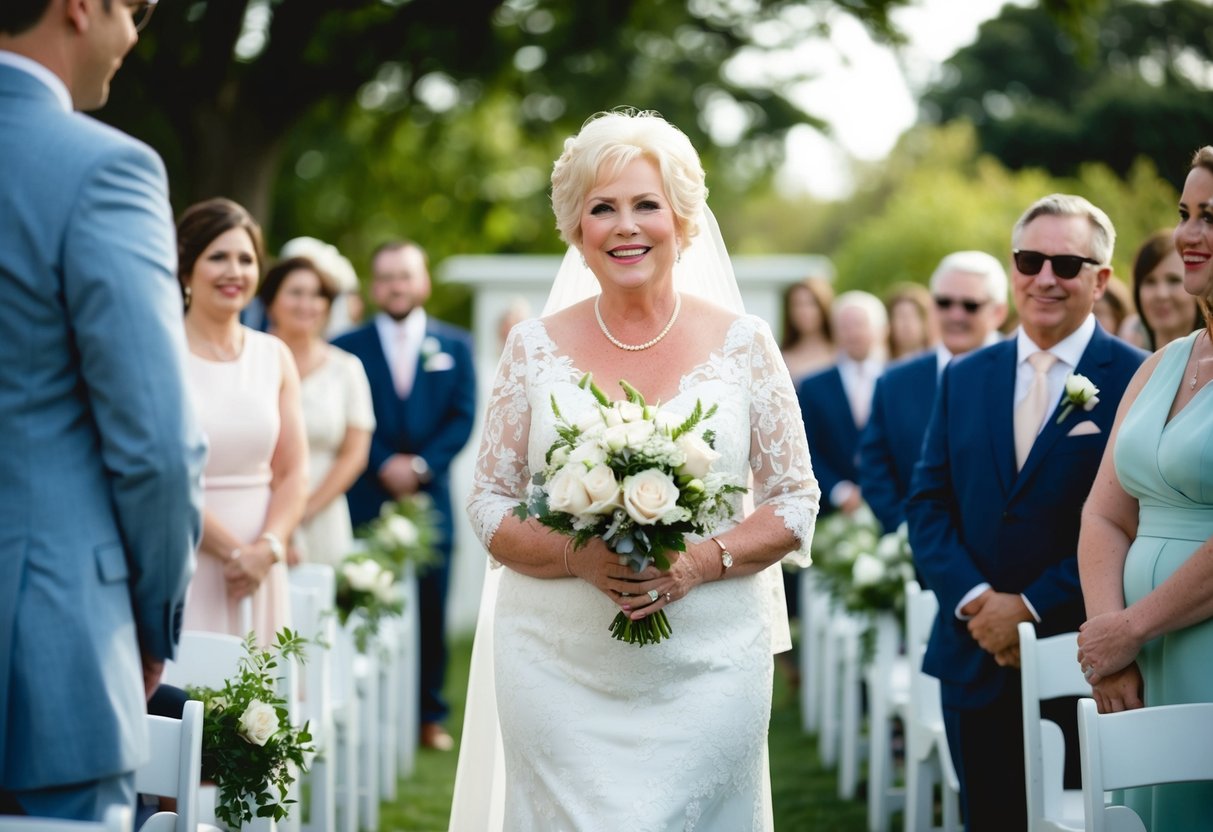
Weddings are filled with special moments that create lasting memories. Each role, from the father of the bride to the flower girl, contributes to the overall experience of the ceremony.
Memorable Moments for Family Members
As the ceremony begins, the processional is a key moment. You might notice the father of the bride walking her down the aisle. This symbolizes his support as she transitions into married life.
The flower girl adds charm. She often scatters petals. Meanwhile, the ring bearer carries the rings with utmost importance. This represents the couple’s commitment.
When the maid of honor and best man stand by the bride and groom, they offer emotional support and love.
Moments like these are not just about tradition. They also highlight family connections and deep feelings on this special day. Each role adds personal significance, making your ceremony uniquely memorable.