
Does the Mother of the Bride Walk Down Alone? Understanding This Special Moment
Every wedding has special traditions, and one of the most meaningful moments is when the mother of the bride walks down the aisle. In many cases, the mother of the bride walks alone, symbolizing her own strength and independence. This choice allows her to enjoy a personal moment on such an important day while still being involved in the ceremony.
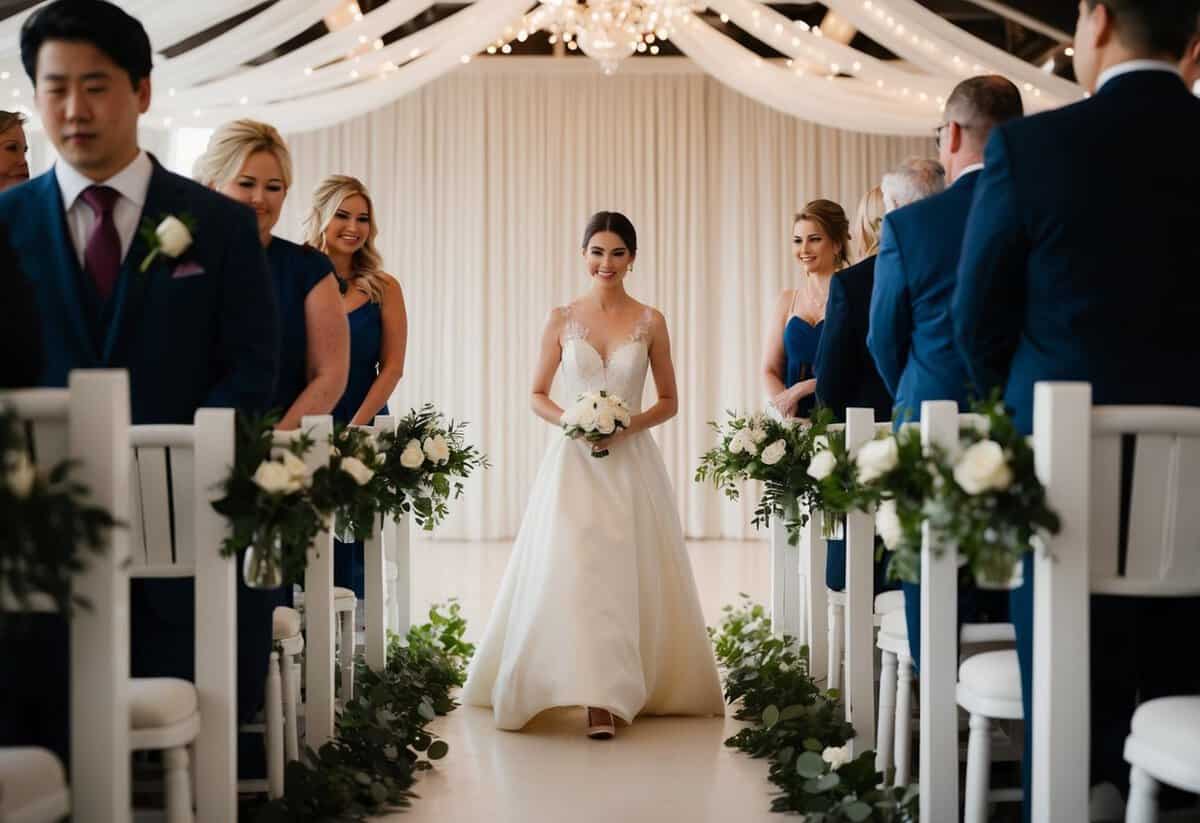
Some mothers prefer to be escorted by a close family member or friend, creating a unique and sentimental experience. Whether you decide for your mother to walk alone or have someone accompany her, this decision adds to the personal touch of your wedding ceremony. Embracing this choice means honoring both tradition and individual preference, making the day even more memorable.
Walking Down the Aisle: Traditions and Variations
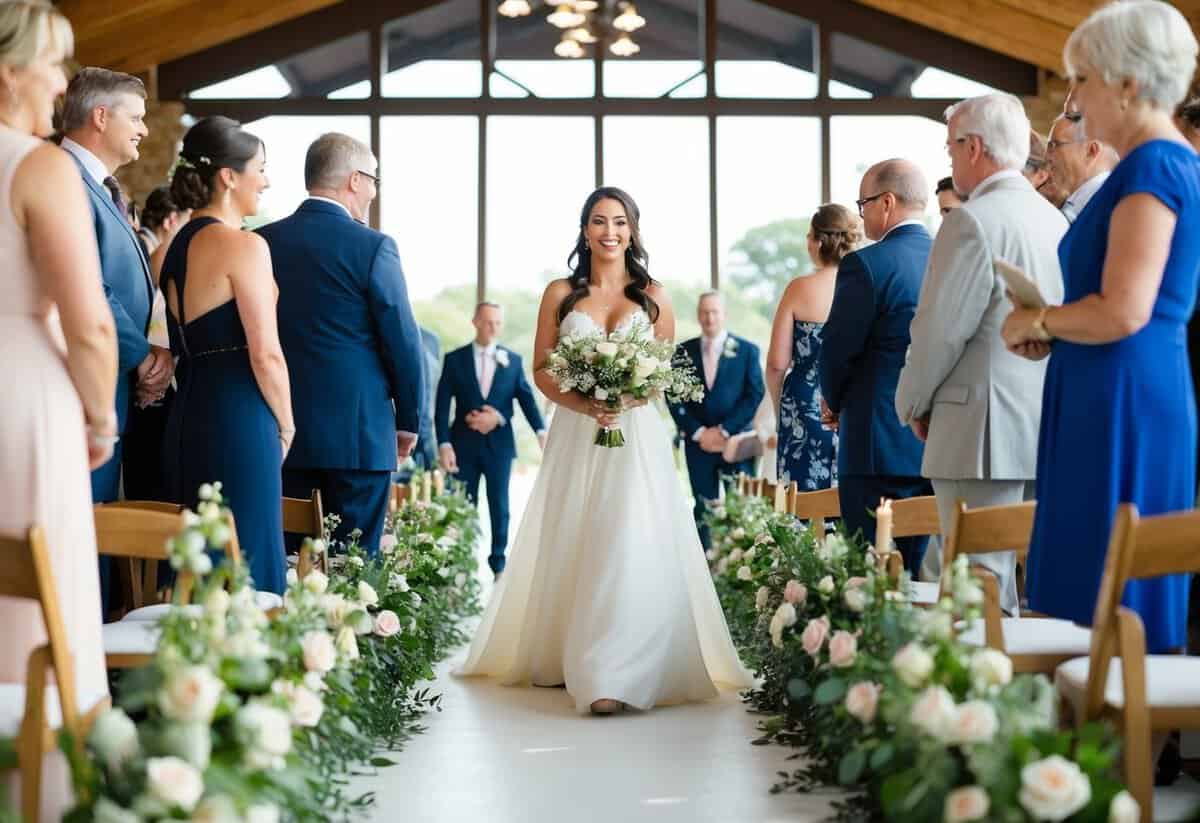
When it comes to walking down the aisle, different traditions and variations come into play. Understanding the historical context, typical order, and modern interpretations can help shape your special day.
Historical Significance and Evolution
The wedding processional historically symbolized uniting two families. In many cultures, the mother of the bride had a key role. She often walked with a close male family member, such as her father or a brother. In some cases, she might have walked alone, reflecting her independence.
Over time, traditions have evolved. For example, in Christian weddings, the mother of the bride often takes her seat after the bridal party has walked down the aisle. In traditional Jewish ceremonies, both parents accompany the bride and mother down the aisle. This change signifies growth in how families honor relationships today.
Typical Processional Orders
The processional order varies by culture and personal preference. In a typical Christian wedding, the groom and his family enter first, followed by the bridesmaids. The mother of the bride then walks down the aisle, usually with her husband, before taking her seat.
In many traditional Jewish weddings, the mother of the bride walks down the aisle first, followed by the bride accompanied by both parents. Hindu wedding processionals often see the bride entering with her maternal uncles and aunts. Consider which order suits your wedding style best.
Modern Interpretations of Aisle Etiquette
Modern weddings often embrace flexibility in processional etiquette. You might choose who walks you down the aisle or even adapt roles. It’s common for the mother of the bride to walk alone if that’s what she prefers.
Nondenominational ceremonies allow for creativity. This means you could involve both parents or have friends walk alongside you. Ultimately, the goal is to create a moment that feels right for everyone involved. Embrace the opportunity to make a personal statement as you walk down the aisle.
Role of the Mother of the Bride
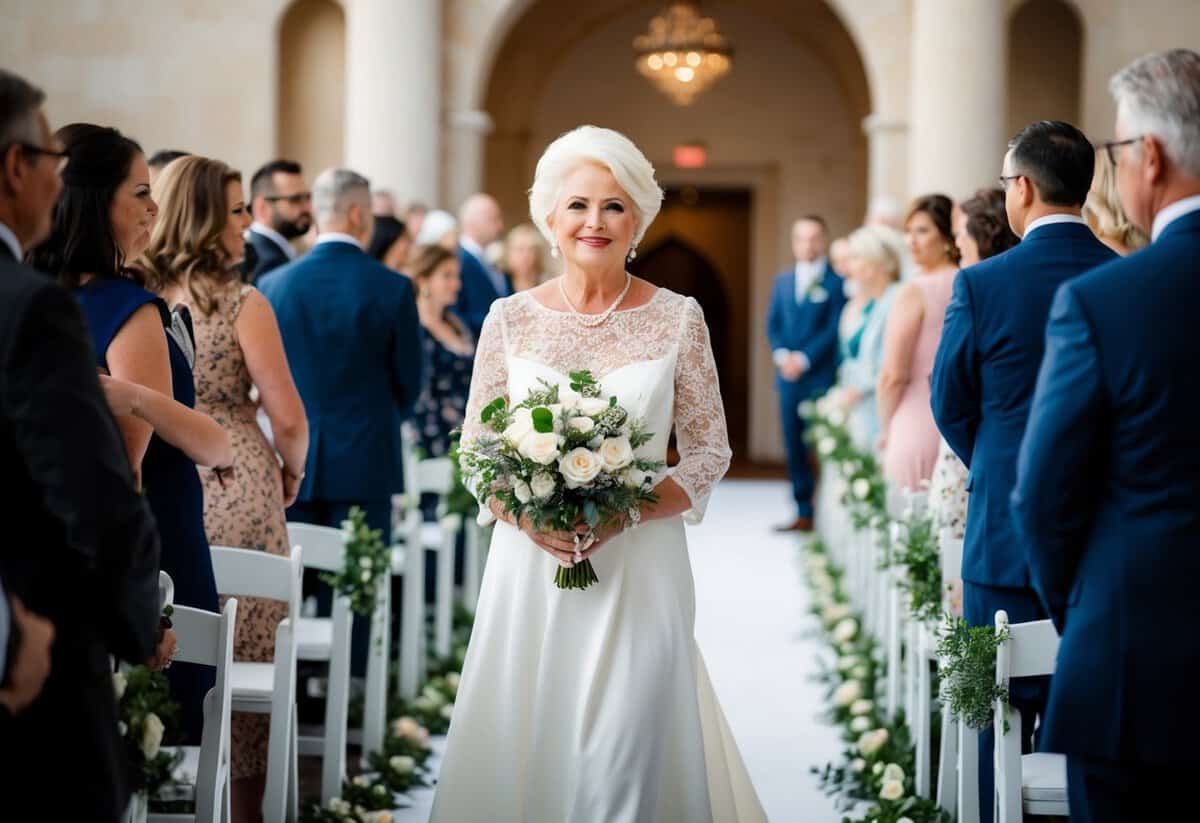
The mother of the bride plays a special role in the wedding, often marked by traditions and personal choices. This section explores various aspects of her involvement, from traditional escort roles to modern options that highlight independence.
Traditional Escort Roles
Traditionally, the father of the bride escorts his daughter down the aisle. This practice symbolizes giving the bride away and emphasizes the father-daughter bond. However, in many families, the mother of the bride can take on this role, showcasing the strength of their relationship.
For some brides, having both parents walk her down the aisle enhances the moment’s emotional significance. Whether it’s a father, mother, or both, these traditional escort roles celebrate family unity. In modern weddings, breaking from tradition is completely acceptable, making this moment personal and meaningful.
Options for Unaccompanied Walks
You may choose to walk down the aisle alone, and that is perfectly fine. Walking unaccompanied can be a powerful statement of independence and strength. Many brides decide to make a solo entrance to emphasize their journey and individuality.
This choice allows you to feel empowered as you make your way toward the altar. If you prefer a quiet moment of reflection, walking alone can enhance your emotional experience. It’s about what feels right for you and your unique wedding vision.
Independent Aisle Walks: Symbolism and Family Dynamics
An independent walk down the aisle symbolizes your personal journey. It illustrates that you are stepping into your future confidently. This choice can also reflect changes in family dynamics.
Whether you come from a blended family or have a close connection with other family members, walking alone can represent your strength. It might offer a moment to honor those who have influenced your life without traditional escort roles.
Walking independently allows you to take ownership of your special day. It celebrates your unique story and showcases your individuality.
Involvement of Stepfamilies and Close Relatives
Blended families can create unique dynamics in wedding roles. Stepfathers or close relatives, like a beloved aunt or grandparent, may take on the escorting role if that feels right for you. This flexibility fosters a sense of inclusion and respect for family bonds.
The mother of the groom might also play an essential role, especially if you choose to walk down the aisle alone. Having supportive family members involved adds another layer of emotional significance. These relationships enrich the ceremony and highlight the strong connections you have, creating lasting memories for everyone involved.
The Wedding Party’s Role in the Ceremony
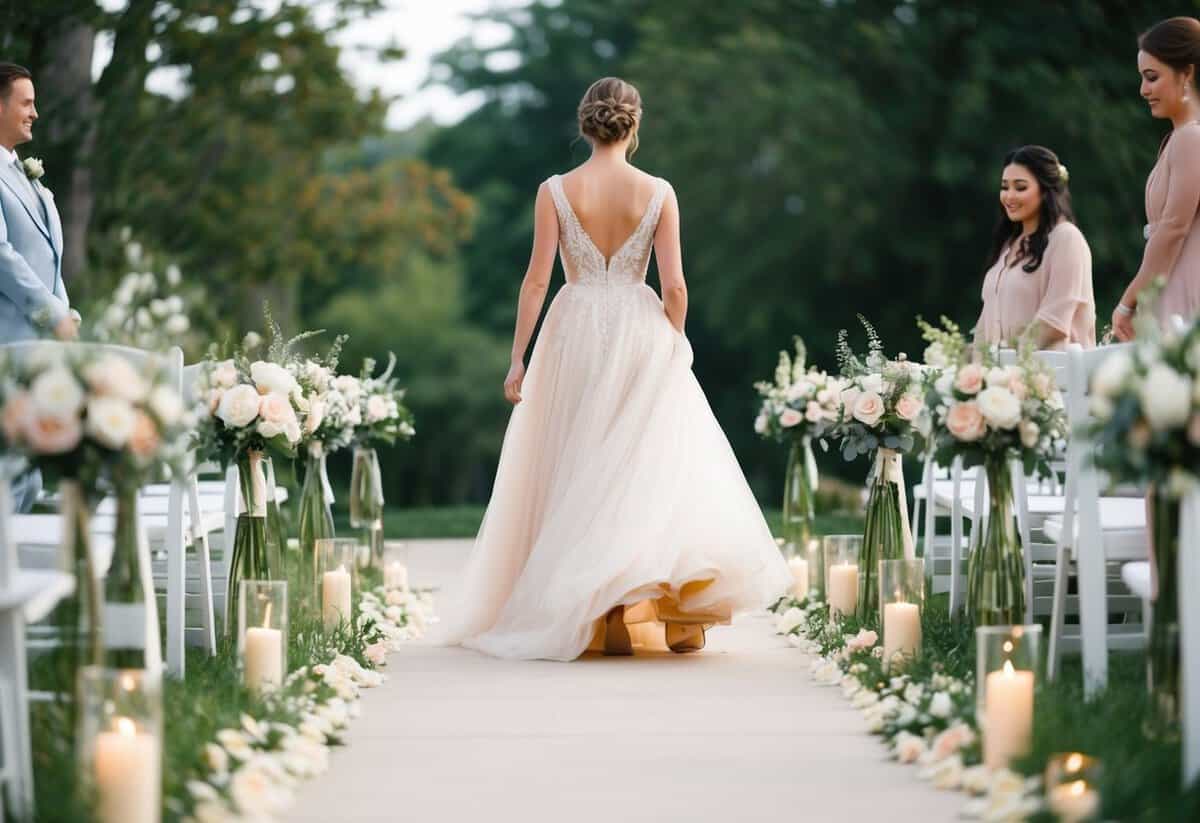
The wedding party plays an important part in the ceremony, setting the tone and supporting the couple. Each member has a specific role that adds meaning and structure to the event.
Best Man, Groomsmen, and the Groom’s Procession
The groomsmen and best man are key players in the groom’s procession. Traditionally, the best man stands right next to the groom during the ceremony. Groomsmen follow the best man as they make their way down the aisle, often escorting bridesmaids.
This procession typically occurs after guests have taken their seats. Besides looking sharp, the groomsmen are there to support the groom emotionally too. They help him stay calm and collected on this big day.
Including a ring bearer is another sweet touch. This young person carries the rings down the aisle, often drawing smiles from guests. The groom’s parents also walk down the aisle, usually taking seats on the front row to witness the special moment.
Bridal Party’s Entrance: Bridesmaids to Flower Girl
The bridal party’s entrance creates a memorable moment as the ceremony begins. Bridesmaids walk down the aisle before the bride, typically in a line. They usually wear matching dresses to symbolize their unity and support.
Each bridesmaid might pair up with a groomsman for the procession. The maid of honor, who is the bride’s closest friend or relative, is last to walk before the bride. Her role involves helping the bride throughout the ceremony.
The flower girl adds charm to the procession. She often scatters petals down the aisle, bringing a touch of innocence and joy. This moment captures the hearts of everyone attending.
Family Members’ Procession: Significance and Order
Family members hold special importance during the ceremony. The mother of the bride usually walks down the aisle ahead of the bridal party. This marks a treasured moment for both mother and daughter.
Groom’s parents also play a significant role. They typically walk down together, symbolizing support and family unity. Grandparents, if present, may be escorted down the aisle last. Including them emphasizes family ties and respect for the couple’s heritage.
Each family member’s walk is often guided by tradition, but you can adjust the order to best fit your ceremony’s style. This personalization can make the ceremony feel even more meaningful.
Cultural and Religious Perspectives
Different cultures and religions have unique traditions regarding how the mother of the bride walks down the aisle. These customs reflect deep-rooted beliefs and values that shape the wedding experience.
Christian Wedding Processionals
In Christian wedding processions, the mother of the bride often plays an essential role. Traditionally, she walks down the aisle before the bride, usually escorted by a family member like a son or brother. This acts as a special moment that honors her contributions.
It’s common to see the groom’s parents also participate in the processional. They may walk down the aisle together or separately, following the grandparents of the couple. Many Christian ceremonies emphasize the importance of family, making this procession a beautiful way to celebrate relationships.
Jewish Traditions in Wedding Processions
Jewish ceremonies have distinct customs that shape the wedding processional. The mother of the bride typically walks down the aisle before the bride, often accompanied by a family member. In some cases, both parents walk her down, signifying the family’s support.
According to Jewish tradition, the couple may also walk to the chuppah, creating a meaningful connection at the ceremony’s start. This tradition highlights community and family involvement in the wedding, making it a rich experience for everyone present.
Hindu Wedding Ceremonies: Baraat to Mandap
Hindu weddings are known for their vibrancy and rich rituals. The baraat, or groom’s procession, is a lively event where family and friends celebrate. While the mother of the bride may not walk down the aisle in the same fashion as in other cultures, she plays an important role.
Once the ceremony reaches the mandap, the bride is often escorted by her parents. This symbolizes family unity and support. The involvement of family members in Hindu weddings emphasizes the significance of relationships, making the event special.
Inclusive Approaches in Nondenominational Weddings
In nondenominational weddings, couples often have the freedom to create their own unique traditions.
The mother of the bride may choose to walk down the aisle alone or be escorted by a loved one, symbolizing her individual journey.
Many couples blend various cultural elements to make their wedding personal and meaningful. This flexibility allows families to honor traditions while showcasing their values.
Each decision reflects the couple’s story, making the day memorable for everyone involved.