
Does the Mother of the Groom Give Anything to the Bride? A Sweet Tradition Explained
Weddings are full of traditions, and the exchange of gifts is one of the sweetest. The question of whether the mother of the groom gives a gift to the bride often comes up. Traditionally, the mother of the groom gives a gift to the bride. This gesture is a warm way to welcome her into the family and to appreciate her role in their lives.
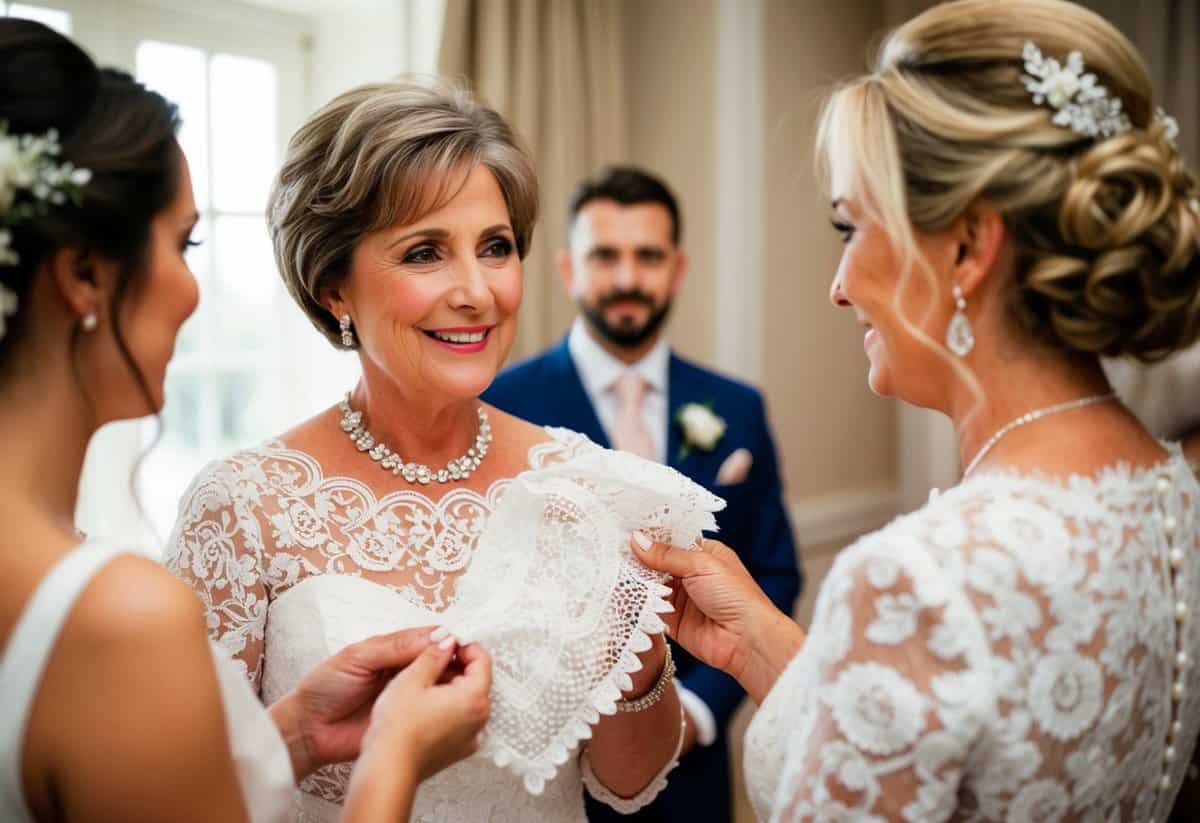
This moment can be filled with sentimentality and love. Many mothers choose keepsakes that hold special meaning, such as cherished family recipes or heirlooms passed down through generations. Such gifts not only symbolize acceptance but also help forge a family bond that grows with time.
Of course, each family and wedding is different. Choosing a present can be a way for the mother of the groom to express her hopes for the couple’s future together. Whether it is personal or extravagant depends on the individual’s style and the relationship shared with the bride. Items like a personalized photo album or a beautiful memory box can also make lovely gifts, making the occasion even more memorable.
The Role of the Mother of the Groom in Wedding Traditions

The mother of the groom plays a vital part in weddings, often assisting in planning and supporting both families. Her role is shaped by etiquette and traditions, which can include hosting events and participating in specific ceremonies.
Understanding Wedding Etiquette
Wedding etiquette guides the actions and involvement of the mother of the groom. She often participates in planning events like the rehearsal dinner, which is traditionally hosted by the groom’s family. This dinner offers a chance for close family and the wedding party to spend time together before the big day.
During the wedding planning, she should discuss the guest list with the couple, offering suggestions and coordinating with the bride’s family. It’s also essential for her to provide contact details for the groom’s side and manage any necessary communication and coordination.
Creating a collaborative environment with both families is key. By respecting traditions and understanding etiquette, the mother of the groom can help ensure a smooth and joyful wedding experience.
Traditions for the Ceremony
In wedding ceremonies, the mother of the groom often has specific duties. Her involvement can vary depending on family traditions and cultural customs. One important role is during the mother-son dance. This dance symbolizes the bond between mother and son and is a cherished moment during the reception.
She may also participate in sharing family and cultural traditions with the couple to consider incorporating into the ceremony. This can include religious elements or unique family customs that add personal meaning to the event.
Her active participation in these traditions helps to honor both families and enrich the overall wedding experience.
Pre-Wedding Responsibilities and Support
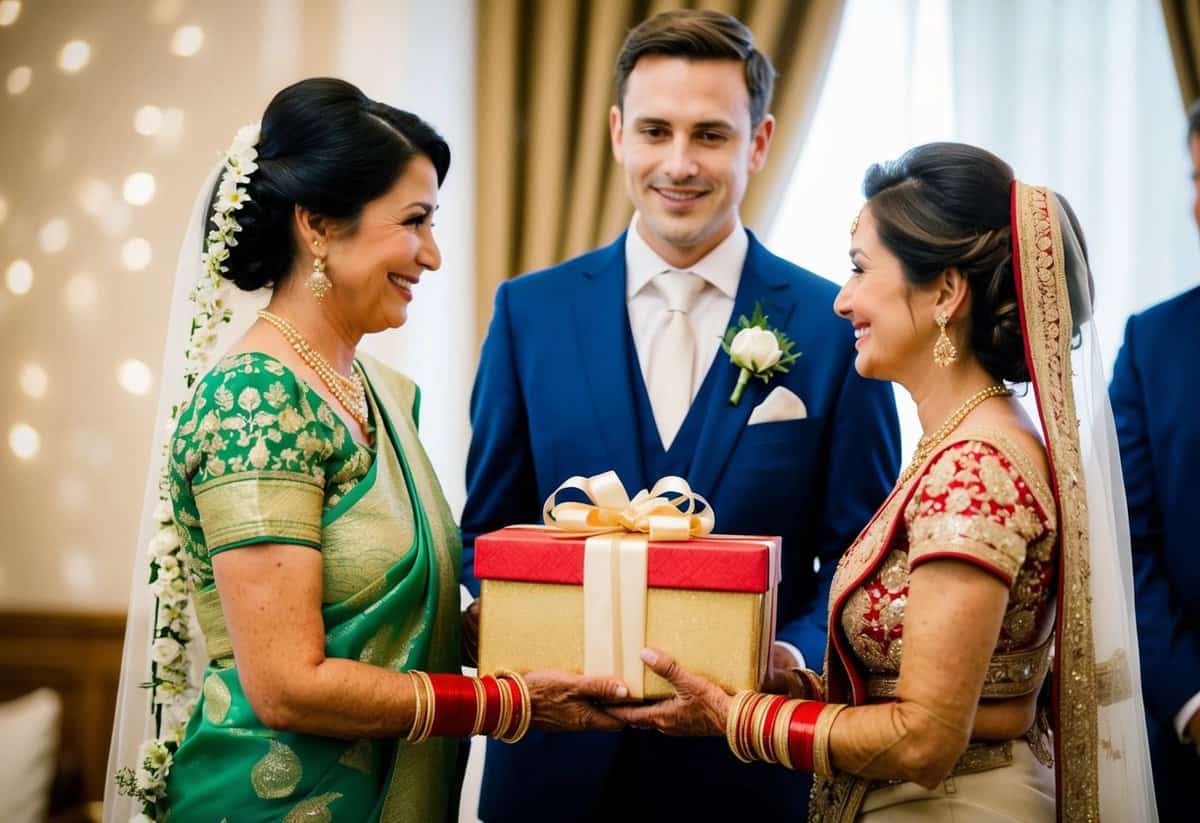
The mother of the groom plays an important role during the wedding planning process. She can assist with various tasks and provide emotional support to help the couple prepare for their big day.
Chores and Planning Assistance
The mother of the groom can assist with multiple tasks leading up to the wedding. She might help coordinate with vendors or manage guest lists. Some may suggest she takes part in the engagement party.
Additionally, working with the bride’s family to ensure wedding plans align smoothly can be helpful. The mother often contributes to selecting family outfits so that they complement each other. These activities ensure both families feel comfortable and confident during the celebrations.
Emotional and Communication Support
Providing emotional support is another key responsibility. She can act as a confidant for both the groom and bride, offering guidance when asked. This type of support helps strengthen family bonds and ensures smoother communication between families.
The mother should also ensure open and respectful communication around decisions like the guest list. By maintaining clear lines of communication, she fosters a harmonious experience for everyone involved. Her presence can make a significant difference during bridal showers or other pre-wedding gatherings, showing solidarity and encouragement to the couple.
Gift-Giving Insights

Gift-giving between families is a cherished tradition, especially when welcoming a new family member. The mother of the groom often considers both sentiment and tradition when choosing a gift for the bride. This section provides insights into selecting meaningful gifts and the significance of heirlooms.
Selecting the Perfect Gift
Choosing a gift for the bride can be both emotional and rewarding. The mother of the groom might consider a sentimental gift that reflects her family’s culture and values. This gift could be a piece of jewelry that has special meaning or a handcrafted keepsake.
A memory box filled with cherished family recipes or photos is an option. It offers personal touches and practical use. Another idea is a personalized item, like a monogrammed blanket or custom artwork.
Understanding the bride’s tastes can guide the gift selection. Consider what would bring joy or hold long-term value. Thoughtful gifts can strengthen bonds and help the bride feel welcomed.
The Question of Heirlooms
When deciding on a gift, a family heirloom can be a powerful symbol of love and acceptance. Heirlooms, such as a necklace passed down through generations, carry history and emotion. They can connect the bride with her new family’s past.
These items often serve as a reminder of family unity. Whether a vintage brooch or handcrafted furniture, an heirloom gift speaks volumes about familial ties. Heirlooms also add unique sentimental value that can be cherished for years.
Gift-givers should understand the importance and meaning behind these items. It’s vital that the bride appreciates their significance. This understanding ensures that heirlooms remain valued within the family lineage.
Financial and Organizational Contributions
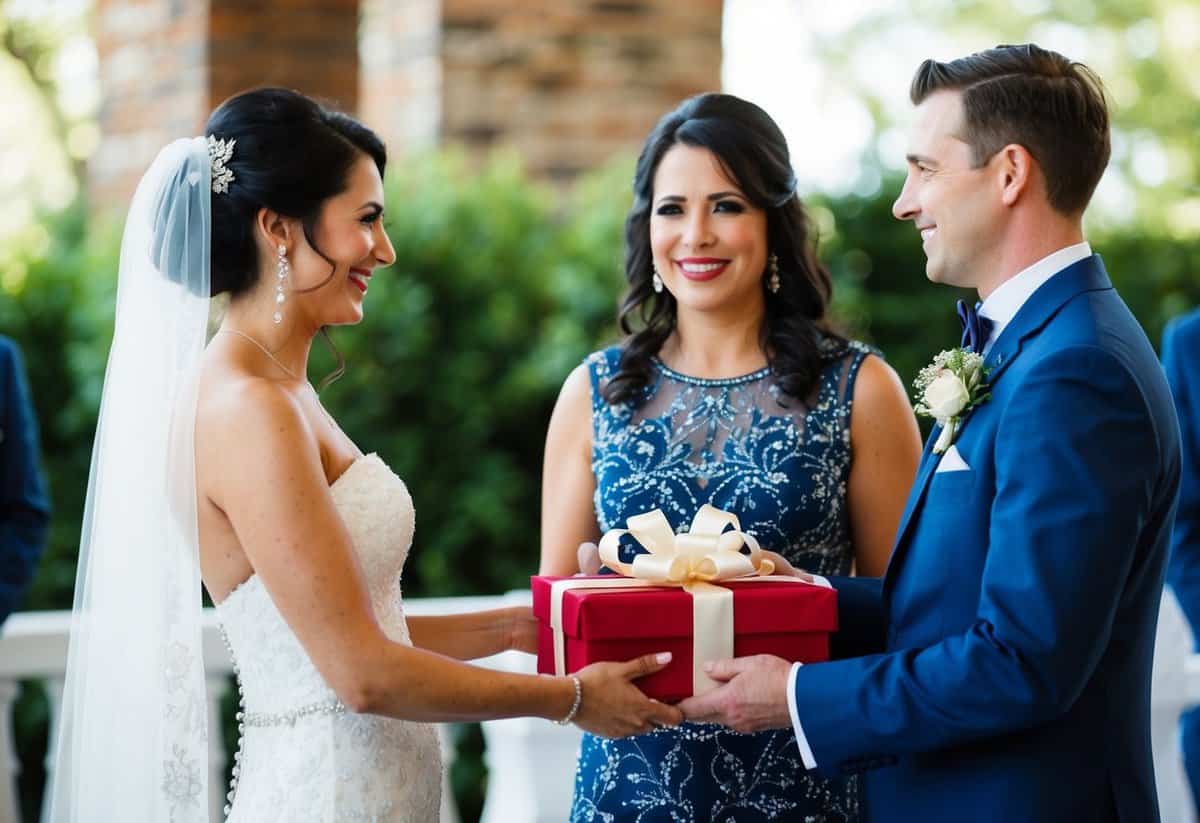
The mother of the groom often plays a pivotal role in both financial and organizational aspects of the wedding. She can help manage expenses and coordinate key wedding tasks that ease the preparation process.
Navigating the Wedding Budget
The mother of the groom might contribute financially in areas such as the rehearsal dinner, sometimes sharing these costs with the groom’s family. Her involvement can help alleviate some pressures by clarifying who pays for what in the wedding. It’s common for her to discuss elements like the wedding registry and overall wedding costs with the couple.
She can also assist in planning the budget by discussing venue options, vendor costs, and helping allocate funds effectively. This includes aspects such as the marriage license and any unforeseen expenses that might arise.
Guest List and Vendor Coordination
Handling the wedding guest list is another significant area where the mother of the groom may offer her support. She can assist by coordinating with the groom’s family and ensuring that everyone feels included, while also keeping the list manageable.
Vendor meetings often require coordination, and she can take an active role here. From selecting the venue to discussing details with caterers and florists, her assistance helps streamline the many moving parts of wedding planning. Following up with any late RSVPs can also be a helpful task she takes on, ensuring a smooth process leading up to the big day.
Welcoming the Bride into the Family
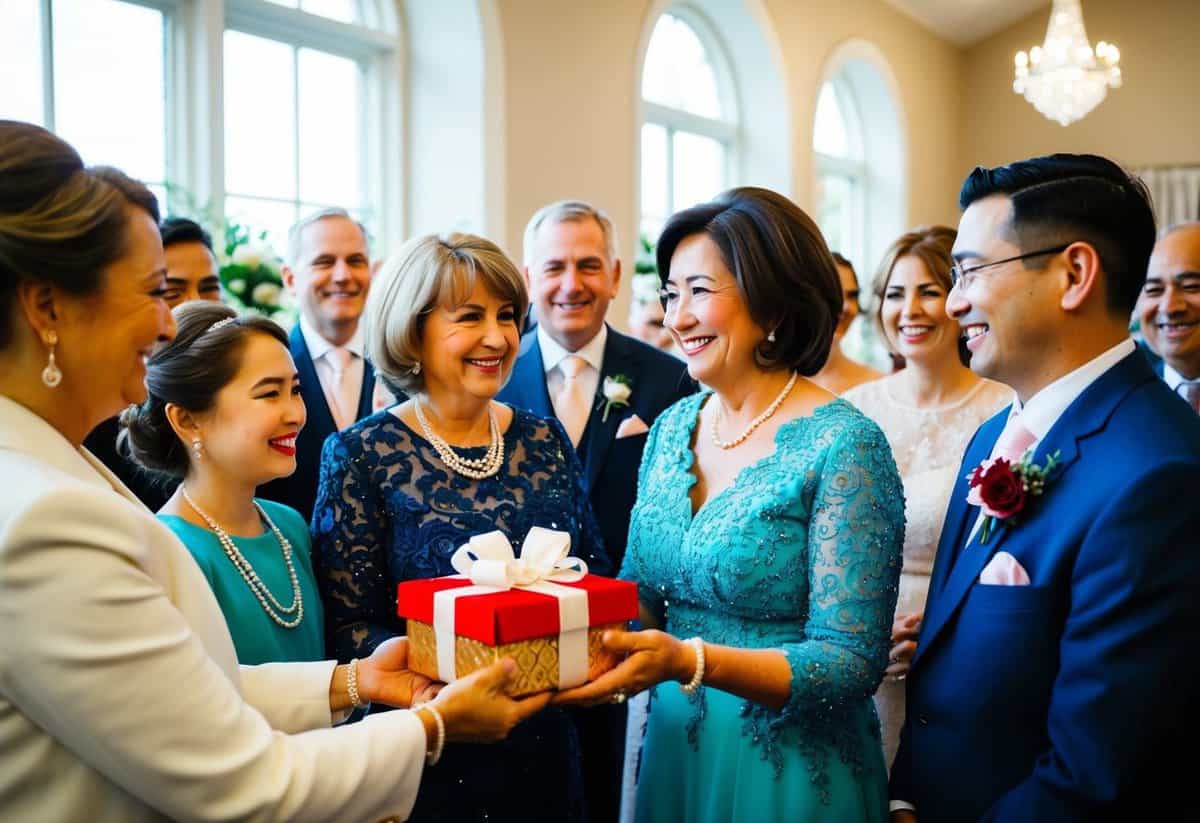
When a bride becomes part of the family, it’s a time of joy and celebration. Embracing new traditions and respecting personal boundaries are crucial aspects of creating a harmonious relationship.
Celebrating New Beginnings
Welcoming the bride can start with a special family dinner or gathering. This event allows everyone to get to know each other better in a relaxed setting. Family traditions, like passing down a cherished family recipe or a photo album full of memories, can create a strong connection. These gestures make the bride feel appreciated and loved.
Modern weddings often include personalized ceremonies where both families give speeches. These speeches can include heartfelt words, encouraging the couple as they begin their journey. Some families may also choose to gift a special heirloom to the bride as a symbol of her new role in the family. These personal touches honor both old and new traditions, helping to create lasting memories.
Maintaining Respectful Boundaries
It’s important to maintain respect for each person’s space while celebrating. Boundaries ensure that the bride feels comfortable and accepted without feeling overwhelmed.
Open and honest communication is key here.
Allow the couple to enjoy their honeymoon phase without unnecessary interference. Respect their time together, while showing willingness to offer support when needed.
Encourage open dialogue, which helps prevent misunderstandings and fosters trust.
Balancing involvement with respect for independence is crucial. By doing so, the bride feels included while having the freedom to navigate her new family relationships at her own pace.
This approach helps everyone grow closer without stepping over each other’s boundaries.