
Does Your Wedding Cake Need to Feed Everyone? Exploring Portion Ideas for Your Big Day
When planning your wedding, one question that often arises is whether your wedding cake needs to feed everyone. The good news is that it doesn’t have to! Many couples don’t want their cake to be a one-size-fits-all solution, as not all guests will crave a slice.
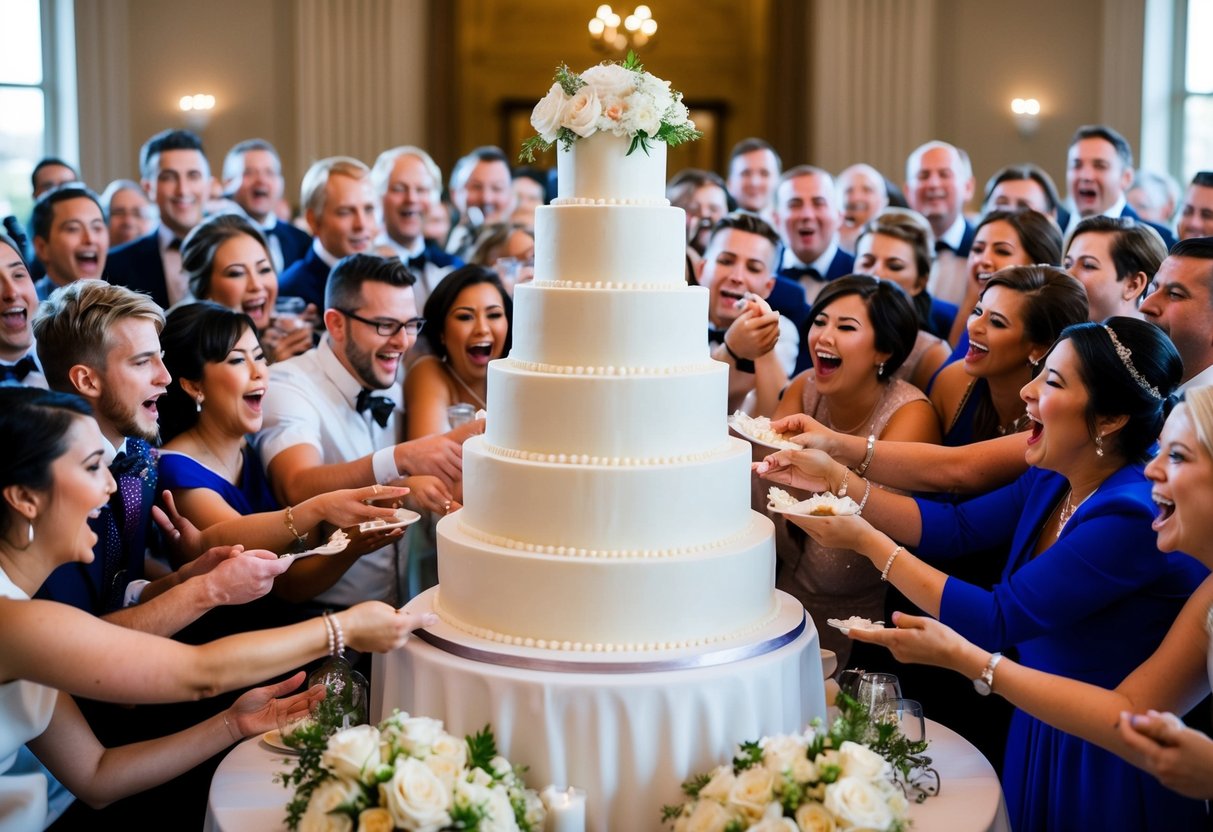
In fact, some guests might skip dessert altogether. Depending on your reception style, you might only need enough cake for about 66% of your guests. That means you can focus on creating a beautiful and delicious cake without the pressure of making sure everyone gets a piece.
As you plan your wedding, consider your guests’ preferences and the overall flow of the evening. You’ll find that the cake can be a wonderful treat for those who enjoy it, adding to the celebration without needing to serve everyone.
Determining Your Guest Count
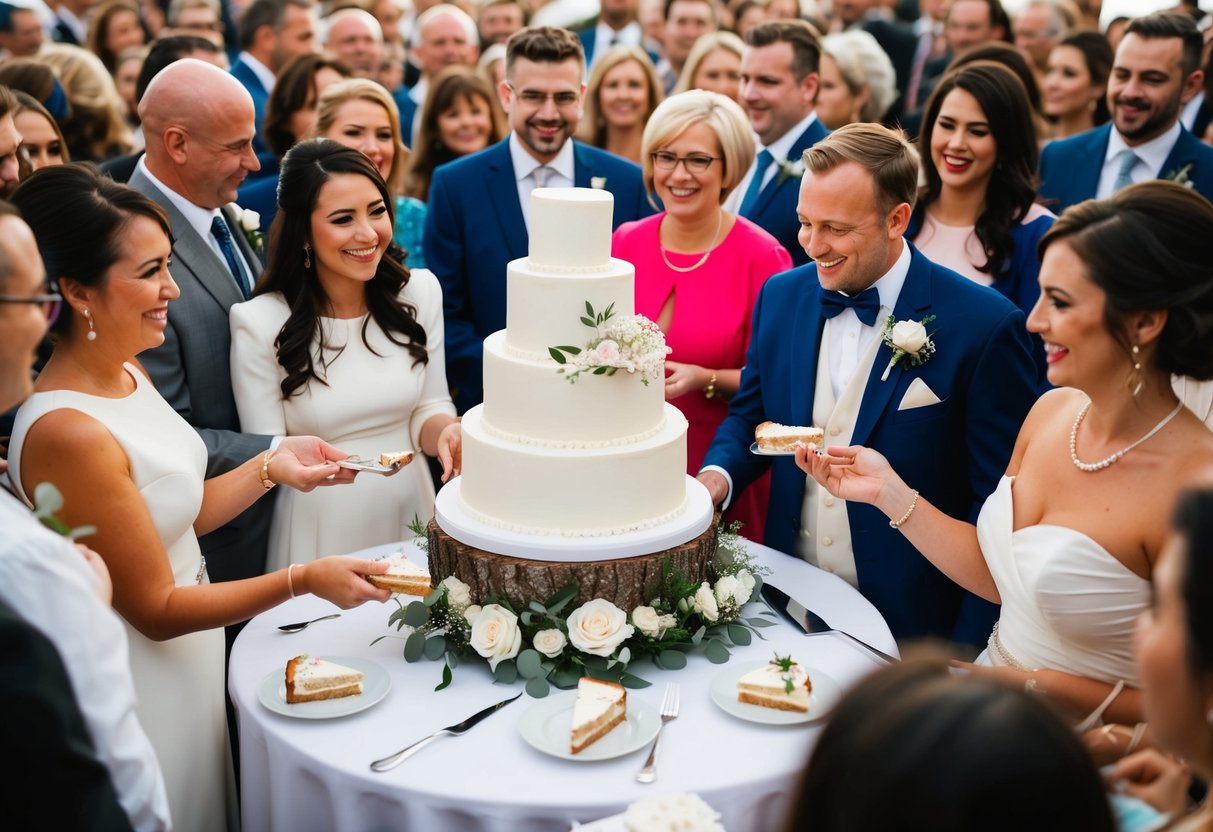
Getting your guest count right is essential for planning your wedding cake. Knowing how many people you’ll invite helps ensure everyone gets a slice, so your cake doesn’t go to waste. Let’s explore why accurate numbers matter and how to estimate servings effectively.
The Importance of Accurate Numbers
Accurate guest counts impact several aspects of your wedding, especially your cake. If you underestimate, you risk running out, leaving guests disappointed. Overestimating means extra cake, which can lead to waste and higher costs.
To determine your count, consider your invitation list carefully. Start with close family and friends, then expand to coworkers and others. A common practice is to expect around 80-85% of those invited to attend. This helps you plan better. Also, keep track of RSVPs as they come in.
Estimating Servings for Your Wedding Cake
When estimating servings for your wedding cake, understanding the type of cake matters. A traditional wedding cake typically serves 1 slice per guest. It’s also common to serve a half slice of groom’s cake, if you choose to have one.
For example, if you have 100 guests, you may need around 100 servings of the bride’s cake and about 50 of the groom’s cake.
It’s crucial to communicate with your baker. Often, round cakes serve 10-12 people per tier, while sheet cakes can serve more. Calculate your needs based on these guidelines and adjust based on your guest list. This way, you’re likely to satisfy everyone at your wedding reception.
Selecting The Perfect Wedding Cake
Choosing a wedding cake involves several important factors. You’ll want to explore different designs and flavors, schedule cake tasting sessions, and find the right baker. These steps can help ensure your cake is not only beautiful but also delicious.
Exploring Cake Designs and Flavors
When thinking about your wedding cake, consider the design that matches your theme. Do you prefer a classic look or something modern? Popular designs include stacked tiers and unique shapes.
Flavors are just as important. Common options are vanilla, chocolate, and red velvet. However, you can also think outside the box. Specialty flavors like lemon or almond can make your cake more memorable.
Don’t forget about the cake topper! It can personalize your cake and tie in with your wedding decor. Choose a design that reflects your style.
Cake Tasting Sessions
Cake tasting is the most delicious part of the process. Schedule a session with your chosen baker where you can sample different flavors. Take notes on what you enjoy.
During the tasting, ask about fillings and frostings. You might find a unique combination that you love.
Keep in mind allergies or dietary restrictions of your guests. Many bakers offer options like gluten-free or vegan cakes. Be sure to include these considerations when you’re choosing your flavors.
Choosing the Right Cake Baker
Selecting the right cake baker can make all the difference in your wedding cake experience. Start by researching local bakers online. Look for reviews and pictures of their past work.
Reach out to several bakers and ask about their specialties. Some may focus on traditional designs, while others might excel in creative, themed cakes.
Meet your potential bakers in person. This conversation helps you gauge their expertise and understand their process. Be sure to discuss timelines, delivery, and any specific design ideas you have in mind.
The Cake Cutting Ceremony
The cake cutting ceremony is a cherished moment during your wedding celebration. It brings guests together to witness a special tradition that symbolizes love and commitment. Here are some important aspects to consider for this ritual.
Planning Your Cake Cutting
When planning your cake cutting, choose the right moment during the reception. Many couples opt for it after the meal or before dessert is served. This timing allows everyone to gather around for the event.
Talk to your baker about details like cake size and flavors to ensure it fits your guest list. You’ll want enough slices for everyone, but remember, not every guest may choose to eat cake. So, it’s wise to plan for about 70-80% of your guests.
Don’t forget to communicate with your photographer. Capturing the moment is important, so let them know when cake cutting will happen.
Selecting a Serving Set
Selecting a beautiful serving set can add a personal touch to your cake cutting. Look for a set that matches your wedding theme, whether it’s elegant, rustic, or modern.
You can choose a simple silver or gold set or something more unique, like personalized pieces engraved with your names or wedding date. Make sure it’s functional, too, so you can easily cut and serve your cake.
Using a cake knife and server as a couple’s keepsake is a lovely idea. After the wedding, you can display it in your home as a reminder of your special day.
Integrating Traditions
Integrating traditions into your cake cutting ceremony can enhance the experience. For example, the act of feeding each other a piece of cake symbolizes your promise to support one another.
Some couples also choose to save the top tier for their first anniversary. This tradition comes from the idea that it brings luck and happiness to the marriage.
You might incorporate other meaningful rituals, like having your parents or grandparents join you for a toast. This blends generations and creates a warm atmosphere.
Remember, traditions can be customized to fit your personality and relationship, making the ceremony even more special.
Alternative Dessert Options
If you feel that a traditional wedding cake might not be the best fit for your celebration, there are many creative dessert options. Incorporating a variety of sweets can make your wedding dessert memorable and enjoyable for your guests.
Considering Dessert Tables
Dessert tables are a popular choice for couples looking to provide variety. You can display an assortment of treats that appeal to different tastes.
Think about including items like cupcakes, cookies, macarons, and mini cheesecakes. This allows guests to sample different desserts and find something they love.
When planning, coordinate with wedding vendors to create an eye-catching display. Use colorful platters, tall stands, and decorative elements to enhance the look.
Also, consider labeling each dessert. This way, guests can easily identify ingredients, especially if they have dietary restrictions. With a dessert table, you create a fun, interactive experience for your guests.
Incorporating Cookies and Groom’s Cake
Cookies can be a delightful addition to your wedding, and they are easy to personalize. They are easy to serve and can be made in various flavors.
Consider offering cookie bars where guests can choose their favorites. Chocolate chip, oatmeal raisin, and sugar cookies are great options. Decorate them to match your wedding theme for added flair.
Another fun idea is to have a groom’s cake. This smaller cake can reflect your partner’s interests or hobbies. Whether it’s shaped like a favorite sports item or features a hobby, it adds a personal touch to your dessert spread.
Combining cookies and a groom’s cake allows for more choices while making your celebration feel unique. Guests will love the thoughtful details and variety provided.