
Editorial Wedding Photography: Style and Planning Guide
Editorial wedding photography gives us polished, fashion-inspired wedding photos while preserving the emotion and movement of the day. Drawing from editorial photography, fashion photography, and lifestyle photography, this approach combines intentional direction with genuine connection.
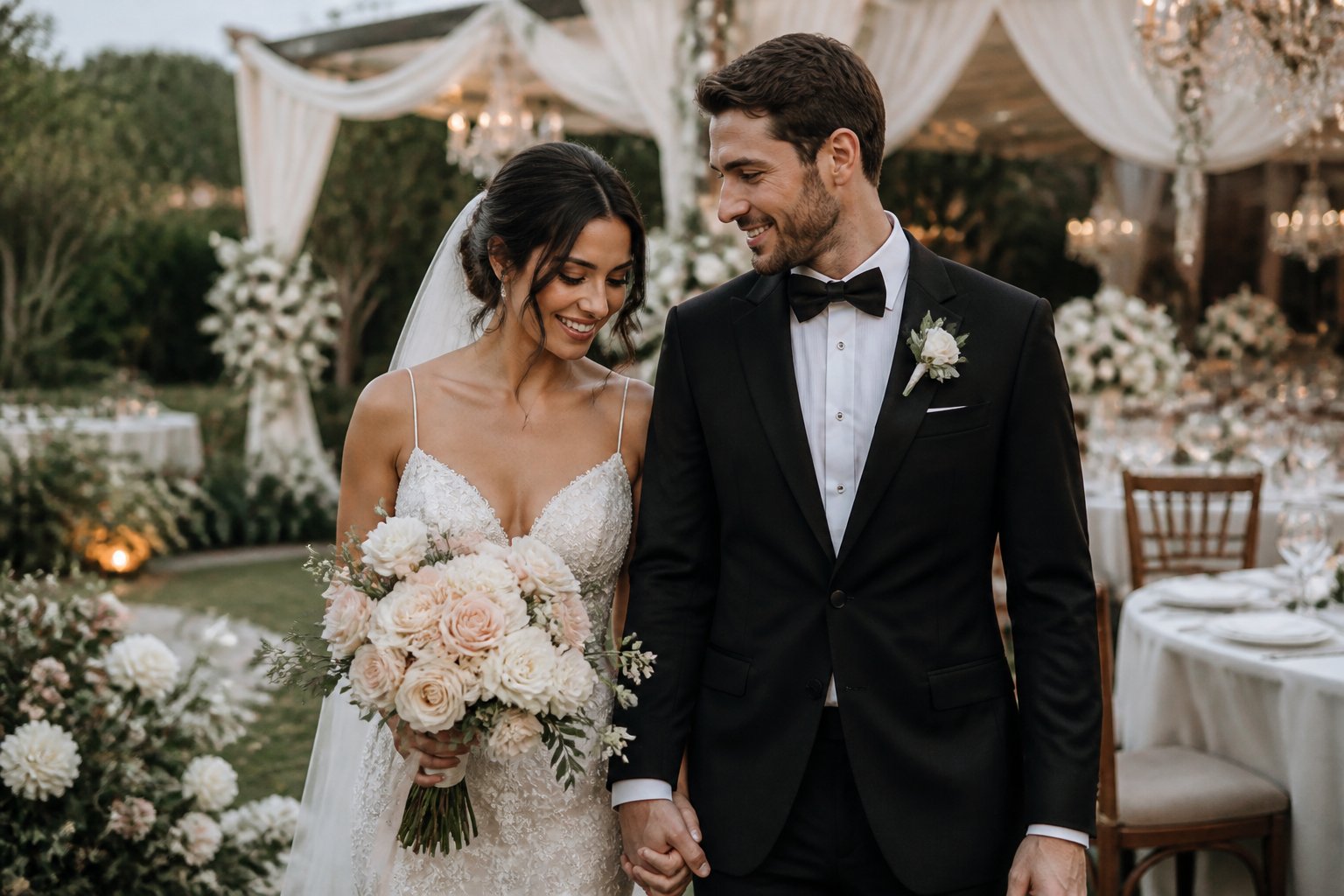
The strongest galleries balance magazine-worthy portraits with unscripted moments that feel unmistakably yours. Thoughtful timing, flattering light, considered details, and a photographer who knows when to guide the scene all shape that result.
If you want wedding photos with an elevated visual style and a natural emotional thread, start by sharing your vision with an experienced wedding photographer and planning portrait time around the light you love.
What Creates a Magazine-Worthy Wedding Image?
A magazine-worthy wedding image comes from deliberate styling, controlled composition, expressive light, and authentic interaction. Editorial wedding photography makes each frame feel considered while keeping the couple connected to the experience.
The Influence of Fashion, Light, and Composition
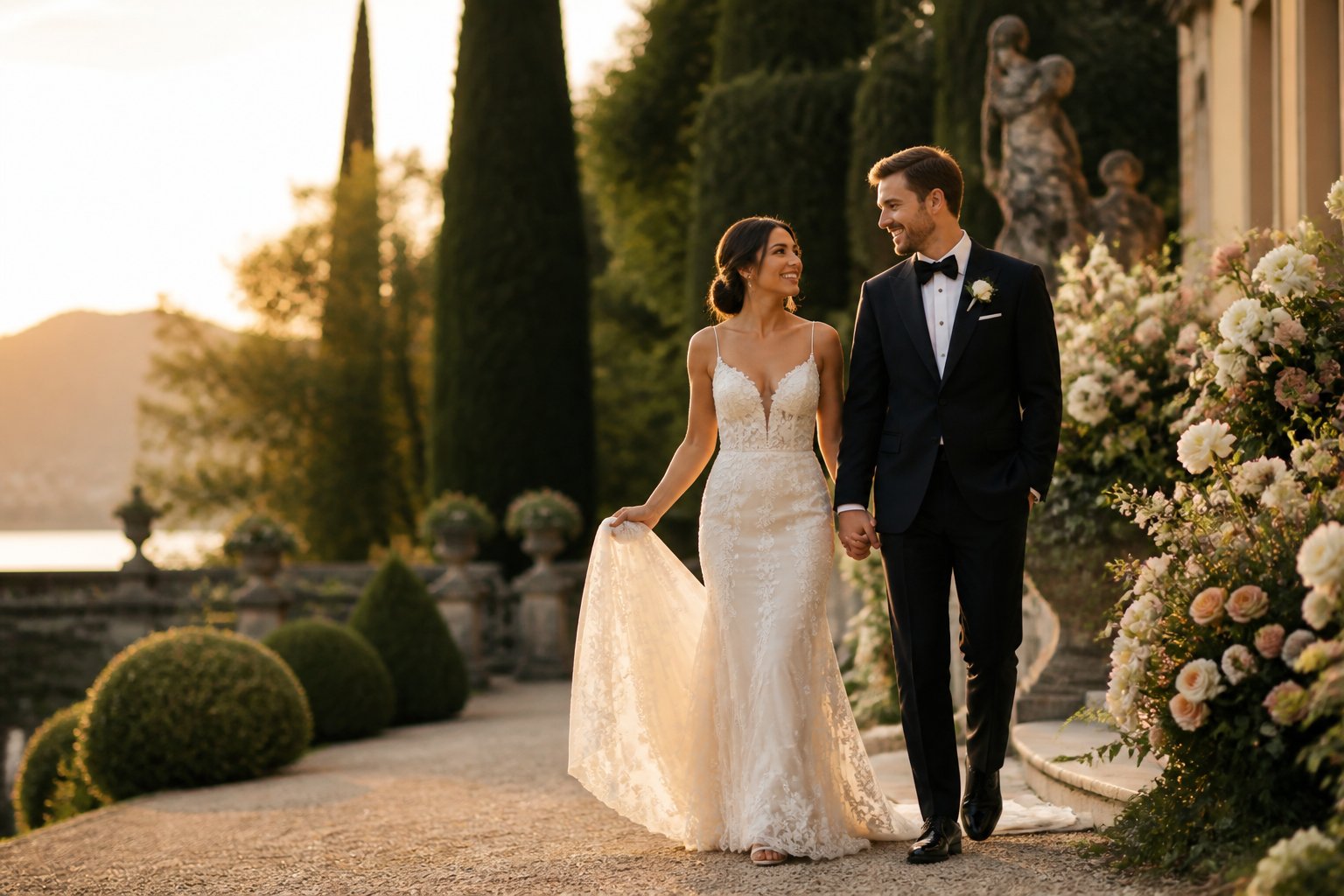
Fashion photography contributes confident posture, clean silhouettes, and attention to wardrobe movement. Editorial photographers study how a dress falls, how a veil catches light, and how architectural lines frame the couple.
Light sets the mood. Window light creates softness during preparations, directional sunlight adds dimension outdoors, and flash can bring a refined evening energy to the reception. Composition then organizes those elements through negative space, leading lines, layered foregrounds, and balanced framing.
Intentional Direction Without Stiff Posing
Direction works best when it gives couples a clear action. Walking slowly, leaning into one another, adjusting a cuff, or pausing for a breath creates shape while leaving room for real expressions.
We find that small prompts produce more relaxed results than holding a fixed pose for too long. A photographer might refine hand placement or shoulder angle, then step back as laughter, eye contact, or a quiet pause naturally develops.
Details That Build a Cohesive Visual Story
Editorial images gain strength from continuity across the gallery. The invitation suite, floral design, jewelry, table settings, architecture, and fashion details establish the visual language before the couple enters the frame.
Choose details that reflect the wedding design, then give the photographer access to photograph them near clean surfaces and flattering light. A consistent color palette and a range of wide, medium, and close compositions help the finished wedding photos read like a complete story.
Editorial vs. Documentary Coverage: What Changes on the Day?
Editorial coverage includes more photographer-led direction, while documentary wedding photography prioritizes observation and spontaneous moments. Many couples choose a hybrid approach so their gallery includes refined portraits alongside the emotional texture of photojournalism.
When the Photographer Takes the Lead
An editorial wedding photographer may select the location, adjust your position, shape the light, and provide movement-based prompts. Portrait time becomes a collaborative creative session with a clear visual goal.
This approach suits couples who enjoy fashion-forward images and want their venue, attire, and styling shown with intention. It also requires active participation, especially during couple portraits and formal family photographs.
What a Photojournalism Approach Captures
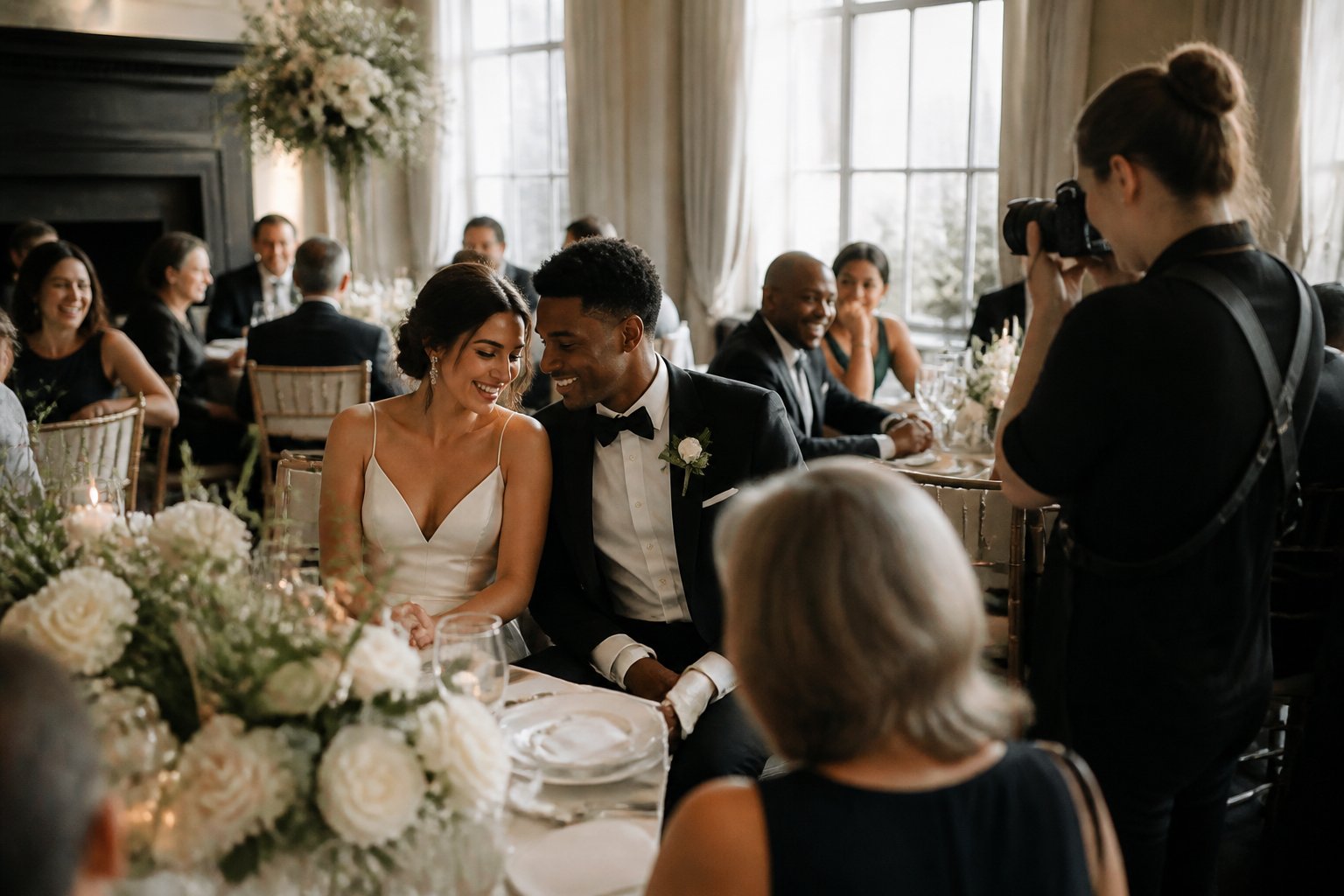
Documentary photography follows events as they unfold. The photographer observes reactions, embraces, interactions between guests, and fleeting moments during the ceremony and reception with minimal interruption.
A photojournalism approach records atmosphere as well as action. Uneven laughter, a parent’s expression, a child dancing, or friends greeting one another can give the gallery its emotional texture.
Why Many Couples Choose a Hybrid Style
A hybrid gallery gives us room for both creative control and honest storytelling. The photographer can direct portraits during planned windows, then work quietly during vows, cocktail hour, dinner, and dancing.
When interviewing photographers, ask how they divide their attention. Look for a portfolio that contains composed portraits, meaningful candids, family relationships, venue details, and reception energy within the same wedding.
How to Plan Time for Polished Portraits and Real Moments
A successful portrait plan protects enough time for direction, movement, and pauses while leaving space for spontaneous wedding photos. The wedding photographer should help build this rhythm before the day arrives.
Building Breathing Room Into the Timeline
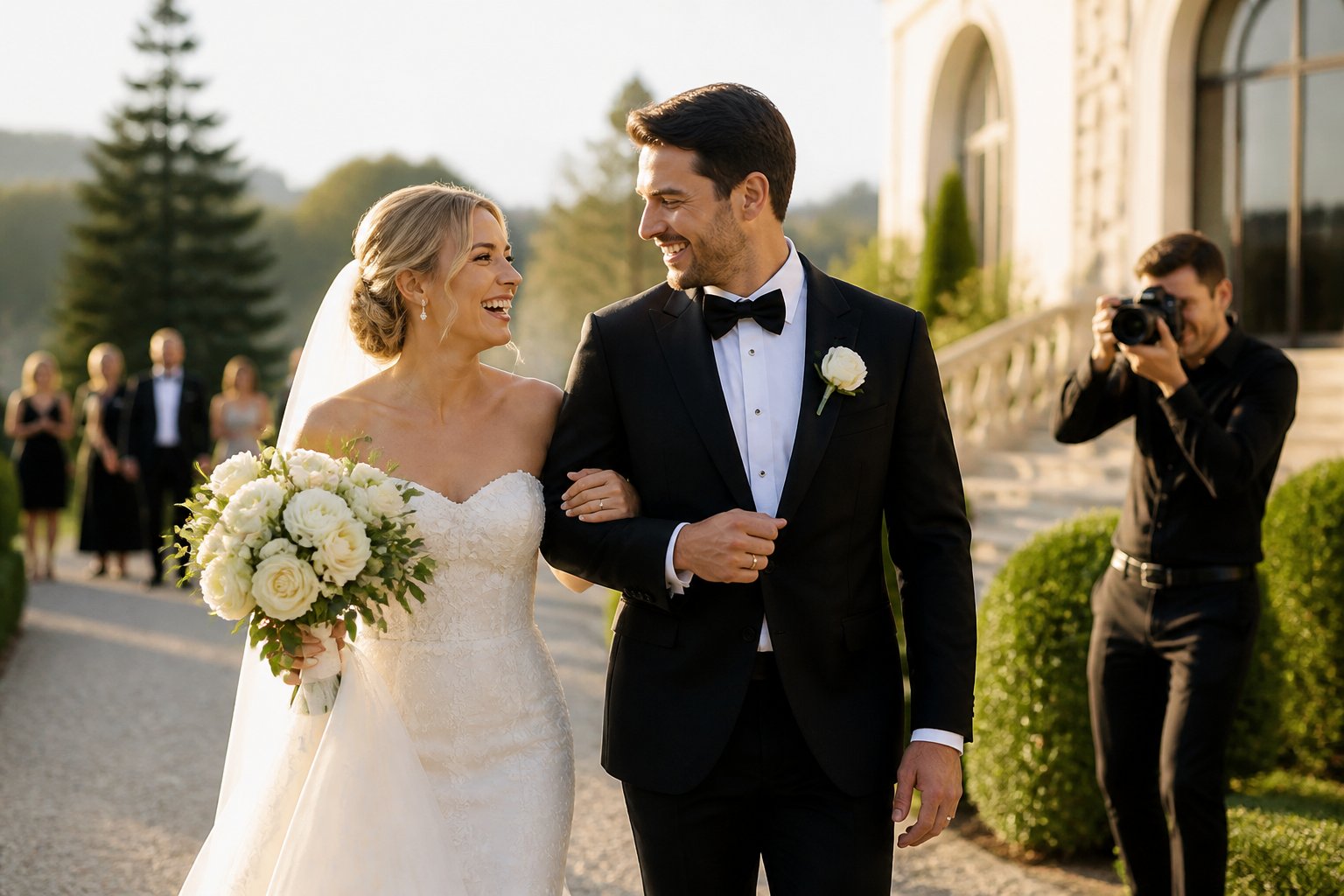
Set aside at least 30 minutes for couple portraits, with 45 to 60 minutes giving the session a calmer pace. A first look can create an early portrait window, while a brief sunset session adds a second look without taking you away from the celebration for long.
Add buffer time around family formals, transportation, wardrobe changes, and ceremony transitions. A ten-minute cushion helps absorb delays and keeps portraits from feeling like a race.
Preparing Details, Locations, and Light
Share the venue layout, ceremony schedule, dress details, and design references during planning. The photographer can then identify indoor options, shaded areas, architectural backdrops, and a practical path between locations.
Ask when the best natural light reaches the ceremony site and reception space. If sunset falls during dinner or cocktail hour, reserve five to ten minutes for a quick couple session when the light softens.
Feeling Comfortable With Gentle Guidance
You do not need modeling experience to create editorial portraits. Follow simple prompts, keep moving between adjustments, and focus attention on one another instead of the camera.
A photographer can refine posture, hands, chin angle, and spacing while preserving your personality. A short engagement session also gives us a useful chance to learn how the photographer communicates before the wedding.
How to Choose the Right Photographer for Your Vision
The right photographer shows consistent editorial choices across complete wedding galleries and communicates a direction that feels comfortable to you. Portfolio quality, working style, editing, and delivery terms all deserve review before booking.
Review Full Wedding Galleries, Not Just Social Posts
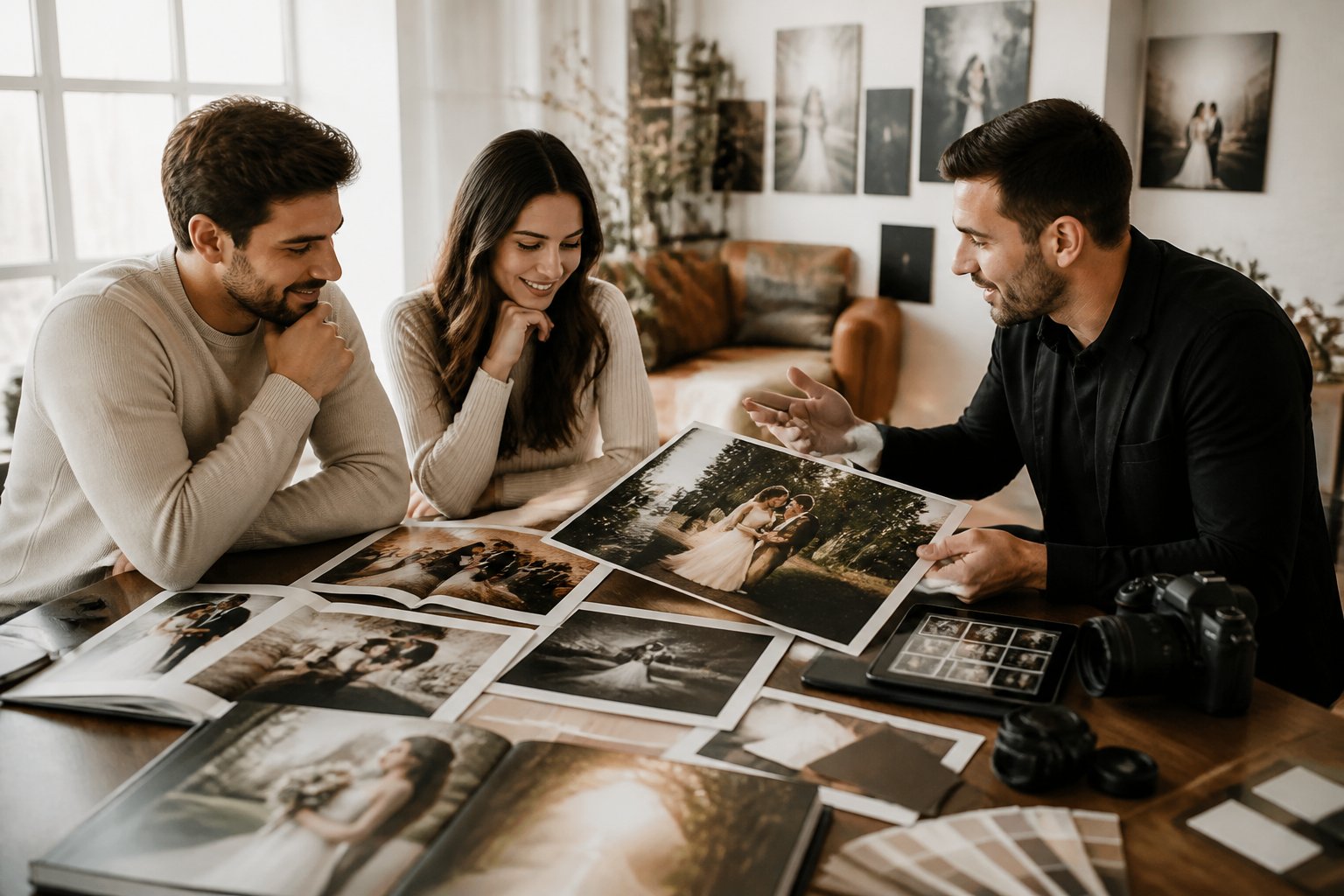
Ask to see two or three full galleries from weddings with lighting and logistics similar to yours. Look for a coherent sequence from preparations through the final reception images.
Check whether skin tones remain natural, difficult light is handled well, and important relationships receive attention. A social feed can highlight a photographer’s strongest frames, while a full wedding gallery reveals consistency.
Spotting the Difference Between Styled Shoots and Real Weddings
Styled shoots demonstrate creative direction, design, and posing, though they offer controlled conditions. Real weddings reveal how an experienced wedding photographer handles changing weather, crowded rooms, tight timelines, and unscripted emotion.
Ask which portfolio images came from actual weddings. Then review galleries containing ceremony coverage, family photographs, reception moments, and portraits made under ordinary wedding-day constraints.
Questions to Ask About Direction, Editing, and Delivery
Ask how much time the photographer recommends for portraits, how prompts are delivered, and whether you can share visual references. Discuss editing choices such as color, contrast, grain, retouching, and flash use.
Confirm the number of photographers, backup equipment, online gallery delivery, album options, image rights, turnaround time, and contract terms. A clear conversation now prevents surprises after the wedding.
A Style That Looks Beautiful and Feels Like You
Editorial wedding photography works best when its fashion influence supports your personality, relationships, and wedding design. Documentary wedding photography adds unplanned emotion, while a thoughtful wedding photography plan gives both approaches room to succeed.
Choose references for their mood and composition instead of copying individual poses. Tell your photographer which images feel like you, which details deserve attention, and how much direction feels comfortable. The result should show your clothing, venue, and celebration with polish while preserving the expressions and interactions you will remember.
Frequently Asked Questions
What is editorial style wedding photography?
Editorial style wedding photography uses fashion-inspired composition, intentional light, refined styling, and guided movement to create polished images with a magazine sensibility. The gallery still includes authentic emotion and meaningful details from the wedding day.
Does editorial wedding photography involve a lot of posing?
Editorial wedding photography involves direction, though the process can remain fluid and relaxed. Your wedding photographer may adjust posture, hands, spacing, and position before prompting you to walk, interact, or pause naturally.
Can editorial wedding photos still look candid?
Yes, editorial wedding photos can feel candid when direction creates space for genuine reactions and movement. A photographer can guide the setting and composition, then capture laughter, eye contact, and quiet interactions as they unfold.
How much time should we set aside for editorial wedding portraits?
Plan at least 30 minutes for portraits, with 45 to 60 minutes offering more freedom for locations, outfit details, and changes in light. A first look and a short sunset session can divide portrait time across the day.
How do I find an editorial wedding photographer near me?
Search local portfolios for complete galleries that show editorial portraits alongside ceremony, family, reception, and candid coverage. During consultations, ask about direction, editing, timeline planning, delivery, and experience with your venue or lighting conditions.