
Elegant Wedding Ceremonies Venues for Every Style
Your ceremony venue sets the mood for every moment that follows, from your guests’ arrival to the final wedding portraits. The most elegant wedding ceremonies venues pair beautiful architecture with thoughtful service, comfortable guest flow, strong photo settings, and a plan for the reception.
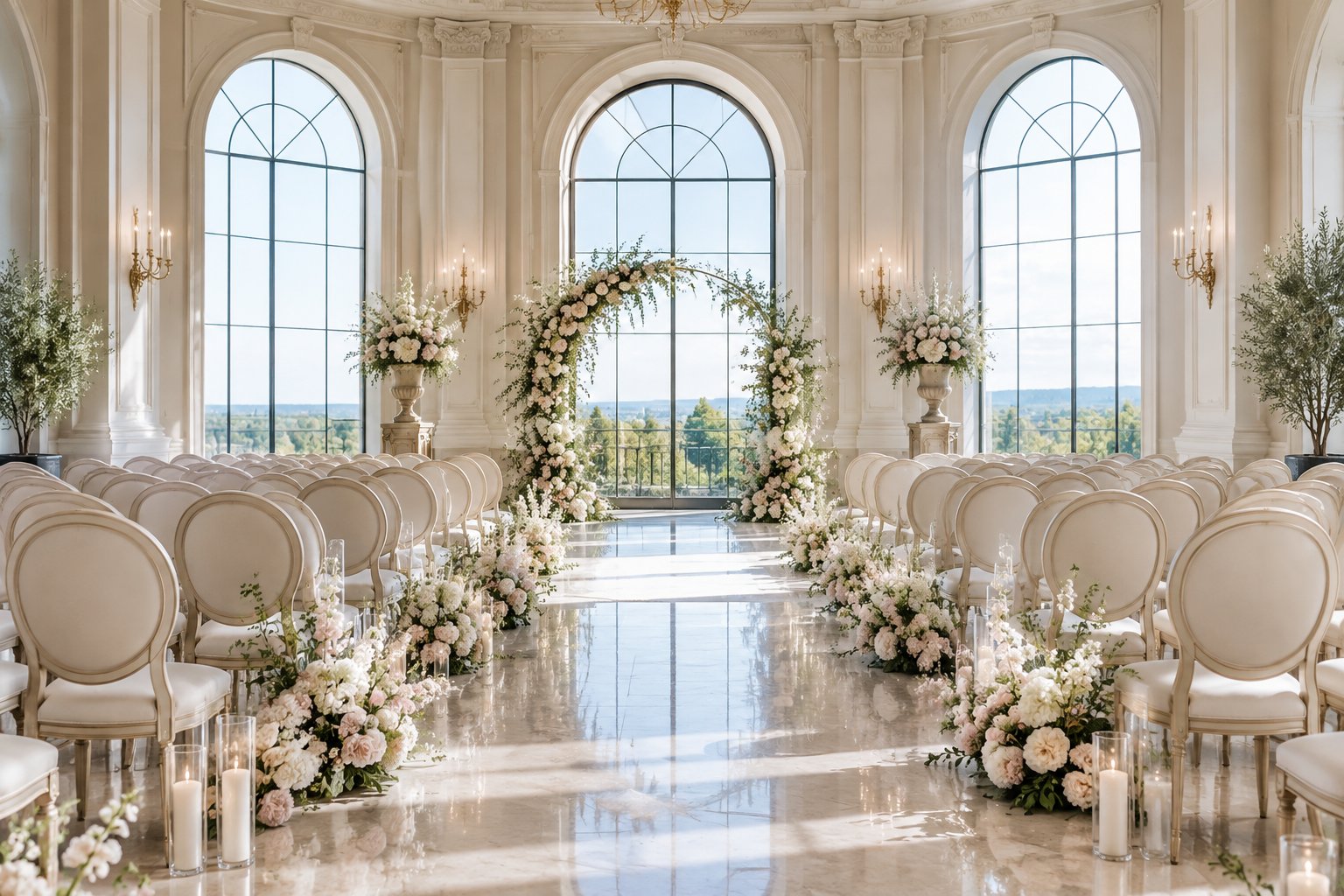
You can create a polished celebration in many settings, including a grand ballroom, historic estate, garden, library, rooftop, or private farm. Start by choosing the feeling you want guests to experience, then select a space that supports your ceremony style, guest count, and plans for the day.
As you compare wedding venues, explore spaces that offer indoor and outdoor options, refined details, and a smooth path from vows to celebration.
What Makes a Ceremony Venue Feel Elegant?
An elegant ceremony venue combines memorable design with a calm, well-planned guest experience. Architectural character, a graceful arrival, coordinated event spaces, warm lighting, clear sound, and comfortable seating all shape the way your wedding feels.
Architecture, Setting, and Sense of Arrival
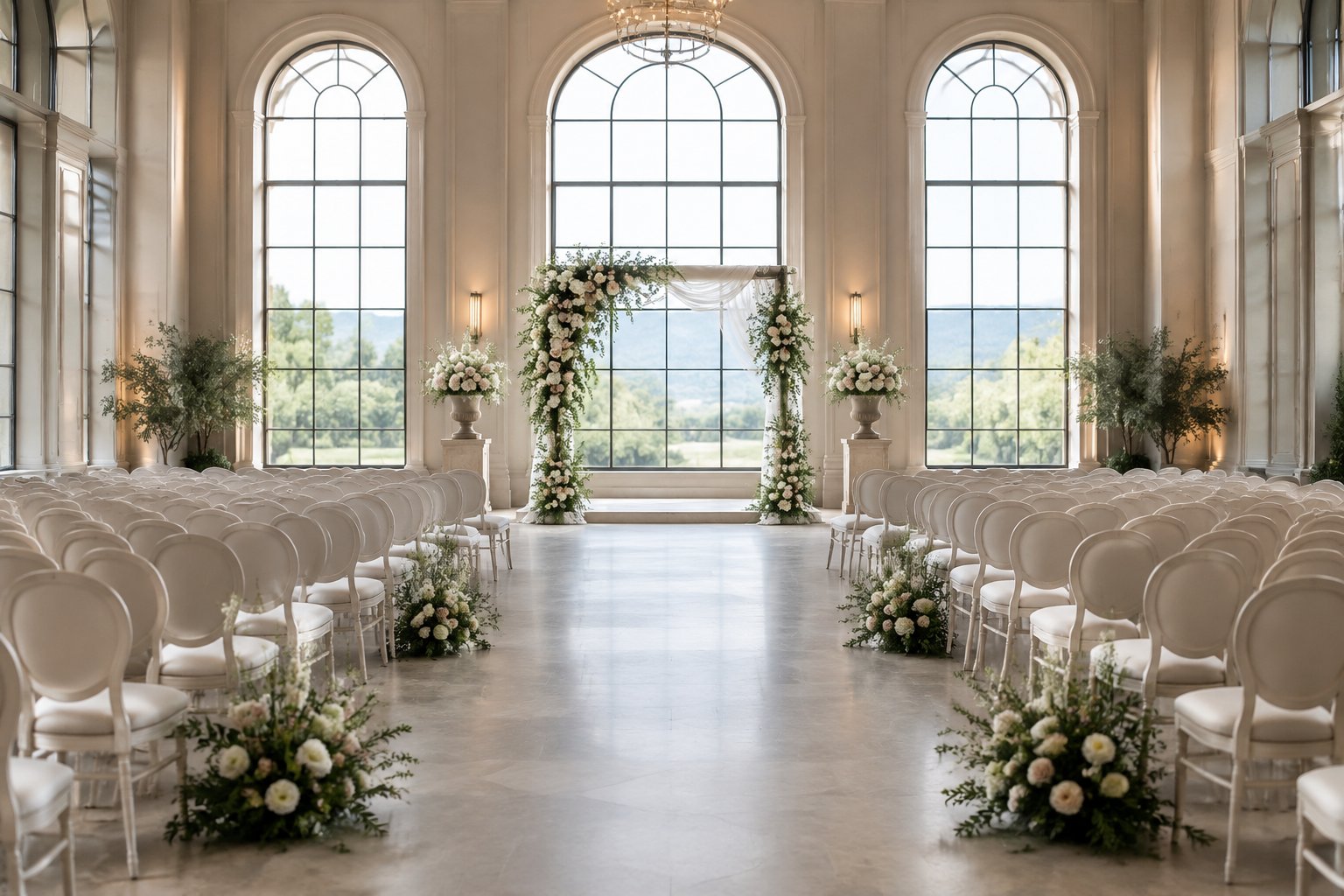
Look for a setting with details that support your style before you add décor. A grand ballroom might offer chandeliers, tall ceilings, and symmetrical lines. A historic wedding venue may bring ornate trim, stone staircases, or original windows.
A luxury wedding venue can provide polished finishes, manicured grounds, and private spaces for getting ready. The arrival sequence shapes your guests’ first impression, so check the path from parking or transportation to the ceremony space.
A covered entrance, clear signage, welcoming staff, and an attractive waiting area help the day feel organized from the start. Your setting should also provide useful locations for wedding portraits, including staircases, courtyards, gardens, terraces, and rooms with natural light.
These features give your photographer several backgrounds without sending you far from the event.
How Ceremony and Reception Spaces Should Work Together
A cohesive venue makes the transition from wedding ceremony to wedding reception easy for guests and vendors. Ask whether guests can move smoothly to cocktails, dinner, and dancing without long walks or confusing changes in direction.
A hotel wedding venue often supports this flow with ceremony rooms, reception areas, guest rooms, elevators, and restrooms in one property. An estate might connect a lawn ceremony to a covered terrace or reception hall.
If the ceremony and reception use separate spaces, confirm the plan for resetting chairs, moving décor, and guiding guests. Review the layout at the same guest count you expect.
A beautiful room can feel crowded when rows of chairs, a ceremony arch, cocktail tables, dinner tables, and a dance floor all share the floor plan.
Lighting, Acoustics, and Guest Comfort
Lighting should flatter the ceremony, highlight architectural details, and support a comfortable reception. Natural window light works well during the day, while candles, chandeliers, uplighting, and twinkle lights create warmth after sunset.
Ask how the space looks at your ceremony time and during your planned portraits. Good acoustics help every guest hear your vows. Listen for echoes in large halls and background noise near kitchens, elevators, roads, or bars.
Confirm whether the venue provides microphones, speakers, and a sound technician. Guest comfort includes climate control, accessible paths, clean restrooms, shade, seating support, and a place for older guests to rest.
How to Match the Venue to Your Wedding Style
The right venue supports your wedding style through its existing architecture, setting, and service model, which helps you create a polished design with less added décor. Your venue should give your vision a strong foundation, whether you want formal glamour, cultural character, urban energy, or a relaxed outdoor celebration.
Classic Ballrooms and Landmark Hotels
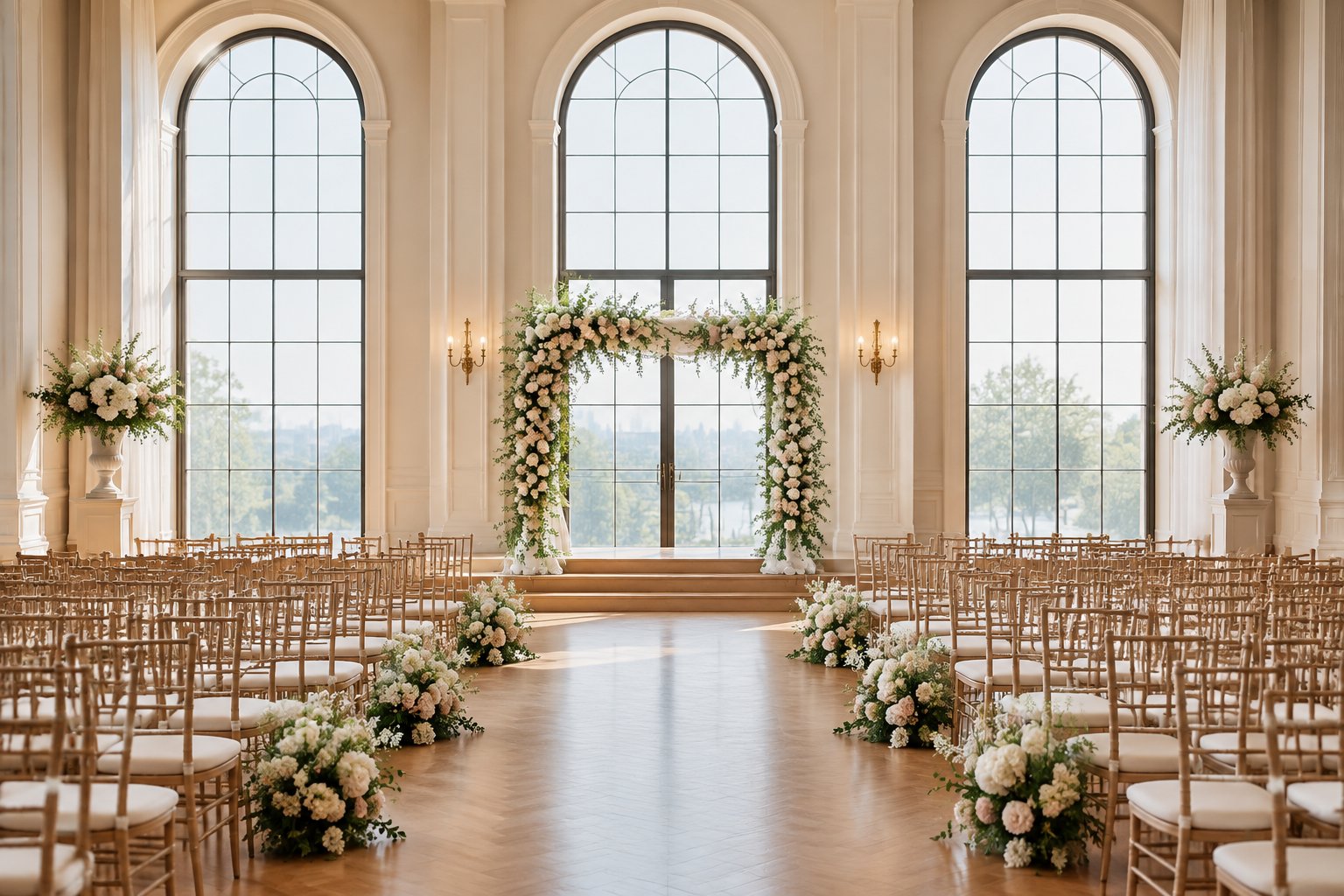
Classic ballrooms suit black-tie weddings, formal ceremonies, and large guest lists. The Manor offers a traditional estate feel, while Cipriani brings grand rooms and dramatic architectural detail. The Beekman pairs historic character with a refined Manhattan setting.
A ballroom already gives you structure through chandeliers, polished floors, formal entrances, and built-in service areas. Use a restrained palette, layered candlelight, and floral arrangements that follow the room’s scale.
Ask about ceiling height, staging rules, dance-floor placement, and ceremony flip timing.
Historic Libraries, Museums, and Cultural Venues
Libraries and museums bring a sense of history and ceremony to the day. The New York Public Library, Boston Public Library, George Peabody Library, and Celeste Bartos Forum each offer a distinctive setting shaped by books, arches, columns, or museum-scale rooms.
These venues work well for couples who want refined surroundings with a strong cultural identity. Keep décor focused on the ceremony focal point and guest tables so the existing architecture remains visible.
Confirm rules for candles, floral installations, photography, music, food service, and guest movement through public areas.
Lofts, Rooftops, and Modern City Spaces
Lofts and rooftops suit modern weddings with clean lines, bold florals, and a city backdrop. Their open layouts let you create a custom ceremony plan with a statement aisle, sculptural arch, or seating arrangement that faces the skyline.
Ask about elevator access, load-in times, power, sound limits, wind protection, restrooms, and weather coverage. A rooftop ceremony also needs a clear guest comfort plan for sun, temperature changes, and high winds.
Keep the design intentional with a focused color palette and lighting that complements the city after dark.
Garden Estates, Farms, and Mountain Retreats
Garden estates and countryside properties suit romantic, organic, and relaxed styles. Cedar Lakes Estate offers a retreat setting, while Hummingbird Nest Ranch brings gardens and California landscape into the celebration. Blackberry Farm pairs an elevated rural setting with farm-to-table cuisine.
Mountain destinations create a strong backdrop with little added decoration. The Little Nell and Aspen Mountain suit alpine celebrations, while Malibu Rocky Oaks places your event near the Santa Monica Mountains.
Confirm ceremony access, travel time, guest lodging, seasonal conditions, and a covered plan for rain or heat.
Standout New York Settings for a Refined Celebration
New York offers elegant wedding settings across Manhattan, Brooklyn, waterfront neighborhoods, and the Hudson Valley. You can choose a formal hotel, a skyline rooftop, a sacred landmark, or a private country estate while keeping the celebration connected to the character of New York.
Fifth Avenue Icons Near Central Park
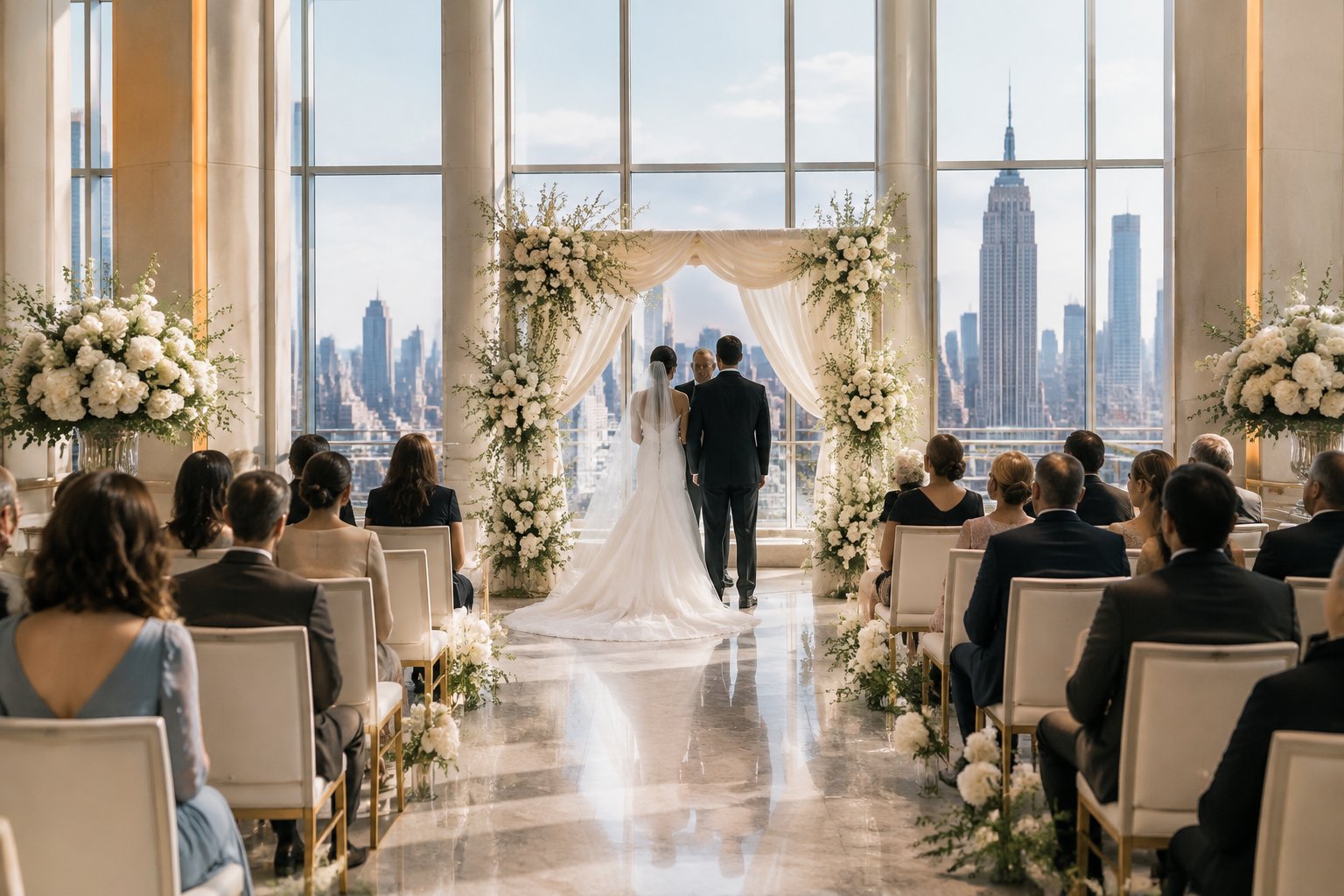
Fifth Avenue and Central Park provide a classic setting for a formal New York City wedding. The Plaza Hotel creates a recognizable luxury experience, with Palm Court offering a graceful indoor atmosphere. The Pierre, A Taj Hotel, brings old-world polish, while the Waldorf Astoria offers grand-scale hotel event spaces.
Ask how each property handles guest arrivals, ceremony privacy, photography access, room blocks, and reception timing. Nearby Central Park locations can add greenery and city character to portraits, subject to permits and venue rules.
Downtown and Hudson River Views
Lower Manhattan gives you a more contemporary backdrop through Tribeca, waterfront spaces, and high-rise views. Tribeca Rooftop offers an urban setting with room for a ceremony, cocktails, and reception. 620 Loft and Garden combines a city location with outdoor space, while Hudson venues connect the celebration to the Hudson River.
Plan the guest route carefully in busy neighborhoods. Confirm elevator schedules, load-in access, street conditions, noise limits, and sunset timing. A Brooklyn wedding can add waterfront views and a different skyline angle while keeping New York City at the center of the experience.
Rockefeller Center Glamour and Sacred Spaces
The Rainbow Room brings polished glamour and a dramatic Manhattan skyline at Rockefeller Center. Its setting works well for formal ceremonies, evening receptions, and portraits with the city lights beyond the windows.
For couples planning a religious ceremony, St. Patrick’s Cathedral offers a landmark setting on Fifth Avenue. St. Patrick’s Cathedral has its own ceremony rules, scheduling process, photography guidelines, and requirements, so ask for details early.
You can pair a sacred ceremony with a nearby reception venue to create a smooth guest plan.
Beyond the City in the Hudson Valley
The Hudson Valley gives you country scenery within reach of New York City. Estates, inns, and vineyard-style properties offer outdoor ceremony spaces, private grounds, and room for a wedding weekend.
Review transportation, nearby hotels, shuttle routes, cell service, and local vendor access before booking. A longer drive creates a more relaxed destination feel, while the Hudson River and surrounding landscape provide a natural setting for portraits and welcome events.
Destination Venues That Turn the Day Into a Wedding Weekend
A destination venue works best when it supports several connected events, comfortable lodging, and simple guest logistics across a full wedding weekend. You can build a welcome gathering, ceremony, reception, and farewell brunch around one setting or a small group of nearby locations.
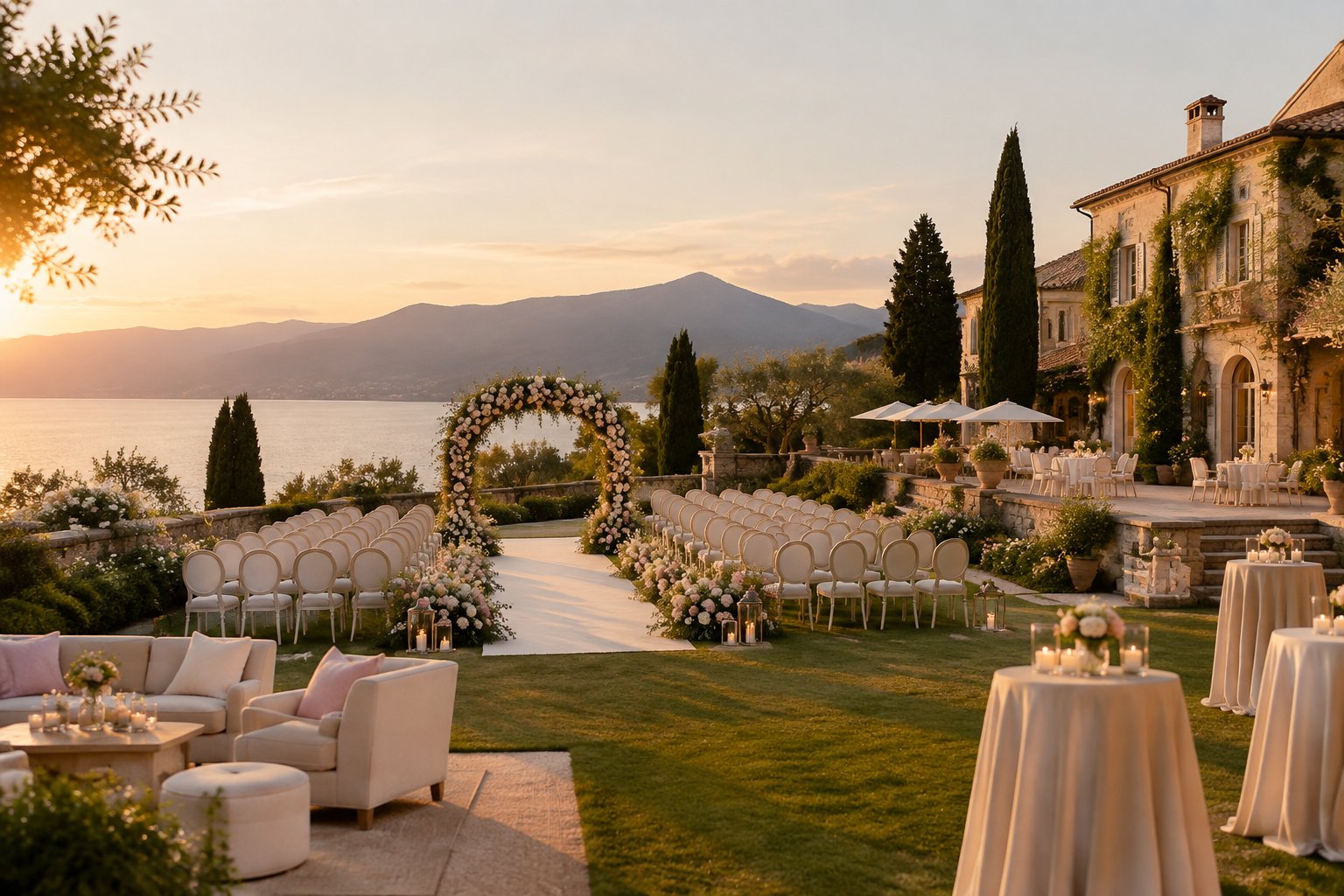
Maui and Hawaii Resort Celebrations
Maui and other parts of Hawaii suit couples who want tropical scenery with resort service. Grand Wailea offers a polished resort setting for ceremonies, receptions, guest stays, and pre-wedding gatherings.
Ask about sunset timing, rain plans, transportation between guest rooms and event spaces, beach access, sound rules, and meal options. Give guests clear travel details and build free time into the schedule so the destination feels enjoyable instead of rushed.
California Coast, Carmel, and Wine Country
California offers several elegant destination styles. Malibu pairs ocean views with a modern coastal mood, while Santa Barbara brings Spanish-inspired architecture, gardens, and a relaxed resort feel. Carmel, California, suits intimate celebrations with coastal scenery and charming local spaces.
San Francisco and Los Angeles provide city energy, cultural venues, and hotel convenience. Wine country adds vineyards, estate grounds, and menus centered on local ingredients.
Review transportation between airports, hotels, ceremony sites, and reception locations before you set the itinerary.
Mountain Escapes in Colorado and Utah
Colorado and Utah create a strong setting for couples who want mountain views, crisp air, and a retreat atmosphere. Choose a venue with indoor and outdoor ceremony options, accessible guest lodging, and a clear plan for changing weather.
Ask about elevation, travel time, seasonal road conditions, heating, shade, and accessibility. Provide guests with practical clothing guidance and transportation details.
Mountain scenery can carry much of the visual design, so use flowers and décor to frame the view.
Southern Estates and Warm-Weather Gatherings
Warm-weather celebrations suit locations such as Florida, Miami, Phoenix, Arizona, Dripping Springs, Texas, Magnolia, Walland, Tennessee, and New Orleans. Each offers a different atmosphere, from resort glamour and desert light to Southern estates, Hill Country views, and historic city charm.
Schedule outdoor ceremonies around heat and sun exposure. Confirm shaded seating, fans or cooling areas, indoor backup space, transportation, and guest room options.
New Orleans adds music, food, and historic architecture, while Walland and Magnolia offer a quieter retreat setting.
How to Compare Venues Before You Book
Compare venues by total cost, guest flow, weather protection, service details, and the experience your guests receive from arrival through departure. A polished tour can hide practical limits, so bring your guest count, draft timeline, budget range, and vendor questions to every visit.
Capacity, Layout, and Rain Plans
Ask for the usable capacity with your planned ceremony seating, reception tables, dance floor, band or DJ, bar, buffet, and photo areas in place. Request a floor plan that reflects your guest count.
A rain plan should name the exact backup room, setup time, guest route, and decision deadline. Ask what happens to outdoor décor, ceremony chairs, and portraits if weather changes.
Confirm accessibility for every ceremony and reception location.
Food, Service, and Accommodation Expectations
Request a complete estimate that separates venue rental, food, bar service, staffing, rentals, taxes, service charges, security, parking, and cleanup. Compare menus by course, serving style, dietary support, late-night food, and tasting policies.
Ask who manages the event on the wedding day and how many staff members support your guest count. If rooms are available, review room rates, booking deadlines, minimums, shuttle service, check-in times, and nearby alternatives.
When to Bring in a Wedding Planner
Bring in a wedding planner when the venue has several spaces, outside vendors, complex transportation, cultural traditions, or a multi-day schedule. A planner can help you compare contracts, build a realistic timeline, coordinate vendors, and protect guest comfort.
For a simpler celebration, venue coordination may meet your needs. Ask whether the coordinator handles design setup, vendor arrivals, ceremony timing, rehearsal support, guest questions, and end-of-night tasks.
Questions to Ask During a Site Visit
Use these questions to turn a beautiful tour into a useful comparison:
- What is included in the rental fee?
- Which vendors are required or preferred?
- What is the exact rain and heat plan?
- When can vendors load in and begin setup?
- What are the music, candle, décor, and end-time rules?
- How do guests move between ceremony, cocktails, dinner, and dancing?
- What insurance, permits, deposits, and cancellation terms apply?
- Where will the wedding photographer take portraits?
- Who is the day-of contact, and what does that person manage?
Regional Ideas for an Elegant Yet Personal Event
Regional venues help you create an elegant celebration with local character, manageable travel, and details that feel connected to the place. Look for architecture, landscape, food, and service that support your guest experience and personal story.
Pacific Northwest and Midwestern Options
Washington and Portland, Oregon, offer gardens, waterfront spaces, modern event venues, and historic buildings. These regions suit couples who want natural textures, seasonal flowers, and a relaxed formality.
Minneapolis brings city venues, lakeside settings, and renovated historic spaces. Ask about winter access, indoor portrait locations, coat storage, parking, and guest transportation when planning a colder-season event.
Mid-Atlantic and Northeast Historic Backdrops
Baltimore, Maryland, offers waterfront views, historic architecture, museums, and elegant hotels. These settings work well for formal ceremonies with local seafood, classic portraits, and easy access to city accommodations.
Port Jervis, Pennsylvania, gives you a quieter landscape with estates, river views, and countryside settings. Confirm travel times, lodging capacity, shuttle needs, and nearby vendor availability before choosing a rural venue.
Southern Cities and Estate Experiences
Atlanta offers grand hotels, gardens, museums, and historic properties, while the Atlanta History Center provides a strong cultural setting with landscaped grounds. Tulsa, Oklahoma, brings Art Deco character, private clubs, and event spaces with regional style.
Ask how each venue handles heat, storms, outdoor ceremony timing, and guest transportation. Personal touches such as local menus, family traditions, regional music, or meaningful ceremony readings can make an elegant setting feel unmistakably yours.