
European Stag Do Locations: Best Picks for 2026
Prague is the strongest all-around choice among European stag do locations for groups that want affordable nightlife, walkable sights, and classic activities such as beer tours and pub crawls. Budapest, Krakow, Barcelona, and Lisbon give you strong alternatives when your group prefers thermal baths, culture, beaches, or food-led nights.
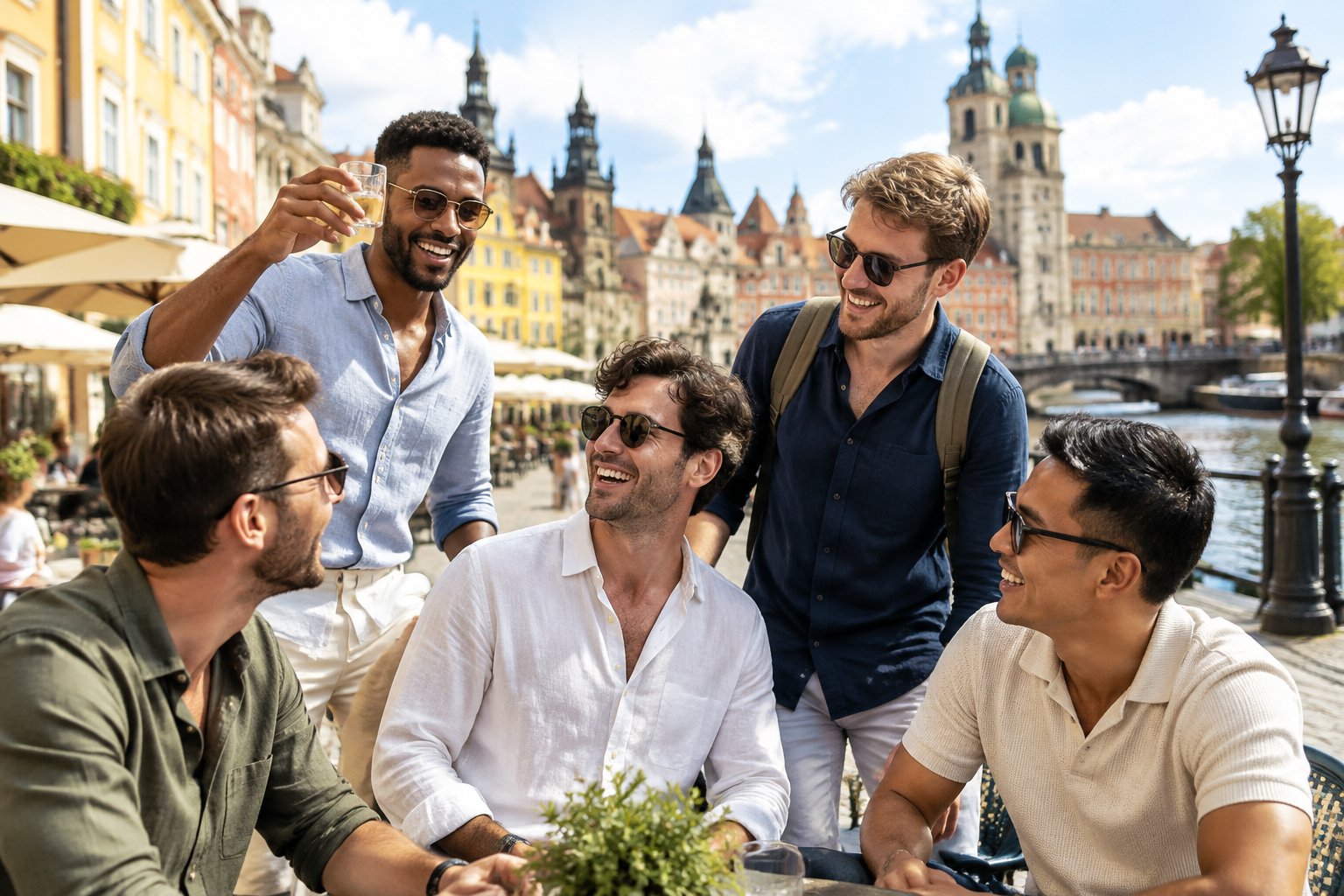
A stag do abroad works best when the destination matches the groom and the group. You can spend a weekend exploring historic streets, racing through outdoor activities, relaxing by the sea, or staying out until sunrise.
The best European stag do destinations also offer practical flight routes, shared accommodation, and enough options for different budgets. Start by agreeing on your budget, travel dates, and preferred party atmosphere.
Then compare the cities below and shortlist two or three options before prices rise. If you want help turning your choice into a smooth stag weekend, contact a specialist that serves your preferred destination and group size.
How to Choose the Right City for Your Group
Choose a city that fits the groom’s priorities, keeps travel simple, and offers a clear budget for accommodation, activities, food, and nightlife. A compact center helps your group spend less time in taxis and more time enjoying the weekend.

A budget-friendly stag do often works best in Eastern Europe, where food, drinks, transport, and activities can cost less. Western Europe brings famous nightlife, major attractions, and broad flight networks, with higher prices in popular cities.
Travel insurance, airport transfers, and deposits belong in the budget from the beginning.
Match the Destination to the Groom’s Priorities
Ask what the groom wants to remember. A beer-focused group could choose Prague, while a beach-loving group may prefer Barcelona or Albufeira.
Budapest suits groups that want nightlife and thermal baths. Krakow works well for competitive stag activities, historic streets, and affordable evenings.
Consider the group’s pace too. A packed city offers clubs, tours, and late restaurants close together. A resort gives you pool time, beach bars, water sports, and a simpler daily plan.
Choose activities that include the whole group, with a quieter option for anyone who needs a break.
Eastern Europe vs. Western Europe: What Changes?
Eastern Europe often offers lower daily spending and compact nightlife districts. Prague, Budapest, Krakow, Riga, and Sofia give you strong value for meals, local drinks, taxis, and group bookings.
Western Europe offers major club scenes, coastal settings, and well-known attractions. Barcelona, Amsterdam, Dublin, and Berlin bring strong nightlife with higher accommodation and entry costs.
Compare the complete trip price, including luggage, transfers, club tickets, meals, and travel insurance.
How Much Should a Stag Weekend Cost?
For a two-night trip, plan around $350 to $650 per person for return travel, shared accommodation, one main activity, food, local transport, and nightlife. Premium beach clubs, private boats, festival dates, and major sporting weekends push the total higher.
Keep a 15% to 20% reserve for unexpected taxis, luggage fees, deposits, and extra meals. Confirm the headcount before booking rooms, then collect deposits with a written breakdown of every shared cost.
Best All-Round Cities for Nightlife and Value
Prague, Budapest, and Krakow offer the strongest mix of nightlife, walkability, daytime activities, and value for most groups. Riga, Bratislava, Sofia, and Gdansk suit smaller groups that want lower daily costs and a calmer pace.

Prague: Cheap Beer, Big Clubs, and Classic Stag Activities
Prague remains one of the best stag do locations in Europe for a group that wants classic nightlife at manageable prices. Stay near the Old Town or Wenceslas Square for easy access to restaurants, bars, and clubs.
Use the daytime for Charles Bridge, a brewery tour, or a beer bike booking. In the evening, try local pilsner, visit a beer garden, and plan a club stop at Karlovy Lazne.
A tasting focused on Pilsner Urquell adds a local touch without filling the schedule with expensive attractions.
Budapest: Ruin Bars, Baths, and Late Nights
Budapest combines late-night energy with an easy recovery day. The city’s ruin bars, especially Szimpla Kert, give your group a distinctive setting for drinks, while the thermal baths provide a relaxed daytime plan.
Book a visit to the Széchenyi Thermal Bath and check dates for thermal bath parties, often called sparties. Choose a food stop in the Jewish Quarter before moving through the bars.
Stay close to the nightlife district to reduce taxi costs after midnight.
Krakow: Culture, Vodka, and Competitive Daytime Plans
Krakow suits groups that want affordable nightlife with plenty of daytime structure. The Old Town and Kazimierz keep restaurants, bars, and meeting points close together, making a Krakow stag do easy to organize.
Add a vodka tasting, shooting session, go-karting, or paintball. A guided walk through the historic center gives the group a low-cost activity before dinner.
Polish beer, casual food, and compact neighborhoods help you control spending across the weekend.
Riga and Bratislava: Smaller-City Alternatives
Riga gives you Art Nouveau streets, a compact center, and busy bars without the scale of Prague or Budapest. Bratislava offers a walkable old town, riverside restaurants, and nightlife around the main square.
Both cities work for groups that prefer short transfers and a manageable schedule. Check direct flight times first, since an indirect route can remove the savings created by lower local prices.
Sofia and Gdansk: Affordable Choices to Consider
Sofia brings low-cost food, local beer, lively bars, and mountain views. You can add a daytime trip outside the city or keep the weekend focused on a pub crawl and relaxed meals.
Gdansk offers colorful streets, waterfront walks, cheap beer, and a slower nightlife pace. It suits a group that wants a scenic city break with enough bars for an evening out.
Book near the historic center so restaurants and meeting points stay within walking distance.
Where to Go for Sun, Beaches, and Big Nights
Barcelona is the best city-and-beach choice, while Albufeira and Benidorm offer easy resort planning at lower costs. Ibiza, Hvar, Marbella, and Magaluf suit groups that place wild nightlife and beach venues at the center of the trip.

Barcelona: Beach Clubs, Football, and City Energy
Barcelona gives you beaches, late dinners, clubs, and major sights in one city. Base your group near Eixample, El Born, or the beach for easier evening travel.
Plan a beach club afternoon, tapas dinner, and a walk through the Gothic Quarter. Football fans can add an FC Barcelona experience or visit Camp Nou, subject to the current stadium schedule.
Boat parties and water sports work well during warmer months, while the city’s restaurants provide a strong backup for cooler weather.
Lisbon and Albufeira: Portugal’s Flexible Party Breaks
Lisbon works for groups that want food, views, nightlife, and coastal activities. Explore Bairro Alto after dinner, then plan a daytime trip for surfing, a private boat, or a coastal walk.
A Lisbon stag do gives you more city culture and varied dining. Albufeira offers sandy beaches, resort bars, boat trips, and a focused party strip in the Algarve.
Choose Lisbon for a mixed itinerary and Albufeira for simple beach days with late nights.
Benidorm, Marbella, and Magaluf: Straightforward Resort Fun
Benidorm keeps hotels, beaches, bars, and clubs close together. Your group can book a pool day, beach activity, or boat trip with limited transport planning.
Marbella brings polished restaurants, beach clubs, and nightlife around Puerto Banus, with a higher budget for venues and transfers. Magaluf suits groups seeking a focused party resort with busy clubs and beach venues.
Confirm hotel occupancy rules and noise policies before paying a deposit.
Ibiza, Hvar, and Tenerife: Islands for Different Budgets
Ibiza is built for groups that want famous clubs, beach clubs, and boat parties. Pacha and similar venues come with entry fees, transport costs, and premium drink prices, so set the nightly budget before booking.
Hvar offers Adriatic scenery, boat days, and a lively waterfront during peak season. Tenerife gives you more price flexibility, with beaches, water sports, resort nightlife, and island excursions.
A beach stag do needs a backup plan for wind, rain, or boat cancellations.
Alternative Party Capitals With Distinctive Experiences
Amsterdam, Berlin, Hamburg, and Dublin give you distinctive nightlife, strong food scenes, and memorable cultural activities, with higher average costs in the busiest areas. They suit groups that value character and major attractions alongside evening plans.
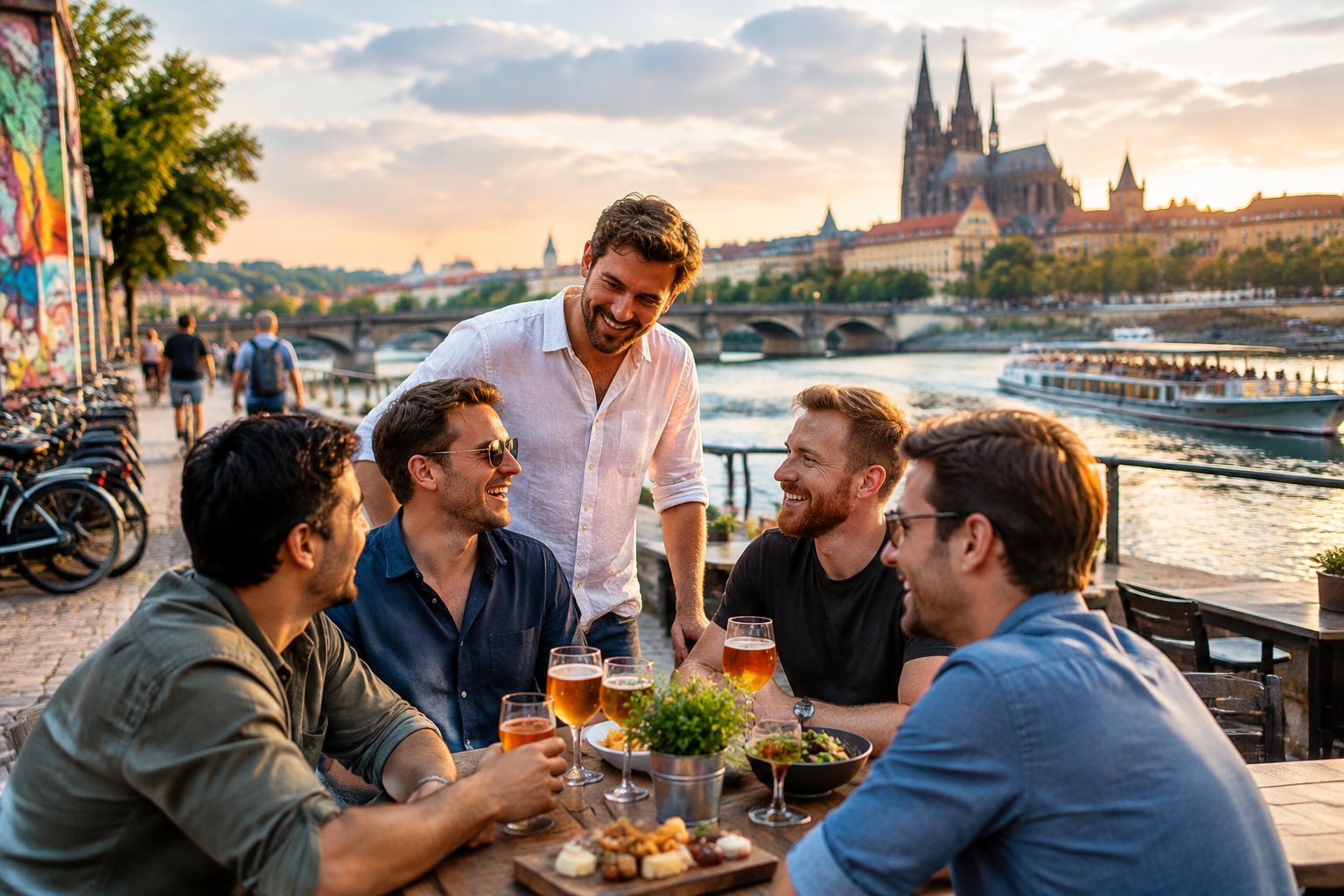
Amsterdam: Canals, Breweries, and Higher Costs
Amsterdam combines canal neighborhoods, brewery tours, restaurants, and late bars. A canal cruise creates an easy opening activity, followed by local food and a planned nightlife route.
The Red Light District has strict rules around behavior, photography, and public conduct. Respect signs, residents, workers, and venue policies.
Accommodation and drinks cost more than in Krakow or Sofia, so book rooms and group activities early.
Berlin and Hamburg: Techno, History, and Late-Night Culture
Berlin suits groups that want techno, street art, history, and late nights. Berghain and Sisyphos have selective entry policies and long queues, so build a backup plan with other clubs, bars, or a comedy show.
A Berlin Wall walk, go-karting session, and currywurst stop add variety to the day. Hamburg centers its nightlife around the Reeperbahn, with music venues, bars, and late food.
Add a harbor tour or brewery visit during daylight. Oktoberfest-style events and major festivals can raise prices and fill accommodation quickly.
Dublin: Pubs, Guinness, and a Social Weekend
Dublin works for groups that want conversation, live music, and a friendly pub atmosphere. Add a Guinness Storehouse visit, a traditional music session, and a guided walk before heading to Temple Bar.
The city suits a social weekend with fewer scheduled activities. Accommodation near the center costs more during major matches, concerts, and holiday dates, so check the event calendar before booking.
Build a Weekend Around More Than Drinking
Choose one well-organized daytime activity, one relaxed recovery plan, and a clear agreement about respectful behavior before the first night out. This keeps the group engaged and gives everyone a way to enjoy the weekend.
High-Energy Activities for Competitive Groups
Paintball, paintballing, shooting ranges, tank driving, and go-karting give your group a shared challenge. Book an activity with a fixed meeting point, clear safety rules, and enough time for travel.
Choose one main event instead of filling every hour with bookings. A two-hour activity followed by a meal leaves room for delays, showers, and rest.
Recovery Plans and Relaxed Daytime Options
Plan a slow morning after the busiest night. Thermal baths, a food tour, a river cruise, a beach afternoon, or a long lunch gives the group time to reset.
Choose accommodation with easy access to food and transport. Keep water, snacks, phone chargers, and basic medication available in the apartment or hotel.
How to Plan a Respectful Night Out
Agree on a meeting point, buddy system, spending limit, and emergency contact before leaving. Follow local laws and venue rules, and treat residents, staff, performers, and workers with respect.
If the group visits strip clubs, confirm prices, entry terms, dress rules, and payment methods before entering. Skip venues that use pressure tactics or unclear charges.
Respect anyone who chooses to leave or avoid a venue.
When to Go and What to Book First
Book flights and central accommodation first, then reserve the main activity and any nightlife venues that require tickets or deposits. Shoulder-season dates can lower costs while keeping city breaks comfortable and beach resorts active.
Best Months for City Breaks and Beach Resorts
April through June and September through October suit many European city breaks, with comfortable sightseeing weather and fewer peak-season pressures. July and August bring strong beach conditions, busy nightlife, and higher prices across coastal destinations.
Winter city breaks work well for Prague, Budapest, Berlin, and Dublin when your group prefers pubs, clubs, food, and indoor activities. Check festivals, sporting events, school holidays, and public holidays before selecting dates.
Accommodation, Flights, and Group Transport
Reserve accommodation after confirming the headcount. Choose central rooms with clear occupancy rules, late check-in details, luggage storage, and cancellation terms.
Compare cheap flights by total cost, including baggage, seat selection, airport transfers, and inconvenient arrival times. Pre-book a group transfer when everyone lands together.
For larger groups, confirm vehicle capacity and pickup instructions in writing.
Nightlife Rules, Reservations, and Backup Plans
Check venue dress codes, age rules, ticket terms, and opening times before the trip. Reserve restaurants and popular activities for the group’s preferred time, then keep one flexible evening for spontaneous plans.
Write down the address of each meeting point and save offline maps. Keep a second club, restaurant, or daytime activity available in case of queues, weather problems, cancellations, or a change in the group’s energy.