
Florist Order Online for Wedding: A Simple Buying Guide
Ordering wedding flowers online gives you a clear way to compare styles, quantities, delivery dates, and prices before you commit. For most couples, a reputable online florist with pre-assembled bouquets suits a wedding because you can choose coordinated bridal flowers and have them delivered ready to use. A local florist remains a strong choice when you need venue setup, large installations, or custom designs.
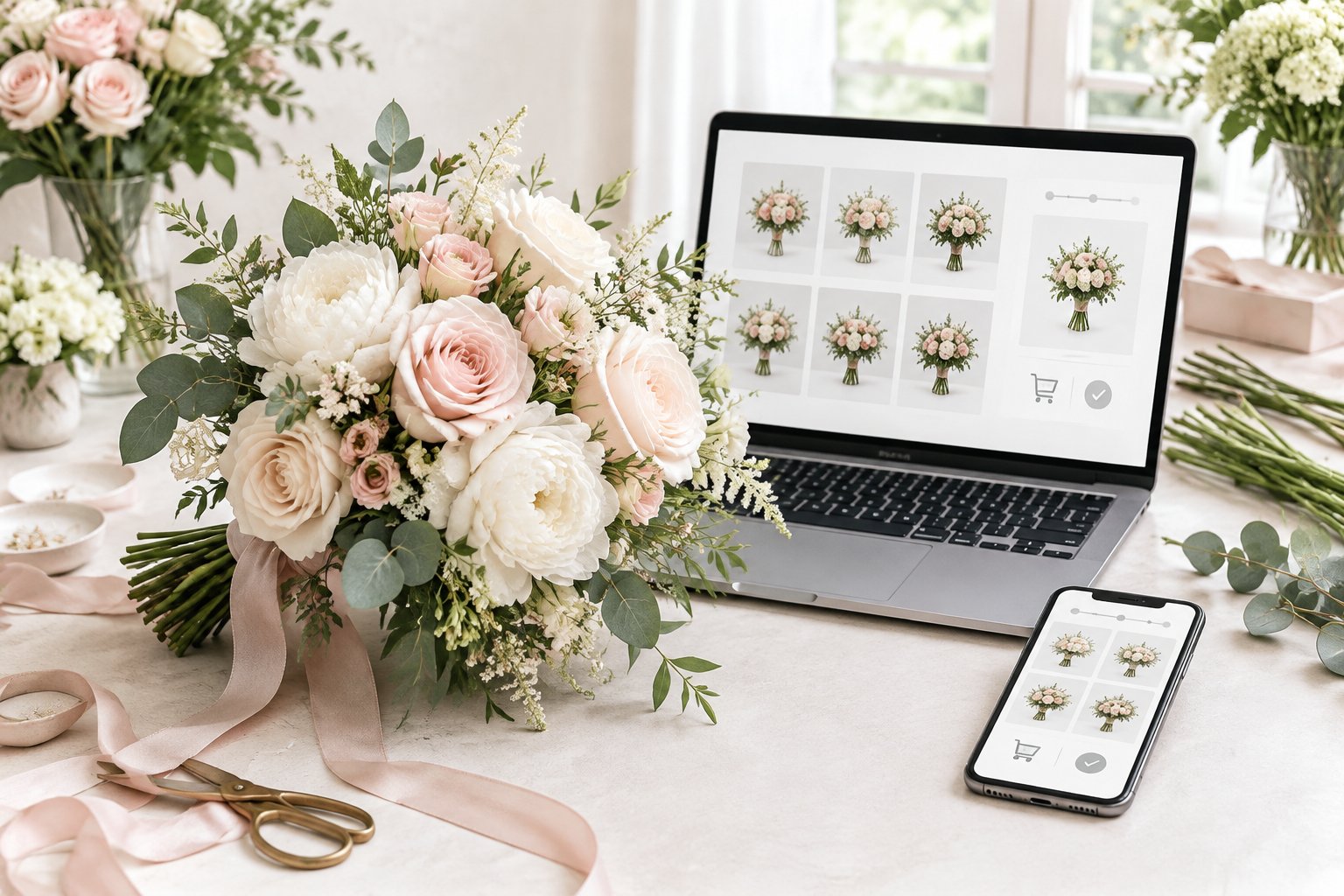
Start by setting your color palette, wedding date, delivery address, and floral budget. Then compare the service details that affect your wedding day, including freshness protection, replacement policies, delivery timing, and setup. If you want help choosing between options, explore this guide to whether it is better to order from a local florist or online, then select the service that fits your plans.
Choose the Right Online Wedding Flower Service
Choose an online service based on the level of design help, delivery support, and customization your wedding requires. Local florists provide personal guidance, full-service studios handle event logistics, and shipped packages offer a convenient path to coordinated bouquets.
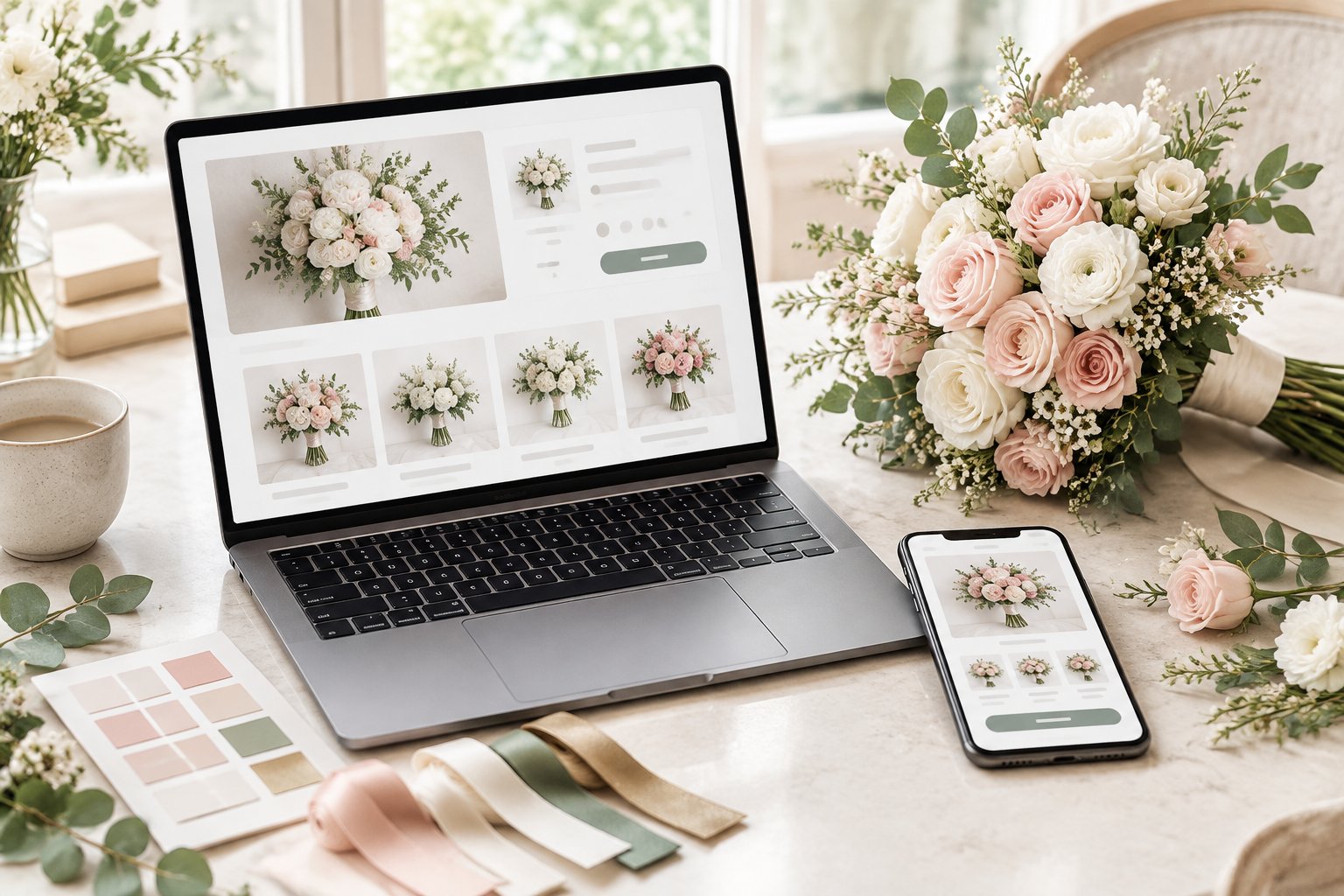
Should You Use a Local Florist, Full-Service Studio, or Shipped Package?
A local florist works well when you want a consultation, local flower knowledge, and direct communication about your venue. Ask whether the florist designs wedding flowers, delivers to your location, and offers setup or breakdown.
A full-service studio suits weddings with ceremony arches, reception installations, large centerpieces, or tight venue schedules. You pay for design labor and event support, while the studio coordinates more of the floral work.
A shipped package fits couples who want pre-designed bouquets and personal flowers delivered to a home or hotel. This option gives you a shorter ordering process and clear package choices. Confirm whether the flowers arrive fully assembled, partially arranged, or as loose stems.
What Is Included in Ready-Made Wedding Flower Packages?
Ready-made packages may include a bridal bouquet, bridesmaid bouquets, boutonnieres, and corsages. Some packages add ceremony arrangements, centerpieces, flower-girl flowers, or extra greenery.
Read the item list carefully before paying. Check bouquet sizes, flower substitutions, color choices, stem treatment, containers, and care instructions. A package with fewer floral pieces may suit a small wedding, while a larger collection can coordinate the entire bridal party.
How to Check Delivery, Setup, and Freshness Guarantees
Look for a firm delivery date that gives you time to inspect and condition the flowers before the ceremony. Ask whether the service uses protective packaging, hydration materials, temperature control, and a damage-replacement policy.
Confirm the delivery address and time window in writing. Venue delivery requires the complete street address, a venue contact, loading instructions, and a preferred arrival time. If you need someone to place arrangements on tables or install an arch, verify that setup is included in the quoted price.
Build Your Wedding Flower Order
Build your order from personal flowers first, then add ceremony and reception pieces according to your venue and guest count. A written flower list prevents missed items and makes online quantities easier to check.
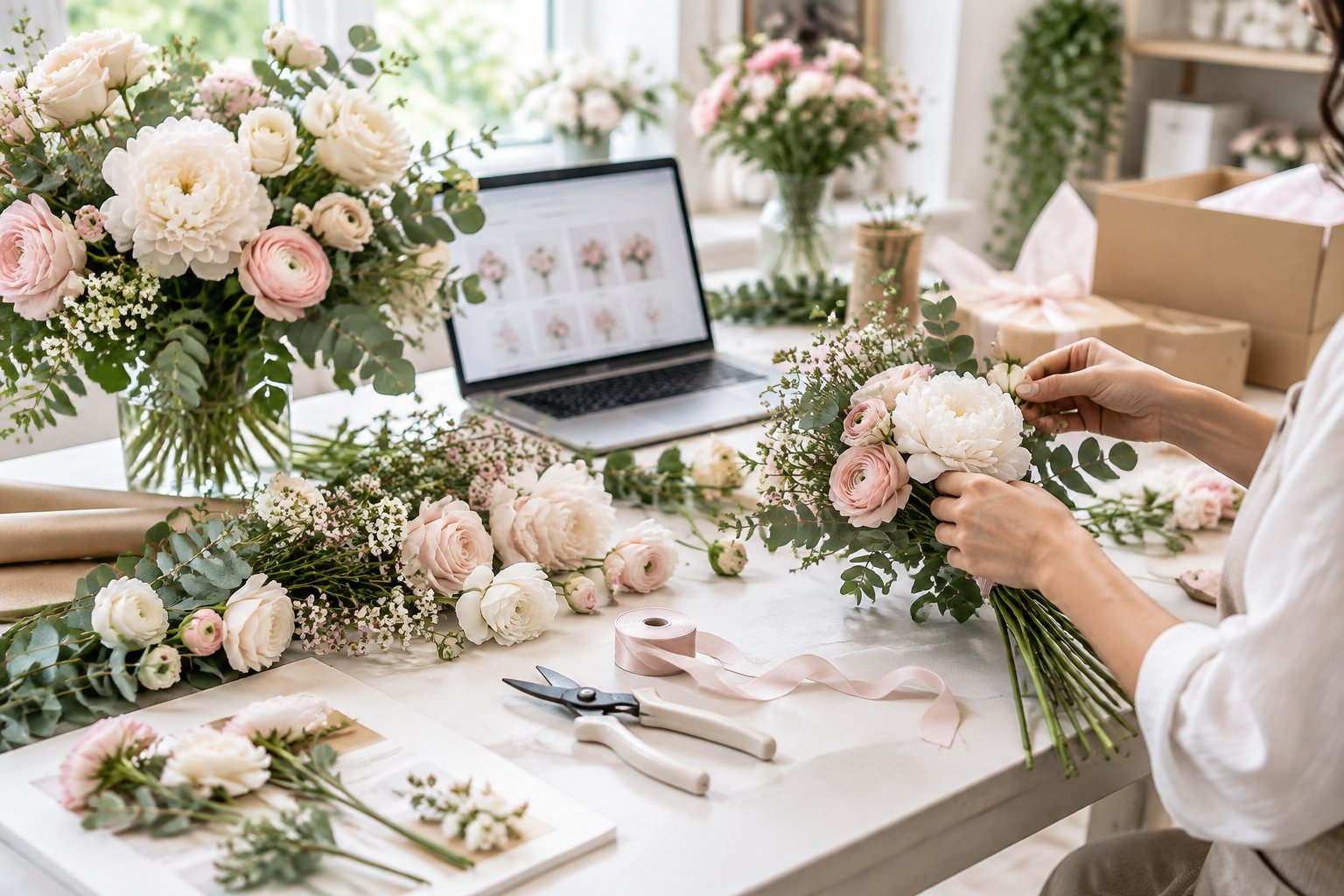
Which Personal Flowers Do You Need?
Start with the bridal bouquet, then list flowers for each person who will take part in the ceremony. Your order might include:
-
One bridal bouquet
-
Bridesmaid bouquets
-
Boutonnieres or buttonholes for partners, attendants, family members, and honored guests
-
Corsages for mothers, grandmothers, or other family members
-
A toss bouquet
-
Flower-girl petals, a small bouquet, or a floral crown
-
Hair flowers or a cake decoration
Use the wedding party list to assign each piece. If someone will carry a bouquet, include their name and flower style in your planning notes. A smaller bouquet for attendants keeps the bridal bouquet visually distinct.
How Many Bridesmaid Bouquets, Boutonnieres, and Corsages Should You Order?
Order one bridesmaid bouquet for each bridesmaid who will carry flowers. Order one boutonniere or buttonhole for every person who will wear one, including the couple, wedding party, parents, grandparents, ushers, or officiant.
Order one corsage for every honored guest who will wear one. Wrist corsages and pin-on corsages have different attachment methods, so choose the format before checkout. Add a toss bouquet if you want to keep your bridal bouquet.
When Do You Need Ceremony and Reception Arrangements?
Ceremony flowers include aisle markers, altar arrangements, arch flowers, welcome-table arrangements, and flower petals. Reception pieces include centerpieces, head-table flowers, cake flowers, bar arrangements, and sweetheart-table décor.
Count tables from the venue floor plan before ordering centerpieces. Ask whether ceremony arrangements can move to the reception after the vows. This reuse plan can reduce the number of arrangements you need while keeping important spaces decorated.
Match Flowers to Your Theme and Season
Match your wedding theme to a bouquet shape, color palette, and flower availability before selecting individual blooms. Seasonal choices help you control price and make substitutions easier when a specific flower is unavailable.
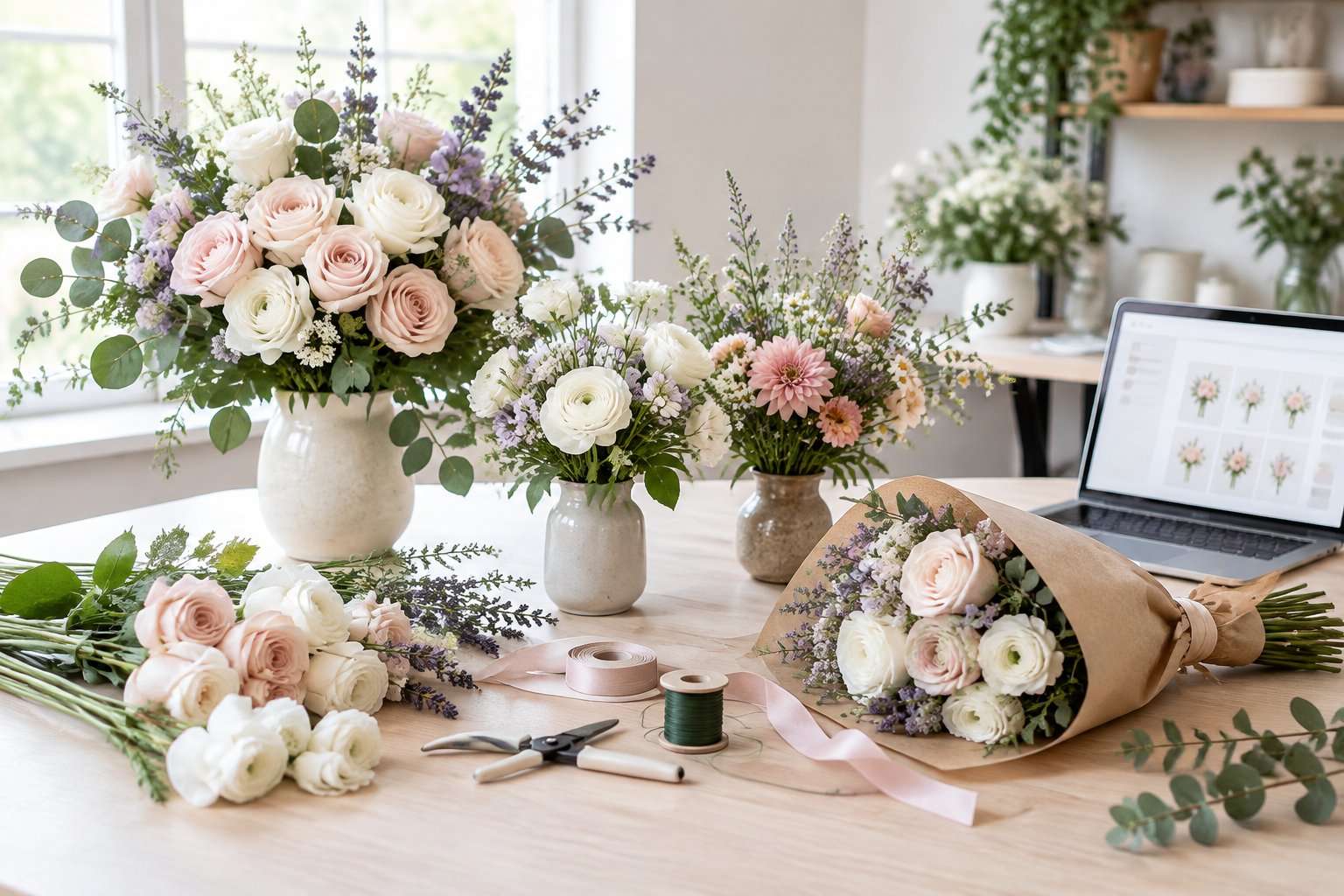
How to Choose a Bouquet Style for the Bride
Choose the bouquet shape after considering your dress, venue, and wedding theme. A compact round bouquet suits a clean, classic dress. A loose garden bouquet works with an outdoor or romantic setting. A cascading design creates movement for a formal gown with a longer silhouette.
Use your wedding colors as a guide, then choose one main flower and supporting blooms. Your bouquet should stand out from the dress while sharing colors with the attendants’ flowers or reception décor. Save photos of bouquets you like and show the images to your florist before ordering.
Which Flowers Work Best for a Classic White Wedding?
Classic white wedding flowers pair well with white roses, lisianthus, hydrangeas, carnations, orchids, and seasonal greenery. Mix flower shapes and textures so an all-white arrangement has depth in photographs.
White roses create a traditional focal point. Hydrangeas add volume, while greenery frames the bouquet and gives the design a natural finish. Ask how the florist handles white blooms, since ivory, cream, and bright white can look different beside your dress.
When Are Roses, Daisies, and Mixed Bouquets in Season?
Roses are available throughout the year, with garden roses offering a fuller shape during their strongest growing months. Daisies provide a cheerful look and work well in spring, summer, and casual outdoor designs.
Mixed bouquets give you more flexibility because the florist can replace one seasonal bloom with a similar flower. Spring weddings suit tulips, ranunculus, and sweet peas. Summer supports garden roses, dahlias, and hydrangeas. Fall designs work with dahlias, chrysanthemums, and warm foliage. Winter arrangements can use roses, anemones, tulips, evergreens, and eucalyptus.
How Much Do Online Wedding Flowers Cost?
Online wedding flower costs range from a few hundred dollars for personal flowers to several thousand dollars for ceremony and reception décor. Your guest count, flower choices, design size, delivery distance, and service level set the final price.
Typical Prices for Bridal Party Flowers
Common planning ranges include:
-
Bridal bouquet: $150 to $500 or more
-
Bridesmaid bouquets: $65 to $200 each
-
Boutonnieres: $15 to $50 each
-
Corsages: $25 to $75 each
-
Centerpieces: $75 to $400 or more per table
-
Ceremony arrangements: $400 to $2,500 or more for larger designs
Online packages can reduce design and consultation costs, especially when the pieces use a shared color palette. Check whether shipping, taxes, containers, delivery, and setup appear separately at checkout. For more planning guidance, review how much you should spend on wedding flowers.
What Affects the Cost of Wedding Flower Delivery?
Premium flowers, large bouquets, out-of-season blooms, rush service, and long-distance delivery raise the total. Venue access also affects labor when the florist must carry arrangements upstairs, unload at a restricted entrance, or return for rental pickup.
Delivery fees may cover transportation only. Setup, table placement, arch installation, breakdown, and container collection can require separate charges. Request an itemized quote that lists the flower pieces, delivery window, taxes, service fees, and any labor.
How to Save Without Sacrificing the Look
Choose seasonal flowers and use greenery to add volume. Focus your budget on the bridal bouquet, ceremony backdrop, and head table, where guests and photographers spend the most time.
Reuse ceremony flowers at the reception when the schedule and venue allow it. Choose smaller bridesmaid bouquets, single-flower designs, or ready-made packages with coordinated pieces. A hybrid plan can also work well: use a professional florist for personal flowers and order simpler reception arrangements online.
Place Your Order With Confidence
Place your order after you confirm the date, quantities, delivery address, and care plan. A clear order record gives you and your florist the same details for every bouquet and arrangement.
When Should You Order Wedding Flowers Online?
Order personal flowers at least six to eight weeks before the wedding when the service offers scheduled delivery. Place full-service or custom orders several months earlier, especially for popular dates, large installations, or specialty flowers.
Schedule delivery one or two days before the wedding when the flowers need conditioning at home or a hotel. Confirm the service’s delivery window and cancellation deadline before submitting payment. This wedding flower ordering timeline can help you set dates for consultations, payment, delivery, and care.
What Details Should You Give Your Florist?
Give your florist the wedding date, delivery date, venue address, ceremony time, reception time, and a reliable day-of contact. Include the number of attendants and every personal flower required.
Share your color palette, bouquet photos, dress style, venue mood, flower preferences, allergy concerns, and substitution preferences. Tell the florist which blooms are essential and which can change. Ask for the final piece count, delivery charge, setup terms, replacement policy, and care instructions in writing.
How to Prepare for Delivery and Wedding-Day Care
Assign one person to receive the flowers and inspect every box as soon as it arrives. Photograph any damage, follow the florist’s hydration instructions, and keep the flowers in a cool indoor space away from direct sun, heaters, and fruit.
Keep bouquets upright in clean water when the design allows it. Store boutonnieres and corsages according to the florist’s directions, since some pieces require refrigeration while others need a cool room. Bring the order list to the venue so each bouquet, boutonniere, buttonhole, and corsage reaches the right person.