
Flower Cost Wedding: Budget and Price Guide
Your flower cost wedding budget will usually fall between $2,500 and $5,000 in the US, while smaller floral plans may start near $1,500 and lush designs with arches or hanging installations can exceed $7,500. Your guest count, flower choices, wedding date, design style, and florist services all shape the final wedding flower cost.
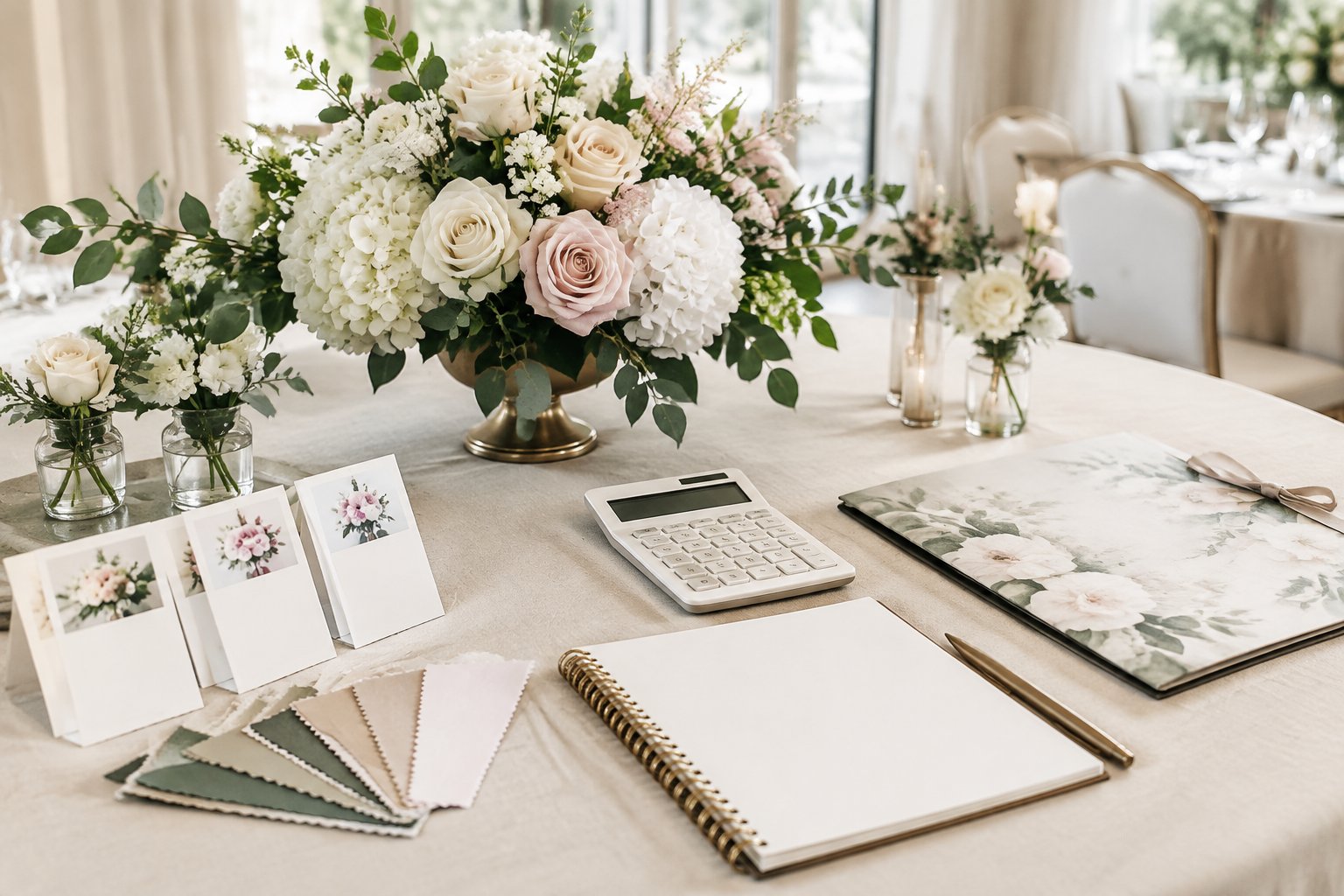
A practical starting point is 8% to 13% of your total wedding budget. For a $30,000 wedding, that creates a floral allowance of about $2,400 to $3,900. A modest celebration with seasonal blooms may cost less, while a large event with abundant table designs and ceremony decor needs more room.
Your wedding flowers cost includes more than the stems. The quote may cover design labor, flower processing, containers, delivery, setup, rentals, and removal. Set your spending limit before you choose specific blooms, then ask a wedding florist to build a proposal around your priorities. You can also explore more wedding flowers for style ideas before requesting quotes.
What Should You Budget for Wedding Flowers?
Plan about $2,500 to $5,000 for average US wedding flowers, with 8% to 13% of your wedding budget reserved for florals. Your preferred scale and the number of arrangements determine where your celebration lands within that range.
Average Spend in the UK and US
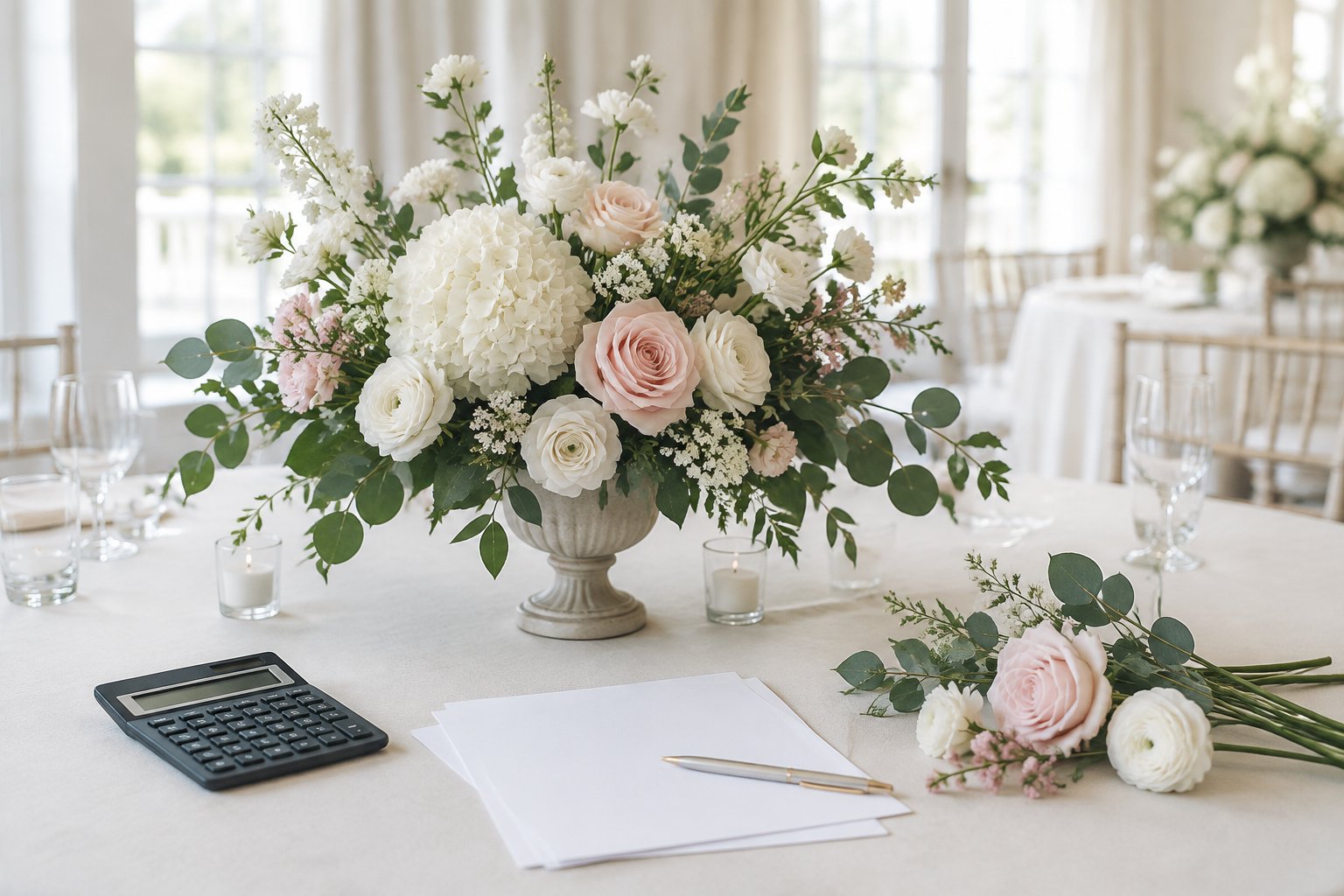
The average cost of wedding flowers in the US sits near $2,500 to $5,000 for many celebrations. A smaller plan with personal flowers and light reception decor may fall between $1,500 and $2,500. Full-service designs with a floral arch, elevated centerpieces, and extensive setup can reach $7,500 or more.
For comparison, the average cost of wedding flowers in the UK is often quoted in pounds, with bridal bouquets around £80 to £250, centerpieces around £30 to £80 each, and full venue styling from roughly £500 to £3,000 or more. Currency, labor rates, flower supply, and venue expectations create major differences between markets.
How Wedding Size Changes the Total
Wedding size affects your flower bill through table count and personal-flower needs. A 100-guest wedding with 10 reception tables requires fewer centerpieces than a 200-guest event with 20 tables.
Guest count also influences:
-
Bridesmaid bouquets and boutonnières
-
Corsages for family members
-
Aisle markers and chair flowers
-
Welcome-table and escort-card arrangements
-
Delivery time and setup labor
Your venue layout matters alongside guest numbers. A room with eight long tables may need a different floral plan from a room with 15 round tables.
Setting a Floral Allowance Within Your Wedding Budget
Use your full wedding budget to set a starting allowance:
-
$20,000 wedding: $1,600 to $2,600 for flowers
-
$30,000 wedding: $2,400 to $3,900
-
$50,000 wedding: $4,000 to $6,500
Reserve more if a ceremony arch, floral installation, or lush reception design is central to your wedding style. Reserve less when your venue supplies decor, your guest list is small, or you prefer candles and greenery.
Ask each florist whether the proposal includes tax, delivery, setup, breakdown, rental vessels, candles, and venue access fees. These costs can change the final wedding flower prices after the design is approved.
Wedding Flower Cost Breakdown by Item
A complete wedding flower cost breakdown often includes personal flowers, ceremony flowers, reception centerpieces, and service fees. Listing each item helps you choose where to spend and where to simplify.
How Much Does a Bridal Bouquet Cost?
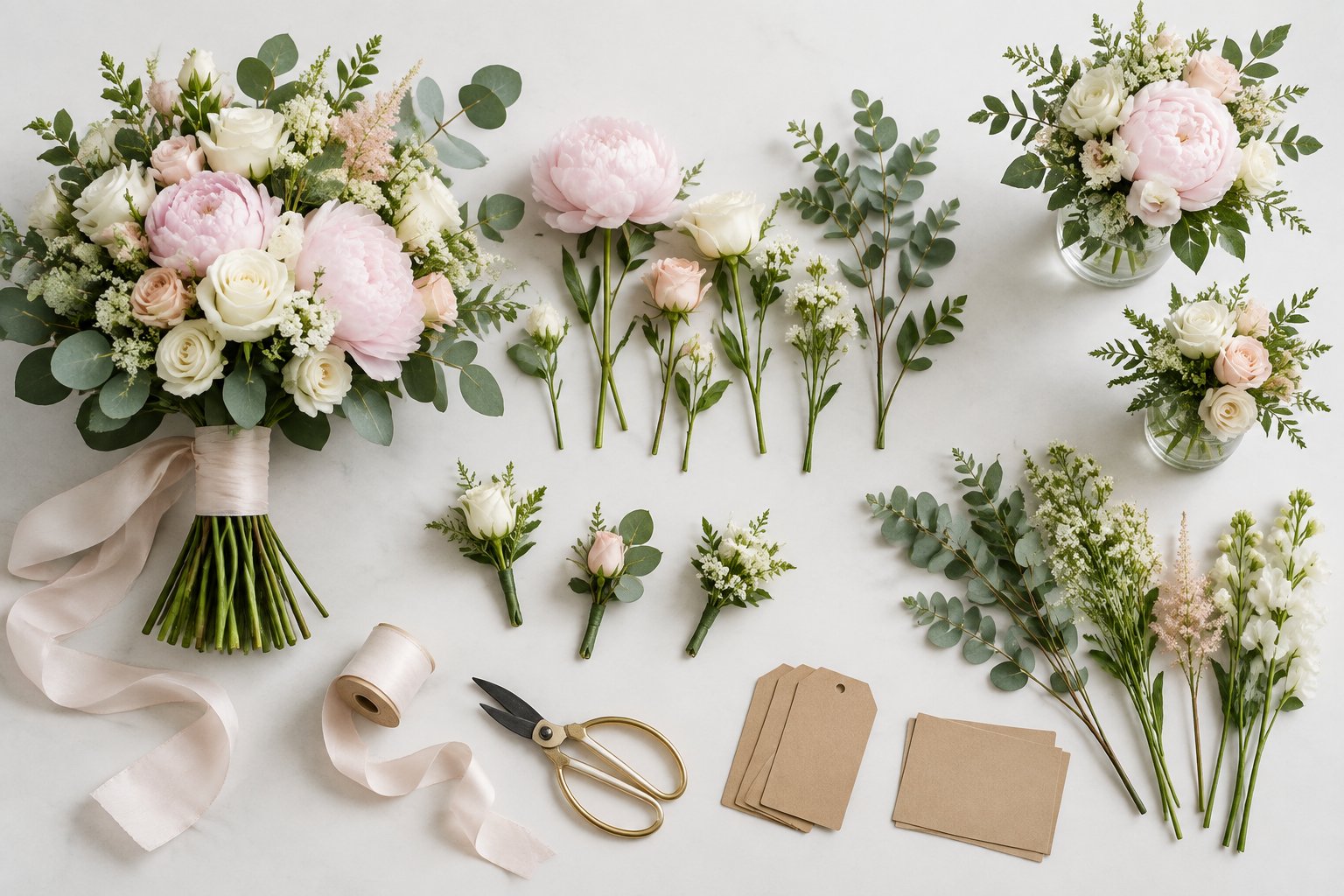
A bridal bouquet costs about $150 to $350, while a large cascading bouquet filled with premium blooms may reach $500 or more. Size, stem count, flower variety, ribbon, mechanics, and design time all affect the price.
A compact hand-tied bouquet uses fewer stems and less construction. A cascading bouquet needs careful placement and added support, especially when the design includes delicate flowers or trailing greenery.
What Do Bridesmaid Bouquets and Personal Flowers Cost?
Bridesmaid bouquets cost about $80 to $150 each. A smaller version of the wedding bouquet keeps the wedding party coordinated while controlling the personal-flowers budget.
Common prices include:
-
Boutonnieres, boutonnières, or buttonholes: $10 to $40 each
-
Corsages: $30 to $75 each
-
Flower girl petals or basket flowers: $30 to $75
-
Flower crowns: $50 to $100
-
Hair flowers: $25 to $150
-
Toss bouquet: $50 to $125
Count every recipient before you ask for a quote. Family flowers for parents and grandparents add up quickly across a large wedding party.
How Much Do Table Centrepieces Cost?
Table centrepieces cost about $75 to $250 each for modest designs, while tall or lush arrangements may reach $500 or more. The table shape, vessel, flower volume, height, candles, and rental pieces affect the price.
For 15 tables, centerpieces alone might total $1,125 to $3,750 before delivery and setup. Low compote designs, bud vases, and candle groupings help stretch the wedding flower budget.
What Do Ceremony Flowers Cost?
Ceremony flowers range from about $500 for light aisle or altar decor to $3,000 or more for a large floral arch. A partial ceremony arch may cost around $800 to $1,800, while a full floral arch requires more flowers, mechanics, and installation labor.
Your ceremony decor may include:
-
Ceremony arch flowers
-
Altar arrangements
-
Aisle arrangements
-
Pew ends
-
Aisle petals
-
Chair flowers
-
Welcome-table flowers
Concentrating flowers at the altar or arch creates a strong focal point for guests and photographs.
What Do Cake and Reception Extras Cost?
Cake flowers cost about $50 to $200, depending on the number of blooms and the placement on the wedding cake. Reception extras can include $100 to $600 for a sweetheart table, $100 to $300 for a bar or welcome table, and added fees for moving ceremony designs.
Other possible costs include:
-
Wedding cake flowers and cake stands
-
Hair flowers
-
Escort-card arrangements
-
Toss bouquet
-
Extra greenery
-
Candles and candle vessels
-
Rental urns, vases, or columns
Request an itemized proposal so each extra has a clear price before you approve the design.
What Makes a Florist Quote More Expensive?
A wedding florist quote rises when you choose premium blooms, complex designs, large quantities, and labor-heavy installation services. The flowers themselves form only part of the price because a professional florist also handles sourcing, conditioning, design, transport, and venue work.
Flower Variety, Seasonality, and Sourcing
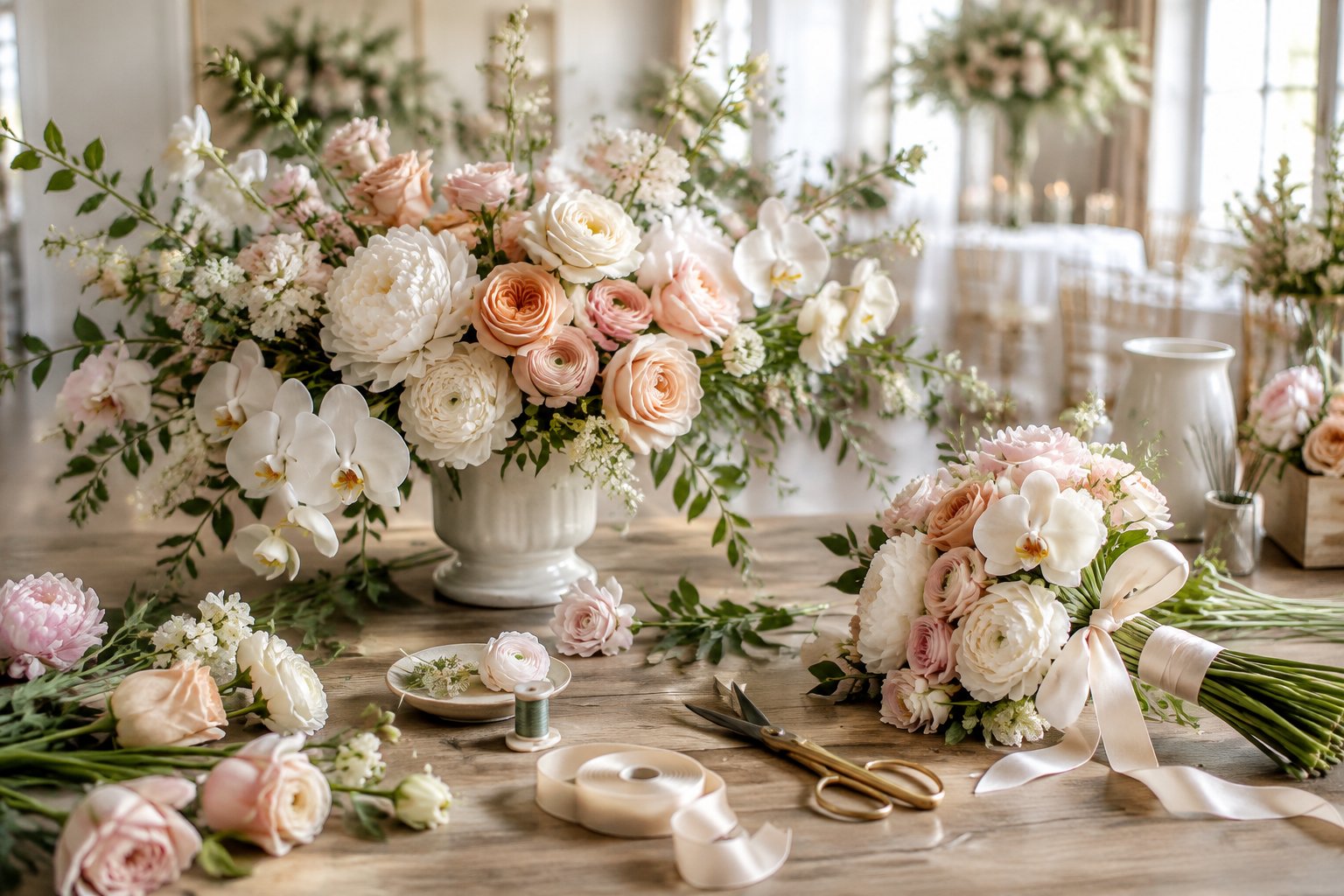
Fresh flowers have different wholesale prices. Peonies, garden roses, orchids, and lily of the valley sit at a higher price point than carnations, standard roses, or filler flowers.
In-season flowers provide better availability and value. Out-of-season requests may require imports, special ordering, extra shipping, or substitute blooms. Ask your florist which flowers will be available near your wedding date and which alternatives match their color and shape.
Your location also affects pricing. Major cities and destination venues may have higher labor, delivery, storage, and rental costs. A remote venue may add travel time and mileage.
Bouquet Shape and Arrangement Complexity
A hand-tied bouquet with a compact shape needs less construction than a large cascading bouquet. Designs with wired stems, delicate flowers, trailing pieces, or many flower varieties take more design time.
Stem count affects cost as well. A small bouquet may use around 25 stems, while a broad garden-style design may need 60 or more. Dense centerpieces require more product and conditioning before the event.
Why Floral Installations Require More Labour
A ceremony arch involves structure, mechanics, flower processing, transport, and secure on-site placement. A hanging floral installation adds access equipment, attachment points, safety checks, and a larger setup crew.
The florist may charge for:
-
Building the structure
-
Preparing floral mechanics
-
Transporting large pieces
-
Installing flowers at the venue
-
Removing designs after the reception
-
Returning rented structures and vessels
Ask who will install and remove the ceremony arch, and confirm the time allowed by your venue.
Delivery, Setup, Rentals, and Removal
Delivery fees cover travel, parking, loading, and transport equipment. Setup covers placing bouquets, centerpieces, ceremony designs, and other decor. Removal applies when the florist collects rental items or dismantles installations after the event.
Your proposal should show whether it includes:
-
Delivery mileage
-
Venue setup
-
Breakdown and removal
-
Arches and stands
-
Vases, compotes, and urns
-
Candles and lanterns
-
Taxes and service charges
A low starting price can rise when these services appear as separate line items, so request the full event total.
Which Wedding Flowers Fit Your Budget?
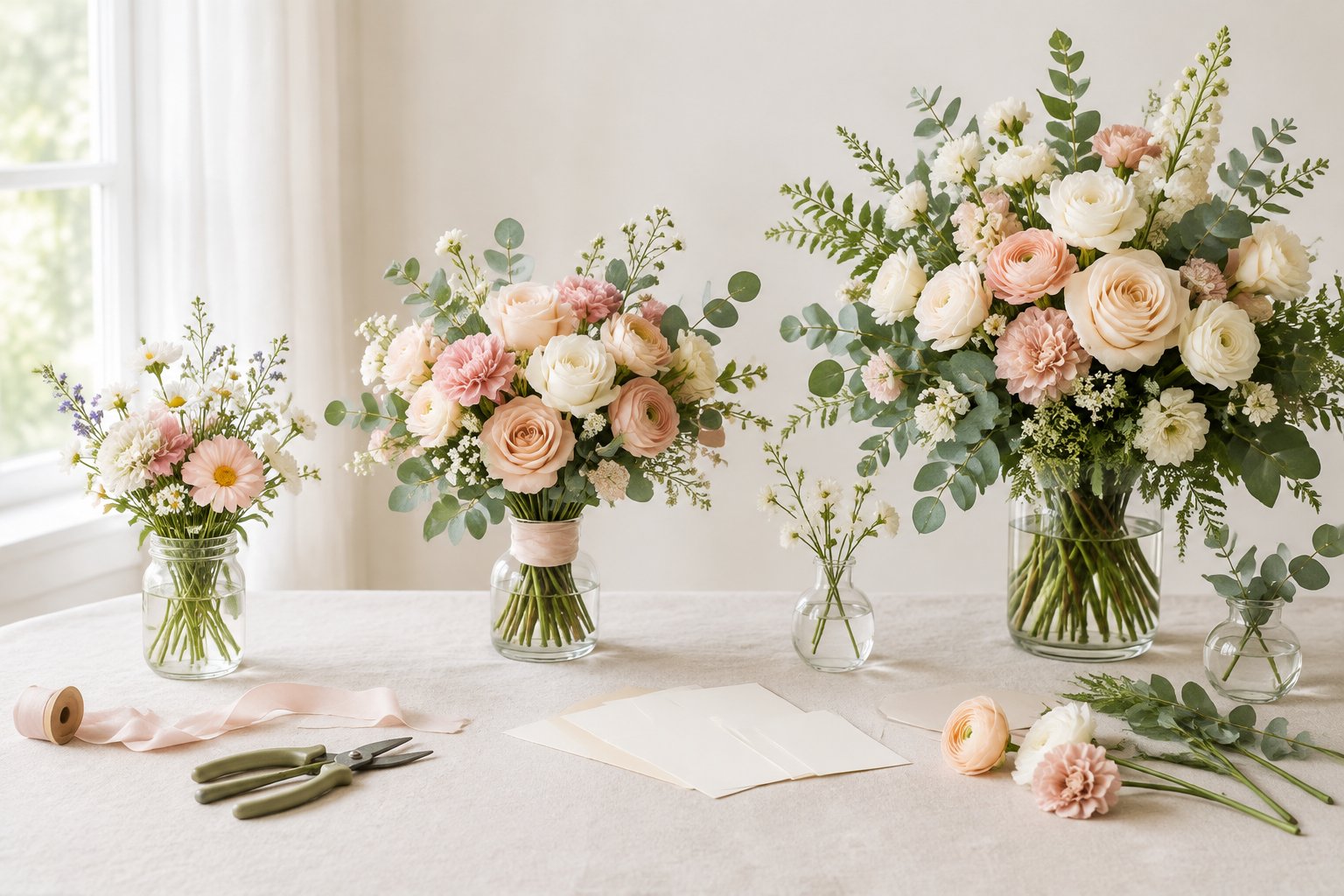
Carnations, daisies, baby’s breath, greenery, and standard roses provide volume at a lower cost, while peonies, garden roses, orchids, and lily of the valley create premium focal points. A flexible flower list lets your florist protect your wedding colour scheme while managing seasonal supply.
Affordable Blooms and Foliage
Affordable choices include carnations, daisies, chrysanthemums, baby’s breath, standard roses, eucalyptus, and ferns. These flowers add texture and fullness across bouquets, aisle arrangements, and table centrepieces.
Greenery gives arrangements shape and volume. Eucalyptus and ferns work well for garlands, low centerpieces, and bouquets. Use a few focal blooms to add color while letting foliage fill the design.
Dried flowers also offer a durable option for selected details, such as bouquets, boutonnières, welcome tables, or small reception accents. Confirm that the texture suits your venue and wedding colour scheme.
Mid-Range Flowers for a Garden-Style Look
Roses, tulips, ranunculus, sweet peas, hydrangeas, and dahlias create a garden-style look at a mid-range price. Their shapes give you variety across bouquets and centerpieces without placing every arrangement at a premium price point.
Hydrangeas provide volume, while tulips and sweet peas add movement. Ranunculus and dahlias bring layered texture. Ask your florist which varieties will be in season on your date.
Premium and Seasonal Statement Flowers
Peonies, garden roses, orchids, lily of the valley, and specialty dahlias can raise your flower bill. Their price reflects demand, growing conditions, availability, stem quality, and shipping.
Use premium blooms in high-visibility areas such as your bridal bouquet, sweetheart table, ceremony arch, or cake flowers. Seasonal availability makes a major difference, so keep a few comparable alternatives available.
Matching Flowers to Your Colour Scheme
Choose your wedding colour scheme before you finalize every flower variety. Share color swatches or fabric samples with your florist, then allow flexibility in flower type and texture.
A neutral palette can combine roses, carnations, baby’s breath, and eucalyptus. A bold palette may use dahlias or tulips as focal blooms with chrysanthemums and greenery for support. Your florist can adjust the mix when a preferred flower is unavailable or priced above your allowance.
How to Save Money on Wedding Flowers
The most effective ways to save money on wedding flowers are focusing on a few high-impact designs, reusing ceremony flowers, choosing seasonal blooms, and limiting labor-heavy installations. You can also reduce costs by combining flowers with greenery, candles, and rented decor.
Choose One or Two High-Impact Floral Moments
Choose the places guests will see and photograph most. A strong bridal bouquet plus a ceremony arch may create more visual impact than small arrangements spread across every surface.
Other high-impact options include:
-
Sweetheart or head table
-
Ceremony altar
-
Reception entrance
-
Welcome table
-
Cake table
Tell your wedding florist which moments matter most. The design team can direct the flower volume toward those areas and simplify lower-priority spaces.
Reuse Ceremony Designs at the Reception
Ask your professional florist to move ceremony flowers after the vows. Altar arrangements can decorate the sweetheart table, while aisle arrangements can move to the bar, welcome table, or reception entrance.
Confirm the transfer plan before signing. The venue needs to allow enough time between the ceremony and reception, and the quote should show any added labor or transport fees.
Use Greenery Garlands, Candles, and Fewer Arrangements
Greenery garlands, eucalyptus, ferns, and candle clusters add texture across long tables. Bud vases can create a lighter look with fewer stems per arrangement.
You can reduce the number of table centrepieces by alternating larger floral designs with candle groupings or small bud-vase clusters. Check your venue rules before using open flames or hanging greenery.
Know When DIY Is Worth the Trade-Off
DIY works best for simple pieces that do not require precise timing, such as bud vases, welcome-table jars, or small reception accents. A professional florist brings flower conditioning, design skill, transport planning, and installation support to wedding-day work.
Fresh flowers need cool storage and careful handling. DIY becomes harder when you need bouquets, boutonnieres, ceremony flowers, and centerpieces ready at the same time. Compare the flower purchase, supplies, storage, transport, and helper time before choosing this route.
Questions to Ask Before Booking a Florist
Ask these questions before approving your wedding flower proposal:
-
What is included in the total price?
-
Which flowers are in season on my wedding date?
-
What alternatives fit my color palette?
-
Are delivery, setup, breakdown, and removal included?
-
Do rentals include arches, vases, stands, and candles?
-
Can ceremony flowers be reused at the reception?
-
How many personal flowers does the quote include?
-
What deposit and payment schedule apply?
-
What happens if a requested flower becomes unavailable?
-
How much time does the venue allow for setup?
A detailed answer to each question gives you a clearer wedding flower budget and reduces surprise charges.