
Flowers for Wedding Cost: A Practical Budget Guide
Wedding flowers often cost about $2,000 to $5,000 for many U.S. weddings in 2026, while a focused order can come in below $2,000 and a full-service design with large installations can exceed $7,500. Your guest count, wedding venue, flower choices, and service needs shape the final wedding flower cost.
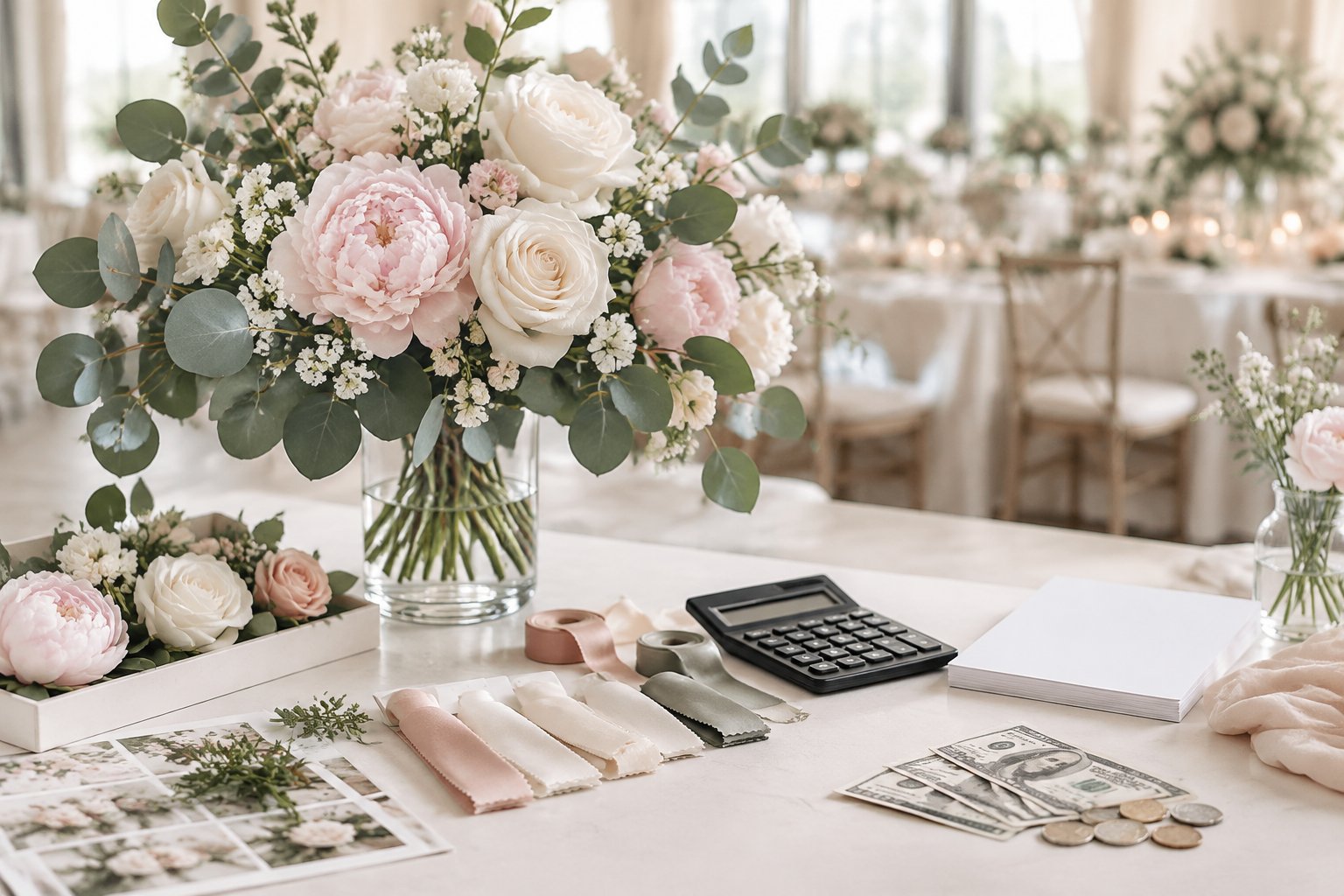
A useful starting point is 8% to 10% of your wedding budget for wedding flowers. If flowers are a major part of your ceremony design and reception decor, set aside more. If you want a bridal bouquet, personal flowers, and a few table arrangements, a smaller floral budget may fit your plans.
Write down the moments you want flowers to frame, then request a detailed proposal from a professional florist. You can also compare your plan with this guide to how much should I spend on my wedding flowers before choosing a wedding florist.
What Is a Realistic Floral Budget?
A realistic floral budget is $2,500 to $5,000 for many U.S. weddings, with full-service designs ranging from about $1,500 to $7,500 or more. A wedding flower cost breakdown becomes easier when you separate personal flowers, ceremony decor, reception arrangements, and florist services.
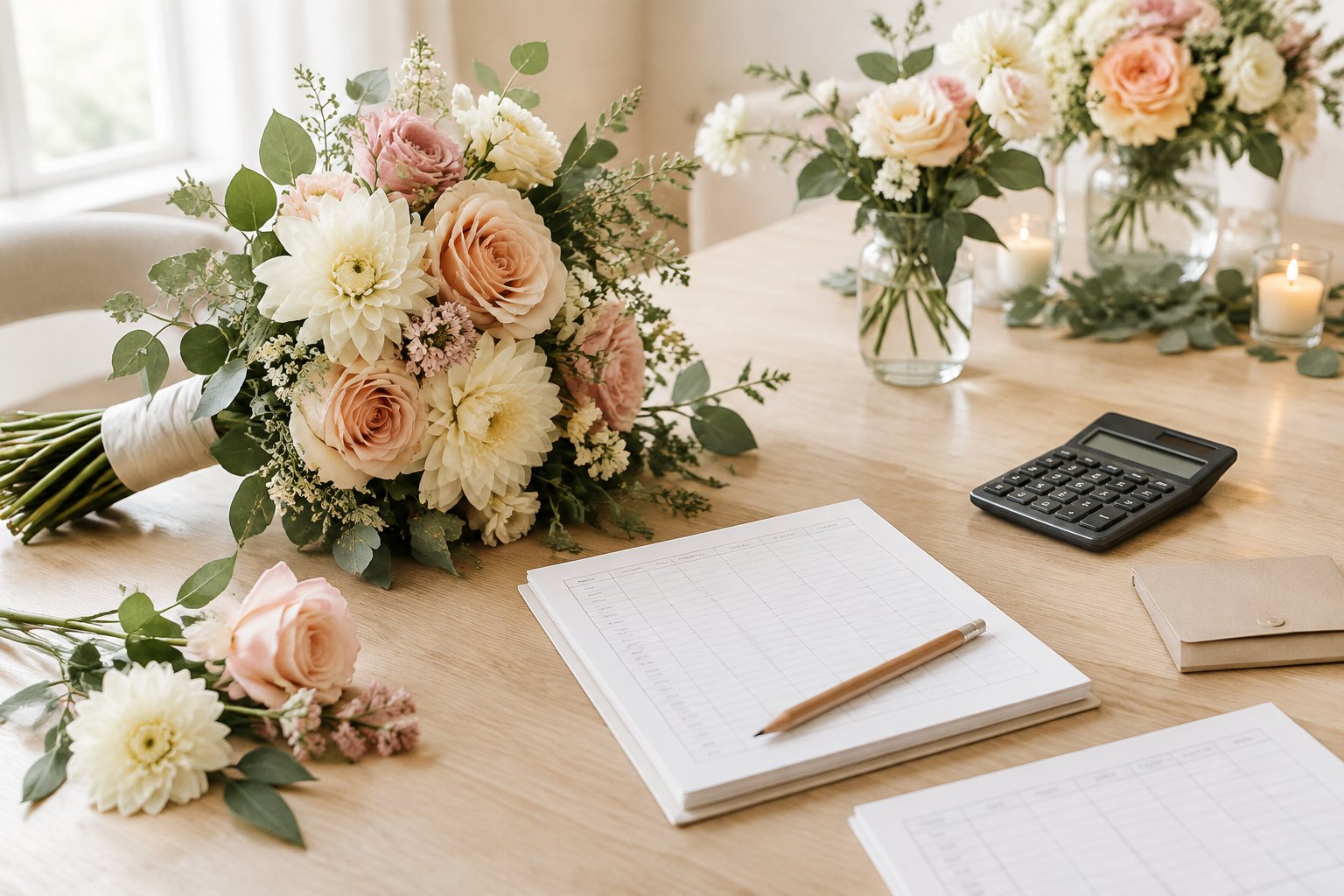
Average Spending Ranges by Budget Tier
Your floral budget can fall into a few broad planning ranges:
- $500 to $1,500: A bridal bouquet, limited personal flowers, simple bud vases, or small reception arrangements.
- $1,500 to $3,500: Personal flowers, ceremony arrangements, and modest reception flowers for a smaller or mid-sized wedding.
- $3,500 to $7,500: A full-service wedding florist, larger centerpieces, ceremony focal pieces, delivery, setup, and strike service.
- $7,500 and above: Large ceremony structures, hanging floral installations, abundant reception decor, premium blooms, or complex venue logistics.
These ranges describe planning targets, not fixed prices. A small wedding with a floral ceremony arch can cost more than a larger celebration with simple table decor.
How Much of the Wedding Budget Should Go to Flowers?
Start with 8% to 10% of your total wedding budget, then adjust for your design priorities. A $30,000 wedding gives you a starting floral budget of $2,400 to $3,000. A $60,000 wedding gives you about $4,800 to $6,000.
Raise that share when you want a ceremony arch, flowers across many reception tables, or custom floral installations. Lower it when you prefer candles, potted plants, rented decor, or greenery-led designs.
Keep delivery, setup, taxes, rentals, and breakdown in your working number. Ask the florist whether each service appears in the quoted total.
How Guest Count and the Wedding Venue Affect Spending
Guest count affects the number of tables, centerpieces, place settings, and personal flowers. A 150-guest wedding usually needs more reception arrangements than a 50-guest celebration, even when the floral style stays the same.
Your wedding venue also changes the quote. A nearby venue with easy loading access takes less labor than a remote site with stairs, long walking paths, or strict delivery windows. Empty ballrooms often require more decor to feel finished, while a garden or historic venue may need fewer large arrangements.
What Does Each Floral Item Cost?
Most couples spend about $250 to $450 for a bridal bouquet, $75 to $150 per bridesmaid bouquet, $20 to $45 per boutonniere, and $80 to $400 per reception centerpiece. Ceremony arches often range from $800 to $3,000, depending on size, flower coverage, structure, and installation time.
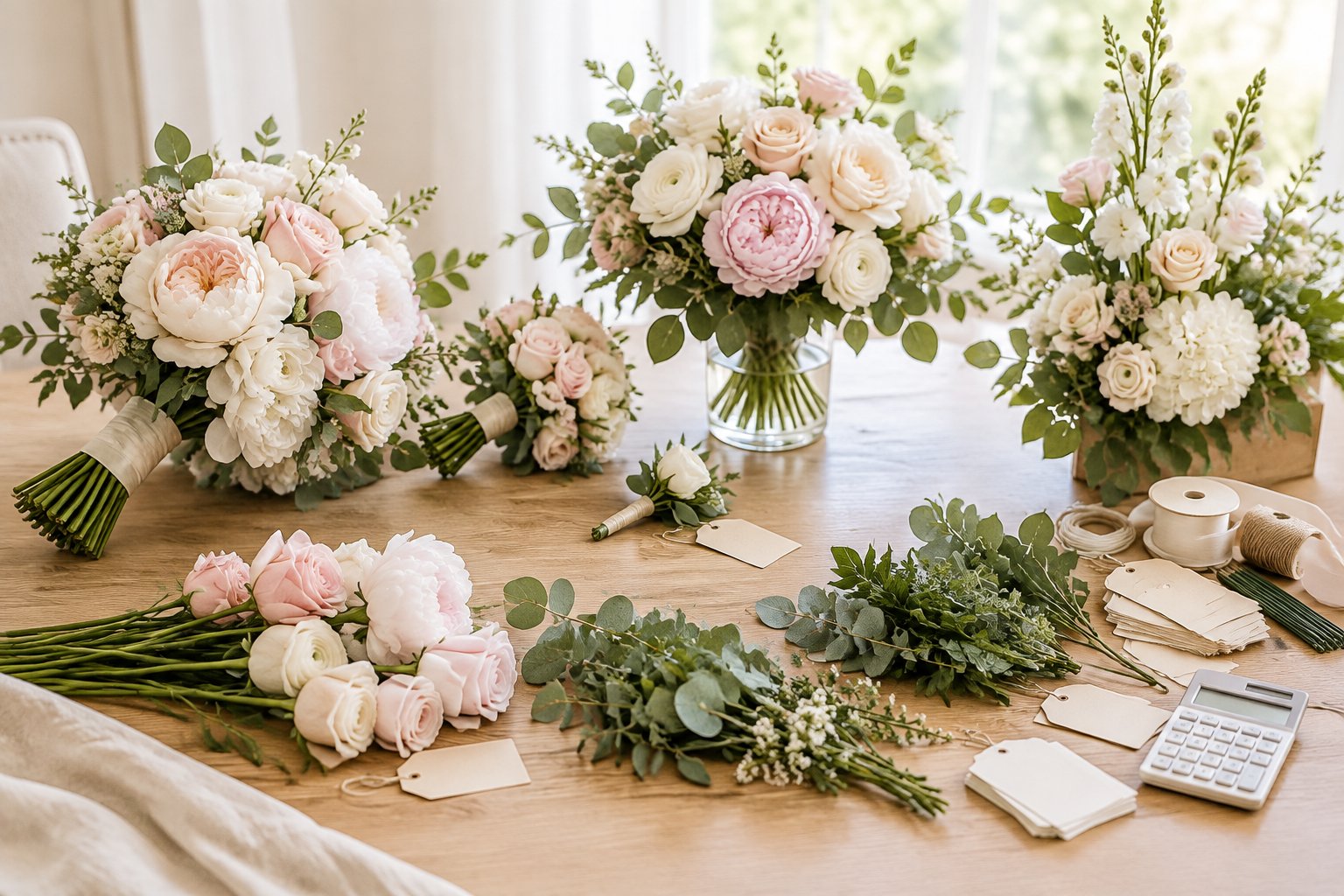
How Much Does a Bridal Bouquet Cost?
A bridal bouquet costs about $150 to $450, with a hand-tied bouquet at the lower end and a large, premium design at the higher end. The bridal bouquet cost rises with size, stem count, flower variety, ribbon work, and premium blooms such as peonies or orchids.
A compact bouquet with roses, carnations, lisianthus, and seasonal greenery keeps the wedding bouquet more affordable. A loose, garden-style design needs more stems to create its full shape, which increases both flower and labor costs.
What Do Bridesmaid Bouquets and Personal Flowers Cost?
Bridesmaid bouquets cost about $75 to $150 each. Smaller bouquets, single-flower designs, and bouquets made with the same flowers as the bridal bouquet help control the total.
Personal flowers can include:
- Boutonnieres or boutonnières at about $20 to $45 each
- Corsages at about $35 to $75 each
- Hair flowers from about $15 to $50 per person
- Flower girl petals or a basket from about $25 to $75
- Extra bouquets for parents, readers, or other attendants
Count each person who will receive flowers before requesting a quote. A few added corsages and boutonnieres can shift the total more than expected.
How Much Do Ceremony and Reception Arrangements Cost?
Ceremony flowers range from small aisle arrangements at about $50 to $150 each to a ceremony arch from $800 to $3,000. A full arch with flowers across the structure costs more than a pair of arrangements placed at the entrance or altar.
Reception costs depend on table count and design height:
- Low floral centerpieces: about $80 to $150 each
- Elevated centerpieces: about $150 to $400 each
- Cake flowers: about $50 to $150
- Aisle decor: about $50 to $200 per arrangement
- Head table or sweetheart table flowers: about $150 to $600
Ask whether vases, stands, candles, and other table decor are included in the wedding arrangements or listed as rentals.
Why Do Florist Quotes Vary So Much?
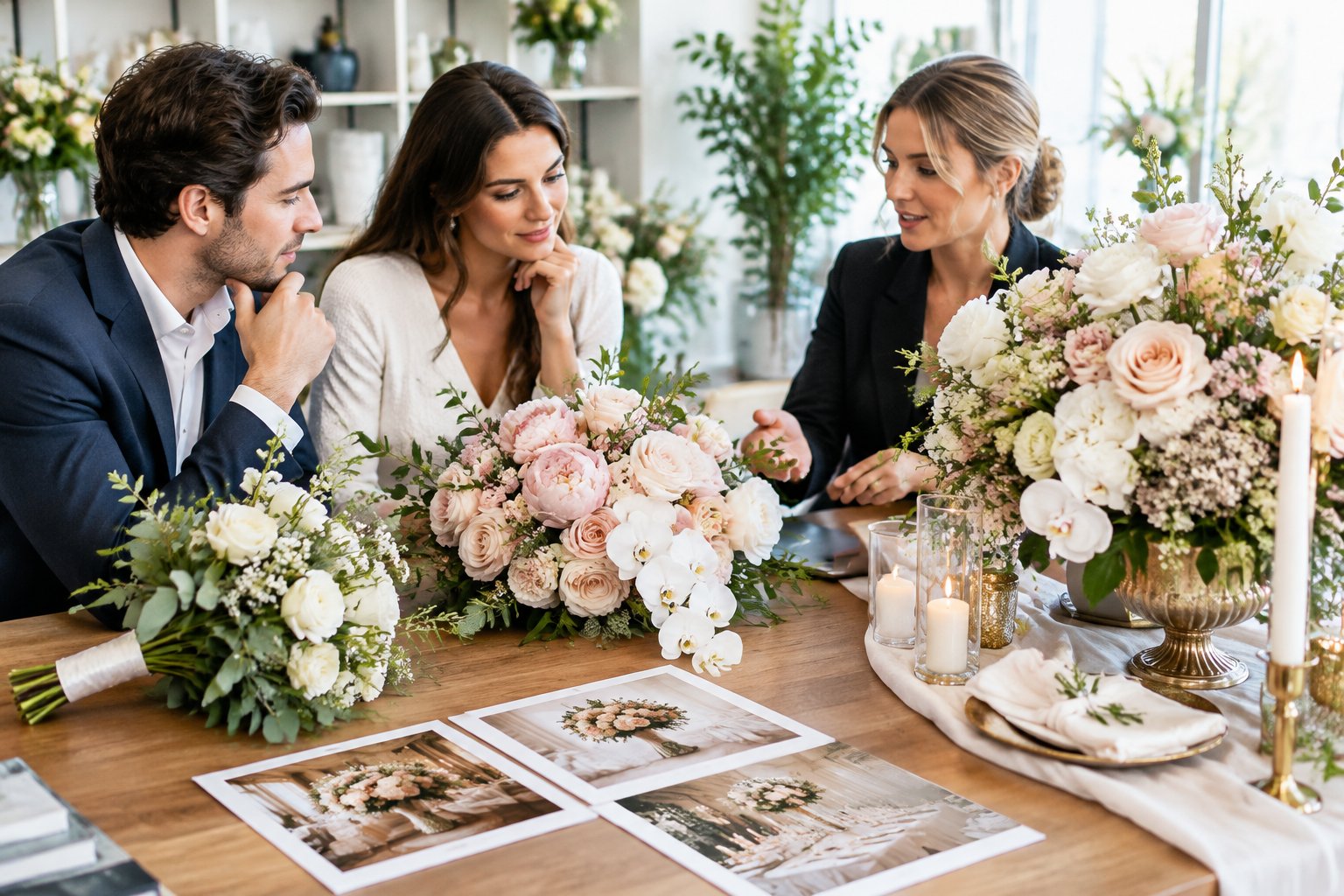
Florist quotes vary because they include different flower sources, design sizes, labor plans, delivery needs, installation work, and rental items. Two proposals can use similar colors while offering very different amounts of flower coverage and service.
Flower Variety, Season, and Sourcing
Seasonal flowers and in-season blooms are easier for a florist to source at the right time. Locally grown flowers may cost less when they are plentiful in your area. Imported flowers, rare varieties, and out-of-season requests require more planning and shipping.
Flower quality also affects the florist quote. A design filled with premium garden roses takes a different flower order from one built with standard roses, carnations, and greenery. Share your preferred flower names, color palette, and wedding date so the florist can price realistic options.
Design Scale and Floral Installations
A small bouquet and a ceremony arch require very different levels of floral design. Large floral installations need mechanics, support structures, ladders, delivery vehicles, and time at the venue. A hanging installation adds safety planning and extra setup labor.
Your quote may also include candles, lanterns, potted plants, stands, urns, or rented vessels. Ask for the flower cost and rental cost as separate lines so you know where the money goes.
Labor, Delivery, Setup, and Rentals
Florists charge for conditioning flowers, designing each arrangement, packing orders, transporting them, setting them in place, and collecting rental items. Delivery distance, parking, elevator access, venue rules, and setup timing all affect labor.
Check whether the florist quote includes:
- Delivery and mileage
- Ceremony and reception setup
- Breakdown or strike service
- Rental vessels and structures
- Taxes and service charges
- Replacement plans for damaged flowers
A detailed proposal lets you compare service levels with more accuracy than comparing one total number.
Which Flowers Stretch or Raise the Budget?
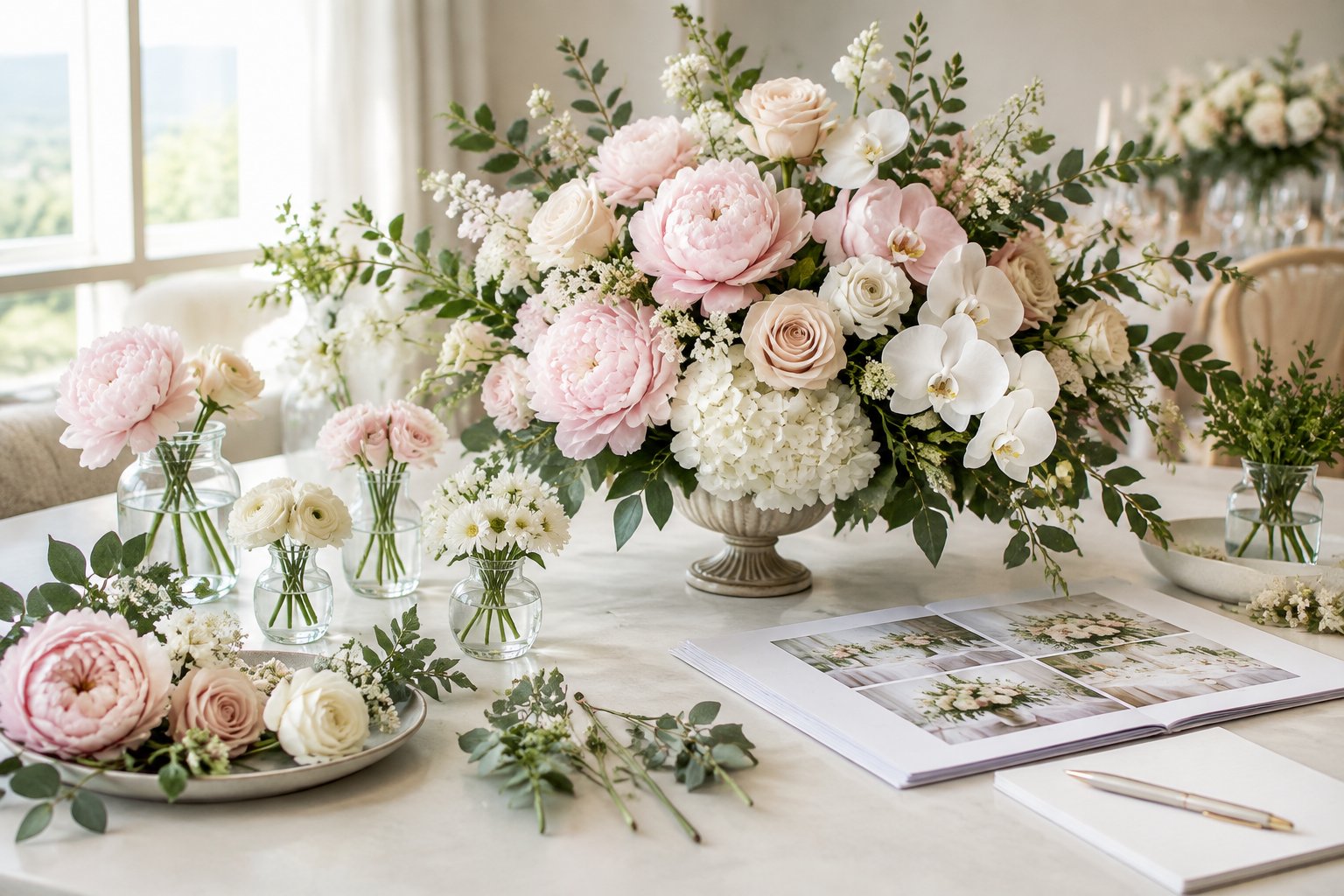
Premium flowers such as peonies, orchids, gardenias, and lily of the valley raise costs, while roses, carnations, baby’s breath, eucalyptus, and seasonal greenery help create a fuller look for less. Your wedding flowers by season plan should guide the final mix.
Premium Blooms That Increase Costs
Peonies, orchids, gardenias, lily of the valley, and some varieties of garden roses carry higher prices because of their growing conditions, limited supply, or delicate handling. Ranunculus, dahlias, calla lilies, amaryllis, anemones, and cherry blossoms can also affect your budget based on the date and market availability.
Forsythia branches and unusual shapes may add labor when the floral designer needs to condition, support, or place each stem with care. You can reserve premium blooms for the bridal bouquet, ceremony focal point, or sweetheart table to keep their use focused.
Budget-Friendly Flowers That Still Look Beautiful
Roses, standard roses, carnations, baby’s breath, eucalyptus, ruscus, ferns, lisianthus, tulips, lilies, chrysanthemums, daisies, sunflowers, zinnias, and succulents offer many design options. Their final price still depends on season, color, size, and local supply.
Greenery fills space and adds movement to bouquets, aisle arrangements, and centerpieces. A florist can combine a few premium stems with volume flowers and foliage to create a layered design with controlled costs.
Seasonal Choices by Wedding Date
Choose flowers that naturally grow near your wedding date whenever possible. Spring weddings may feature tulips, ranunculus, anemones, cherry blossoms, and peonies. Summer dates often work well with dahlias, sunflowers, zinnias, hydrangeas, and garden roses.
Fall supports dahlias, chrysanthemums, roses, and foliage, while winter designs can use amaryllis, orchids, evergreens, and branches. Availability differs by region, so ask your florist for a seasonal flower list tied to your exact wedding date.
How to Lower Costs Without Losing Impact
The strongest savings come from concentrating flowers in one focal area, reusing ceremony arrangements, and ranking every line in the florist proposal by guest impact. These wedding flower ideas keep your floral budget focused on the spaces that appear most in photographs and shape the guest experience.
Choose One High-Impact Focal Area
Pick one feature for the largest share of your floral budget. A ceremony arch creates a strong backdrop, while a head table installation or abundant entry arrangement can shape the reception atmosphere.
Use simpler flowers for areas that guests pass quickly. Bud vases, candles, greenery, or a few blooms can carry table decor without filling every surface with large arrangements.
Reuse Ceremony Flowers at the Reception
Ask your florist to move ceremony arch flowers, aisle arrangements, and welcome table flowers after the ceremony. Place them behind the sweetheart table, around the bar, or near the reception entrance.
Confirm the move fee, timing, and destination before signing. Some installations need a floral installation team, while smaller arrangements can be transferred during the room flip.
How to Prioritize a Florist Proposal
Send the florist a clear list of required pieces, preferred flowers, guest count, venue details, and your wedding date. Request a line-by-line proposal that shows design fees, delivery, setup, rentals, taxes, and breakdown.
When the quote exceeds your floral budget, protect the bridal bouquet and one focal area first. Then reduce flower count on low-visibility tables, switch to in-season flowers, simplify mechanics, or remove add-ons such as cocktail-hour arrangements. Link each change to a dollar amount so you can choose with confidence.