
Garden Venue for Wedding: How to Choose the Right One
A garden venue for wedding celebrations gives you natural beauty, flexible ceremony layouts, and built-in photo settings. The right choice pairs that beauty with enough space, guest comfort, weather protection, and services that fit your budget.
For most couples, a professionally managed botanical garden or private estate is the strongest choice because it combines landscaped grounds with defined event spaces, restrooms, parking, and an established weather plan. Public parks and private gardens can cost less, while conservatories provide more protection from rain and temperature changes.
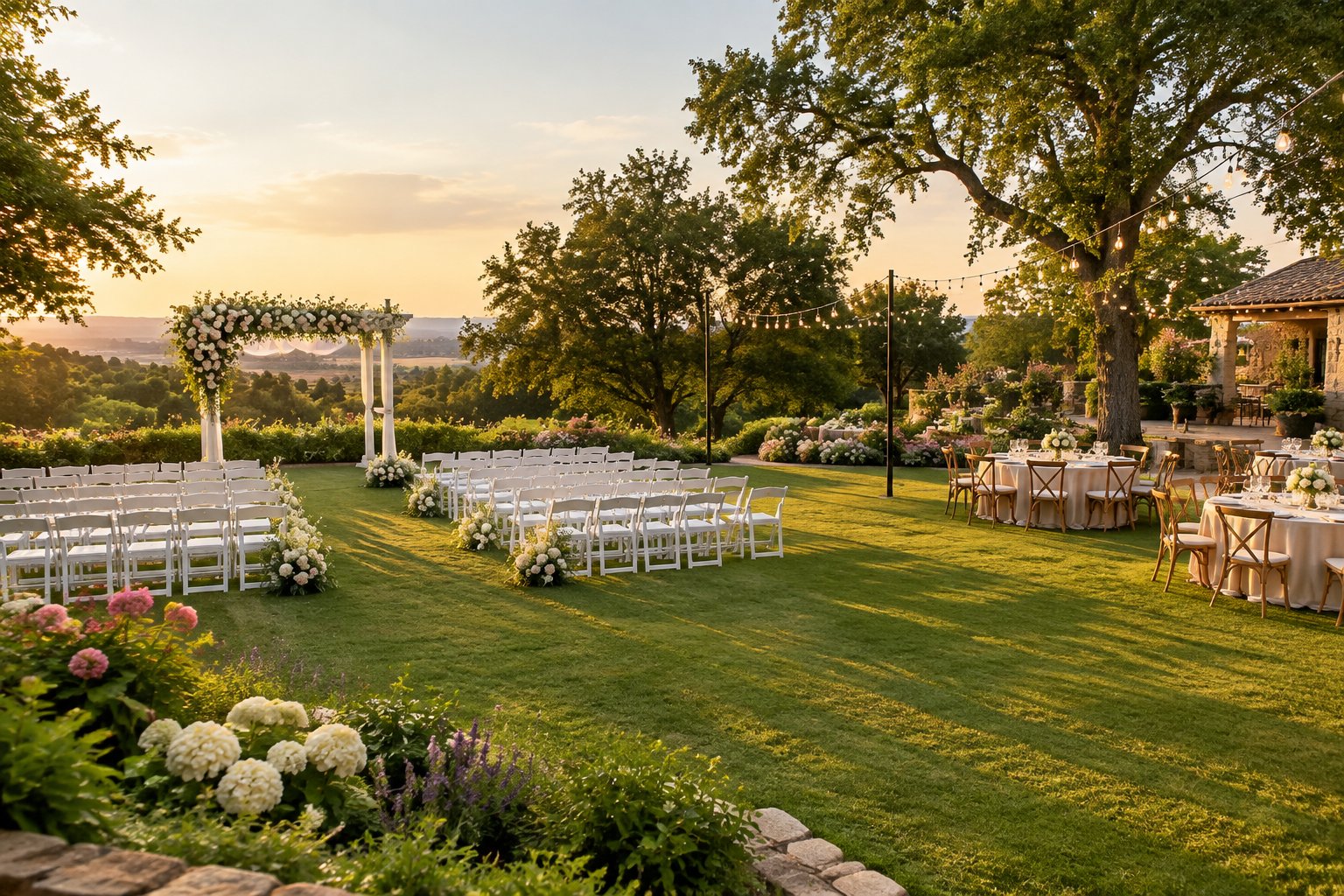
Start by setting your guest count, preferred season, ceremony style, and total venue budget. Then compare the full event cost, including rentals, catering, alcohol, lighting, permits, and coordination. Browse garden wedding ideas for styling inspiration, and schedule tours with venues that meet your practical needs.
How to Choose the Right Setting
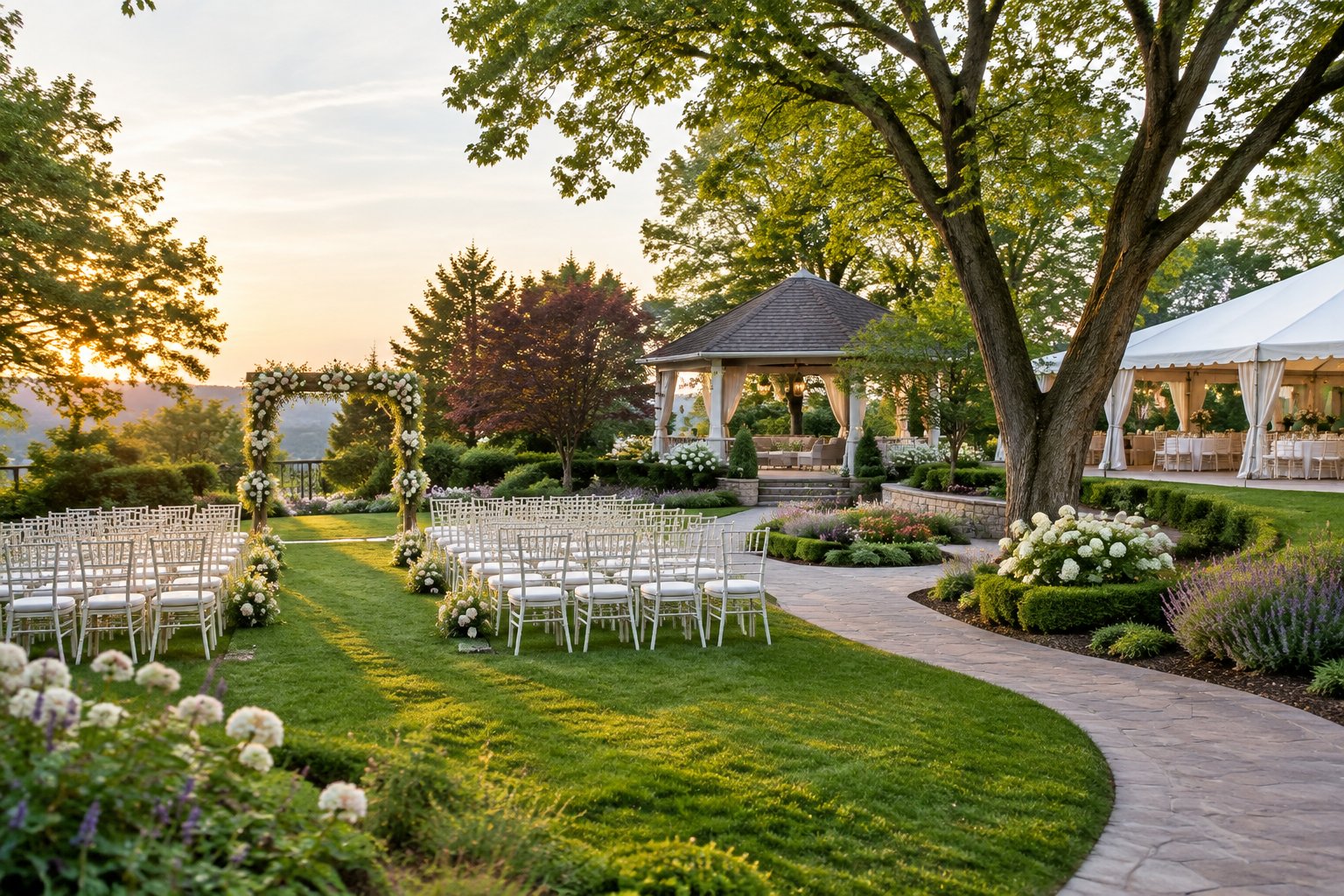
Choose a garden wedding venue that fits your guest count, protects privacy, supports accessibility, and works well in the season of your celebration. Landscaped gardens create a beautiful foundation, while the site layout determines how smoothly your outdoor weddings will run.
Match the Space to Your Guest Count and Wedding Style
Your venue should hold your guest list with room for dining, movement, and dancing. Ask for the seated capacity, standing capacity, and maximum occupancy for each event space.
Think through the mood you want:
-
Formal dinners work well beside manicured lawns, estates, and structured flower beds.
-
Relaxed celebrations suit open meadows, orchards, and private garden patios.
-
Intimate ceremonies fit courtyards, rose gardens, and small terraces.
-
Large receptions need separate zones for the ceremony, cocktails, dinner, dancing, catering, and vendor access.
Bring a rough floor plan to your tour. Mark the ceremony chairs, aisle, bar, buffet or plated-service area, dance floor, guest tables, DJ or band, and photography locations. A venue that looks spacious during a tour may feel tight once every required element is placed.
Ask whether the ceremony and reception can happen in separate areas. A dedicated ceremony site gives guests a clear transition and reduces the need for a room flip.
Prioritize Privacy, Accessibility, and Guest Comfort
Ask whether you receive exclusive use of the grounds. Public access, nearby traffic, maintenance work, and other private events can affect the atmosphere.
Check every route your guests will use, from parking to the ceremony and from cocktails to dinner. Look for:
-
Firm, level walkways
-
Accessible restrooms
-
Seating for guests who need breaks
-
Shade during warm weather
-
Clear signs and safe lighting
-
Convenient vendor and emergency access
Ask about insects, irrigation, nearby construction, amplified sound, and the venue’s closing time. If older guests or wheelchair users will attend, walk the full route with those needs in mind.
Tour the Site at the Same Time of Year as Your Date
A garden changes with weather, bloom cycles, daylight, and maintenance. Tour during the same season as your wedding date when possible, and visit at the planned ceremony hour.
Check the position of the sun, the amount of shade, the condition of the lawn, and which plants will be in bloom. Ask the venue team which areas receive irrigation, when seasonal pruning occurs, and whether fallen leaves or dormant plants affect the setting.
Compare Garden Venue Types
The best garden wedding venues match your desired level of privacy, natural style, infrastructure, and planning support. Botanical gardens bring curated landscapes, private gardens offer character, public parks lower the site fee, and conservatories create a weather-protected garden feel.

Botanical Gardens and Historic Estates
Botanical gardens give you professionally maintained plant collections, winding paths, formal lawns, and distinctive settings such as rose gardens or Japanese gardens. Many have established event spaces, horticulture teams, and rules that protect the landscape.
Historic estates pair gardens with architecture, indoor rooms, and a sense of place. They suit couples who want lawn ceremonies, estate portraits, and an indoor reception option.
Ask about:
-
Public visitors during your event
-
Areas reserved for ceremonies and receptions
-
Furniture placement rules
-
Candle and décor restrictions
-
Noise limits
-
Indoor backup capacity
-
Vendor access and parking
Private Gardens and English Gardens
Private gardens and English gardens suit smaller celebrations with a romantic, layered look. Brick paths, hedges, climbing roses, mature trees, and intimate lawns provide visual interest with limited décor.
Confirm the site’s infrastructure before booking. A private garden may require rentals for seating, tables, restrooms, lighting, power, catering equipment, and shelter. Ask where delivery vehicles can unload and how the grounds will be protected from heavy foot traffic.
Your floral design should work with the existing landscape. Use the garden’s strongest colors and textures as a guide for bouquets, ceremony décor, and table arrangements.
Public Parks and Community Green Spaces
Public parks offer an affordable path to an outdoor wedding, especially when you need a scenic ceremony site for a modest guest count. The permit determines your event hours, guest limit, alcohol rules, music volume, and approved locations.
Read the permit requirements early. You may need event insurance, a security deposit, portable restrooms, waste service, a tent permit, or a separate alcohol permit.
Plan for shared space. Passersby, nearby sports, public events, traffic, and park maintenance can affect your schedule. A park works best when you accept that the setting remains part of a public environment and build your vendor plan around its facilities.
Glass Conservatories and Indoor-Outdoor Spaces
A glass conservatory gives you greenery, natural light, and architectural shelter in one setting. It suits couples who want a garden atmosphere with stronger control over rain, wind, and temperature.
Ask about ventilation, climate control, guest capacity, glare, sound, and evening lighting. Glass walls can create heat during the afternoon and reflections during photographs. Confirm whether doors open to lawns or patios for cocktails and portraits.
Indoor-outdoor spaces also simplify weather decisions. You can hold the ceremony outside when conditions are comfortable and move guests inside for dinner, dancing, or a sudden storm.
Evaluate Ceremony and Reception Features
Evaluate the site as a complete event path, from guest arrival through the garden ceremony, cocktails, dinner, dancing, and departure. Beautiful planting cannot compensate for poor lighting, limited power, distant restrooms, or a difficult transition between spaces.

What Makes a Garden Ceremony Site Work
A strong ceremony site has level ground, comfortable guest access, clear sightlines, and enough room for the wedding party. Check whether chairs can sit securely on the surface and whether the aisle remains usable after rain.
Look for natural shade, a defined focal point, and a sound plan. Trees, walls, and hedges help frame the ceremony, while a professional sound system carries vows over wind, traffic, and guest movement.
Ask whether the venue provides chairs, an arbor, setup labor, and a ceremony coordinator. Confirm the plan for moving guests if weather changes before the ceremony begins.
Water Features, Koi Ponds, and Photo Backdrops
Koi ponds, fountains, and other water features add movement and a memorable setting for portraits. Place guest seating and pathways far enough from water edges to support safe movement, especially during evening events.
Ask about barriers, lighting, nearby insects, and sound. A fountain can create pleasant background noise, while a large water feature may affect microphones or guest circulation.
Identify portrait locations before the wedding day. Your photographer can plan around shade, glare, reflections, and guest traffic without interrupting the reception.
Reception Flow From Cocktails to Dancing
Plan a clear sequence between each part of the celebration. Guests should move easily from the ceremony to cocktails, dinner, dessert, and dancing without crossing catering paths or walking through dark lawn areas.
During your tour, map:
-
Cocktail seating and bar placement
-
Dinner tables and buffet or plated-service routes
-
Dance floor and entertainment equipment
-
Lounge seating
-
Gift and card table
-
Cake and dessert display
-
Vendor staging and service access
Ask whether the venue team handles a room flip. If guests must leave one space while staff reset another, confirm where they will wait and how long the transition takes.
Lighting, Restrooms, Parking, and Power
Outdoor venues need a detailed infrastructure plan. Confirm permanent lighting, path lighting, restroom locations, parking capacity, and electrical service.
Ask whether the site supports your caterer, band, DJ, and lighting designer. A generator might be needed for remote areas, while extension cords require safe routing and weather protection.
String lights and candles create warmth after sunset, subject to venue and fire-safety rules. Check whether open flames are allowed and whether the venue supplies fixtures or requires a rental company. Include restroom attendants, accessible facilities, and a transportation plan when parking is limited.
Understand Packages, Costs, and Vendor Rules
Compare event packages by their final invoice and operating rules, not by the headline rental price. A lower site fee can require separate catering, furniture, restrooms, power, lighting, and coordination.

What Event Packages May Include
A package might include the event spaces, rental hours, tables, chairs, basic linens, catering, bar service, staffing, setup, cleanup, or an on-site coordinator. Request every inclusion in writing, with quantities and service hours.
Ask whether the package includes:
-
Ceremony and reception access
-
Tables, chairs, linens, dishware, and glassware
-
Catering and tastings
-
Bar staff and beverages
-
Dance floor and sound equipment
-
Getting-ready rooms
-
Setup, breakdown, and trash removal
-
Cake cutting
-
Security and restroom attendants
An on-site venue coordinator manages the property and venue staff. A wedding planner or day-of coordinator manages your timeline, vendors, personal items, and wedding party.
Questions to Ask About Catering and Alcohol
Ask whether you must use in-house catering, a preferred list, or any licensed caterer. Confirm menu choices, tastings, vendor meals, dietary accommodations, staffing, service style, and food storage.
For alcohol, ask about open-bar tiers, consumption billing, beer and wine options, corkage, bartender fees, and required liquor liability coverage. Confirm whether the venue supplies glassware, ice, mixers, and bar furniture.
Request a sample invoice for your guest count. It should show food, drinks, service charges, taxes, gratuity, rental upgrades, and every required fee.
Rental Fees, Minimums, and Hidden Costs
Check the contract for ceremony fees, food and beverage minimums, overtime, vendor meals, delivery charges, cake cutting, parking, security, cleanup, insurance, permits, and weather equipment.
Ask these questions before signing:
-
What is the full cost for my expected guest count?
-
Which fees apply if the guest count changes?
-
What happens if the event runs past the contracted time?
-
Are specialty chairs, linens, lighting, or furniture extra?
-
Who pays for setup and breakdown labor?
-
What are the cancellation and postponement terms?
-
What does the venue require from outside vendors?
Use what most wedding venues cost as a planning reference, then replace broad estimates with written quotes from your shortlisted venues.
When Full-Service Planning Is Worth It
Full-service planning earns its cost when the venue has complex logistics, multiple event spaces, strict rules, or a long list of outside vendors. It also helps when you want one person to manage weather decisions, transportation, rentals, catering, and timeline changes.
A venue coordinator can handle property operations, while your planner protects your wedding plans. Ask exactly what each person handles and when their service begins.
If your event is small and the venue supplies staff, rentals, catering, and a clear backup space, a day-of coordinator may provide enough support.
Plan for Seasons and Weather
Choose your date around the garden’s bloom cycle and prepare a backup plan that keeps guests safe, comfortable, and informed. A successful outdoor wedding needs shelter, temperature control, protected walkways, and a clear decision process.
Choose Blooms That Peak Near Your Date
Ask the venue’s horticulture team which plants peak during your month. Spring gardens may feature peonies and ranunculus, while lavender and dahlias bring strong color during warmer months. Roses, hydrangeas, ornamental grasses, evergreens, and fall foliage can extend visual interest beyond peak spring.
Use seasonal flowers in your personal arrangements when possible. They coordinate with the landscape and help your décor feel connected to the venue.
Request photos from the same month and time of day as your planned celebration. Confirm whether the venue’s appearance changes because of pruning, annual displays, construction, or weather.
Create a Rain and Temperature Backup Plan
A reliable plan names the backup space, decision deadline, responsible person, and guest communication method. Options include an indoor room, covered pavilion, clear-top tent, or tented reception with a sheltered ceremony site.
Confirm the backup space holds your full guest count with tables, chairs, a dance floor, catering stations, and entertainment. Ask when the venue makes the weather call and whether the backup requires an added fee.
Prepare for heat with shade, water stations, fans, and breathable seating areas. Prepare for cold with heaters, blankets, warm drinks, and enclosed shelter. Secure tent walls, arches, signs, and lightweight décor against wind.
Protect Attire, Décor, and the Guest Experience
Rain turns grass into mud, while heat affects flowers, makeup, food, and formalwear. Add flooring or runners on high-traffic paths, place umbrellas near parking, and provide towels for damp seating.
Keep floral arrangements and desserts in shaded or climate-controlled areas until needed. Use weighted décor, covered power connections, and weather-safe materials.
Share the plan with guests through your wedding website and final-week message. Include shoe guidance, transportation details, temperature notes, and the location of the ceremony if weather changes.
See How Established Venues Differ
Established garden venues differ in their mix of public garden access, conservatory protection, planning support, and event packages. Compare the guest experience and operating model of each property before you focus on its visual style.
Chicago Botanic Garden and Denver Botanic Gardens
Chicago Botanic Garden offers expansive landscaped settings, formal gardens, natural backdrops, and event spaces suited to ceremonies and receptions. Its garden scale creates a strong sense of place, so ask about guest routes, event zones, weather options, and public access during your date.
Denver Botanic Gardens brings a distinct regional landscape and multiple garden environments. Ask which spaces suit your guest count, how elevation and seasonal weather affect comfort, and what event services and rentals each location includes.
For either property, request a site-specific proposal. Capacity, access hours, catering rules, parking, lighting, and package details vary by event area.
Planterra Conservatory for a Weather-Proof Garden Feel
Planterra Conservatory offers an enclosed garden setting with glass architecture, tropical plantings, and indoor protection. It suits couples who want lush surroundings with dependable shelter from rain, wind, and temperature shifts.
Ask about guest capacity, climate control, ceremony and reception layouts, lighting, sound, photography access, and vendor policies. A conservatory’s glass surfaces also make afternoon heat, reflections, and lighting design important planning points.
Compare the conservatory package with outdoor venues by pricing the full guest experience, including furniture, catering, bar service, staffing, and décor.
The Garden Venue in North Riding for Full-Service Events
The Garden Venue in North Riding is positioned for couples seeking a dedicated garden wedding venue with organized event packages and planning support. Ask which spaces are available for the ceremony and reception, what the packages include, and how the venue handles weather changes.
Request details about catering, alcohol, rentals, staffing, setup, cleanup, guest capacity, parking, accessibility, and outside vendors. Confirm the date-specific quote in writing, including service charges, taxes, minimums, and overtime terms.
A venue tour should end with a practical comparison sheet. Record the usable spaces, included services, backup plan, access hours, restrictions, and total estimated cost before you place a deposit.