
Garden Wedding Venues Quiz: Find Your Perfect Setting
A garden wedding venue quiz gives you a fast way to match your wedding vision with a setting that fits your guest count, comfort needs, and planning style. A visual wedding venue quiz suits couples who feel drawn to outdoor romance and want personalized venue-style ideas before scheduling tours. Your answers can point you toward a botanical garden, private estate, vineyard, flower farm, or garden venue with an indoor reception space.
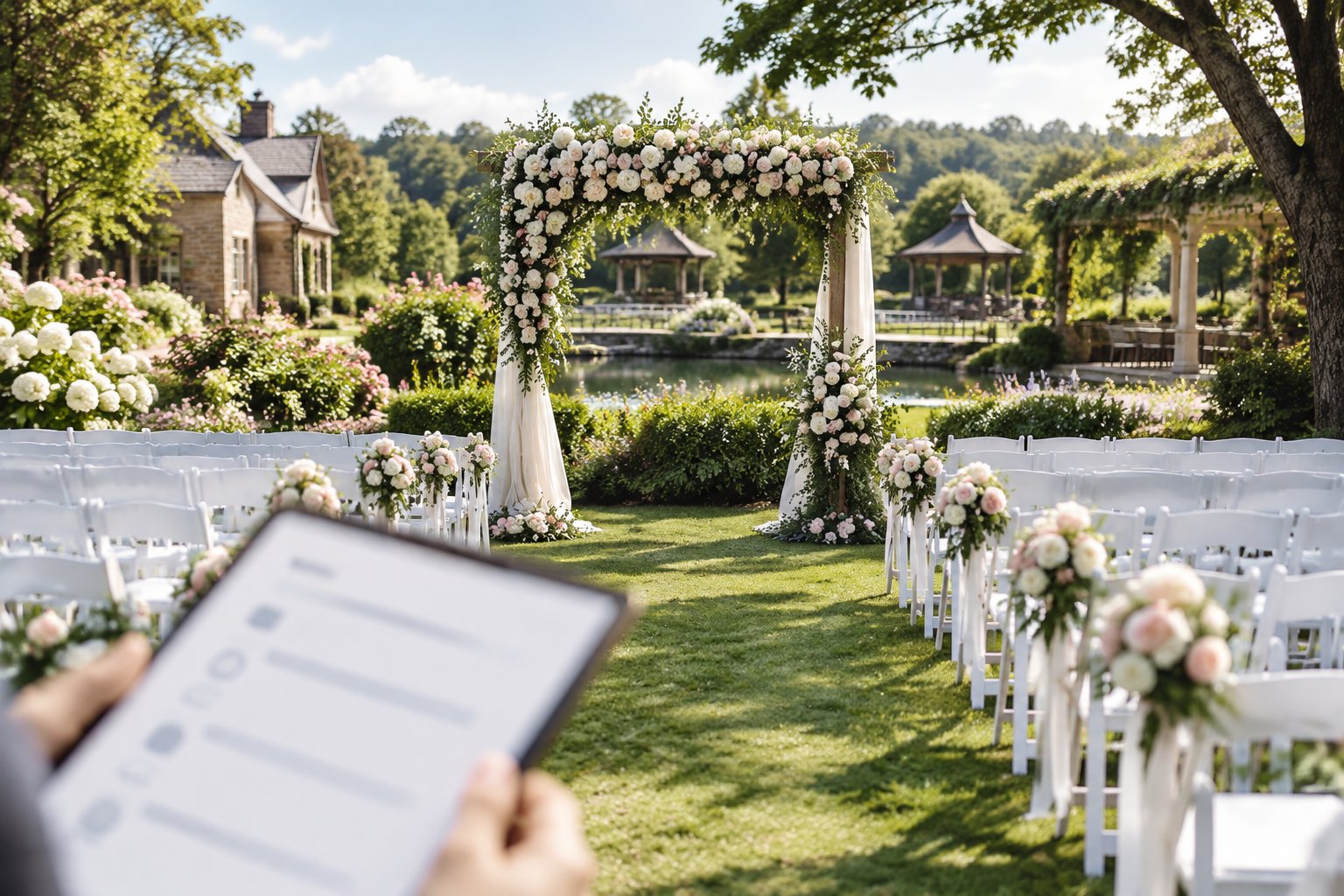
The best result should guide your wedding planning without making the decision for you. Use your quiz match as a starting point, then confirm capacity, pricing, weather protection, travel, accessibility, and vendor policies. If you are ready to compare your vision with practical venue options, explore wedding venue ideas and begin your shortlist.
How the Quiz Identifies Your Garden Venue Fit
A wedding venue quiz identifies your best garden setting by connecting your answers about atmosphere, guest experience, budget, layout, and weather needs with suitable venue styles. Your result becomes more useful when it reflects daily logistics as well as appearance.
What Your Answers Reveal About Your Ideal Setting
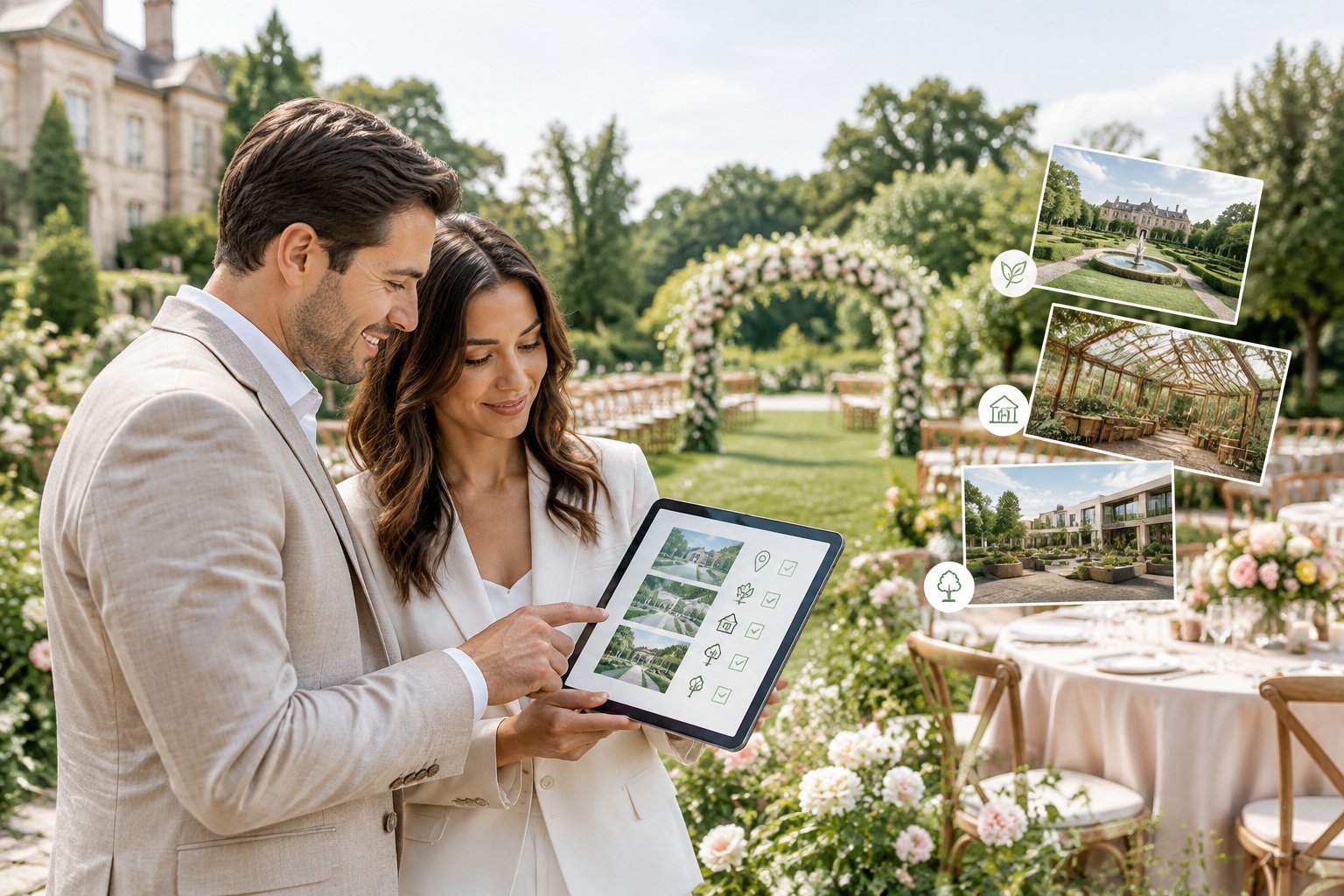
Your answers can show whether you want a relaxed ceremony beneath mature trees, a polished celebration among formal flower beds, or a private estate with room for a full wedding day. Questions about formality, guest count, photography, food service, music, and lodging help narrow the field.
Pay attention to questions about planning responsibility. A full-service venue can simplify rentals and catering. A garden with flexible vendor rules gives you more creative control and may require more coordination. Your preferred season also shapes the result because spring blooms, summer shade, fall foliage, and winter greenhouse spaces create different experiences.
When a Garden Style Is a Strong Match
A garden setting fits your celebration when you value natural scenery, outdoor photographs, fresh air, and a romantic atmosphere. You may enjoy exchanging vows beside flowers, hosting cocktails on a lawn, and using greenery as part of your décor.
Garden wedding venues also work well when your design already includes organic textures, soft colors, seasonal flowers, or relaxed dinner service. Review the venue’s landscape during your wedding month so you know which plants, trees, and views will be present.
When to Consider a Hybrid Indoor-Outdoor Venue
A hybrid venue suits you when outdoor scenery is important and your reception needs dependable shelter. You can hold the ceremony outside, move cocktails to a covered terrace, and dine in a climate-controlled room.
This setup helps with heat, cold, rain, wind, and evening temperature changes. Look for an easy route between spaces, enough room for a reception layout, and an indoor area that feels connected to the garden.
Start With Non-Negotiables Before Choosing a Style
Set your guest count, budget range, weather plan, accessibility needs, and travel limits before choosing among wedding venues. These details remove beautiful options that would create stress later.
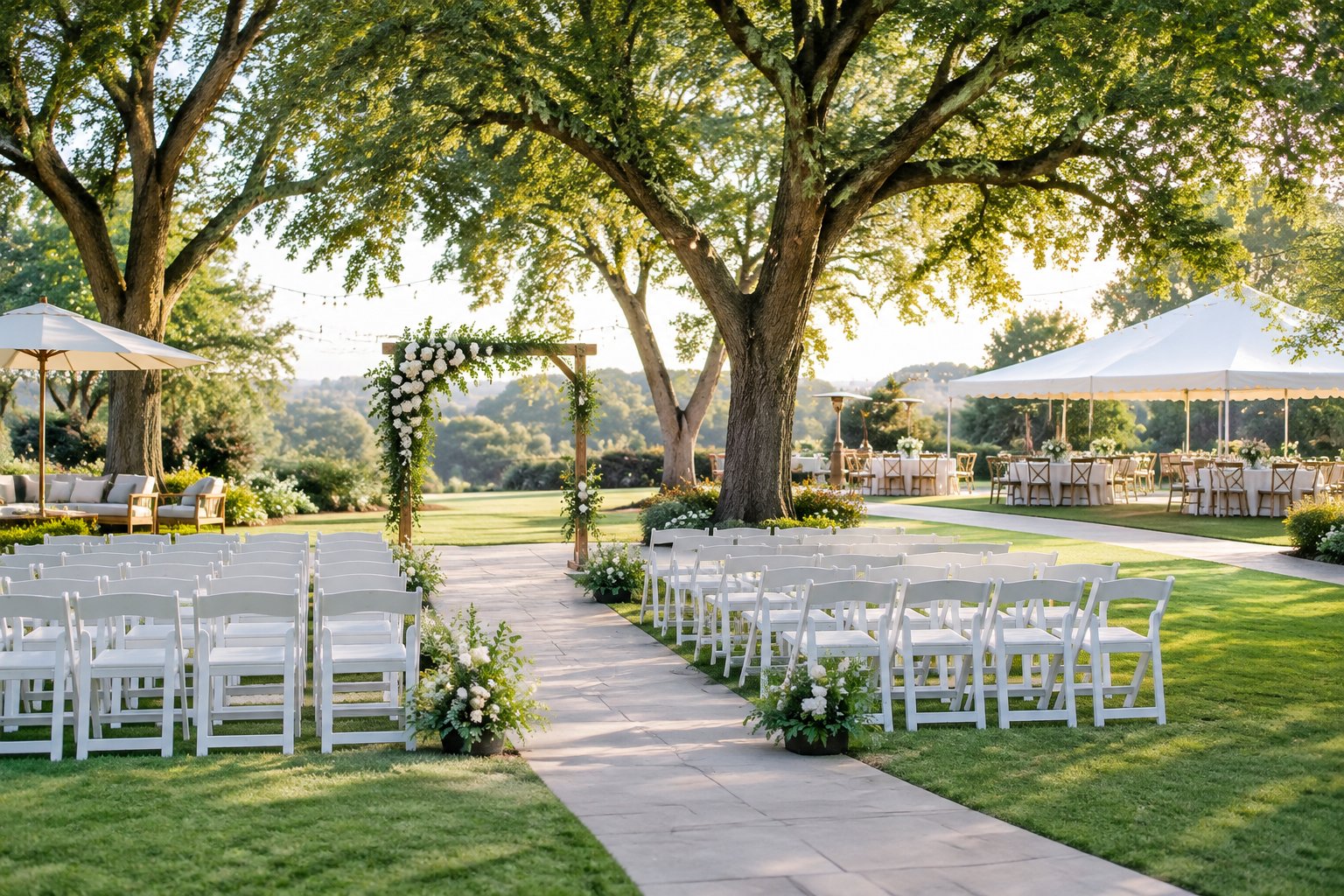
A practical filter keeps your search focused. Write your requirements down, share them with your partner, and carry them into every tour and proposal review.
How Guest Count Shapes Your Options
Guest count affects the ceremony lawn, dinner seating, dance floor, restrooms, parking, and rain space. Ask for the seated capacity with tables and a dance floor because a standing cocktail capacity gives you a different number.
Leave room for comfortable movement, buffet lines, bars, lounge furniture, and vendor stations. A venue that holds your guest list on paper may feel crowded once you add the parts of the celebration that make the reception work.
Weather Backup and Climate Control
A garden venue needs a clear weather plan with a defined decision time. Ask whether the backup is an indoor room, tent, covered patio, or a separate location, and confirm every added fee.
Check heating, cooling, fans, shade, drainage, and power. Your plan should protect guests from rain, strong sun, humidity, cold evenings, and wind. Ask how the venue handles wet ground, muddy walkways, and moving décor when conditions change.
Accessibility, Travel, and Guest Comfort
Review paved paths, ramps, restroom access, seating options, parking, shuttle routes, and distances between event spaces. Guests using mobility aids, older relatives, and anyone wearing formal shoes need a comfortable way to move through the property.
Check nearby hotels, rideshare access, lighting after dark, and cell service. Add travel time for vendors who bring rentals, catering equipment, music gear, or floral installations. A beautiful remote property needs a clear transportation plan.
Which Garden Venue Style Suits Your Celebration?
The right venue style should support your guest experience, décor budget, ceremony plan, and reception format. Botanical gardens offer curated scenery, estates add privacy and architecture, vineyards create a relaxed landscape, and ballroom combinations add weather security.
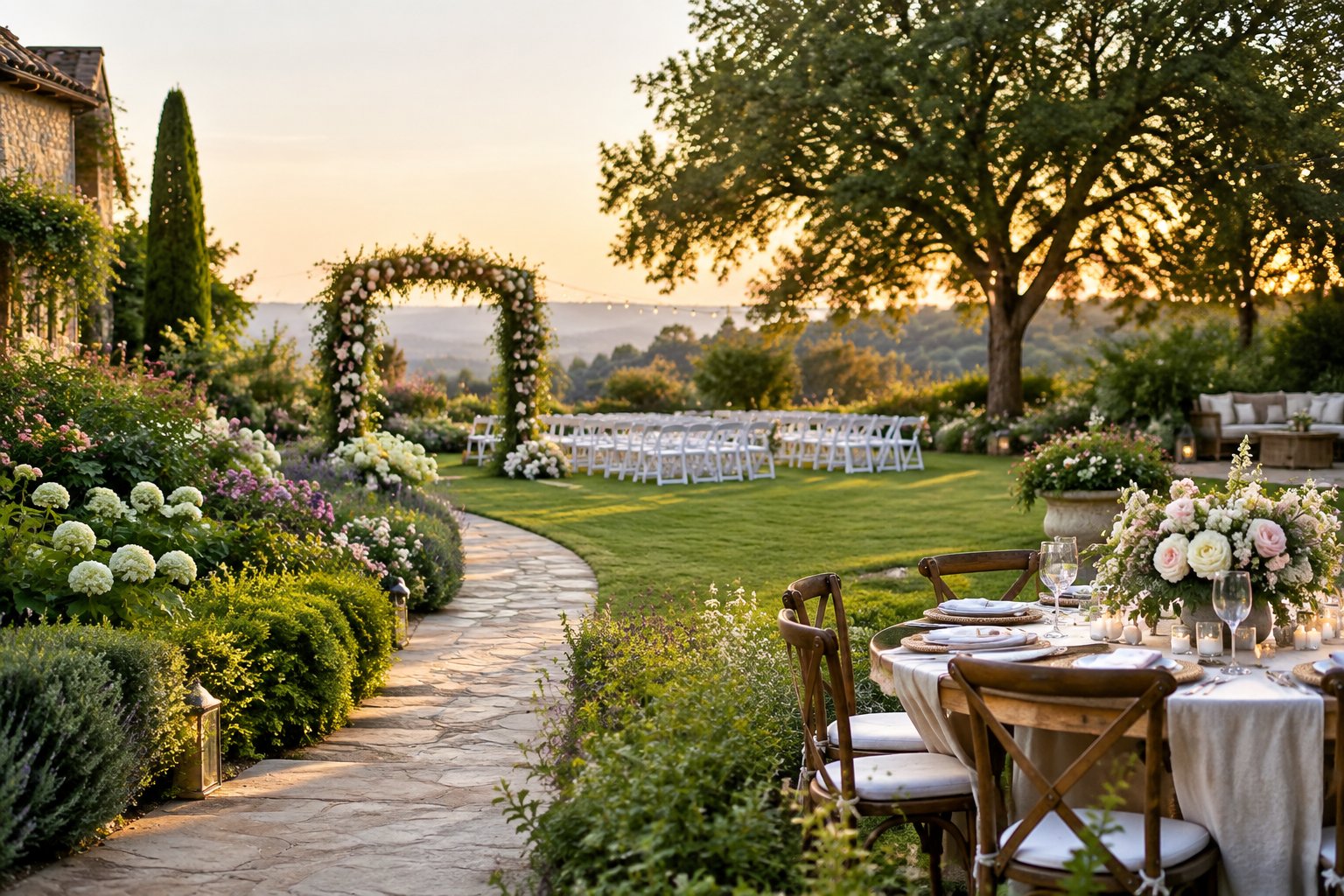
Review the character of each property along with its operating rules. Your preferred look works best when the space already supports your ceremony and reception needs.
Botanical Gardens and Arboretums
Botanical gardens and arboretums suit you when plants, color, and curated landscapes should lead the design. Mature trees, ponds, conservatories, and flower collections provide distinctive ceremony and portrait locations.
Ask about public access, event boundaries, photography rules, setup windows, and restrictions on candles, confetti, amplified music, and décor attachment. Confirm whether guests share the grounds with visitors and whether the reception space remains private.
Private Estates and Manor Gardens
Private estates and manor gardens create a more secluded celebration with lawns, terraces, historic rooms, and formal landscaping. They fit couples who want a refined setting with a strong sense of place.
Review preservation rules, parking, restroom capacity, power, noise limits, and vendor access. Historic buildings may limit open flames, hanging décor, heavy equipment, and late-night music. Ask how much of the property your guests can use.
Vineyards, Wineries, and Flower Farms
Vineyards, wineries, and flower farms bring a relaxed countryside feel with rows of vines, open fields, seasonal blooms, and sunset views. They suit celebrations built around local food, wine service, and outdoor dining.
Check the walking surface, shade, guest transportation, harvest timing, pest control, restroom access, and evening lighting. Ask whether farm operations continue during your event and whether tasting rooms or production areas affect the layout.
Garden Venues With Ballrooms
A garden venue with a ballroom gives you outdoor ceremony scenery and a structured indoor reception. This style works well when you want greenery for photographs with dependable climate control for dinner and dancing.
Compare the ballroom’s windows, ceiling height, décor limits, sound rules, and guest flow. Confirm whether the indoor room is reserved for your event, how long a room flip takes, and whether the garden remains available after the ceremony.
Turn Your Result Into a Venue Shortlist
Turn your quiz result into a shortlist of three to five wedding venues that meet your capacity, budget, location, and weather requirements. A focused list gives you enough comparison without creating a stack of similar tours.
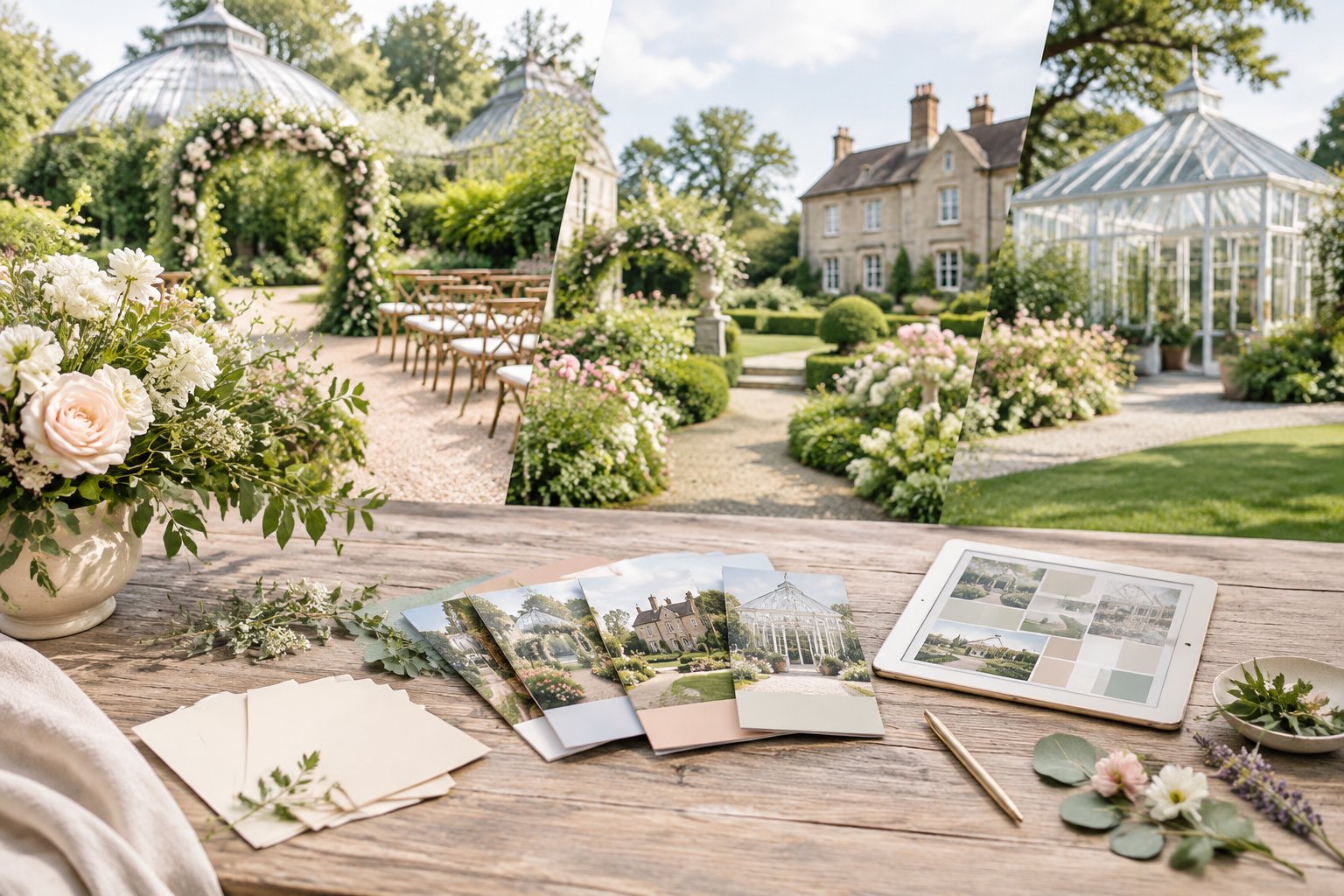
Record each venue’s details in one document. Include the date, guest count, estimated total, included services, restrictions, and questions that need written answers.
Compare Capacity, Layout, and Privacy
Ask each venue for a sample layout based on your guest count. Mark the ceremony, cocktail hour, dinner, dance floor, bar, restrooms, getting-ready rooms, and rain location.
Check whether guests can move easily between areas. Review privacy from public paths, neighboring properties, roads, and other events. Confirm whether another wedding or public function shares the grounds on your date.
Check Vendor Rules and Package Inclusions
Read the package line by line. Confirm tables, chairs, linens, glassware, lighting, sound equipment, security, cleanup, catering, bar service, cake cutting, and coordination.
Ask whether you can choose your own caterer, planner, florist, photographer, band, and rental company. Preferred vendor lists may be required or recommended, so request the policy in writing along with fees for outside vendors.
Assess Seasonal Scenery and Rain Plans
Visit or request photos from the month of your wedding. Compare bloom timing, shade, sunset position, fall color, lawn conditions, and evening temperatures.
Ask when the rain decision happens, who makes it, and how the backup space gets prepared. Confirm whether the change affects your ceremony design, guest seating, photography schedule, rental order, or final cost.
Questions to Ask on a Garden Venue Tour
Ask for a complete price, a detailed event map, and a written weather plan during your garden venue tour. These answers reveal how the property will support your day after the first impression fades.
Bring your estimated guest count, preferred date, budget ceiling, and wedding venue checklist. Take notes before leaving the property while the layout and answers remain fresh.
What Is Included in the Site Fee?
Ask for the total cost for your guest count and date, including service charges, taxes, food and beverage minimums, rentals, staffing, cleanup, insurance, and gratuity. Request a sample proposal with every required fee shown.
Confirm the deposit, payment schedule, cancellation terms, postponement rules, overtime rate, and price-change policy. Ask which details become part of the contract.
Where Will Each Part of the Day Take Place?
Walk the full guest route from parking to ceremony, cocktails, dinner, dancing, and restrooms. Ask where you will get ready, where vendors load in, and where private moments can happen.
Confirm the seating plan with your guest count and dance floor. Ask how long setup takes, whether the ceremony space changes for dinner, and whether another event uses nearby areas.
What Happens if It Rains?
Ask to see the backup space in its reception layout. Confirm its capacity, climate control, lighting, restrooms, accessibility, décor rules, and cost.
Ask who calls the weather change and when the decision must be made. Clarify whether tents, fans, heaters, flooring, umbrellas, or extra staffing are included.
How to Use a Wedding Venue Checklist
Use your checklist to compare identical details across every venue. Include:
-
Total cost with tax and service charges
-
Seated capacity with a dance floor
-
Ceremony and reception locations
-
Rain plan and decision time
-
Setup, cleanup, and end times
-
Catering, bar, and vendor policies
-
Parking, transportation, and accessibility
-
Included rentals and staffing
-
Privacy and events hosted that day
After each tour, score the venue against your non-negotiables and write down one unresolved question. Keep the proposal, contract, floor plan, and notes together before you make a booking decision.