
Going Rate for Wedding Photographer: 2026 Costs
In the United States, the going rate for wedding photographer services in 2026 is about $2,500 to $7,000, with many couples choosing packages near $3,000 to $4,500. Smaller celebrations and newer photographers may cost less, while experienced professionals in major cities or luxury markets may charge $7,000 or more.
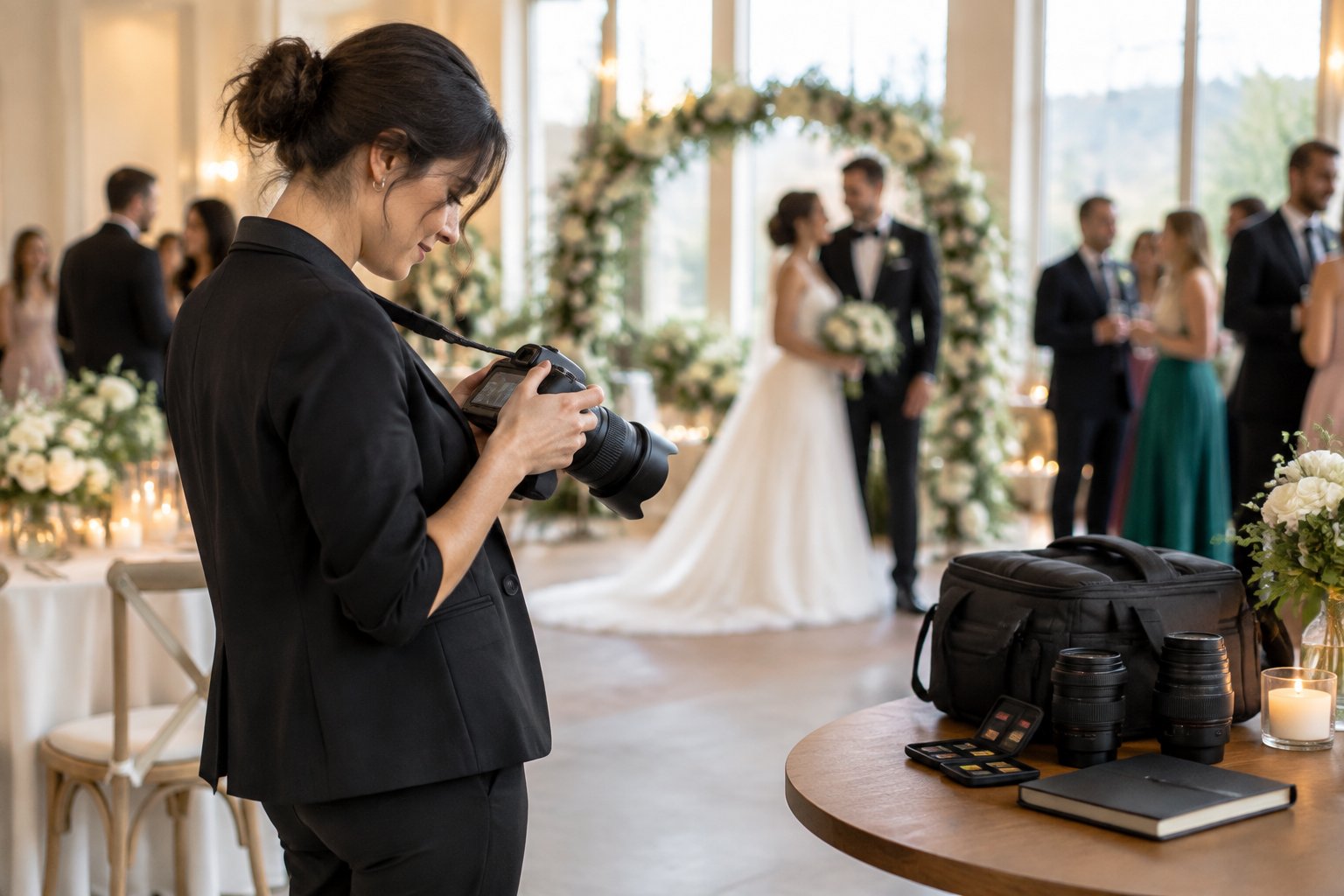
Your final photography pricing depends on coverage hours, editing, experience, location, staffing, and the products included. When you compare quotes, look past the total and check the complete service you receive. Request full galleries, read the contract, and confirm how your images will be delivered before you book.
If you are ready to narrow down your options, start by asking photographers for a quote based on your date, venue, guest count, and must-have moments.
What Is the Typical Price Range in 2026?
The typical wedding photographer cost in 2026 falls between $2,500 and $7,000, with a mid-range package near $3,000 to $4,500 offering a practical starting point for many couples. Coverage time, experience, market size, and package contents move the price up or down.

What Is the Average Cost of a Wedding Photographer?
Many couples spend about $3,000 to $4,500 for a professional wedding photographer. That range often includes six to ten hours of coverage, edited digital images, an online gallery, and planning support.
The Knot Real Weddings Study is one useful benchmark for national wedding spending, though local quotes provide a better guide for your date and venue. Large metropolitan areas, popular wedding months, and highly requested photographers can push wedding photography prices higher.
A quote below $2,000 may fit a short event, an emerging photographer, or a lower-cost market. Check the portfolio, backup plan, editing terms, and contract carefully at that price level.
How Much Do Budget, Professional, and Luxury Photographers Charge?
Experience and service level create broad pricing tiers:
-
Budget: $1,500 to $3,000. You may receive four to six hours with one photographer and digital delivery.
-
Professional: $3,500 to $6,500. Packages often include six to ten hours, polished editing, planning help, and an optional or included second shooter.
-
Luxury: $7,000 to $12,000 or more. You may receive full-day coverage, multiple photographers, custom albums, fine-art products, and a highly tailored experience.
A higher price should come with clear value, such as stronger timeline support, reliable backup equipment, more complete coverage, or products you already want. Review a full wedding gallery to see how the photographer handles different lighting, family groups, and reception activity.
What Is the Wedding Photographer Cost Per Hour?
A wedding photographer cost per hour may range from about $100 to $300 for the coverage itself, with established professionals charging more in high-demand markets. Extra hours may cost $200 to $500 because the fee also reflects preparation, travel, editing, insurance, equipment, and business time.
An eight-hour package priced at $4,000 equals $500 per coverage hour. That figure does not represent the photographer’s full working time. A wedding may require several hours of consultations, timeline planning, file backup, culling, editing, gallery preparation, and album design.
This broader calculation is called the effective hourly rate. Use it to compare scope, while remembering that hourly math alone cannot measure style, reliability, or the quality of the client experience.
What Does a Wedding Photography Package Include?
A wedding photography package usually combines coverage time, an edited digital gallery, delivery terms, and optional products such as an album or engagement session. Read each line so you know what is included, what costs extra, and when you receive it.

How Many Hours of Coverage Do You Need?
Six hours suits an intimate wedding, courthouse ceremony, or reception with a short timeline. Eight hours covers many full wedding days, including preparation, the ceremony, portraits, dinner, toasts, and early dancing.
Ten hours or full-day coverage fits celebrations with distant locations, extended preparations, a late reception, or several important events. Build the schedule backward from the moments you want photographed. Include travel between locations and time for family portraits.
Ask for the extra-hour rate before signing. A low package price may become expensive when your reception runs late.
Which Deliverables Should Be Included in the Quote?
A clear quote should list:
-
Exact coverage hours and photographer count
-
Estimated number of edited images
-
Editing style and retouching limits
-
Online gallery format and hosting period
-
Download rights and print release
-
Delivery timeline and sneak-peek timing
-
Album details, if included
-
Cancellation, postponement, and backup plans
A print release lets you order personal prints and share images for private use under the photographer’s stated terms. Raw files, commercial usage rights, and extensive retouching follow different policies, so ask for those details in writing.
Which Add-Ons Increase the Final Price?
Common add-ons include a second shooter, engagement session, wedding album, extra coverage, rehearsal dinner photography, rush editing, prints, canvas art, and a photo booth rental.
A second shooter may add about $500 to $1,500. An engagement session may cost $400 to $1,200 when purchased separately, while a professional wedding album may add $800 to $3,000 or more.
Choose add-ons that match how you plan to use your photographs. A couple who wants printed family keepsakes may value an album, while another couple may prefer more reception coverage.
What Factors Change the Final Quote?
Your final quote reflects the work required before, during, and after the wedding, along with local demand and the photographer’s level of service. Travel, schedule complexity, staffing, experience, and artistic approach all shape the fee.

How Location and Travel Affect Pricing
A destination wedding photographer may include travel in the package or list flights, lodging, mileage, meals, and travel days as separate costs. Ask whether the quote covers your venue’s full address and whether travel time is billed.
Major cities often have higher wedding photography rates because operating costs and demand are higher. A rural venue may have lower local rates but still produce travel charges if it sits outside the photographer’s service area.
Your date also affects pricing. A Saturday during the busiest wedding months can command a higher fee than a winter or weekday wedding.
How Guest Count, Timeline, and Staffing Affect Coverage
Guest count changes how much coordination and staffing your day needs. A solo photographer may cover a small celebration smoothly, while a large guest list or two preparation locations may call for a second shooter.
A tight timeline raises the need for planning and fast movement. Multiple venues, long travel gaps, large family groups, cultural ceremonies, and special exits each add coverage demands.
Share your complete schedule, venue map, ceremony traditions, and priority moments before you request a final quote. The photographer can then recommend enough time and staff.
How Experience and Photography Style Affect Rates
An experienced professional brings practiced posing direction, timeline awareness, backup equipment, file protection, and calm decision-making under pressure. Those systems help protect your photographs when weather, lighting, or schedule changes create problems.
Photography style also shapes pricing. Documentary, editorial, fine-art, and traditional approaches require different shooting and editing methods. Look for a consistent portfolio that matches the images you want, then ask to view a complete wedding gallery.
Portrait sessions can reveal how a photographer directs people and handles light, though wedding work also requires strong timing and candid observation.
How to Compare Photographer Quotes Fairly
Compare quotes by matching coverage, staffing, deliverables, rights, turnaround time, travel, and contract terms before you compare totals. A $4,000 package may offer more usable value than a $3,000 package with fewer hours and fewer included services.

Compare Scope Before Comparing Package Totals
Create a simple comparison sheet for each photographer. Record:
-
Coverage hours
-
Number of photographers
-
Edited image estimate
-
Gallery delivery and hosting
-
Print release
-
Engagement session
-
Album or print credit
-
Travel fees
-
Overtime price
-
Backup photographer policy
Check whether “all images” means fully edited photographs or a larger set with limited corrections. Ask how many images a similar wedding produced and request a full gallery with the photographer’s permission.
How to Calculate the Effective Hourly Rate
Divide the package total by the number of coverage hours for a quick comparison:
$4,800 ÷ 8 coverage hours = $600 per coverage hour
Then add the value of included services when comparing packages. If one photographer includes a $700 engagement session and another does not, add that expected cost to the second quote before judging the totals.
The effective hourly rate also includes planning, travel, culling, editing, delivery, consultations, and album work. Use the number as a scope check, not as a quality score.
Questions to Ask Before Booking
Ask these questions before you pay a retainer:
-
Who will photograph the wedding?
-
What happens if the photographer becomes ill?
-
What backup cameras, cards, and storage systems are used?
-
How many edited images should you expect?
-
When will the gallery arrive?
-
What does the print release allow?
-
What happens if the timeline runs late?
-
Are travel, tax, and overtime included?
-
What are the cancellation and postponement terms?
-
Does the wedding photography contract list every promised deliverable?
Read the contract before sending money. Confirm the date, payment schedule, image rights, editing policy, album terms, and replacement plan in writing.
How to Stay Within Your Photography Budget
You can reduce wedding photography prices by adjusting the date, coverage length, staffing, or products while protecting the moments you value most. Set a firm spending limit, then rank coverage and deliverables before choosing a package.
When a Weekday Wedding Can Reduce Costs
A weekday wedding may open access to lower rates because demand is lighter than on peak Saturdays. Winter dates and dates outside the busiest wedding months may also provide more flexibility.
Ask photographers whether weekday pricing applies to your chosen date. Compare the complete package, since a lower base fee may still include travel or product charges.
Where to Save Without Cutting Essential Coverage
Choose six or eight focused hours if you do not need preparation or late-night dancing photographed. A well-planned timeline lets you cover the ceremony, family portraits, couple portraits, reception entrance, toasts, and key dances efficiently.
For a smaller wedding, one skilled photographer may provide sufficient coverage. You can also choose digital delivery and order prints later. Review the photographer’s backup plan before accepting a lower-cost package.
How to Prioritize Add-Ons That Matter Most
Select add-ons based on your guest count and how you will use the images:
-
Choose a second shooter when guests are spread across locations or you want simultaneous coverage.
-
Choose an engagement session when you want practice being photographed or need images for announcements.
-
Choose a wedding album when you value a professionally designed physical keepsake.
-
Choose extra hours when important events fall outside your base coverage.
-
Choose rehearsal dinner photography when that gathering includes guests and family members absent from the wedding day.
Ask whether bundling an engagement session or album with your wedding photography package changes the price. Keep the written quote updated so every selected add-on appears before you sign.