
Great Smoky Mountain Wedding Venues: How to Choose
A Smoky Mountain wedding gives you sweeping ridgelines, forest views, and a destination guests can enjoy for an entire weekend. The best great smoky mountain wedding venues for most couples combine a beautiful mountain setting with an indoor backup space, convenient lodging, and enough room for your guest count. That balance helps you enjoy the scenery without making travel, weather, or reception planning harder than it needs to be.
From Gatlinburg and Pigeon Forge to quieter spots in Tennessee and North Carolina, you can choose a mountaintop ceremony, a rustic farm, a cozy chapel, or a private cabin retreat. Start by deciding how many people you want beside you, then compare access, privacy, included services, and seasonal conditions. When you find a venue that fits your vision, schedule a tour or request a quote through the Smoky Mountain Wedding Association to take the next step.
How to Choose the Right Setting for Your Celebration
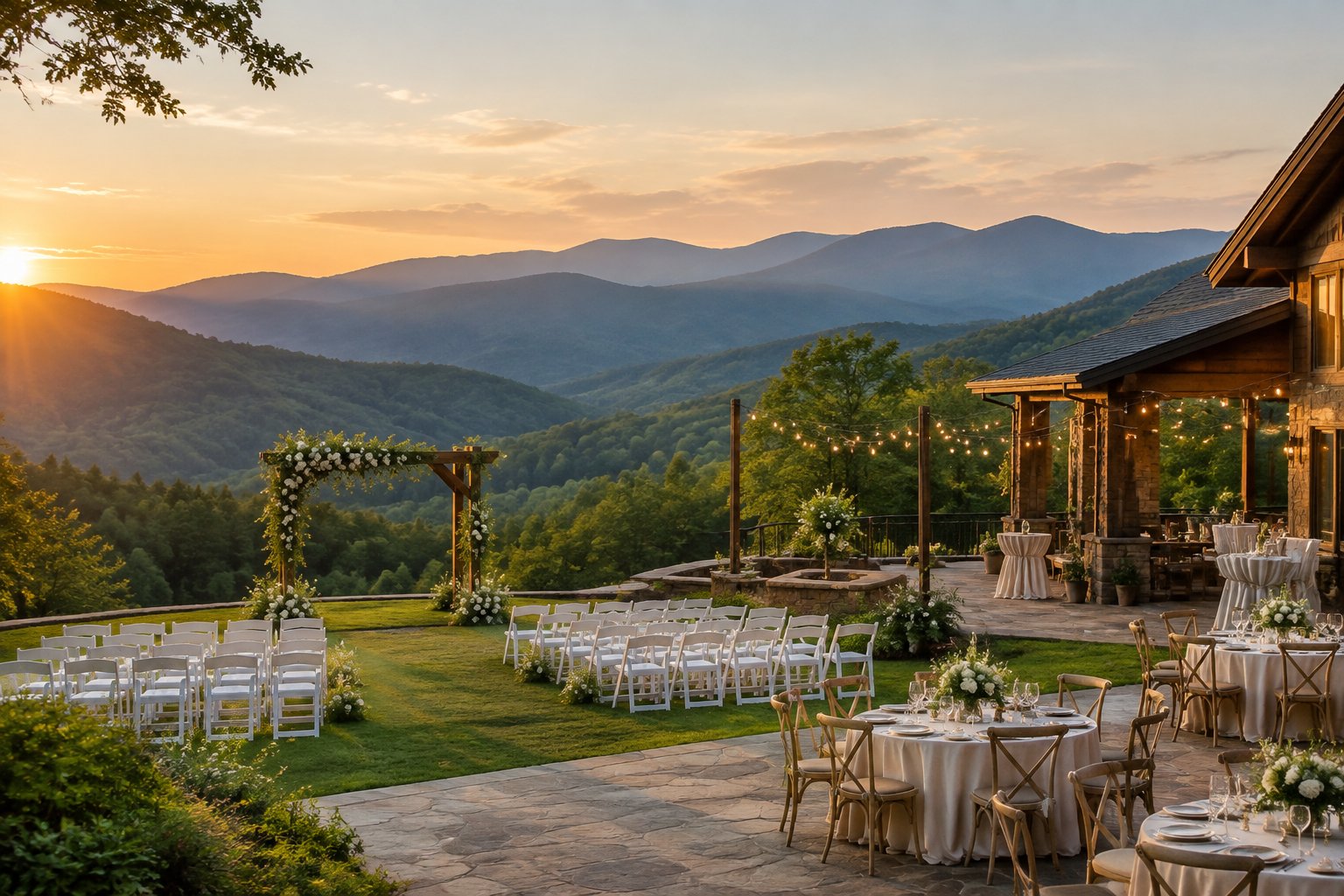
Choose a mountain wedding venue that fits your guest count, wedding style, travel needs, and weather plan at the same time. A scenic site feels much easier to enjoy when the ceremony, reception, preparation spaces, parking, and lodging work together.
Match the Venue to Your Guest Count and Wedding Style
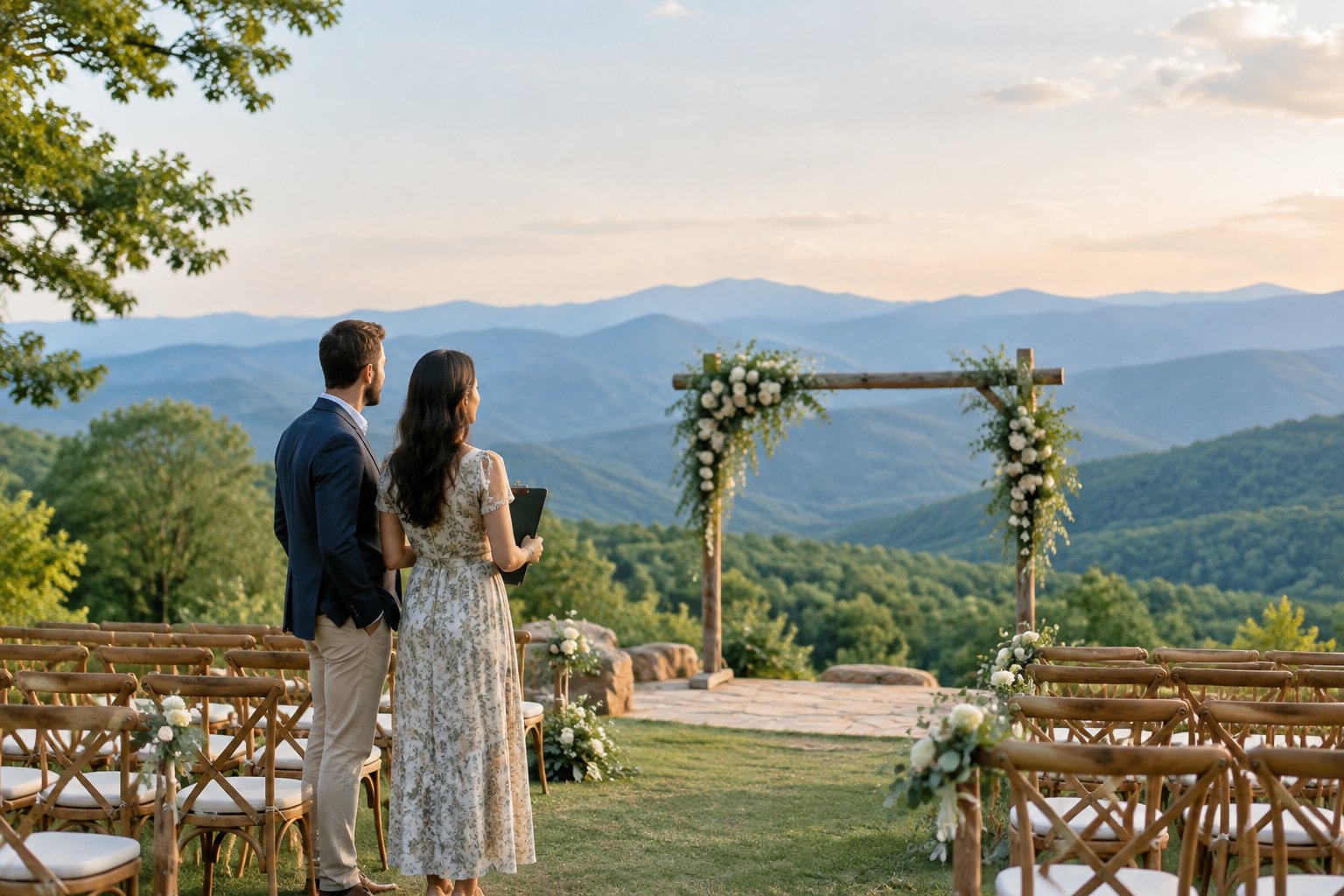
Begin with your guest list and preferred level of formality. A small group may feel comfortable at a wedding chapel, cabin wedding, or private garden. A larger celebration needs a spacious reception hall, strong parking capacity, restrooms, catering access, and room for dancing.
Your style narrows the search:
-
Intimate ceremonies: Look for chapels, cabins, or small outdoor sites with simple packages.
-
Rustic celebrations: Consider rustic barns, farms, and mountain lodges with open event areas.
-
Formal receptions: Search for venues with a finished reception hall, private suites, climate control, and lighting options.
-
Outdoor weddings: Confirm the ceremony surface, guest seating, shade, sound setup, and rain plan.
Review the venue’s maximum capacity carefully. A room that technically holds your group may feel crowded once you add tables, a dance floor, buffet stations, and photography space. If you are planning a smaller event, tips for choosing the perfect venue for a small wedding can help you assess the space.
Compare Mountaintop, Barn, Chapel, Cabin, and Lodge Options
Each venue type creates a different guest experience.
-
Mountaintop venues: Deliver broad views and dramatic photographs. Ask about winding roads, wind exposure, parking, and sunset timing.
-
Barn venues: Bring warmth and rustic character. Check heating, cooling, restrooms, flooring, and lighting.
-
Wedding chapels: Offer a familiar ceremony structure and convenient packages. Confirm whether the reception happens on-site.
-
Cabin venues: Work well for elopements and small groups who want privacy. Verify event rules, sleeping capacity, noise limits, and catering access.
-
Mountain lodges: Suit larger gatherings and full wedding weekends. Look for on-site rooms, preparation suites, dining space, and an indoor ceremony option.
Ask each owner what the rental includes. Tables, chairs, setup, cleanup, coordination, décor, sound equipment, and catering policies vary widely.
Prioritize Accessibility, Privacy, and Weather Backup Space
A venue with an easy arrival route helps older guests, children, and vendors move through the day comfortably. Check paved paths, parking distance, restroom access, stairs, shuttle needs, and cell service. Ask how long it takes to reach the venue from guest lodging during busy travel periods.
Privacy also changes the feel of your wedding. A private property gives you more control over music, photos, guest movement, and ceremony timing. Public areas offer natural beauty while bringing visitors, traffic, and possible noise.
A strong weather plan includes a covered or indoor ceremony area, protected dining space, and a clear decision deadline. Ask whether the backup room holds every guest and whether the same décor, seating, and photography plan can move there smoothly.
Where to Look Around the Smokies
Gatlinburg and Pigeon Forge provide the most convenient mix of wedding services and attractions, while Townsend, Sevierville, and nearby park areas offer quieter settings and different lodging styles. Your best location depends on whether guests value nightlife, easy access, open land, or a peaceful foothills atmosphere.
Gatlinburg and Pigeon Forge for Convenience and Attractions
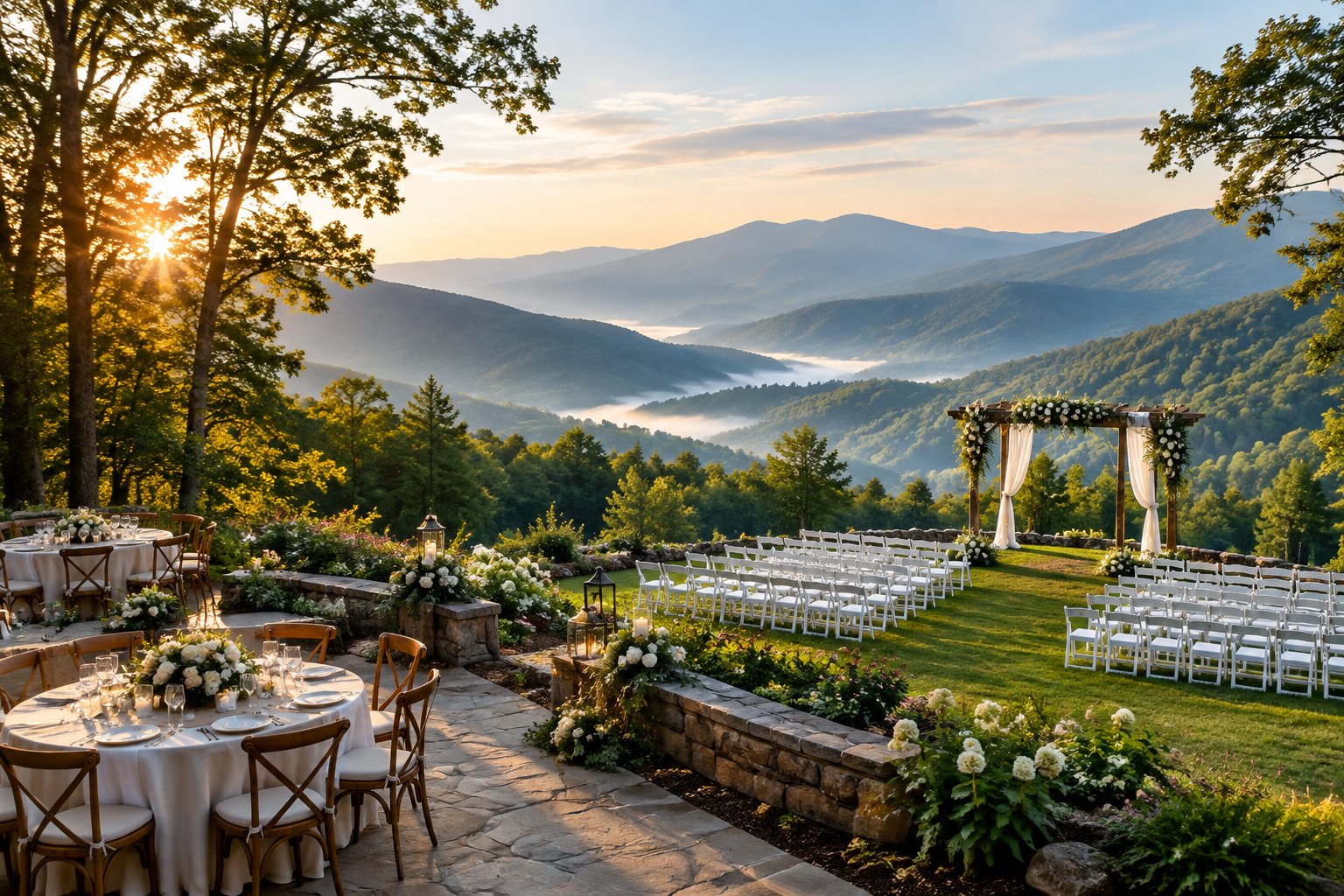
Gatlinburg places guests close to the Great Smoky Mountains, restaurants, shops, scenic drives, and wedding vendors. Pigeon Forge adds theaters, family attractions, dinner shows, and easy entertainment for a destination wedding. Dollywood gives guests another popular activity during free time.
These towns suit couples who want a lively weekend with plenty of choices. Build extra travel time into the schedule because Parkway traffic, seasonal crowds, and event weekends affect arrival times. Ask your venue about shuttle routes and vendor access before setting the ceremony hour.
Sevierville for Farms, Cabins, and Larger Celebrations
Sevierville offers a broad range of farms, cabins, event properties, and larger accommodations. The area works well when you want more space for a full reception or a group stay while keeping access to Gatlinburg and Pigeon Forge.
Search for properties with flat parking, spacious lawns, private preparation rooms, and indoor dining. Large group cabin rentals can simplify lodging for families and wedding parties, though you should confirm event policies before signing a rental agreement.
Townsend and Cades Cove for a Quieter Foothills Feel
Townsend gives you a slower pace near the western side of the Great Smoky Mountains National Park. Its setting suits couples who prefer rivers, wooded roads, local restaurants, and a relaxed guest experience.
Cades Cove offers historic scenery and open mountain views within the park. Travel times, seasonal road rules, limited services, and public access require careful planning. Arrange photography and ceremony logistics around the loop road schedule, parking limits, and guest mobility.
Tennessee vs. North Carolina Locations
Tennessee locations near Gatlinburg, Pigeon Forge, Sevierville, and Townsend offer dense wedding services, entertainment, and lodging choices. North Carolina locations near the park’s eastern side provide access to communities such as Cherokee and Bryson City, with a quieter travel style in some areas.
Compare driving routes for your guests, airport access, marriage-license requirements, vendor travel fees, and the distance between lodging and the ceremony. A venue across the state line may create a different paperwork process, so confirm current requirements with the appropriate county clerk.
Standout Local Venues by Experience
The strongest local venue choice comes from matching the property’s setting and services to your wedding experience, whether you want panoramic views, a farm reception, a small ceremony, or a private weekend retreat. Tour the ceremony site, reception area, preparation rooms, parking, and backup space before you compare package prices.
Scenic Event Venues With Panoramic Mountain Views
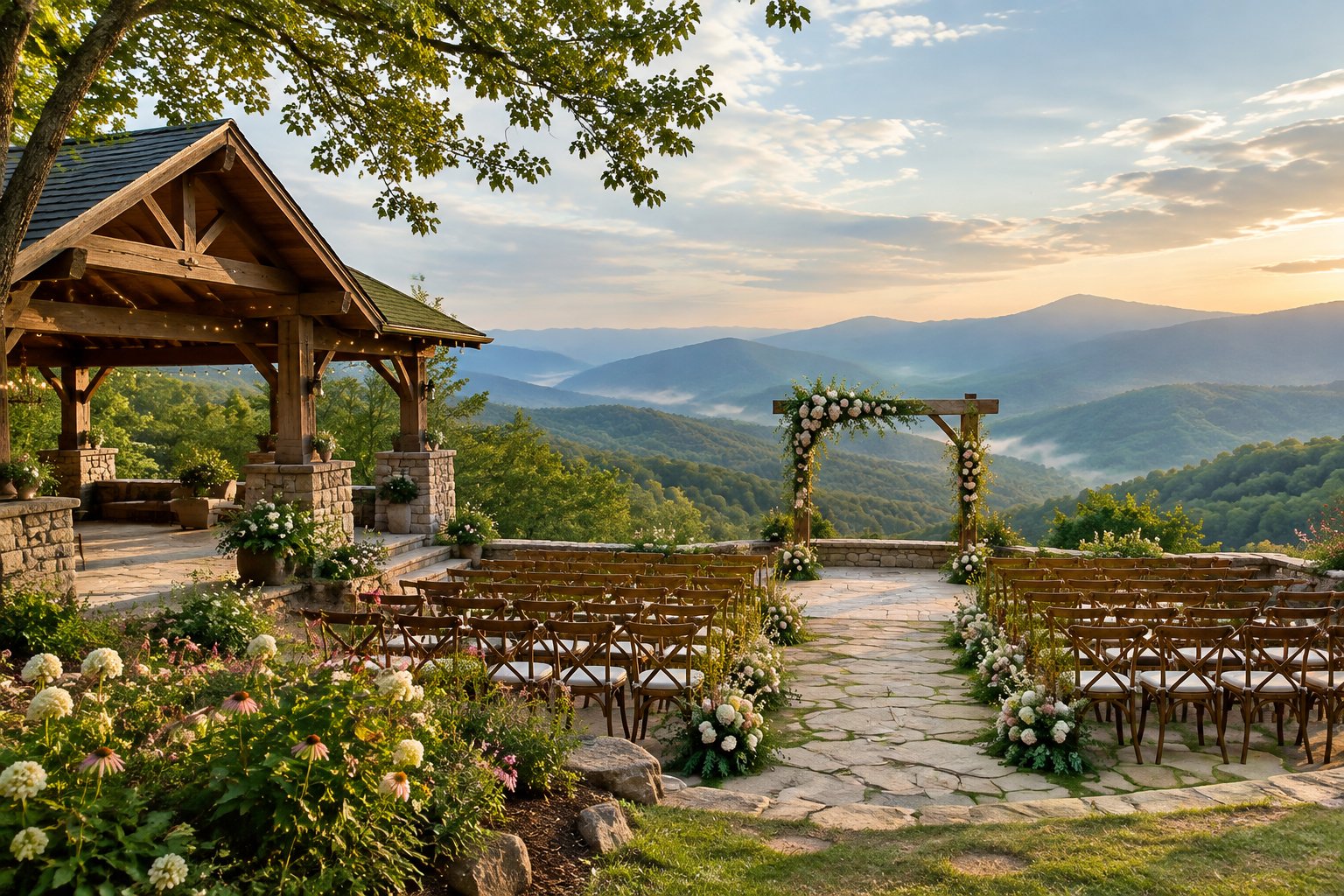
The Magnolia Venue and The Trillium Venue appeal to couples who want polished event spaces paired with Smoky Mountain scenery. Ask about ceremony orientation, sunset views, guest seating, cocktail-hour flow, and indoor reception capacity.
Above The Mist Weddings focuses on an elevated mountain setting with wide views. Its location makes the photography backdrop memorable, while the elevation makes road access, wind, weather, and guest comfort important questions.
Compare the view from guest seating, not only from promotional photos. Ask which trees, buildings, or seasonal conditions affect the sightline and where portraits happen if fog or rain covers the ridges.
Rustic Farms and Barns for Relaxed Receptions
4 Points Farm and Anson Arbor Farm suit couples who want open land, natural textures, and a relaxed reception atmosphere. Farm venues give you room for outdoor ceremonies, lawn activities, and flexible décor.
Ask about ground conditions after rain, restroom placement, power supply, catering access, lighting, and sound limits. Check whether the rental includes tables, chairs, setup, cleanup, and a coordinator. A beautiful farm property may require more vendor coordination than a packaged venue.
Chapels and All-Inclusive Options for Smaller Ceremonies
Bluff Mountain Inn, Colonial Estate, and Sugar Hollow offer options for couples seeking a more contained ceremony experience. These properties may fit intimate weddings, vow renewals, and destination celebrations where you want fewer moving parts.
When reviewing an all-inclusive package, list each included service. Confirm the officiant, flowers, photography hours, music, cake, meal service, décor, coordination, guest seating, and taxes. Ask whether the package allows customization and whether the ceremony and reception share the same weather plan.
Cabins and Lodges for a Full Wedding Weekend
Moose Hollow Lodge and Hidden Mountain Resorts fit couples who want guests to stay close to the celebration. Large group cabin rentals can give your wedding party shared meals, quiet mornings, and a home base for the weekend.
Confirm the property’s event permission, sleeping arrangements, parking, accessibility, noise rules, catering limits, and cleanup requirements. A cabin that sleeps many guests may have a smaller usable event area, so request a floor plan and guest-capacity limit before booking.
Can You Get Married in Great Smoky Mountains National Park?
You can hold a wedding in Great Smoky Mountains National Park with a Special Use Permit and by following the park’s approved-location, guest, vendor, and environmental rules. The park provides remarkable scenery, yet your ceremony remains subject to public access, limited parking, weather, and site restrictions.
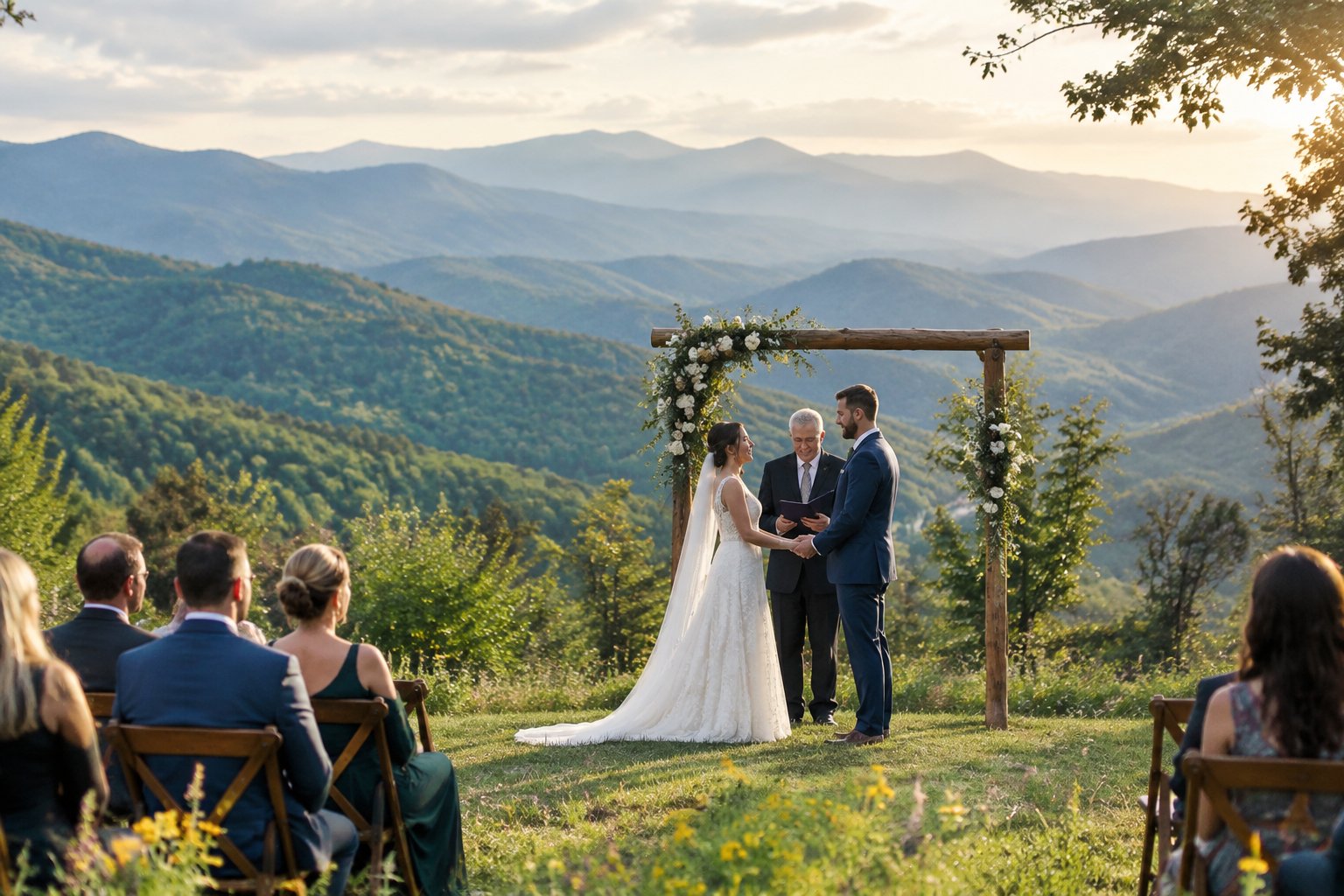
Permits, Approved Locations, and Vendor Requirements
Apply for the required Special Use Permit before planning the ceremony details. The permit identifies the location, date, time, group size, activities, and equipment allowed. Confirm current application fees, deadlines, parking rules, and restrictions directly with the National Park Service.
Approved locations include overlooks, picnic areas, historic churches, river settings, and designated roadside sites. The permit does not create exclusive use of a public area. Ask vendors whether they have worked within the park and confirm rules for chairs, arches, florals, music, photography, food, and transportation.
Choosing Between Historic Churches, Waterfalls, and Overlooks
Historic churches provide architectural character and shelter near scenic park landscapes. Waterfall sites such as Laurel Falls create a natural setting, though trail access and public visitors affect the ceremony. Overlooks near Clingmans Dome, Cades Cove, and other mountain roads provide wide views with limited ceremony space.
Match the site to your guest mobility and ceremony size. A waterfall hike may fit an elopement with a few guests, while a parking-area overlook works better for a small group that needs easier access. Check seasonal closures and road conditions before confirming the date.
Guest Comfort, Hiking Access, and Leave-No-Trace Etiquette
Tell guests about trail length, elevation, surfaces, restroom access, parking, cell service, and temperature changes. Provide footwear guidance and allow extra time for wildlife-related traffic or slow-moving vehicles.
Keep ceremonies small and low-impact. Stay within designated areas, pack out all waste, avoid disturbing plants and wildlife, and follow instructions around black bears and elk. Do not feed animals or approach them for photographs. A park elopement works best when your ceremony plan leaves the landscape ready for the next visitor.
When Should You Plan a Smoky Mountain Wedding?
Fall offers famous foliage, spring brings wildflowers, summer supports long outdoor celebrations, and winter creates a cozy setting with more indoor focus. Choose your season by weighing scenery, road conditions, guest comfort, venue demand, and the type of ceremony you want.
Spring Wildflowers and Changeable Mountain Weather
Spring brings fresh greenery and wildflowers across the mountains. Mild temperatures suit outdoor weddings, though rain, fog, pollen, and quick temperature changes belong in your wedding planning.
Choose a venue with covered ceremony space and indoor dining. Give guests a rain-ready schedule, and ask your photographer about portrait locations that stay attractive when trails or lawns are wet.
Summer Greenery and Outdoor Event Planning
Summer provides lush views, long daylight, and strong conditions for outdoor weddings. Heat, humidity, afternoon storms, and busy vacation traffic require practical planning.
Offer shade, water, fans, and comfortable seating. Set the ceremony away from the hottest part of the afternoon, then confirm sunset timing at the venue because ridges shorten direct light.
Fall Foliage, Peak Demand, and Earlier Booking
Fall foliage creates one of the most requested wedding backdrops in the region. September through early November dates fill quickly, especially on weekends with peak color.
Book your venue and lodging well ahead of time. Keep a flexible date list if foliage timing matters to you, since elevation changes the peak color period. Send guests travel details early so they can reserve rooms before demand rises.
Winter Ceremonies and Cozy Indoor Alternatives
Winter suits intimate ceremonies, fireside receptions, and indoor venues with mountain views. Lower visitor numbers may create more date flexibility, while snow and ice can affect roads and attendance.
Choose a venue with dependable heating, covered arrival areas, indoor photo locations, and a clear travel policy. Tell guests to allow extra driving time and monitor weather alerts during the week of the wedding.
Plan the Wedding Weekend and Honeymoon
A successful Smoky Mountain wedding weekend keeps lodging, ceremony activities, meals, and honeymoon time close enough to feel relaxed. Give guests a clear schedule with open space so they can enjoy the destination without rushing from one activity to the next.
Book Lodging That Keeps Guests Close Together
Reserve lodging based on group size, mobility needs, privacy preferences, and distance from the venue. Large group cabin rentals keep families together, while hotels in Gatlinburg, Pigeon Forge, and Sevierville give guests more dining and entertainment access.
Confirm check-in times, parking, stairs, sleeping arrangements, pet rules, and event restrictions. If guests stay in several properties, share a map and assign one contact for transportation questions.
Build a Simple Destination-Wedding Timeline
Send a weekend outline with arrival guidance, welcome plans, rehearsal details, ceremony time, reception end time, and departure information. Include buffer time for mountain roads and guest parking.
A practical schedule might include:
-
Arrival day: Check in, settle guests, and host a casual welcome meal.
-
Wedding day: Keep preparation, ceremony, portraits, dinner, and dancing at a manageable pace.
-
Departure day: Offer breakfast or a short farewell gathering before guests travel home.
Use a destination wedding checklist to track guest communication, travel details, vendors, permits, and lodging.
Add Local Experiences Without Overpacking the Schedule
Give guests a few optional ways to enjoy the area. Dollywood works well for families, while Cades Cove offers a scenic drive and historic sites. Hiking, restaurants, scenic overlooks, and shopping in Gatlinburg, Pigeon Forge, and Sevierville create choices for different interests.
Reserve one open afternoon for rest or weather changes. After the wedding, you can extend your honeymoon with a quieter cabin stay, a park visit, or another stop among Tennessee’s mountain destinations. Honeymoon destinations in Tennessee can help you compare nearby ideas.