
Hen Party Destinations GSUSA: A Girl Scout Travel Guide
If you search for “hen party destinations gsusa,” you may be combining two different kinds of travel. A hen party is an adult celebration built around group fun, while GSUSA travel gives Girl Scouts structured, supervised experiences that build confidence, leadership, and cultural awareness. For Girl Scouts, GSUSA Destinations suit independent Cadette, Senior, and Ambassador travelers because they offer curated trips with other Girl Scouts from across the country.

You can still plan a memorable Girl Scout getaway with your troop, family, or council. Start by choosing the right travel path, then match the destination and activities to each traveler’s age, experience, budget, and supervision needs. Use the guidance below to turn a broad search into a safe, meaningful trip plan.
Why This Search Term Needs Clarification
GSUSA uses travel terms such as Girl Scout Destinations, Getaways, and troop travel for youth experiences, while “hen party” refers to an adult celebration that may include nightlife, nightclubs, or beach clubs. Keeping those meanings separate helps you choose an appropriate option.

How Girl Scout Destinations Differ From Adult Getaways
Girl Scout Destinations are curated travel opportunities for individual Girl Scouts, with many programs aimed at Cadette, Senior, and Ambassador members. You apply for a specific experience, review its age and skill requirements, and travel with Girl Scouts from different areas.
An adult getaway has a different purpose. A hen party may focus on relaxation, dining, entertainment, or social time among friends. Girl Scout travel focuses on learning, leadership, teamwork, outdoor skills, and cultural exchange.
Why Hen Parties, Nightclubs, and Beach Clubs Are Not Girl Scout Travel
Hen parties are adult celebrations, so their schedules may center on late-night venues, alcohol-focused settings, or age-restricted entertainment. Nightclubs and beach clubs also bring rules and environments that do not fit youth programming.
Girl Scout travel works best when activities support participation, safety, and personal growth. A group can enjoy a city, coastline, or resort area through daytime tours, service projects, museums, nature programs, and supervised recreation.
What GSUSA, Girl Scout Councils, and Partners Each Do
Girl Scouts of the USA, also known as GSUSA, provides national travel programs and planning resources. Girl Scout councils organize local and regional opportunities, approve troop plans, and share council-specific policies.
Partners may operate parts of a trip, provide transportation, or lead specialized activities. Your council remains an important contact for approval, safety procedures, adult ratios, required training, and travel paperwork. Ask your council how its rules apply before collecting money or booking arrangements.
Which Girl Scout Travel Option Fits Your Group?
Choose Girl Scout Destinations for an individual teen traveler, Getaways for a ready-made experience, troop travel for a group plan, and Girl Scout properties for affordable lodging or outdoor stays. Each route gives you a different level of choice and planning responsibility.
Girl Scout Destinations for Independent Travelers
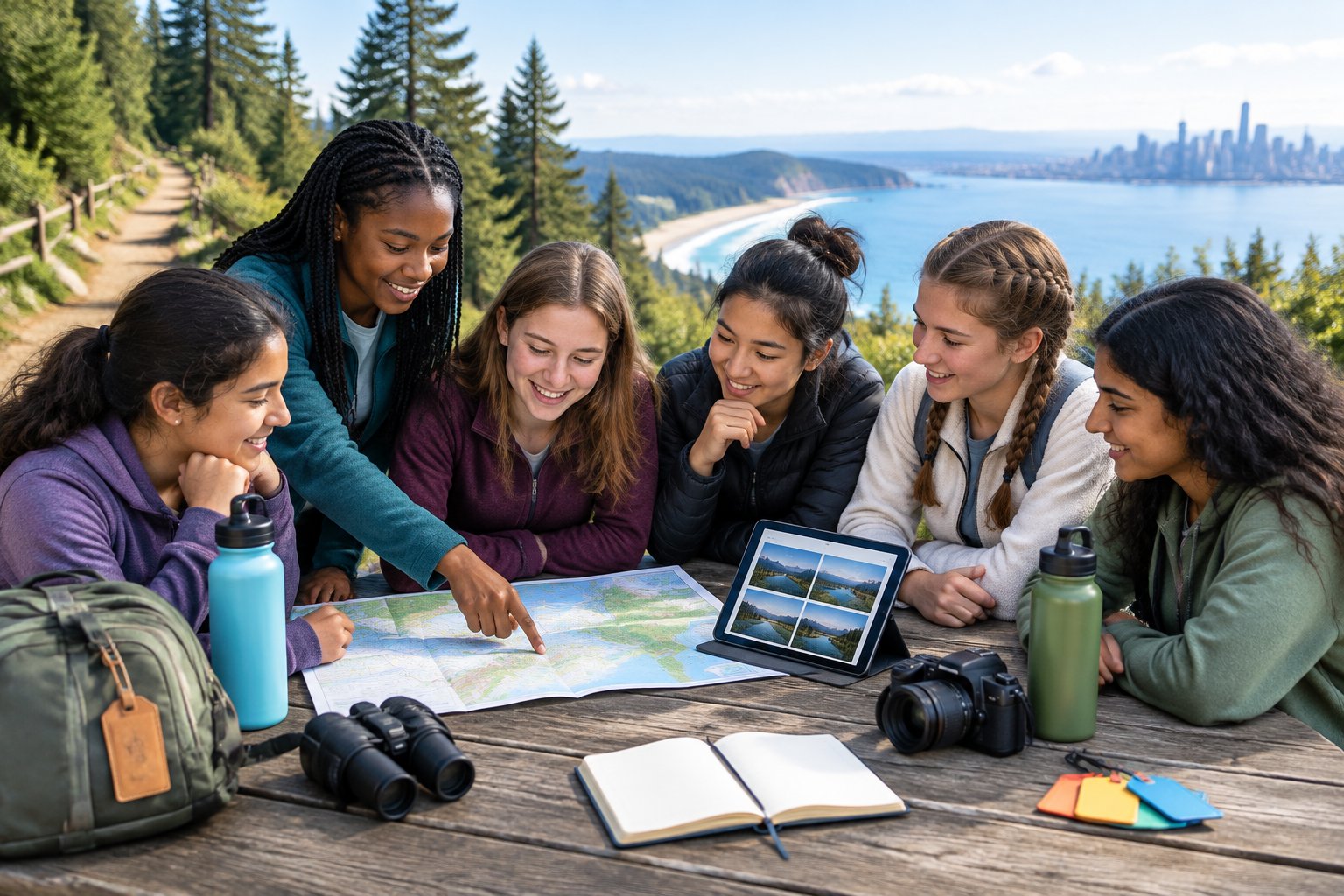
Girl Scout Destinations are designed for individual Girl Scouts ages 11 and older, with many opportunities aimed at Cadette, Senior, and Ambassador members. You choose a listed program, check the required age and experience, and apply on your own.
Trips may focus on international travel, outdoor adventure, science, leadership, or community service. You travel with a new group of Girl Scouts and adult leaders, which makes this route a strong fit for someone ready to build independence while staying within a Girl Scout structure.
Getaways for Ready-Made Group Experiences
Getaways are curated experiences hosted by Girl Scout councils and partners. Your troop registers for an established itinerary, which reduces the amount of destination research and activity planning your group must complete.
Available programs change by year. Examples include cultural travel, service learning, outdoor recreation, and international tours. Tell your home council about the trip and confirm registration, payment, and supervision details before committing.
Troop Travel for Council-Approved Trips
Troop travel gives your group more control over the destination, schedule, budget, and learning goals. You might plan a nearby overnight first, then build toward a longer national or international trip as the troop gains experience.
Work with girls and adults on transportation, lodging, meals, activities, emergency contacts, and costs. Your council sets the approval process, so submit plans early and follow its travel progression and adult supervision requirements.
When to Use Girl Scout Properties and Camps
Girl Scout properties can provide a practical base for a road trip, weekend stay, or outdoor program. Options may include campsites, cabins, troop houses, and other group accommodations near attractions across the United States.
Use a Girl Scout property when your group wants time for hiking, camping, team activities, or a lower-cost overnight. Contact the site directly for availability, capacity, equipment, check-in rules, and program details.
Where Can Girl Scouts Travel?
Girl Scout travel can include international adventures, historic cities, wilderness programs, performing arts, and water or high-adventure activities. Your choice should match the listed requirements, adult skills, season, and council approval.

Outdoor Adventures in Costa Rica
Costa Rica offers a strong setting for an active Girl Scout trip. Programs can combine wildlife, volcanoes, national parks, conservation, and community learning.
Activities may include kayaking, surfing, ziplining, snorkeling, hot springs, or rafting. Each activity requires careful review of age limits, equipment, instructor qualifications, weather plans, and adult supervision. Choose only activities listed or approved for your group’s level.
Cultural Trips to India and London
India can introduce your group to historic sites, local traditions, food, crafts, and global Girl Scout connections. A well-planned itinerary should allow time for cultural learning and respectful interaction with local communities.
London offers museums, landmarks, history, theater, and international travel practice in a major city. Build in clear meeting points, transportation plans, accessibility checks, and regular rest periods so the group can stay engaged.
Learning Experiences in New York City, Savannah, and Minnesota
New York City can support educational visits, museums, civic learning, and Broadway experiences. Savannah connects Girl Scouts with Juliette Gordon Low’s birthplace and the history of the Girl Scout movement.
Minnesota offers outdoor learning through programs such as Boundary Waters canoe trips. Your group can develop navigation, camping, teamwork, and leave-no-trace skills while exploring a wilderness setting.
How Broadway, Kayaking, Surfing, Paddleboarding, and Ziplining Fit In
The activity should serve the trip’s learning goal and match the group’s readiness. Broadway can support arts and cultural learning, while kayaking, surfing, and paddleboarding build water skills and teamwork.
Ziplining adds an adventure challenge when a qualified operator, proper equipment, and age-appropriate course are available. Review every provider’s safety process, weather policy, emergency plan, and supervision expectations before booking.
Why Adult Party Cities Are Not Appropriate Trip Models
Adult party cities can still offer valuable Girl Scout experiences when you select daytime, educational, cultural, and outdoor activities that fit youth travel standards. The city name does not determine the trip model, the itinerary does.
Las Vegas: Entertainment Without the Adult-Party Lens
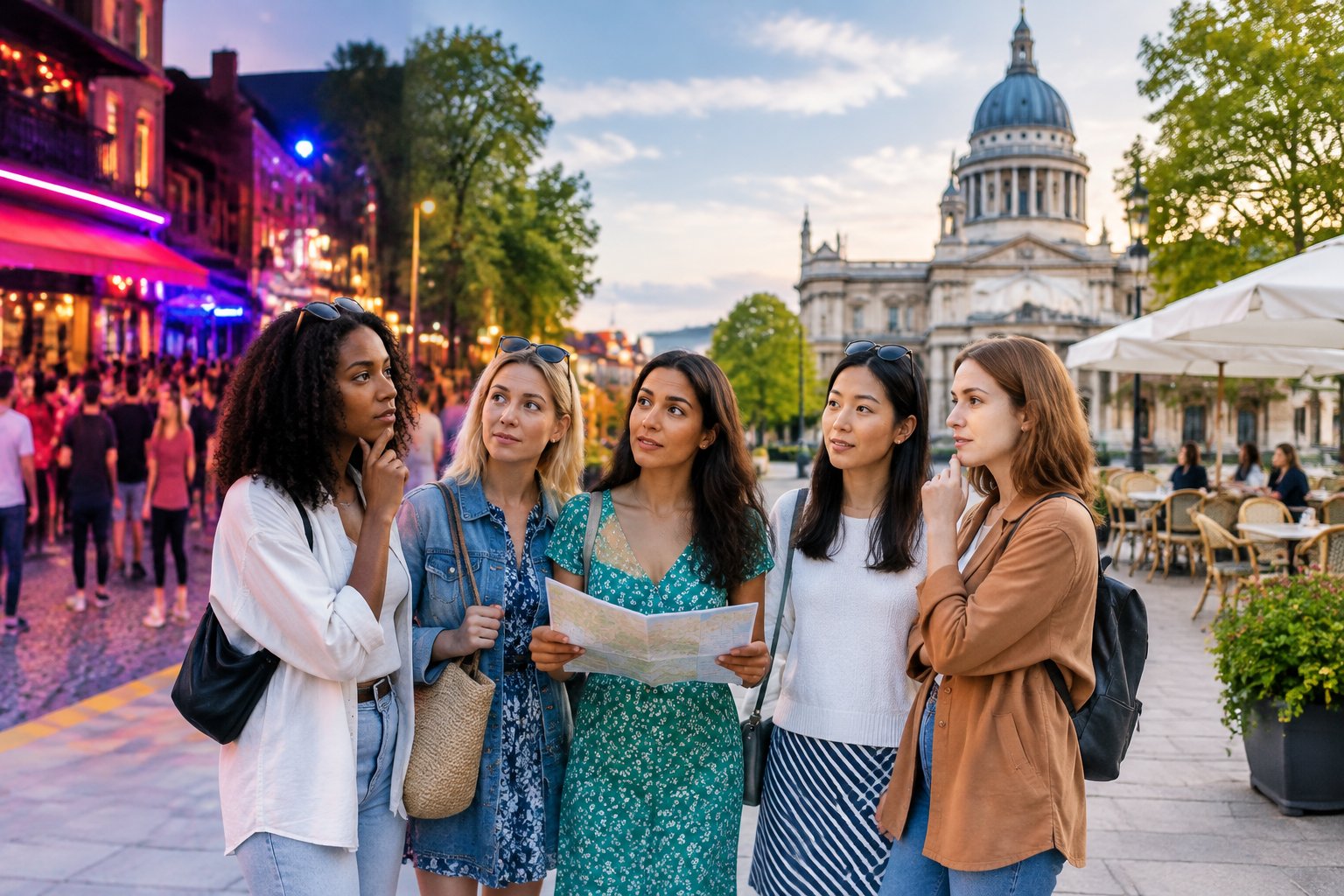
Las Vegas has shows, museums, restaurants, science attractions, outdoor areas, and interactive experiences that can support a supervised youth itinerary. Select activities with clear age requirements, educational value, and reliable transportation.
Skip gambling areas, alcohol-centered venues, adult shows, and nightlife-focused schedules. A Girl Scout trip should give participants meaningful daytime activities and a manageable pace.
New Orleans: Culture and History Over Bar-Centered Nightlife
New Orleans offers music history, architecture, museums, food traditions, riverfront sites, and civil rights education. These subjects can create a rich itinerary when your group uses reputable guides and plans transportation carefully.
Nightlife and bar-centered entertainment belong to adult travel. For Girl Scouts, schedule daytime tours, cultural programs, hands-on workshops, and supervised group meals.
How to Evaluate Age-Appropriate Activities in Any City
Use a practical screening process before adding an activity:
-
Check the age range, admission rules, and supervision policy.
-
Confirm transportation, meeting points, and emergency contacts.
-
Review the activity’s educational or skill-building purpose.
-
Ask your council whether the provider and plan meet its requirements.
-
Build rest time into the schedule, especially in large cities.
Document the details in your trip plan so families and adult volunteers know what participants will do each day.
How to Plan and Pay for a Girl Scout Trip
Plan the trip with your Girl Scout council, build experience in stages, and combine a realistic budget with approved fundraising. Your group should confirm requirements before making reservations or accepting payments.
Age, Experience, and Adult Supervision Requirements
Match the trip to the girls’ age, maturity, skills, and previous travel experience. A group that has completed local day trips may be ready for an overnight, while a longer national or international trip requires more preparation.
Follow your council’s adult-to-girl ratio and supervision rules. Adults should understand their responsibilities, emergency procedures, health information, communication plans, and activity-specific requirements.
Council Approval, Training, and Travel Documents
Your Girl Scout council sets the approval process for troop travel. Ask about proposal deadlines, required forms, first-aid or CPR training, background checks, insurance, transportation standards, and adult qualifications.
International trips require extra planning for passports, entry rules, health documentation, emergency contacts, and travel insurance. Keep copies of important documents in a secure location and provide families with a clear itinerary.
Funding Trips With Cookie Proceeds, Grants, and Money-Earning
Cookie proceeds can help fund troop travel when your council permits that use and the group follows its financial rules. Create a budget that includes transportation, lodging, meals, admissions, equipment, adult costs, insurance, and an emergency reserve.
Grants may be available through Girl Scout programs, councils, donors, or trip organizers. Money-earning activities can help fill the gap when they receive council approval. Share costs clearly with families and set payment deadlines that allow time for planning.
When EF Tours May Be the Right Travel Partner
EF Tours may fit a group that wants support with an organized educational itinerary, international logistics, transportation, and guided activities. Some Girl Scout travel programs are operated with travel partners, so review the exact program details before enrolling.
Ask who provides adult supervision, how the itinerary handles emergencies, what is included in the price, and which costs remain separate. Have your council review the provider and trip plan before your group makes a financial commitment.