
Honeymoon Package Japan: Routes, Costs, and Romantic Stays
A Japan honeymoon package can combine comfortable stays, intercity transport, and selected experiences into one trip that’s easier to plan. You can choose a city-focused route, add a night at a hot-spring inn, or build in time for quieter countryside.
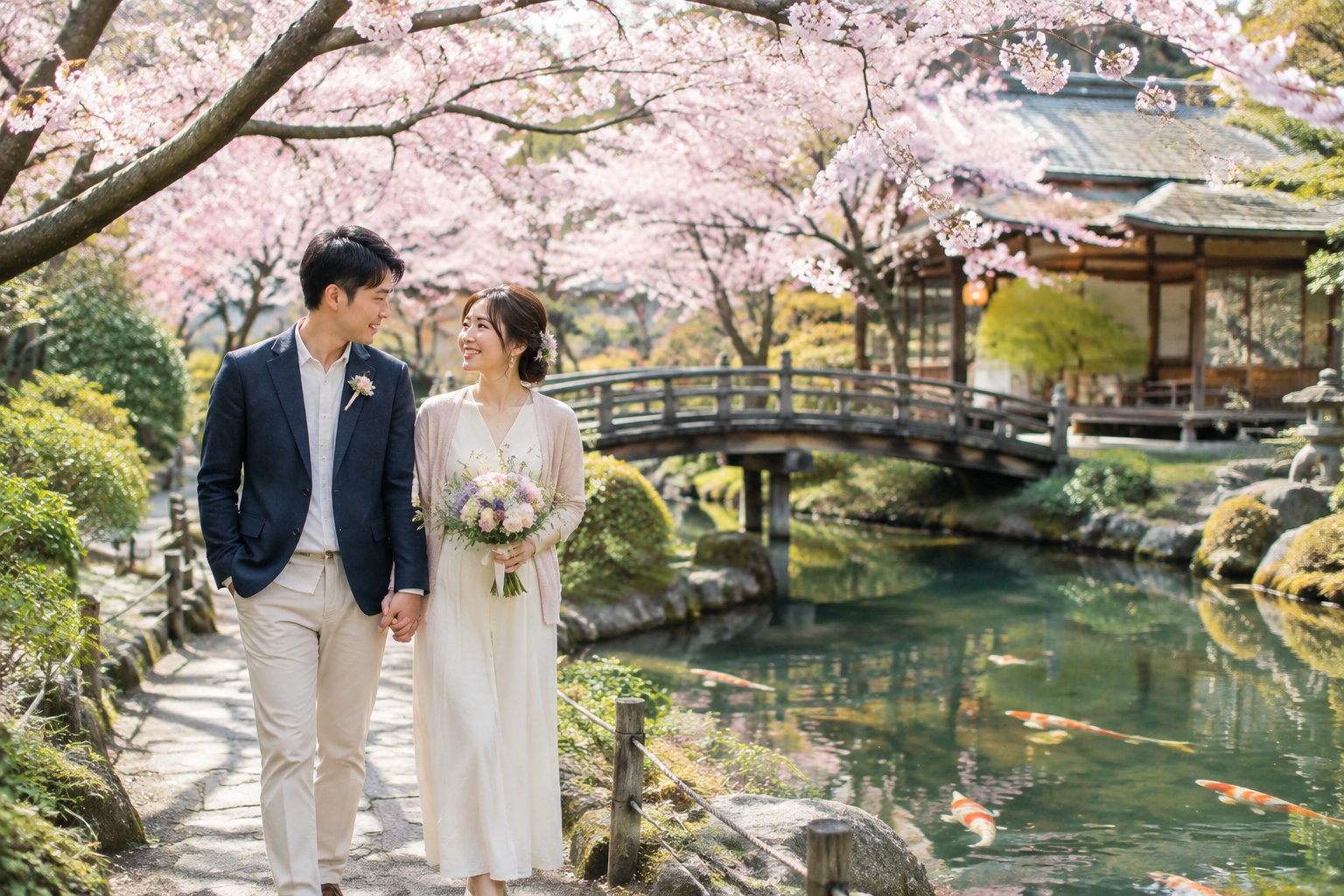
Your best fit comes down to the pace, comfort level, and experiences you want to share. Start by choosing the route you’re most excited about, then compare packages that include the stays and travel details you value.
What Does a Japan Honeymoon Package Include?
A Japan honeymoon package brings together some or all of your lodging, transport, and planned activities, with the exact inclusions set by the provider. You can find options that keep your days flexible, along with guided trips that map out more of each day.
Your quote should make clear what you’ll pay for in advance and what you’ll arrange as you go. Check the room type, meal plan, transfers, and cancellation terms before you compare prices.
What Types of Packages Can Couples Choose From?
You can choose a private tailor-made trip, a small-group tour, or a package that bundles hotels and rail travel while leaving sightseeing open. A private Japan honeymoon tour gives you more control over the pace and stops; a group tour provides a set schedule and shared transport. Some packages focus on cities, while others include a ryokan stay or a longer stop in the mountains.
Which Costs and Services Are Usually Included?
A package may cover hotel or ryokan nights, some meals, airport transfers, guided activities, and train or bus tickets. Check whether the quoted price is per person or for both of you, and whether it includes taxes, luggage delivery, and local transport. International airfare, travel insurance, meals outside the plan, and optional excursions can add to your total.
| Detail | Package | Plan your own trip |
|---|---|---|
| Hotels | Selected or bundled | Chosen and booked by you |
| Transport | May include rail or transfers | Arranged and paid for by you |
| Activities | Set or selected experiences | Chosen and booked by you |
| Daily schedule | Guided or partly set | Flexible |
| Price comparison | Check what the quote includes | Add each booking to your total |
How Does a Package Compare With Planning Your Own Trip?
A package saves you time coordinating stays and transport, while planning your own trip gives you direct control over each booking. Compare the full itinerary line by line: hotel locations, room category, train seats, included meals, and guided activities.
If you want to keep a close eye on costs, compare the package total with the price of booking the same items yourself and browse affordable honeymoon packages for ideas on where to focus your budget.
Which Japan Itinerary Fits Your Honeymoon?
A first trip of 10 to 14 days gives you time for a major city, a historic stop, and a slower stay outside the busiest areas. For ideas across the country, explore these honeymoon destinations in Japan and choose a route that leaves room to enjoy each stop.
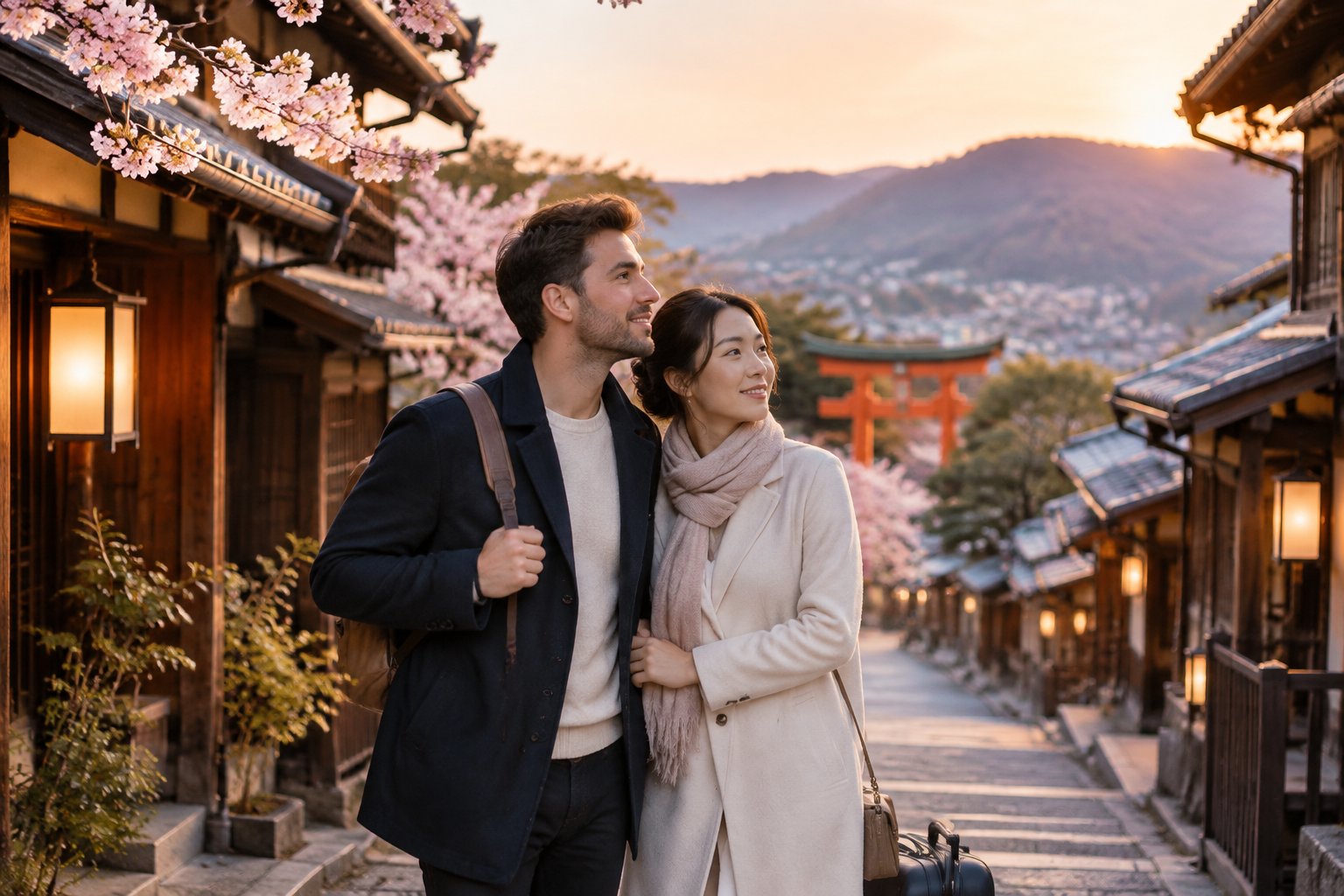
Your route shapes the balance between city energy, cultural visits, and time to rest. Choose fewer overnight stops if you want relaxed mornings and more unplanned time together.
What Is the Classic Tokyo–Kyoto–Osaka Route?
The classic route pairs Tokyo’s modern neighborhoods with Kyoto’s temples and traditional streets, then ends in Osaka for food and nightlife. You can spend four nights in Tokyo, four in Kyoto, and two in Osaka, adjusting the split to match your interests. The shinkansen connects Tokyo and Kyoto, and Kyoto and Osaka are close enough for a day trip or a short final stay.
How Can You Add Nara, Hiroshima, or More Time in Japan?
From Kyoto, you can visit Nara for its historic temples and park, then return to your Kyoto hotel that evening. Hiroshima needs more time: plan an overnight stay if you want to visit the Peace Memorial Park and Museum without rushing.
If you have a few extra days, use them to slow down in one city or add another region, instead of packing in a new hotel every night.
Which Routes Suit Hiking, Skiing, or a Slower Pace?
For mountain scenery and walking, add the Nakasendo trail, which links historic post towns, or spend time in Nagano for alpine views and outdoor activities. If you’re traveling in winter, Niseko is known for skiing and snow; check seasonal transport and lodging before you book.
A slower itinerary can center on a countryside inn, with day trips from a single base. Couples drawn to active trips can also browse adventurous honeymoon destinations as you weigh the pace you want.
What Romantic Experiences Can You Add?
A memorable honeymoon can pair a few planned experiences with open time to explore at your own pace. Choose traditions and sights that interest you, then leave space for quiet meals and unhurried walks.
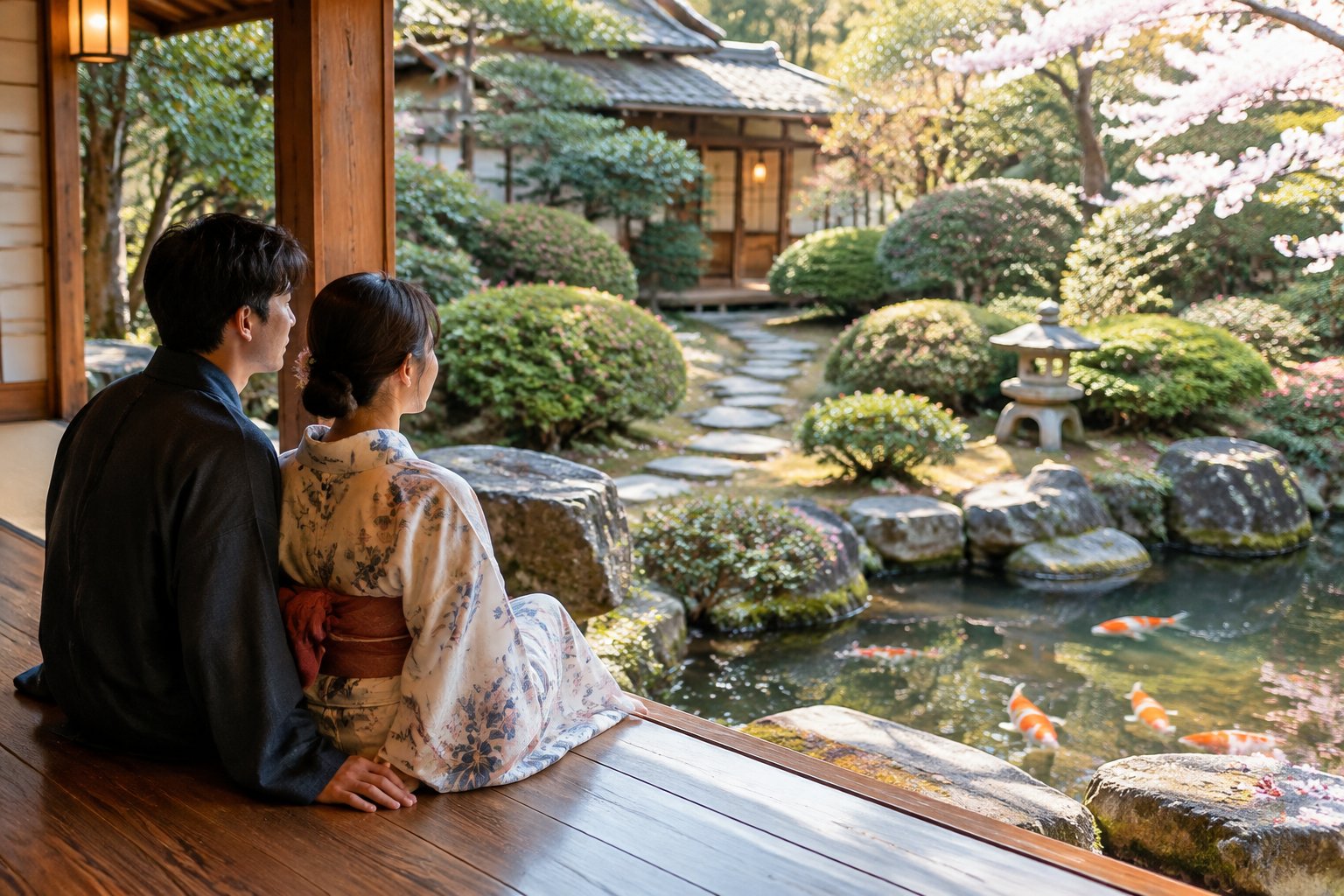
You can make a reservation for a special meal or ceremony, then build the rest of the day around nearby places. Many popular sights are busy, so an early start gives you a calmer visit.
Which Kyoto Sights and Traditions Make Memorable Moments?
A Kyoto tea ceremony gives you time to experience the care and customs behind preparing and serving tea. You can walk through the Gion district, visit Kiyomizu-dera Temple, or follow the torii gates at Fushimi Inari Taisha.
The Arashiyama Bamboo Grove makes a peaceful early-morning stop; Maruyama Park is especially lively in spring. For an easy cultural date, choose one main sight and leave the rest of the day open for a meal or a stroll. You’ll find more ideas for romantic date activities to adapt to your time in Kyoto.
Where Can You Find Iconic Tokyo and Osaka Attractions?
In Tokyo, Senso-ji Temple offers a historic setting in Asakusa, while Ueno Park gives you a place to walk among museums and seasonal blooms. You can explore more neighborhoods with these honeymoon destinations in Tokyo.
In Osaka, visit Osaka Castle for its history and park grounds, then head to Dotonbori for bright signs, street food, and an evening walk along the canal.
When Is a Cherry Blossom Tour Worth Planning?
A cherry blossom tour is a good fit if spring blooms are a priority and you have flexibility with dates. Blossoms usually appear at different times across Japan, and the peak varies by year, so build your plans around a region rather than one guaranteed day.
Reserve lodging early for popular spring dates, and keep a backup activity in mind in case the flowers bloom earlier or later than expected.
Where Should You Stay for a Romantic Escape?
A ryokan stay in Hakone or Kinosaki Onsen gives you a quieter break between city visits, with hot-spring bathing and traditional hospitality. You can also choose a city hotel with a skyline view if you prefer to stay close to restaurants and transit.
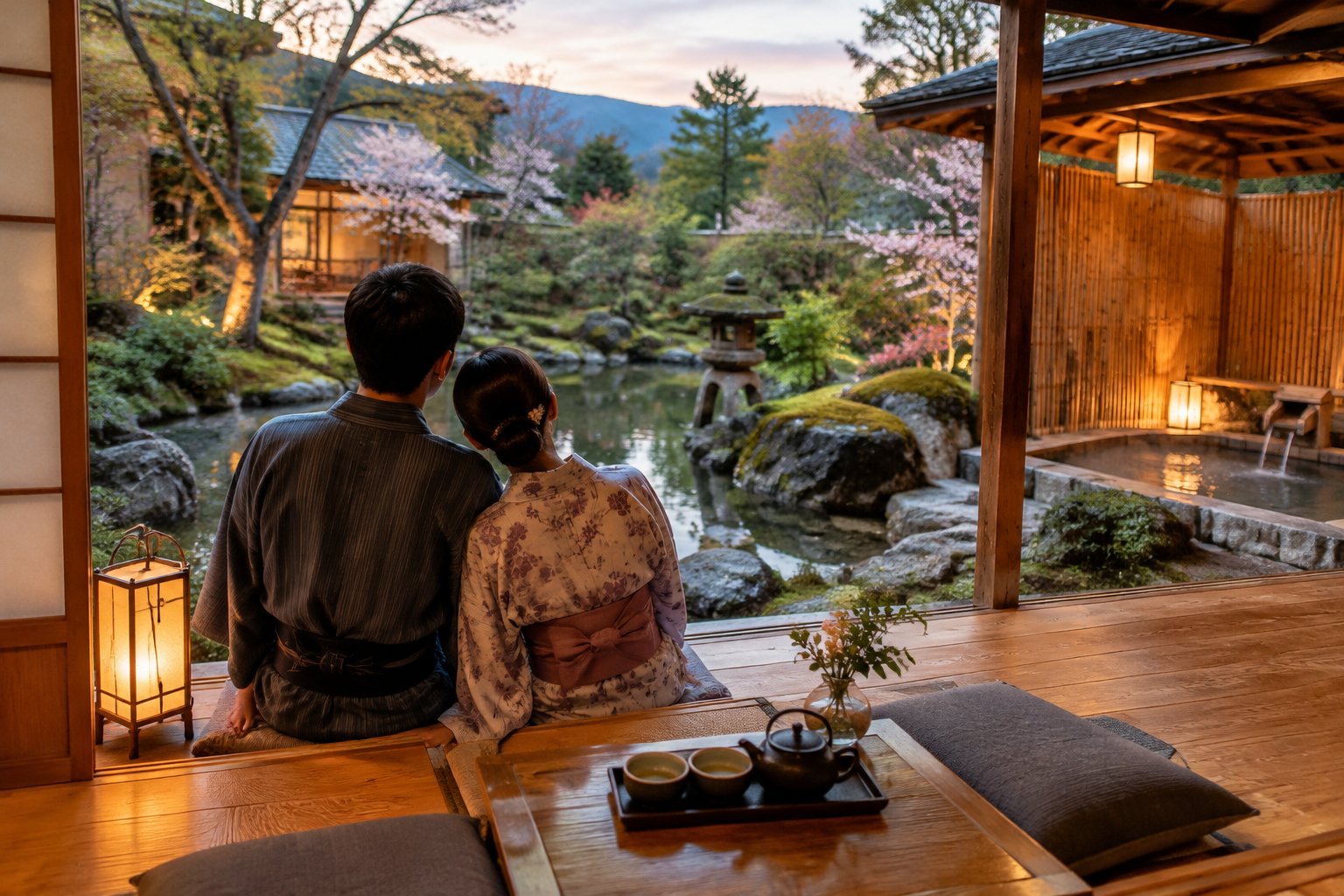
Your room, meal plan, and bath access shape the experience, so check each detail before booking. For more lodging ideas, browse honeymoon destination hotels and compare location as well as room features.
Why Choose Hakone for Hot Springs and Fuji Views?
Hakone makes a convenient stop between Tokyo and Kyoto, with hot springs, mountain scenery, and views across Lake Ashi. On clear days, you may see Mount Fuji from parts of the area, though weather and visibility vary.
Give Hakone at least one night so you have time for the lake, a relaxing bath, and a meal at your inn.
What Makes a Private Onsen or Ryokan Stay Special?
A private onsen gives you a reserved bathing space, which can make your stay feel more personal and relaxed. Some ryokan offer an attached private bath, while others let you book a shared bath for a set time.
Review the booking details for bath access, meals, and room style, since these features differ by property. You can also search for private honeymoon getaways if privacy is a priority.
Is Kinosaki Onsen a Good Addition to Your Route?
Kinosaki Onsen works well if you want an overnight hot-spring stop and have time to travel to northern Hyogo Prefecture. The town is known for its bathhouses, and many visitors explore them in a yukata.
Add a night or two to enjoy the baths at an easy pace, and check the train connections from your previous stop before you commit to the route.
When Should You Go and How Much Should You Budget?
Spring and autumn bring mild weather and seasonal scenery, while winter suits couples seeking snow or a hot-spring escape. For a rough planning range, set aside about $4,000 to $8,000 per person for a 10- to 14-day midrange trip on the ground, before international airfare; private guides and luxury ryokan stays can raise the total.
Your final quote will reflect travel dates, hotel choices, trip length, and what the package includes. Compare the full cost for two, including airfare and daily spending money, before you put down a deposit.
Which Seasons Are Best for Couples?
Spring brings cherry blossoms, and fall offers colorful foliage in many regions. These popular seasons draw high demand, so book rooms and major transport early if your dates are fixed.
Summer brings festivals and long days, along with heat and humidity in many cities. Winter gives you a chance to pair snowy scenery with hot springs, especially on a route that includes Niseko or Nagano.
What Drives Package Prices Up or Down?
Your biggest cost factors are trip length, hotel category, travel season, and the amount of private transport or guiding in your itinerary. A central Tokyo hotel and a ryokan with a private onsen will cost more than a simpler stay outside the busiest areas.
Ask whether the quote includes international flights, breakfasts, train tickets, luggage transfers, and entrance fees. Compare the package’s room and transport details with your own preferred choices before deciding.
Which Airport and Booking Details Should You Check?
Check whether your flights arrive at Narita International Airport or Haneda Airport, and confirm how you’ll reach your first hotel from that airport. Haneda is closer to central Tokyo; Narita is farther out, so travel time and transfer costs differ.
Review your arrival and departure times, baggage rules, cancellation terms, and the exact hotel names before booking. If you’re connecting through Tokyo on the way home, leave enough time to travel between the airport and your final stop.