
Honeymoon Packages All Inclusive Italy: What to Expect
If you’re comparing “honeymoon packages all inclusive Italy,” expect a coordinated trip with hotels, selected meals, transfers, tours, and romantic extras, with the exact inclusions listed in your proposal.
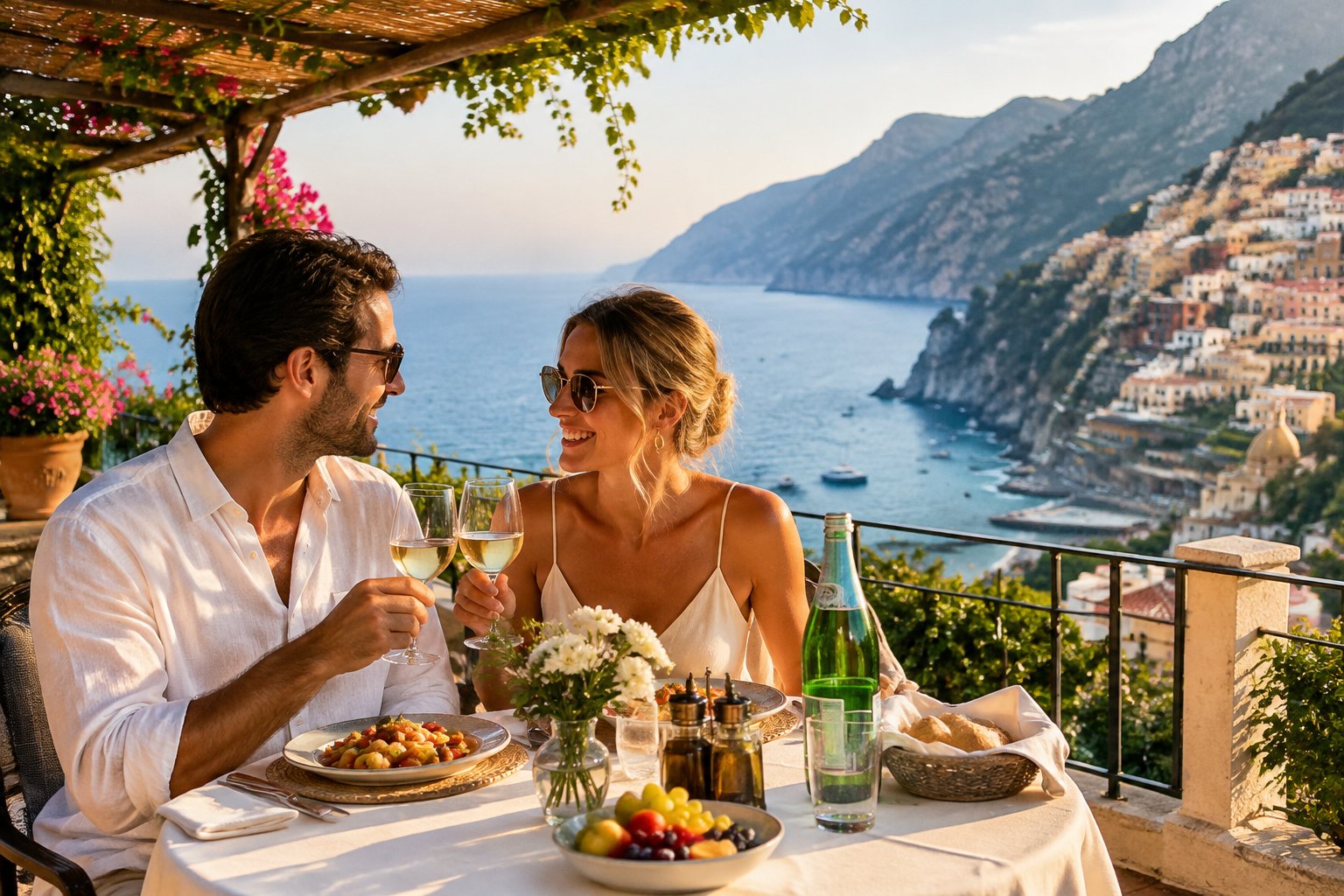
For an Italy honeymoon, you can pair celebrated cities with slower days on the coast or in wine country. Packages often bundle key details, while airfare and personal spending may stay separate. Start by comparing all-inclusive honeymoon options in Italy and noting which experiences you want to share.
What Do All-Inclusive Honeymoon Packages in Italy Include?
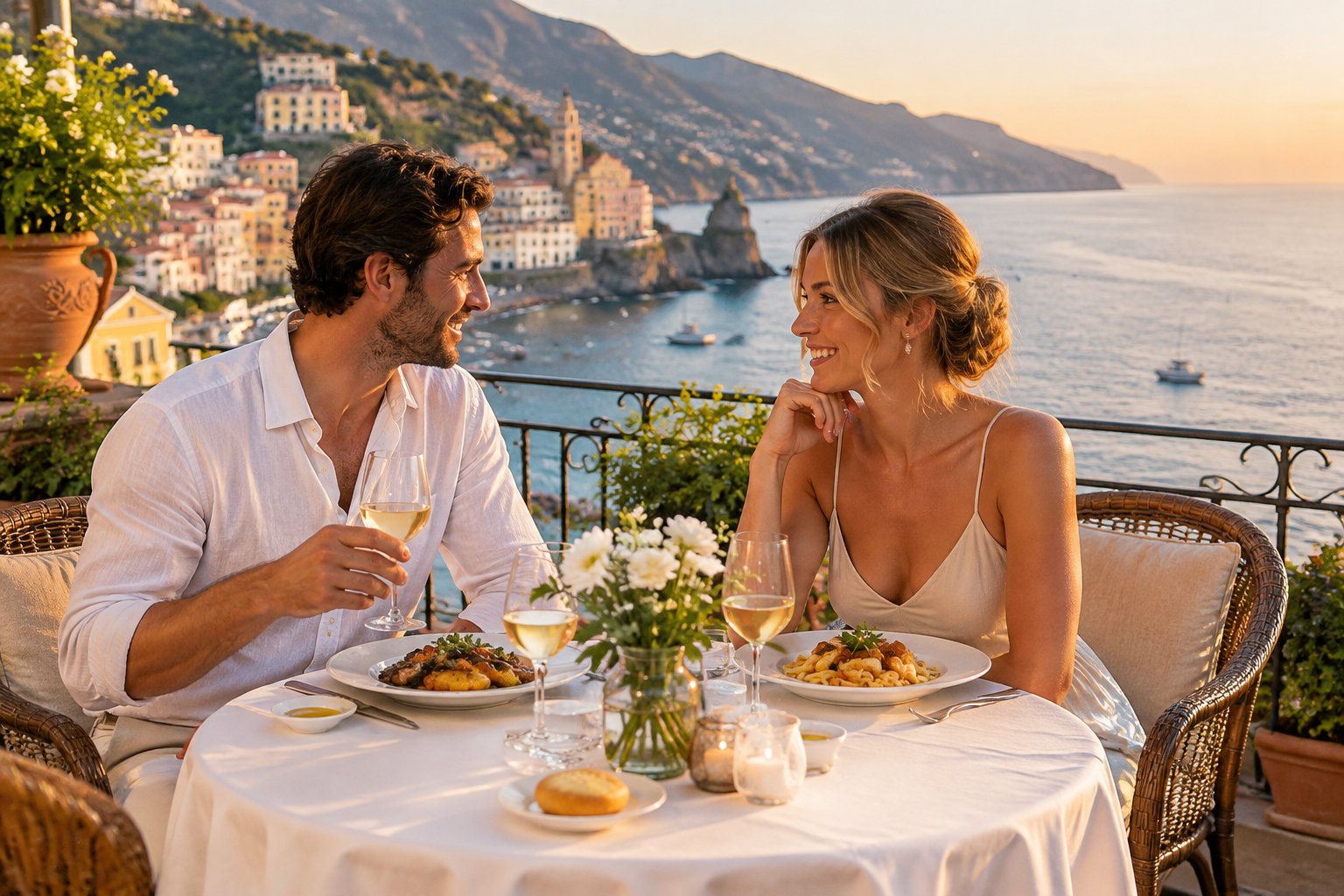
An Italy honeymoon package usually combines accommodations with selected trip details, such as breakfast, transfers, guided tours, and special experiences. Your Italy honeymoon planning should begin with a written list of inclusions, so you know what the package price covers before you book. You can also compare all-inclusive honeymoon packages to see how bundled travel options are described.
Are Meals, Flights, Transfers, and Tours Included?
Breakfast at each hotel is a common inclusion, and some packages add a welcome dinner or another special meal. Check whether lunch, dinner, drinks, and room service are part of the price, since meal coverage can differ from one itinerary to another.
Flights from the United States may be sold separately. Your proposal should say whether airport transfers are private or shared, and whether train tickets between cities are included. A package might also include guided visits in Rome, a winery tour in Tuscany, or a boat excursion from the coast. Look for the names of tours and the number of guests included.
What Does a Sample Package Leave Out?
A package can cover the main travel arrangements while leaving some costs for you to pay during the trip. Before confirming, check whether you need to budget separately for:
- International airfare and checked-bag fees
- City or hotel taxes
- Meals and drinks outside the listed inclusions
- Tips, souvenirs, and personal purchases
- Optional tours, spa treatments, or upgraded rooms
Ask for a day-by-day itinerary and a full price breakdown. That makes it easier to see where you have free time and what you’ll pay for on your own.
Which Italian Honeymoon Itinerary Fits Your Style?

You can shape your itinerary around city sights, lakeside stays, or countryside quiet. For a first visit, combine two or three places with a clear connection by train or transfer. Browse honeymoon destinations in Italy as you decide which setting suits you both.
Rome, Florence, and the Amalfi Coast
This route pairs ancient history and Renaissance art with sea views and coastal villages. Spend a few nights in Rome, continue to Florence by train, then travel south toward the Amalfi Coast. You’ll get a mix of guided sightseeing, relaxed meals, and time by the water.
Allow enough time for each stop. Moving hotels takes time, and the journey to the coast involves added ground travel. You can keep the route comfortable by choosing a few meaningful tours and leaving open space between them.
Venice, Milan, and Lake Como
Choose this northern Italy route for canals, city style, and a peaceful lakeside stay. Venice offers quiet early walks along its canals, while Milan brings fashion, museums, and restaurants. Lake Como adds gardens, waterfront villages, and boat trips; explore Lake Como honeymoon destinations as you weigh your hotel location.
This itinerary works well when you want a slower finish after exploring cities. You can travel between the main stops by train, then use local boats or arranged transfers to reach lakeside towns.
Tuscany and the Amalfi Coast
Tuscany gives you vineyard views, hill towns, and long meals, while the Amalfi Coast brings dramatic sea scenery. Florence makes a handy starting point for art and architecture before you head into the countryside. A stay at an estate near Chianti or another Tuscan town gives you a change of pace before the coast.
This pairing involves more travel than staying in one region. Keep the number of hotel changes low, and leave a full day for the journey between Tuscany and the coast.
What Romantic Experiences Can You Add?

Add one or two special experiences that fit your shared interests, then leave room for unscheduled time. You can choose private sightseeing, a boat outing, or a food-focused day, with reservations arranged before you travel for popular activities.
Explore Rome’s Colosseum, Vatican, and Piazza Navona
A guided visit can help you make sense of Rome’s ancient sites and art-filled landmarks. You might pair the Colosseum with the Vatican on separate days, then spend an evening around Piazza Navona, where cafés and fountains create a lively setting.
Reserve timed entry for major attractions and check what your tour includes. A private guide gives you more control over pace and focus, while a small-group tour can keep the cost lower.
Take a Gondola Ride Along the Grand Canal
For romantic Venice, book a gondola ride and take time to wander the smaller canals on foot. A ride along the Grand Canal offers views of historic palaces from the water, while a quieter route can feel more intimate. Confirm the ride length and route when you book.
Visit Capri, Sorrento, and the Amalfi Coast
A boat outing gives you a fresh view of the coastline and a chance to visit Capri from Sorrento or another coastal base. You can set aside time for swimming, a scenic lunch, or a walk through town. Check seasonal ferry schedules and weather plans when you arrange your day.
Tour Pisa, Siena, San Gimignano, and Chianti
A day in Tuscany can combine a landmark visit with time in smaller towns or vineyards. Pisa suits a stop to see its famous tower, while Siena and San Gimignano offer historic centers and local food. A Chianti tasting adds a relaxed countryside experience; ask whether your driver or tour includes winery fees and tasting costs. If Verona interests you, plan it as a separate stop on a northern route.
How Much Do Italy Honeymoon Packages Cost?
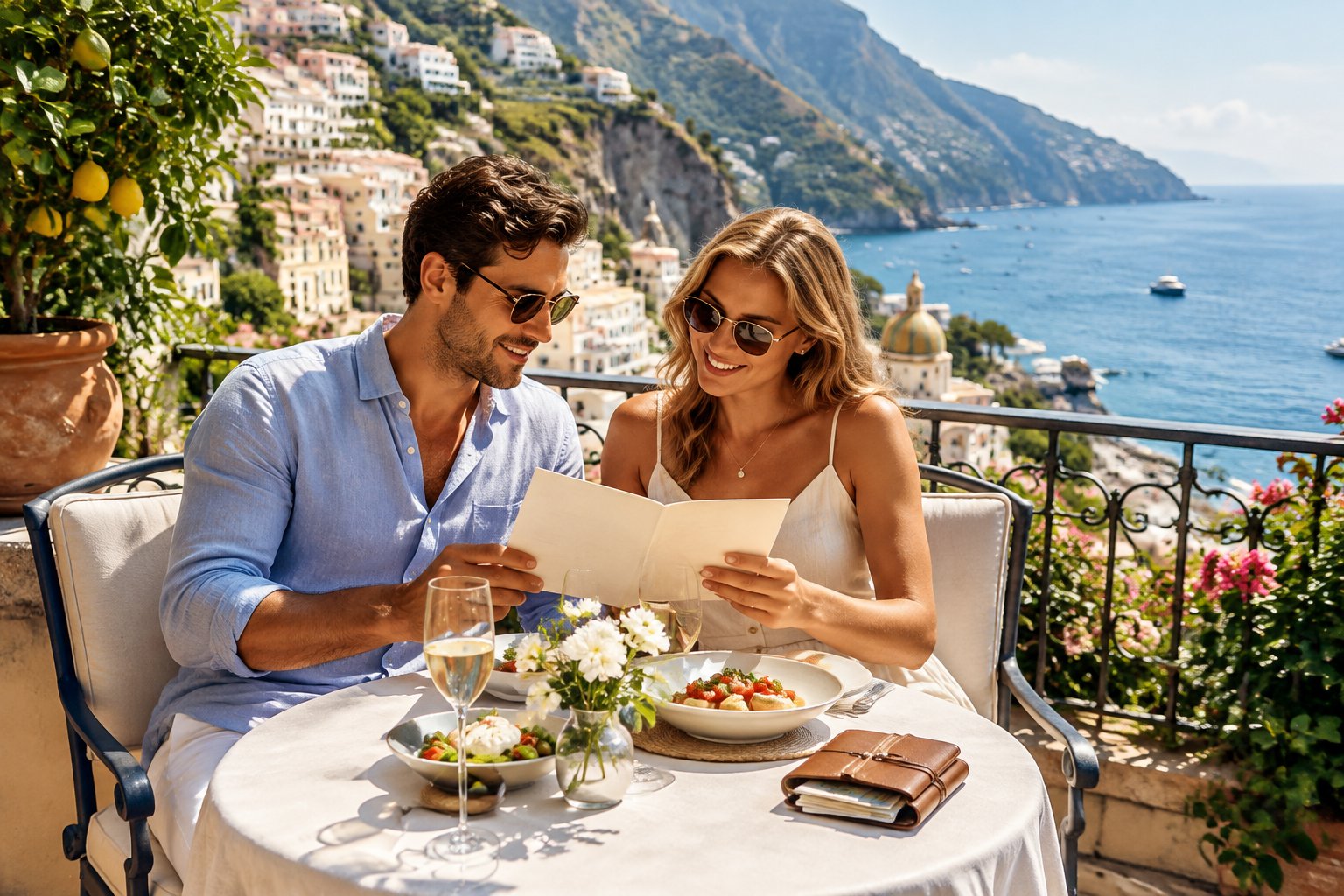
Published Italy honeymoon packages range from a few thousand dollars per person to much higher prices for longer trips, luxury stays, and private services. For example, listed itineraries include a Florence, Rome, and Amalfi Coast package from $4,399 per person and a Villa La Massa itinerary from $3,599 per person. Treat these as starting prices, then request a quote for your dates and room choices. For broader planning context, compare honeymoon costs and set a budget for the full trip.
What Affects the Total Price?
Your travel dates, hotel category, trip length, and number of private services shape the total. Summer dates and sought-after coastal stays can raise costs, while shoulder-season travel may give you more room to choose your preferred hotel.
The destination also changes your nightly rate. A room at a lakeside property or on the Amalfi Coast can cost more than a comparable city stay. Hotels such as Villa La Massa near Florence and Hotel Santa Maria Novella in Florence offer different settings and locations, so compare the room type, included meals, and access to the places you want to visit.
How Can You Compare Package Value?
Compare the full itinerary, not only the advertised starting price. Check the hotel names, room category, meals, transfers, tours, cancellation terms, and any honeymoon perks. Then add your likely costs for flights, meals outside the package, and free-time activities. If you’re deciding how much to set aside, a honeymoon budget guide can help you organize those costs.
A lower package price can suit you if you’re comfortable arranging more details yourself. A higher quote may include private transfers, upgraded rooms, or guided experiences that save planning time. Ask for the final price for your travel dates before you compare offers.
How Should You Plan and Book Your Trip?
You’ll have an easier trip when you choose a season, limit hotel changes, and book key stays and tours well ahead. For Italy honeymoon planning, start with your shared priorities and a comfortable budget, then build the route around the experiences you care about most.
When Is the Best Time to Visit?
April through June and September through October bring pleasant conditions for sightseeing and coastal stays. July and August are busier and hotter, with high demand for popular hotels. The quieter winter months suit city visits, while some coastal hotels and ferry services close or run on reduced schedules.
If you have fixed dates, book sought-after rooms and major tours early. If your dates are flexible, compare prices across nearby weeks and check which coastal services operate during your stay.
How Many Nights Should You Spend in Each Destination?
A 10- to 14-night trip gives you room for two or three bases without rushing through every stop. A week works best when you stay in one region or choose two nearby destinations. As you plan, allow for travel time on transfer days and keep enough nights in each place to settle in.
For example, you could spend several nights in Rome and finish with a longer stay on the Amalfi Coast. A Florence and Tuscany route also works well when you want art, wine country, and a slower pace.
Should You Add Paris or Another Country?
Add Paris or another country when you have enough nights to enjoy Italy at a relaxed pace. A Paris and Amalfi Coast combination gives you city landmarks followed by seaside downtime, while an Italy and Greece route adds another distinct setting.
You can compare European all-inclusive honeymoon packages as you consider a multi-country trip. For a shorter honeymoon, keep your itinerary within Italy and save the extra travel days for another trip.
If you do add a country, check flight or train connections before choosing hotels, and leave time for transfers between airports and stations.