
Honeymoon Packages Canada: Romantic Trips and Planning Tips
Honeymoon packages Canada give you a practical way to bundle lodging, transportation, meals, and romantic experiences into a trip that fits your budget and pace. You can choose a ready-made itinerary or customize a Canada honeymoon around the scenery, activities, and downtime you both want.
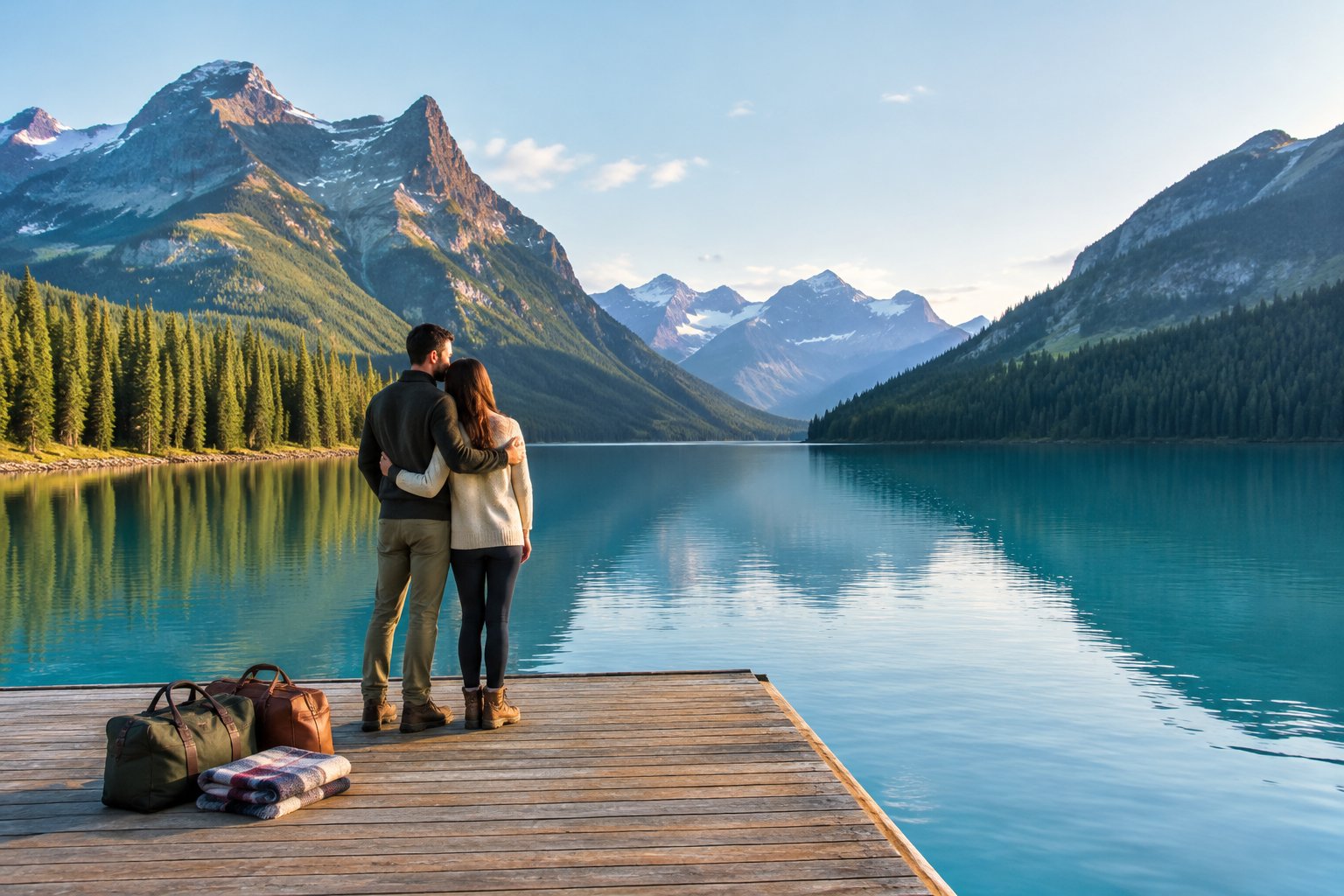
Canada’s vast landscapes make it easy to pair a city stay with a mountain or lakeside retreat. Start by choosing a region that matches your travel style, then compare honeymoon destinations in Canada and sketch out a shortlist together.
What Do Canada Honeymoon Packages Include?
Canada honeymoon packages can combine travel, accommodations, meals, and special activities, with the details varying by provider and itinerary. Check what the quoted price covers before you book so you can plan for extra costs.
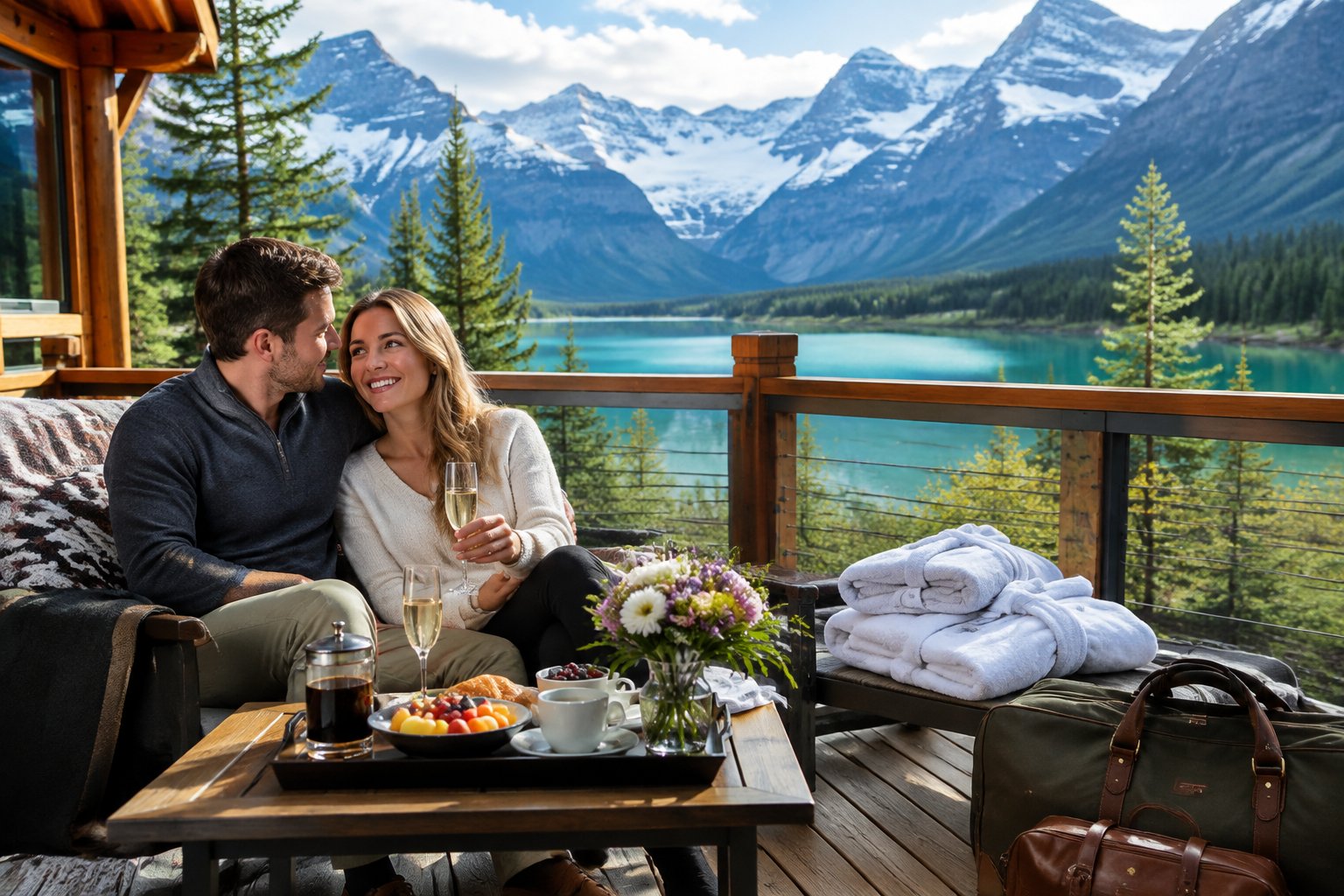
A package may handle key reservations for you, while a custom trip gives you more say over each stop and experience. Compare the inclusions with your priorities, such as a scenic room, a rental car, or time for relaxed meals.
Flights, Hotels, Meals, and Romantic Extras
Some canada honeymoon packages include round-trip flights, airport transfers, lodging, and meals. Others cover accommodations and select activities, leaving you to arrange flights or dining. Read the itinerary and booking terms closely, especially for baggage costs, resort fees, cancellation rules, and transportation between destinations.
Romantic extras might include a couples’ spa treatment, a special dinner, or a room with a mountain or waterfront view. Ask whether these are included, offered at an added cost, or available only by advance request. If you have a specific celebration in mind, contact the hotel before booking to confirm the details.
All-Inclusive or Customizable Trips?
All-inclusive plans put more of your trip costs into one booking, while customizable itineraries give you more choice over where you stay and what you do. Compare each option’s included services before deciding.
| Package feature | All-inclusive | Customizable |
|---|---|---|
| Meals | Often bundled | Choose and pay as you go |
| Activities | Selected options included | Pick your own |
| Itinerary | Set schedule | Flexible stops |
| Cost planning | More costs grouped together | Costs spread across bookings |
If you prefer a clear outline for meals and activities, explore all-inclusive honeymoon packages and check which inclusions apply at each property. If you want several regions or a particular hotel, a custom plan may suit you better.
How to Choose a Package That Fits You
Start with your total budget, available vacation days, and preferred pace. Decide whether you want a single base with day trips or several stops, then weigh the cost of transportation and nights at each place.
Check the room type, meal plan, transfer details, and cancellation terms. You can also ask whether the itinerary includes time to rest after long travel days. A package that leaves space for slow mornings and unscheduled evenings may feel more comfortable than one with a full day of activities every day.
Where Should You Go for a Canadian Honeymoon?
Choose a Canadian honeymoon destination by matching the setting to the kind of time you want together, from mountain scenery to historic streets and city dining. Keep travel distances in mind as you narrow your choices.
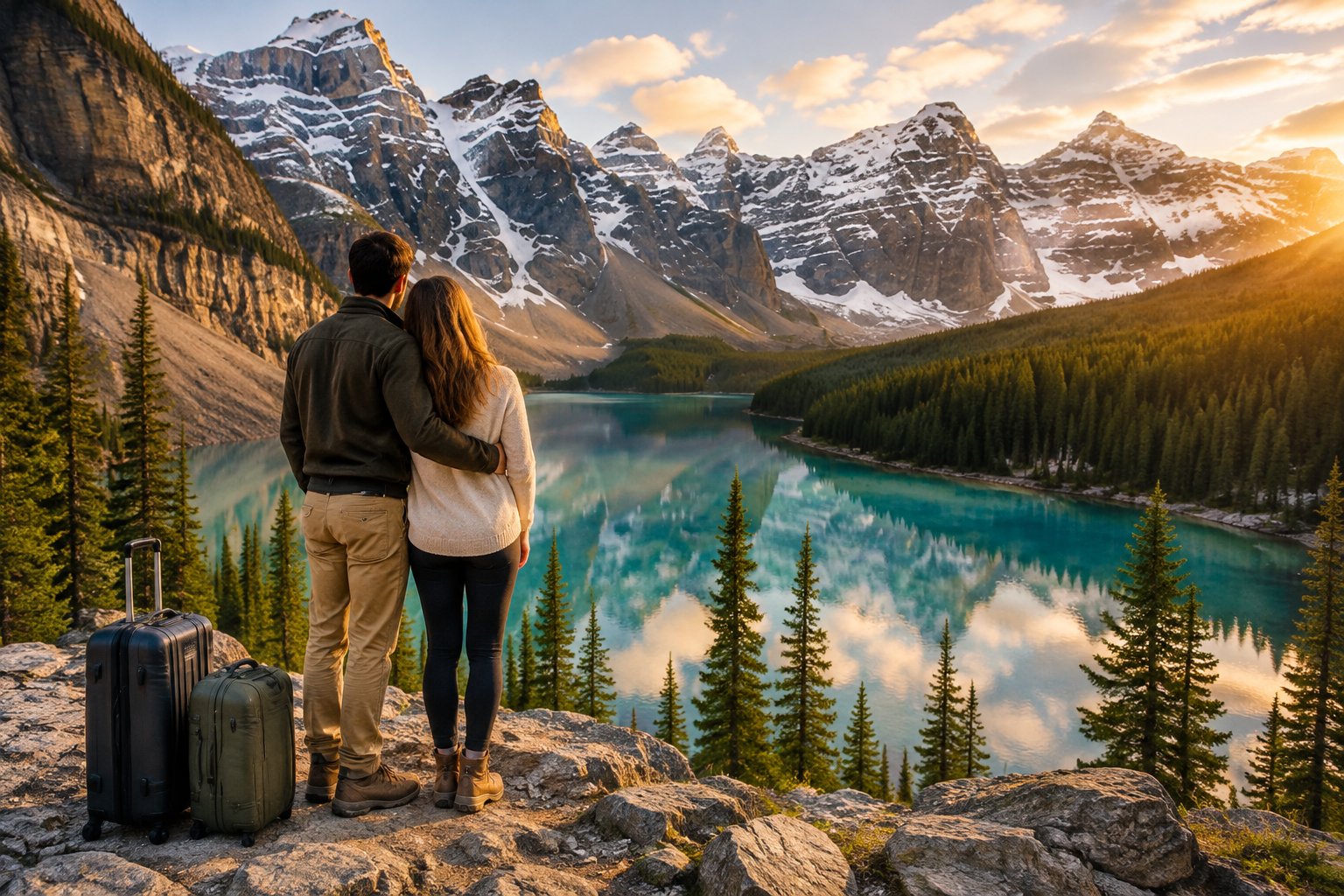
The Canadian Rockies suit couples who want nature and outdoor activities, while Ontario and British Columbia offer options that combine city visits with nearby escapes. For more urban inspiration, browse city honeymoon destinations.
Banff, Lake Louise, and the Canadian Rockies
Banff and Lake Louise bring you close to alpine trails, turquoise water, and mountain views. You can spend your days walking by the lake, taking a gondola ride, or visiting nearby viewpoints, then return to a lodge or hotel for a slower evening. Check seasonal road access and activity schedules before settling on dates.
The Canadian Rockies fit couples who want time outdoors, with options for scenic drives, hiking, and winter sports. If you plan to build your trip around trails, use these hiking honeymoon destinations as a starting point for choosing activities that fit your comfort level.
Niagara Falls and Toronto
Niagara Falls gives you dramatic views and easy access to boat tours, restaurants, and nearby wine-country outings. Toronto adds museums, live performances, and a wide range of dining, making it a useful city stop before or after the falls. You can pair both places by road or rail, then choose a hotel close to the experiences you care about most.
Vancouver, Whistler, and Vancouver Island
Vancouver brings together waterfront walks, city neighborhoods, and access to nearby mountains. Whistler adds a resort-town setting for skiing, hiking, or spa time, depending on the season. Vancouver Island offers coastal scenery and a quieter pace; build in time for ferry travel when planning your route.
Victoria, Montreal, and Quebec City
Victoria offers gardens, harbor views, and a relaxed city atmosphere. Montreal suits you if you want restaurants, galleries, and lively neighborhoods, while Quebec City pairs historic streets with French-language culture and river views. You can focus on Montreal and Quebec City for a city-centered trip or add another region if you have more time.
Which Honeymoon Itinerary Fits Your Trip Length?
A 5- to 10-day trip works best when you focus on one region or a compact route, since long distances can take time away from exploring. Choose your main experience first, then add stops that fit your schedule.
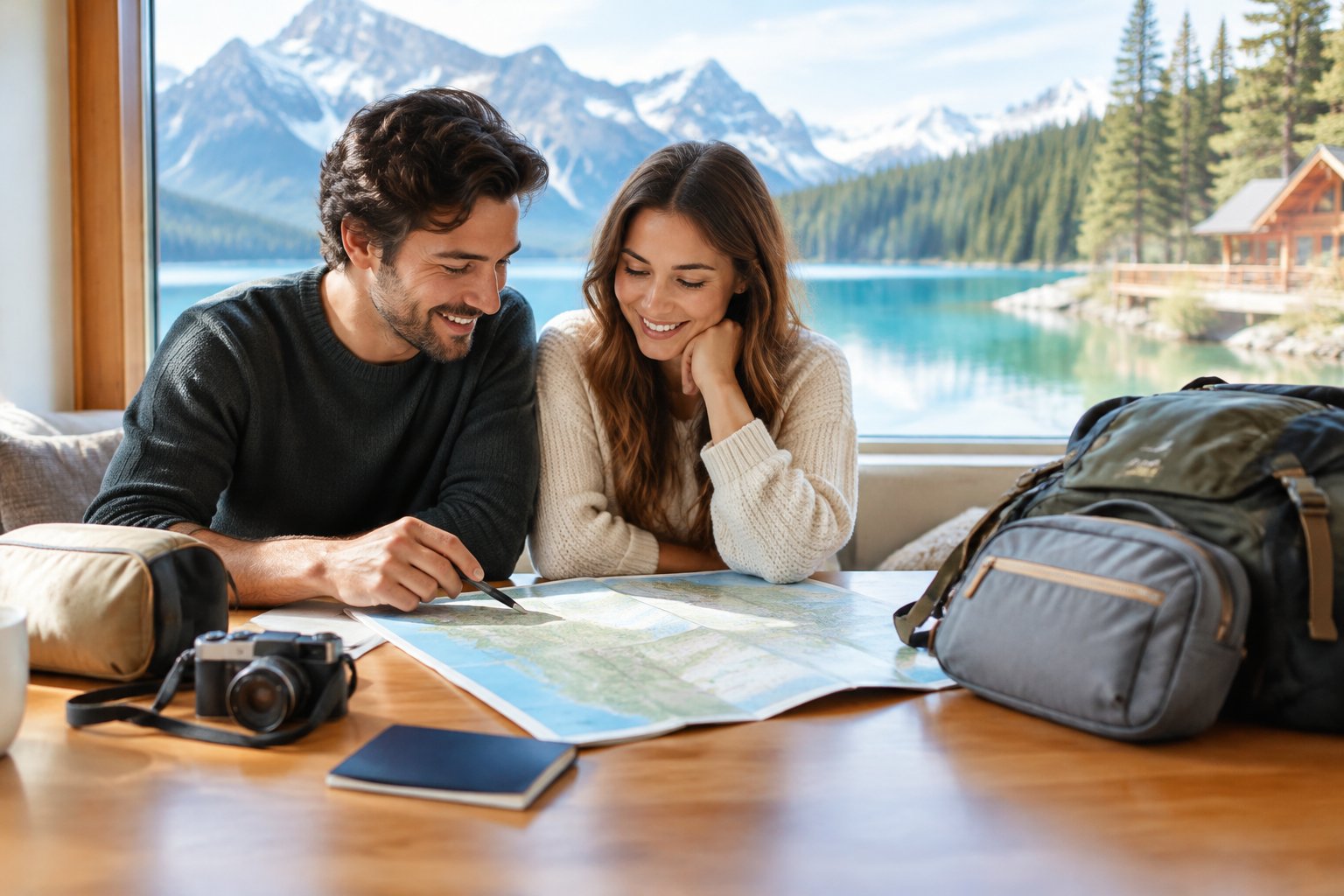
Each itinerary below is a starting point, not a fixed schedule. For help choosing how many days to set aside, consider what honeymoon length gives you enough time to travel at a comfortable pace.
A 5- to 7-Day Rockies Escape
Base your trip in Banff or Canmore and add Lake Louise as a day trip or overnight stop. Leave time for scenic viewpoints, a gentle hike, and a meal with mountain views. If you include several hikes or a longer drive, reduce the number of planned activities for that day.
This Canadian Rockies road trip keeps your focus on one area and limits time spent in transit. Check local conditions before you drive, particularly if your travel dates fall in winter or early spring.
A 7- to 10-Day Western Canada Tour
Start in Vancouver, then travel to Whistler or explore Vancouver Island. A route combining all three gives you a mix of city time, mountain scenery, and coastal stops. Check driving and ferry times before booking hotels, and leave room for weather-related changes.
A western Canada tour can also include a flight between regions if you want to cover more ground without driving every leg. Choose one or two main stops, then give yourselves time to settle in at each one.
An 8- to 10-Day Quebec Road Trip
Plan a Quebec road trip around Montreal and Quebec City, with time for local dining, historic sites, and a slower day between the cities. If you want countryside scenery, add a nearby rural stay and keep your route manageable.
Check hotel locations and parking arrangements before booking, especially if you plan to stay in a historic neighborhood. A car helps with rural stops, while the two cities are easy to explore on foot or by local transit.
When Should You Book and What Will It Cost?
Start planning six to eight months ahead if you have fixed dates or want a popular hotel, then monitor airfare once your route is clear. Your total cost will reflect trip length, season, lodging, transportation, meals, and activities.

For a realistic budget, list the major costs separately and keep a reserve for local transport and unexpected changes. If you want to keep costs in check, compare affordable honeymoon packages with a self-planned trip that uses fewer hotel changes.
Choosing a Season for Your Trip
Summer brings long daylight hours for sightseeing and outdoor activities, along with greater demand for popular destinations. Fall offers colorful scenery and cooler days; winter suits you if you want skiing, snowshoeing, or a cozy city break. Spring brings changing conditions, so check regional weather and operating schedules before you book.
Your destination shapes the best travel window. Mountain roads and trails have seasonal conditions, while city stays can work across much of the year. Choose dates around the activities you want and check the local calendar for festivals or busy weekends.
How Far Ahead Should You Book?
Book key lodging and major activities six to eight months ahead when your dates fall in a busy season. Reserve earlier for a specific resort, room type, or popular experience with limited availability.
Airfare pricing follows its own schedule. Set a fare alert after you choose your route, then compare prices as your plans firm up. If you are traveling from the United States, check passport validity and entry requirements well before departure.
What Affects Package Prices?
The biggest cost drivers are travel dates, trip length, room category, and how many destinations you include. A multi-stop itinerary adds transport costs, while a longer stay increases lodging and meal expenses. Airfare, car rental, and special activities also change the total.
When comparing canada honeymoon packages, check whether the price is shown in Canadian or U.S. dollars. Review taxes, fees, deposits, and cancellation terms, and confirm which meals and transfers are included. A detailed quote helps you compare the full trip cost instead of the headline price.
How Do You Plan Getting Around?
Plan transportation around the distance between your chosen stops: use a rental car for flexible regional travel, an RV for a road-focused trip, or flights and public transit for longer routes and city stays. Build transfer time into your schedule before you book activities.
Canada Car Rental or RV Rental?
A canada car rental gives you flexibility for hotel stays and day trips, especially in the Rockies or rural areas. An RV can combine transport and lodging for a road-focused holiday, though you’ll need to plan for campsite reservations, vehicle size, and where overnight parking is allowed.
Compare rental pickup and return locations with your flight plans. Check the rental terms for mileage, insurance, age rules, and winter tires, then confirm whether your hotel or campsite has suitable parking.
What to Know About Driving in Canada
Driving in Canada means traveling on the right and following local speed limits, which are posted in kilometers per hour. The Canadian highway code is shaped by provincial and territorial rules, so check the regulations for each place on your route.
Before you set out, review weather and road conditions, especially in mountain areas and during winter. Keep your driver’s license and rental documents accessible, allow extra time for scenic stops, and avoid planning a long drive immediately after a flight.
Using a Personalized Travel Guide
A personalized Canada travel guide can help you organize hotel details, driving times, activity bookings, and backup plans in one place. Use it to group stops by location and flag the reservations that need advance booking.
A well-organized Canada travel guide also makes it easier to keep your days flexible. Save offline maps and booking confirmations before you leave, then check the plan each evening so you know where you’re headed the next day.