
How Are Parents and Grandparents Seated at a Wedding? A Guide to Traditional Seating Arrangements
When planning a wedding, seating arrangements can feel overwhelming, especially for parents and grandparents. Typically, parents and grandparents are seated in a place of honor, reflecting their important roles in your life. This thoughtful arrangement honors family traditions and helps keep your loved ones comfortable during the ceremony.
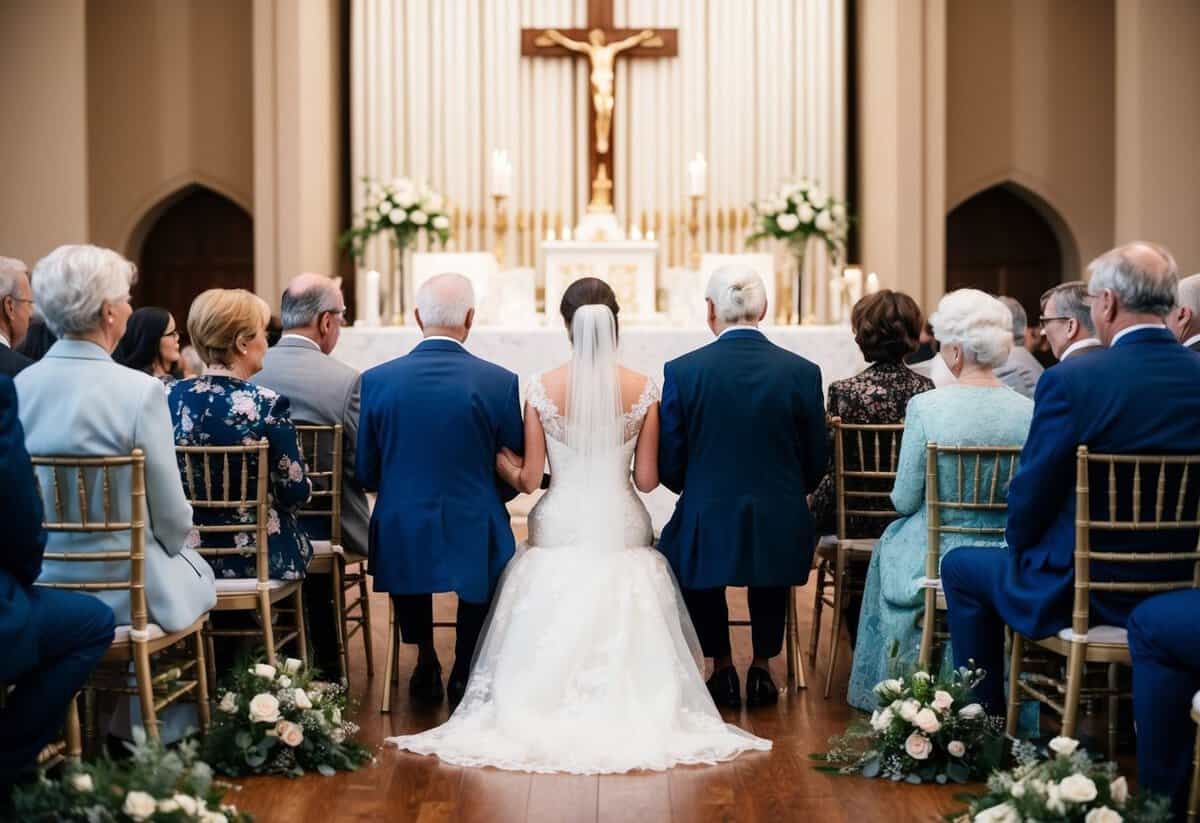
During the wedding ceremony, the groom’s grandparents usually sit first, followed by the bride’s grandparents. After them, parents take their places, often on opposite sides. This clear order not only respects family ties but also sets a warm and inviting tone for the day. Understanding these seating norms can help streamline your wedding planning process.
As you consider your seating arrangements, think about how to make your family feel valued on this special day. Keeping family traditions in mind while personalizing your choices can create a meaningful experience for everyone involved.
Understanding Wedding Ceremony Traditions
Seating arrangements at wedding ceremonies have deep roots in tradition and can vary significantly across cultures. Knowing these customs can help you plan a meaningful experience for your family and guests.
Historical Significance of Seating Arrangements
In traditional weddings, seating reflects respect and family hierarchy. Parents are usually seated in the front row, symbolizing their importance. Grandparents may be included in the processional or seated early due to their status.
In many cultures, this arrangement honors family ties. For instance, in a Christian wedding ceremony, the groom’s parents typically sit on one side, while the bride’s parents sit on the other. During Jewish ceremonies, parents may join the couple during special moments, showcasing their role in the union.
In Hindu weddings, the seating may also reflect family hierarchy but often includes elaborate decorations that highlight the couple’s lineage and heritage. Recognizing these traditions ensures everyone feels valued during your special day.
Cultural Variations in Ceremony Seating
Different cultures have unique ways of arranging seating at weddings. In a Christian wedding ceremony, individual family members’ placement is essential. Typically, the groom’s family sits on one side and the bride’s on the other.
In many Hindu weddings, seating can be more communal, with families often sitting together. This fosters a sense of unity and togetherness. Similarly, during Jewish ceremonies, seating is flexible, allowing guests to focus on the couple rather than strict placement.
At rehearsal dinners, you might find a more casual seating arrangement. This relaxed setting allows for mingling and bonding among families and friends before the big day. Understanding these cultural variations helps create an inclusive atmosphere and honors your family’s traditions.
The Wedding Processional
The wedding processional is a key moment in your ceremony. It sets the tone for the event as you and your loved ones make your entrance. Understanding the order and roles of family members can help make this moment special.
Order of Entrance
The order of entrance is important for the flow of the ceremony. Typically, the processional begins with ushers seating your guests. Once they are settled, the grandparents walk down the aisle first, followed by the parents. The groom’s parents usually enter before the bride’s mother.
After that, the wedding party follows, which includes bridesmaids and groomsmen. Little ones like flower girls and ring bearers often come right before the bride. Finally, you make your grand entrance accompanied by your father or a parent figure, leading to your partner at the altar.
Roles of Family Members
Each family member has a specific role during the processional. The ushers are responsible for greeting guests and escorting them to their seats. This helps everyone feel welcome.
Grandparents hold a special place, setting a loving tone as they enter. The parents play a significant role as well. The groom’s parents walk in first, followed by the bride’s mother, who is the last to be seated before the bridal party.
The wedding party adds excitement, with bridesmaids and groomsmen walking together. The flower girls and ring bearers bring a sense of innocence to the moment. This processional leads directly to you and your partner, making it a heartwarming start to your ceremony.
Seating Etiquette for Parents and Grandparents
When planning the seating for your wedding, it’s important to honor your parents and grandparents. They play a significant role in your life and should feel special on your big day.
Parents’ Seating
Your parents should be seated in front of you during the ceremony. Typically, the bride’s parents sit on the left and the groom’s parents on the right. This arrangement shows respect for both families.
Grandparents’ Seating
Grandparents should have a reserved spot near you. Often, they are seated before the parents during the processional, highlighting their importance. If there are limited seats, consider placing them at the nearest table to you during the reception.
Reserved Seating
Creating a designated area for parents and grandparents can enhance their comfort. Use elegant cards to mark their seats, ensuring they know where to go. It’s a thoughtful way to acknowledge their support.
Etiquette Tips
- Keep their favorite aspects in mind when arranging seating.
- Try to seat step-parents at nearby tables, giving them a good view.
- Always ask for their preferences if possible.
Following these seating guidelines helps ensure your parents and grandparents feel valued and included on your special day.
Wedding Reception and Table Arrangements
Planning the seating for your wedding reception involves thoughtful consideration of family ties and guest dynamics. You want to make everyone feel special while ensuring a smooth flow to the event.
Designing the Seating Chart
Start by creating a seating chart that reflects your family dynamics and friendships. Consider using a large display board at the reception venue or a printable version to guide guests to their tables.
It’s helpful to categorize guests by their relationships. You might have tables for parents, grandparents, close relatives, and friends. For example, you can set up a Table of Honor where close family members of both partners are seated.
Don’t forget to include a singles table for unmarried friends to encourage mingling. A well-structured seating plan helps everyone know where to go, making the event less stressful for you and your guests.
Seating the Guests of Honor
Seating the guests of honor, like parents and grandparents, is crucial for setting the tone of the reception. Traditionally, parents sit at a prominent table near the couple, ensuring they are included in the event’s highlights.
You may choose to seat both sets of parents together at the same table or have them at separate tables flanking your own. This arrangement respects family ties while allowing for comfortable conversation among loved ones.
Grandparents should also have a special place, ideally at the same table as parents or nearby. Their presence is significant, so seating them near the couple shows appreciation and honors their role in your lives.