
How Are You Supposed to Seat People at a Wedding? Tips for Creating the Perfect Guest Arrangement
When planning your wedding, figuring out how to seat your guests can feel overwhelming. You need to create a seating arrangement that promotes comfort and good conversation among your loved ones.
Start by considering the relationships between guests. Make sure to group people who know each other or who might enjoy talking together.
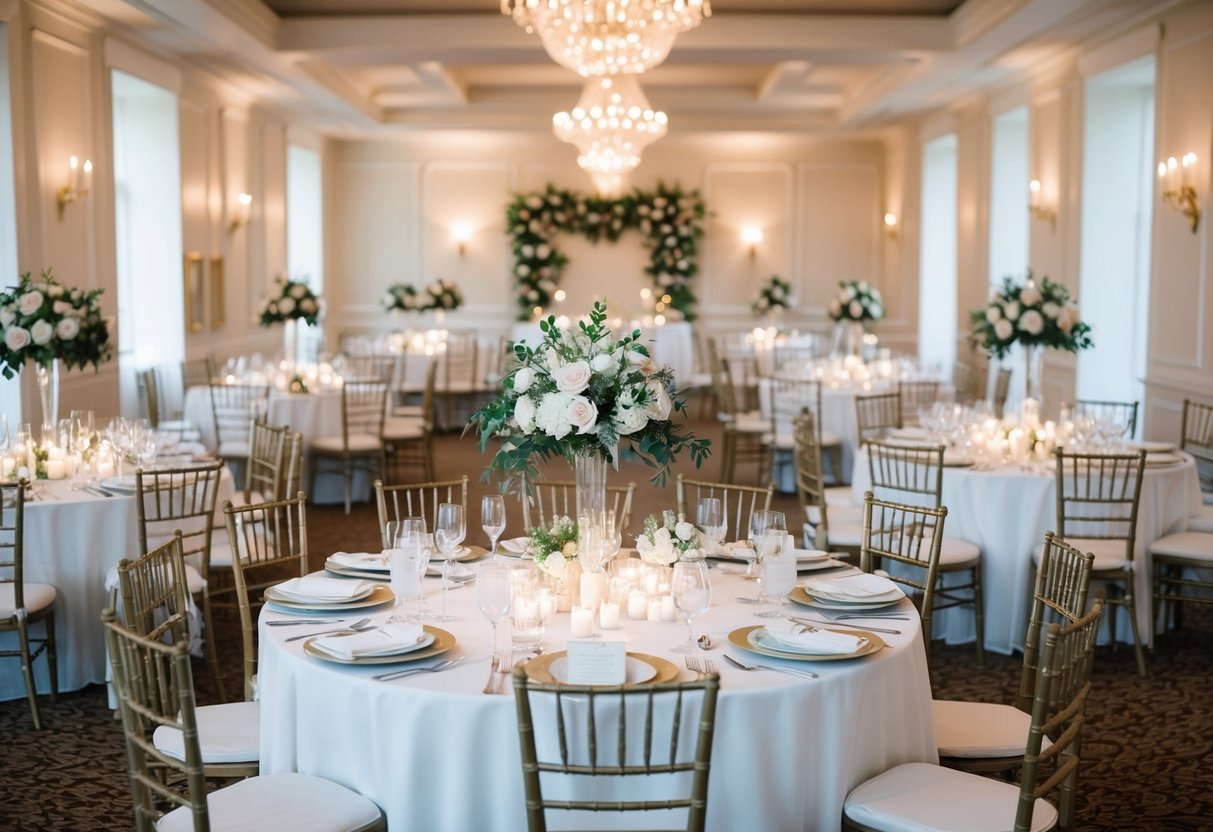
At your wedding reception, think about the overall flow of the space. You want to make sure that everyone feels included and comfortable. This means placing close family near the head table while also considering the dynamics between various groups.
With thoughtful planning, you can help ensure that your special day is enjoyable for everyone.
Don’t forget that the seating chart is not just practical—it’s also a chance to add a personal touch to your wedding. By carefully crafting your seating arrangements, you can set the stage for fun conversations and lasting memories.
The Basics of Seating Arrangements
When planning your wedding, creating a seating arrangement is one of the key steps. It’s important to consider seating chart etiquette and the right table shapes and layouts for your guests.
Understanding Seating Chart Etiquette
Seating chart etiquette helps ensure that everyone feels comfortable at your wedding. Start by listing your guests and deciding who should sit together based on relationships and dynamics.
Here are a few tips:
- Mix family and friends. Try to blend family members with close friends to promote mingling.
- Consider conflicts. If certain guests don’t get along, place them at different tables.
- Use a seating chart. Display it clearly at the entrance to guide guests to their seats. You can also provide escort cards for a more personal touch.
Taking these steps can create a welcoming atmosphere for everyone.
Choosing Table Shapes and Layout
The shape of your tables can affect how your guests interact. Round tables are popular for their ability to foster conversation. They let guests face each other easily, which can make for a lively atmosphere.
On the other hand, rectangular tables work well for larger venues and can be arranged in various layouts, such as U-shaped or long banquet styles.
Consider your venue size:
- For small gatherings, smaller round tables may feel intimate.
- For larger spaces, long rectangular tables can make a grand statement.
Make sure the layout allows for easy movement and access to the dance floor and buffet, if you have one. This attention to detail will enhance your guests’ experience.
Designing Your Wedding Seating Chart
Creating your wedding seating chart is a crucial step in making sure your guests feel welcome and comfortable. You’ll want to assign your head table and sweetheart table thoughtfully while considering etiquette and personal relationships. Here’s how to approach this task.
Assigning Head Table and Sweetheart Table
The head table typically includes you, your partner, and your wedding party. It should be positioned where everyone can see you during the reception. You might also consider a sweetheart table for just the two of you, adding a personal touch.
When choosing the head table, select close friends or family members to sit beside you. Avoid seating anyone who might cause conflict. For a sweetheart table, you can create a more intimate atmosphere. This is your chance to enjoy your special moment together while celebrating with your guests.
Guidelines for Assigning Guest Seats
Start by gathering your guest list and determining how many tables you’ll have. It’s helpful to create a layout of your venue to visualize arrangements. You can use a simple table to keep track of your plans.
When it comes to assigning seats, consider guest relationships. Group friends together and separate any known conflicts. If guests have plus-ones, try to seat couples together. For families, placing them at the same table can foster connection and enjoyment.
Remember to label each table clearly with names or numbers on your wedding seating chart. This keeps things organized and helps guests find their spots easily. Happy planning!
Practical Considerations for Seating
When planning your wedding seating, it’s essential to think about guests’ needs. This includes being aware of dietary restrictions and ensuring everyone can comfortably mingle. Additionally, managing singles and plus-ones can enhance the experience for everyone.
Addressing Dietary Restrictions and Accessibility Needs
Start by gathering information about any dietary restrictions your guests may have. You can use place cards to label different meal options at the reception. This will help guests choose according to their needs.
It’s also important to consider accessibility. Make sure your seating arrangements accommodate guests with mobility issues. Table assignments should allow easy access to restrooms and the dance floor.
If you have a kid’s table, place it where parents can easily monitor their children. This ease of access helps parents and keeps kids entertained. By planning for these details, you ensure your guests are happy and well-cared-for.
Seating Singles and Managing Plus-Ones
You might have many singles at your wedding or guests bringing plus-ones. To make things easier, create a singles table. This can be a fun way for guests to meet new people.
For those bringing plus-ones, it’s best to think about seating dynamics. Try to place couples who know each other nearby. Avoid seating people with little in common at the same table.
Using escort cards can help direct guests to their assigned tables swiftly. This makes the process smoother and more organized. Consider the vibe of each table when making arrangements to ensure everyone has a great time!