
How Big Is a Wedding Cake for 120 Guests? Essential Tips for Your Celebration
Choosing the right size for your wedding cake is an important part of your wedding day planning. For a celebration with 120 guests, you want to ensure everyone gets a slice of deliciousness.
A three-tier round wedding cake is usually enough to serve 120 guests. But a four-tier cake is a great option if you want some extra servings or to create a stunning display.
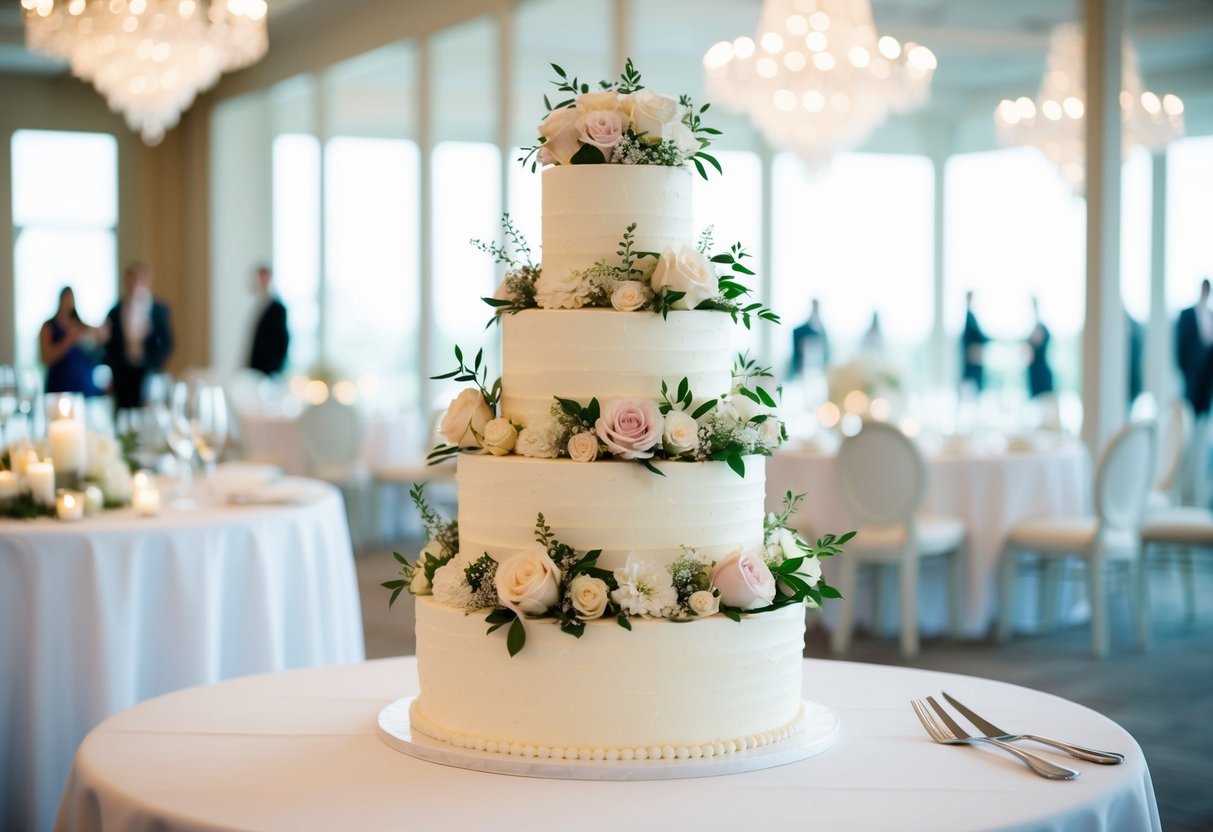
Think about the style and flavors you want for your cake. The number of tiers and the size of each tier will influence how many people you can serve.
Many couples opt for traditional round cakes, which can be beautifully decorated to fit their wedding theme.
Remember, it’s not just about size; it’s also about presentation. A well-designed cake can be a focal point at your reception. With the right size cake, your big day will be even sweeter!
Determining Your Wedding Cake Size
Choosing the right size for your wedding cake is essential. You want to ensure that every guest is served while still looking beautiful on your big day. Understanding servings and cake tiers will help you make the right choice.
Understanding Servings and Portions
When planning for 120 guests, first consider the serving sizes. A standard wedding cake slice is usually 1-inch by 2-inch. If you want larger pieces, go for 1.5-inch by 2-inch portions.
Using these sizes, a three-tiered cake can serve approximately 120 guests if designed correctly. Here’s a quick breakdown:
- Standard Serving: 1-inch by 2-inch = 120 guests for a three-tier cake
- Larger Serving: 1.5-inch by 2-inch = serves fewer guests
Looking at a wedding cake sizing chart can help visualize how many slices each tier provides. Remember, planning for a bit more than the exact number of guests can ensure everyone gets a piece.
Selecting the Appropriate Cake Tiers
Now, let’s talk about the tiers. A four-tier cake often serves a bit more than a three-tier cake. For 120 guests, consider a four-tier cake with the bottom tier measuring 12 inches. This design generally provides enough servings.
A common tier arrangement looks like this:
- Bottom Tier: 12-inch (serves about 40)
- Second Tier: 10-inch (serves about 30)
- Third Tier: 8-inch (serves about 20)
- Top Tier: 6-inch (serves about 10)
You might also consider a cutting cake, which is an additional cake just for serving. This way, you can have a beautifully decorated tiered cake for display and a separate cake to serve guests.
Designing Your Dream Wedding Cake
Creating your dream wedding cake is an exciting part of planning your big day. You’ll want to think about the shape, flavors, and decorations that represent your style. Each choice will contribute to the overall look and taste of your cake.
Choosing the Right Cake Shape
When selecting the shape of your cake, consider the overall theme of your wedding. Round cakes are classic and often stacked in multiple layers. They create a traditional appearance and are easy to serve.
Square cakes, on the other hand, provide a modern twist and often yield more slices due to their shape.
For 120 guests, a typical design might include a 3-tier round cake or a few layers of square cakes. Mixing shapes can also be visually appealing. If you choose multiple tiers, ensure that the bottom tier is larger to provide a sturdy base for the rest. Think about how the shape will fit into your décor and venue layout.
Exploring Cake Flavors and Fillings
The flavor of your wedding cake is just as important as its design. Popular options include classic vanilla, rich chocolate, or zesty lemon.
Don’t forget to think about fillings that can enhance the taste, like raspberry or chocolate ganache.
Consider offering a variety of flavors among the tiers to please different palates. For instance, you can have a vanilla exterior with a chocolate filling or a lemon cake with berry layers. This adds an element of surprise for your guests. Make sure to sample several options before finalizing your choice to ensure everyone loves it.
Finalizing Cake Decorations and Stand
Decorations play a crucial role in transforming your cake into a work of art. You can add fresh flowers, elegant fondant designs, or even personalized cake toppers. These elements should reflect your personal style and the wedding’s theme.
Selecting the right cake stand is also essential. Choose a stand that complements the cake’s design, whether it’s a simple white pedestal or an ornate glass stand. A beautiful cake stand can elevate the visual impact of your cake and ensure it stands out at your reception.
Additional Dessert Options
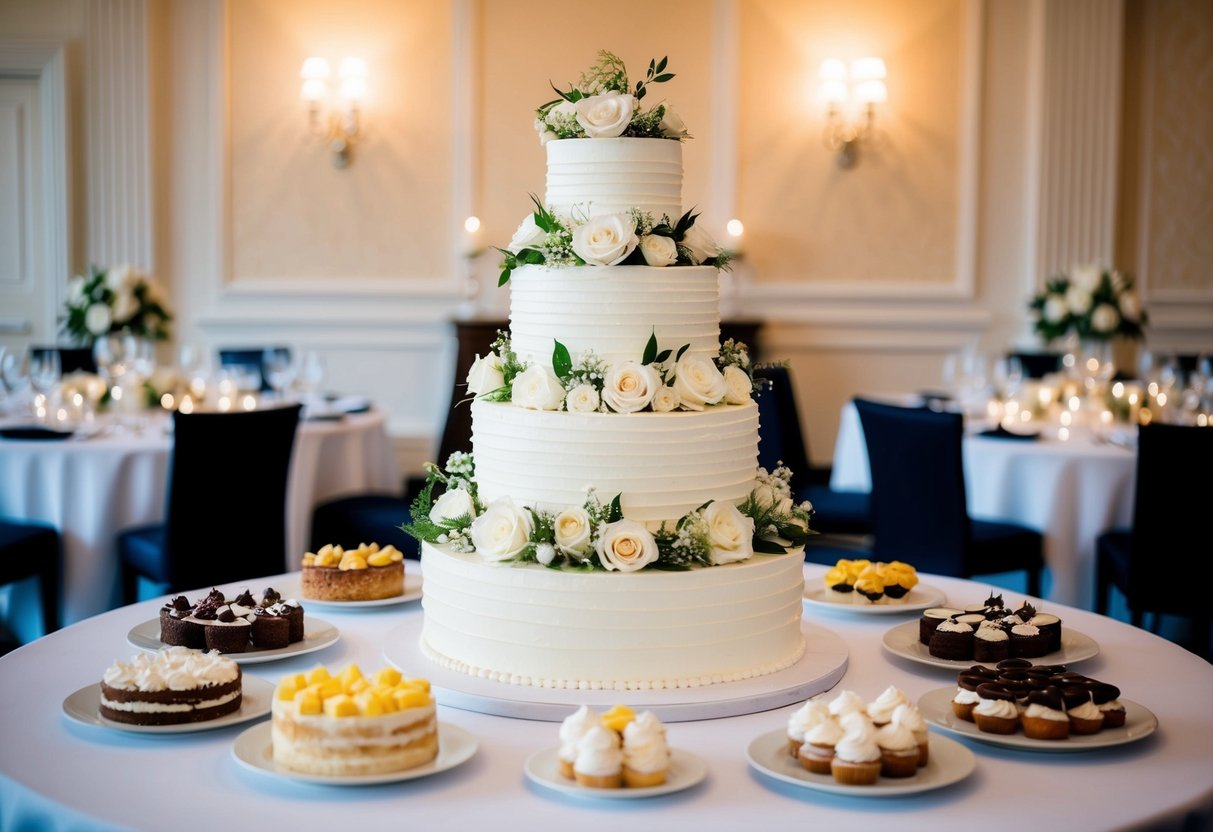
When planning your wedding, considering extra desserts can enhance your celebration. Offering a mix of sweets can satisfy more guests and add to the festive atmosphere. Here are some popular options you might consider.
Incorporating Sheet Cakes and Cupcakes
Sheet cakes are a practical choice when serving a larger gathering. They can be made in various flavors and easily cut into larger portions.
For 120 guests, a couple of sheet cakes can complement your main wedding cake. Plus, they tend to be less expensive than tiered cakes.
Cupcakes are another fun option. They allow guests to grab their own dessert, which can be especially appealing during a busy reception.
You can choose to match your cupcake flavors with the wedding theme or offer a variety, from classic vanilla to rich chocolate. Consider displaying them on a tiered stand for a visually charming look.
Offering a Variety of Desserts
A dessert table can be a delightful addition to your wedding. Showcase a variety of treats, such as cookies, brownies, or mini tarts, alongside the main wedding cake. This gives guests options and makes the dessert experience more enjoyable.
Don’t forget about groom’s cakes or a special bride’s cake, as they can represent personal tastes. Serving smaller dessert portions allows guests to sample multiple items. This way, everyone leaves satisfied. Think about how these additional desserts can complement your main cake and create an inviting dessert display that everyone will love.
Logistics for Your Cake on the Wedding Day
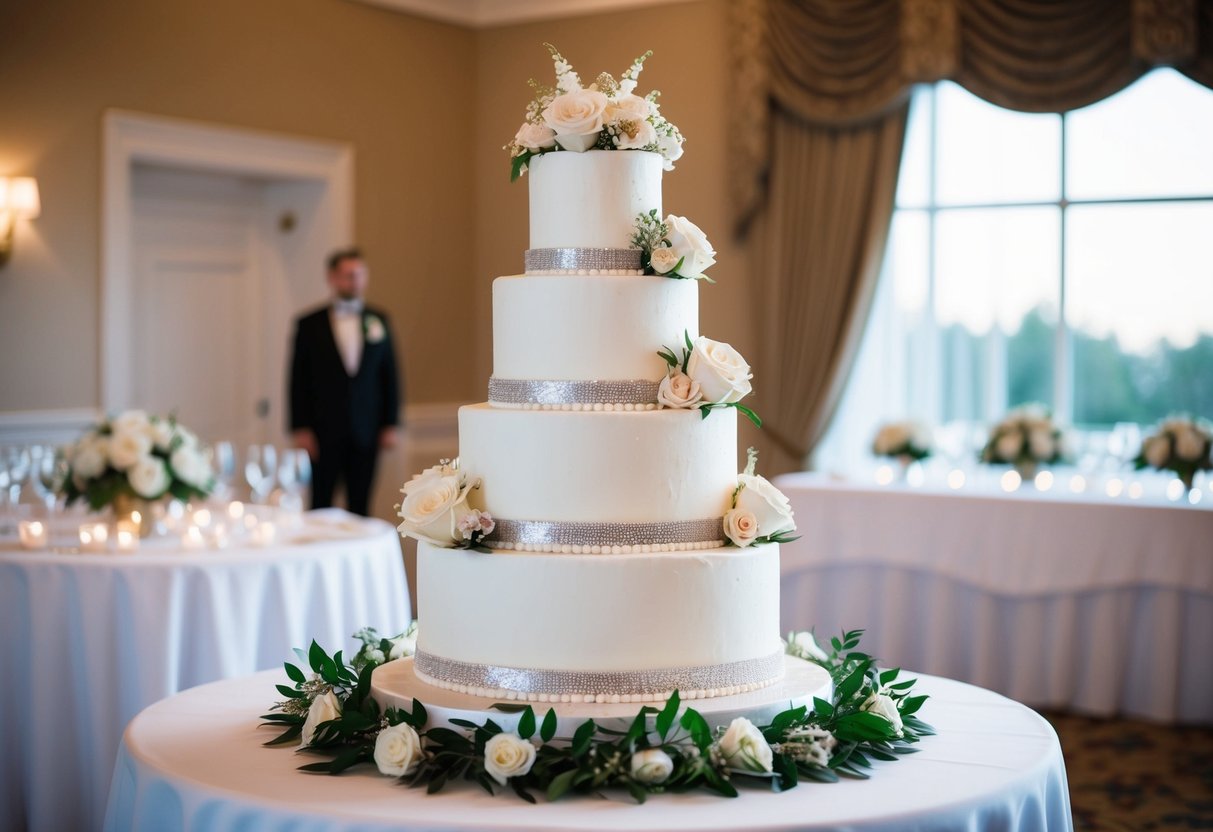
Planning the logistics for your wedding cake is crucial to making sure everything goes smoothly. From coordinating with your baker to ensuring that your cake arrives safely, paying attention to detail helps create a stress-free experience.
Coordinating with Your Wedding Cake Baker
Start by finalizing the details with your wedding cake baker well in advance. Share your guest list so they know to prepare enough cake for 120 guests.
If you choose a multi-tiered cake, like a 4-tier design, confirm the servings chart to understand how many guests each tier will serve.
Discuss any design elements like a cake stand or fake tiers for visual appeal. This enhances the look and keeps costs down.
Schedule a tasting to finalize flavors, and make sure to ask about any dietary restrictions. Confirm delivery times and who will set up the cake on the wedding day.
Cake Delivery and Setup
Schedule cake delivery for the day of the wedding. Ideally, the delivery should be a few hours before your reception starts. Coordinate with your baker about the best delivery time based on your venue’s setup.
Once the cake arrives, make sure to place it on a stable surface. A well-constructed cake stand can prevent mishaps. If your cake has multiple tiers, discuss how it will be decorated and kept stable. Some bakers can add fake tiers for height and design without affecting portions.
Consider having someone available to assist with the setup. Communicate the perfect photo locations, ensuring your cake gets the attention it deserves when the big moment arrives.