
How Big Is the Average UK Wedding? Insights and Trends Explained
If you’re curious about UK weddings, you’re not alone. Many people wonder how big these celebrations really are. The average UK wedding typically has about 60 to 100 guests, falling into the category of a medium-sized wedding. This range reflects a growing trend where couples are opting for smaller, more intimate gatherings while still wanting to create a memorable experience.
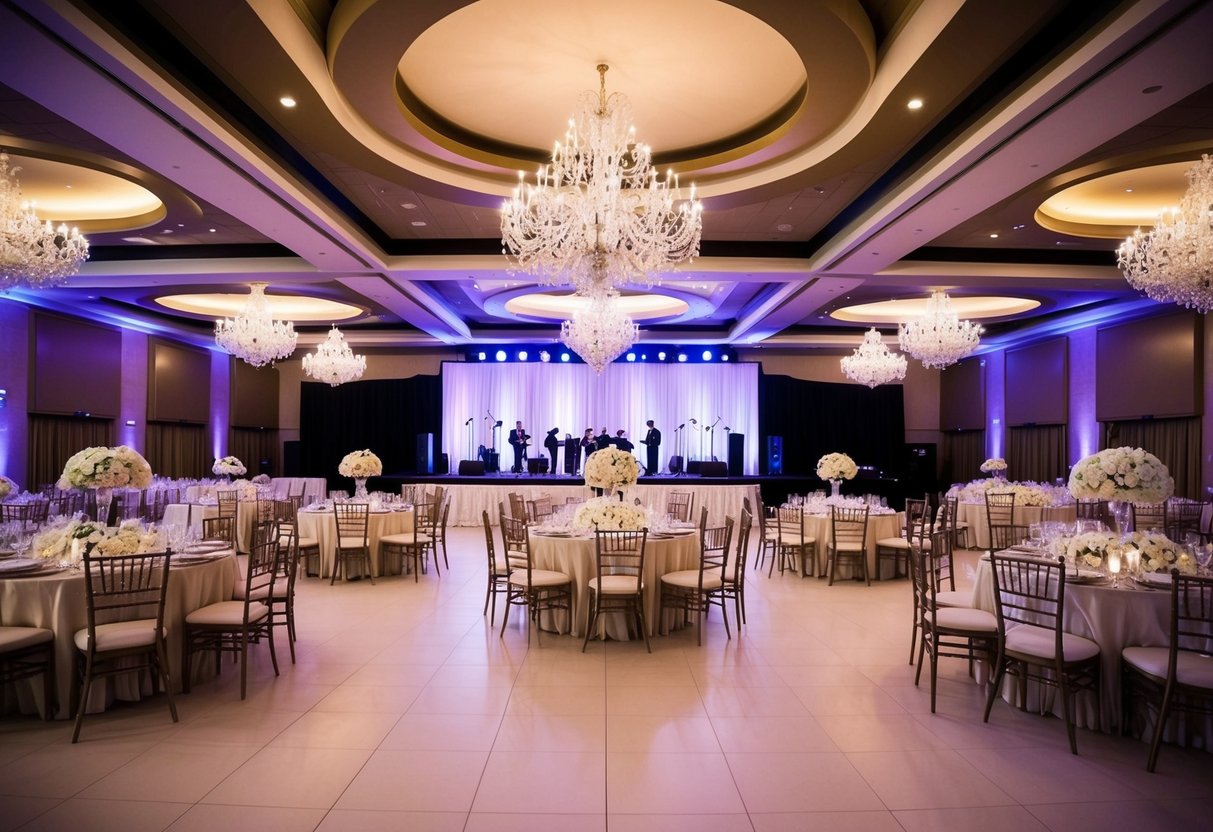
With around 250,000 to 300,000 marriages taking place each year in the UK, understanding the average size can help you plan your special day more effectively. Knowing what to expect can ease some of the stress that often comes with wedding planning. Whether you’re dreaming of a cozy ceremony with close friends or a larger event, being informed about current trends will guide your choices.
As you consider your own wedding plans, it’s essential to reflect on what feels right for you. Keep in mind that the number of guests can influence not just the atmosphere, but also your overall budget. By understanding wedding sizes in the UK, you can make decisions that will make your day uniquely yours.
Overview of UK Wedding Sizes
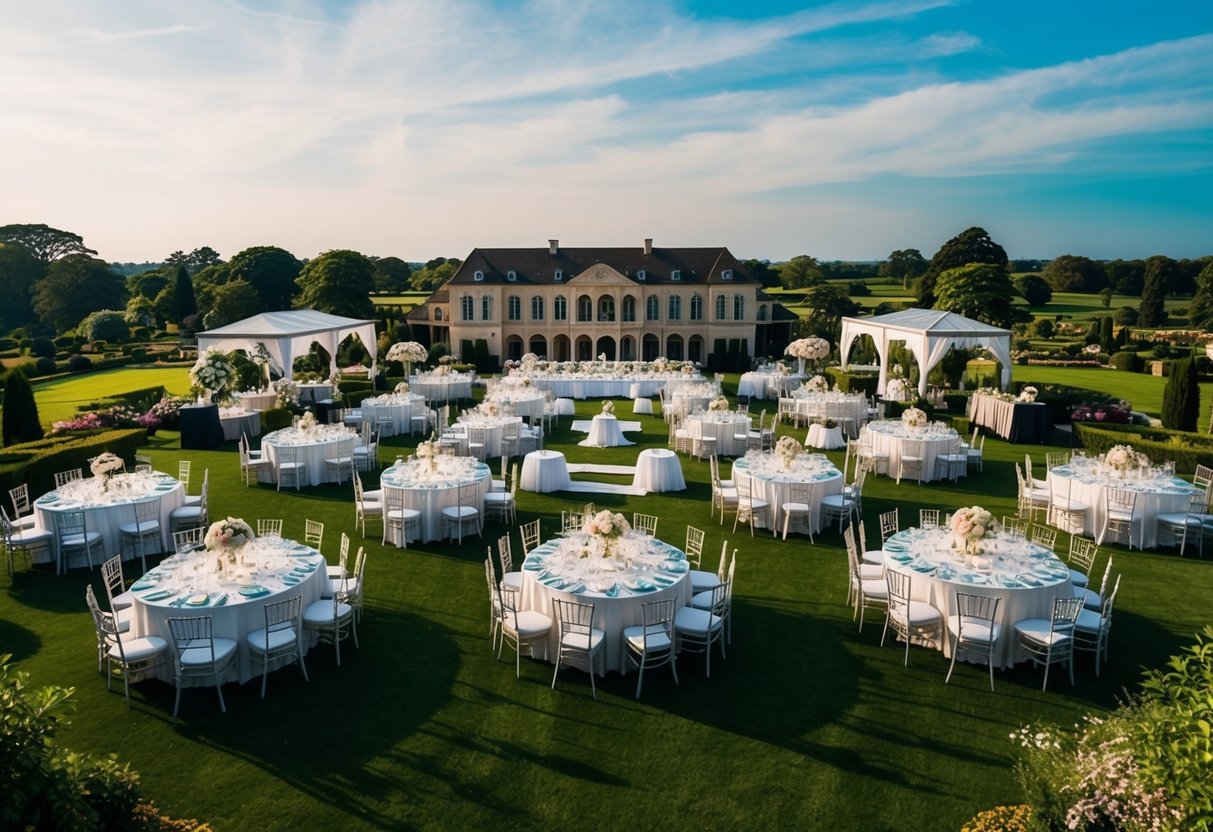
When planning your wedding, understanding the different sizes can help you make important decisions. From micro weddings to large celebrations, each size has its unique characteristics. Here’s what you need to know.
Micro and Small Weddings
Micro weddings are an intimate option, typically featuring less than 20 guests. This type allows for personal interactions and can be hosted in cozy settings like a garden or a small venue.
Small weddings usually involve 20 to 50 guests. They provide a balance between intimacy and celebration. A small wedding can take place at charming venues like boutique hotels or private homes.
Both options often have lower costs, allowing you to splurge on details that matter, such as food or decorations. They are becoming popular due to their simplicity and personal touch.
Medium Weddings
Medium weddings usually include about 50 to 100 guests. This size is great for couples who want to celebrate with family and friends without feeling overwhelmed.
Venues can vary, from community halls to farms or even beautiful barn settings. With a medium-sized wedding, you can create a lively atmosphere while still being able to connect with your guests.
This size allows for a balanced approach to your budget. You can reasonably allocate funds for catering, photography, and entertainment while still keeping it personal and enjoyable for everyone involved.
Large Weddings
Large weddings generally have over 100 guests and can go up to 500 or more. These celebrations often take place in spacious venues like hotels or large banquet halls.
Such weddings tend to offer a grander experience with elaborate décor and extensive catering options. With many guests, you’ll need careful planning to ensure everything runs smoothly.
Large weddings provide the chance to invite everyone important to you. This can include extended family, friends, and colleagues, creating a vibrant and festive atmosphere that many couples dream of.
Determining Your Wedding Size

Selecting the size of your wedding is an important step in the planning process. It involves thinking about your guest list, the venue, and how much you are willing to spend. Each of these factors directly influences the overall experience of your special day.
Guest List Considerations
Start by making a list of everyone you want to invite. Think about family, friends, and colleagues.
You might want to categorize them into essential guests and those you would like to invite if space allows.
Keep in mind that the average UK wedding has about 82 day guests and 103 evening guests. If you are aiming for a smaller or larger wedding, adjust your list accordingly.
Also, remember that an extensive guest list can lead to more substantial costs, so it’s smart to prioritize.
Venue Capacity and Selection
The right venue plays a key role in determining your wedding size. Consider how many guests your chosen site can comfortably host.
If you plan on having around 60-100 guests, a medium-sized venue may work best. Larger spaces can accommodate 100-150 guests, while intimate settings are suitable for smaller weddings.
Think about your style as well. Whether you prefer a grand hall or a cozy garden, the venue can shape your guest list.
Ensure to book your venue early to secure the space that fits your vision.
Budget and Wedding Costs
Budgeting is crucial when it comes to deciding your wedding size. The average cost of a UK wedding is around £31,974, but this can vary greatly depending on the number of guests.
More guests mean higher costs for food, drinks, and seating. Set a budget that includes venue hire, catering, and any additional expenses.
Create a rough estimate of how much you can spend per guest. This will help you determine if you can accommodate more attendees or if you need to narrow your list down.
Having a clear financial plan allows you to enjoy your day without worrying about overspending.
Key Elements of Wedding Planning
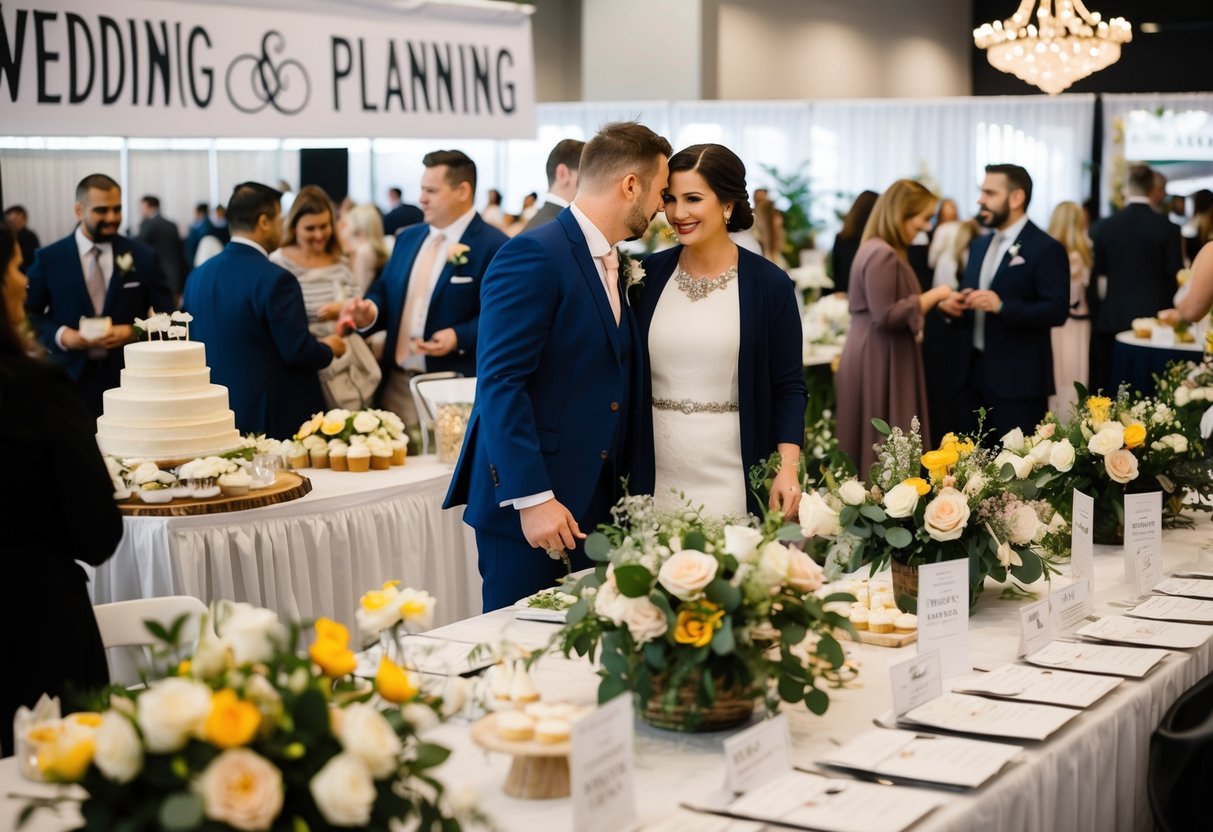
Planning your wedding involves several important factors that can shape your special day. From choosing the right date to understanding current trends and cultural elements, each part plays a crucial role in making your wedding memorable.
Selecting the Perfect Wedding Date
Choosing your wedding date is one of the first and most important decisions you’ll make. Consider factors like the season, holidays, and venue availability when selecting your date.
Many couples opt for spring or summer for outdoor weddings, while fall offers beautiful colors.
Think about your guest list too. Will your friends and family be able to attend if you choose a busy holiday weekend? It’s wise to avoid dates that conflict with major events, as this could limit attendance.
Finally, don’t forget the popular wedding trends. Dates like 2/22/24 might be appealing for their unique repeating numbers. This can add a fun twist to your choice!
Current Trends in UK Weddings
Wedding trends in the UK keep evolving, so it’s important to stay informed. In 2024, many couples are leaning towards smaller, more intimate weddings. This allows for personalized experiences, such as tailored décor and unique venues.
Outdoor weddings continue to gain popularity. Couples are opting for parks, gardens, and even beaches to create a beautiful backdrop.
Eco-friendly weddings are also trending, with a focus on sustainability in planning, from the flowers to the food.
Don’t forget about technology! Live streaming ceremonies has become common, making it easier for loved ones unable to attend in person to join your big day.
Cultural and Religious Considerations
Your cultural and religious beliefs can deeply influence your wedding planning. Whether you’re planning a religious ceremony or a civil partnership, it is essential to honor those traditions.
For example, if you’re incorporating religious elements, consider practices like pre-marital counseling or specific rituals.
Each culture may have unique customs, such as traditional attire or specific ceremonial elements that are significant to you and your families.
If you are from different backgrounds, blending cultures can create a beautiful, meaningful day. Speak with family members for advice or ideas to make sure everyone feels included and respected. This collaboration can add richness and depth to your celebration.