
How Big Is the Average UK Wedding? Exploring Size and Costs
Weddings can vary greatly in size, reflecting personal styles and preferences. In 2023, the average UK wedding typically includes around 100 guests. This number falls within what is often considered a medium-sized wedding, striking a balance between an intimate gathering and a larger celebration.
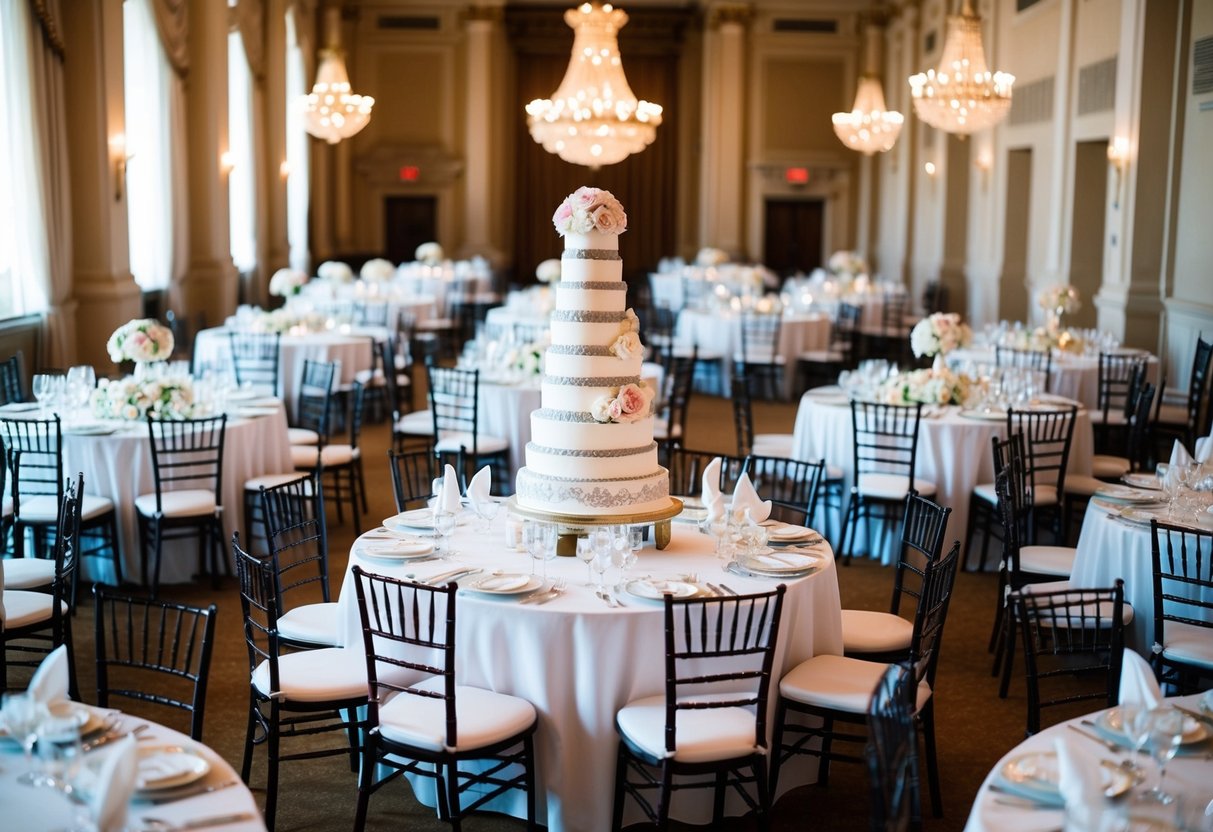
As you plan your wedding, you may notice trends leaning towards smaller, more personal events. Micro weddings have gained popularity, allowing couples to focus on quality experiences with their closest friends and family. Understanding the average wedding size can help you decide what kind of event fits your vision and budget.
While 100 guests might be the norm, there is flexibility based on your needs. Whether you dream of a cozy celebration or a grand affair, knowing the current trends and averages can guide your planning process.
Understanding UK Wedding Sizes
When planning your wedding, it’s essential to understand the different sizes and what they mean for your celebration. Each size category can affect your guest list, budget, and overall atmosphere.
Micro Weddings and Elopements
Micro weddings have become increasingly popular in recent years. Typically, these intimate gatherings include fewer than 20 guests. Many couples choose this route for a more personal and cozy experience.
Elopements often involve just the couple, with or without a few close witnesses. This option allows for a unique and private ceremony, often in a special location. The average cost of a micro wedding in the UK can be significantly lower, often around £5,000, depending on your choices. You can allocate more funds to what truly matters to you.
Small to Medium Weddings
Small to medium weddings usually consist of 20 to 100 guests. This size strikes a balance between intimacy and celebration. You can enjoy a cozy gathering while spending time with family and friends.
In the UK, the average number of guests at a wedding is approximately 82 for daytime and 103 for evening celebrations. A guest list of this size allows for personal connections while still being manageable for planning and budgeting. You can expect to pay anywhere from £10,000 to £20,000 for a small to medium wedding, depending on your choices.
Large Wedding Celebrations
Large wedding celebrations can include over 100 guests or even up to 1,000 in some cases. Many cultures, particularly in African and Asian communities, often have grand celebrations.
With a guest list of this size, you can create a vibrant atmosphere filled with family and friends. However, larger weddings come with higher costs. You could spend upwards of £25,000 to £60,000 or more. This includes venue rentals, catering, and entertainment, which are vital for larger crowds. Remember to consider what size will make your day truly special.
Budgeting for Your UK Wedding
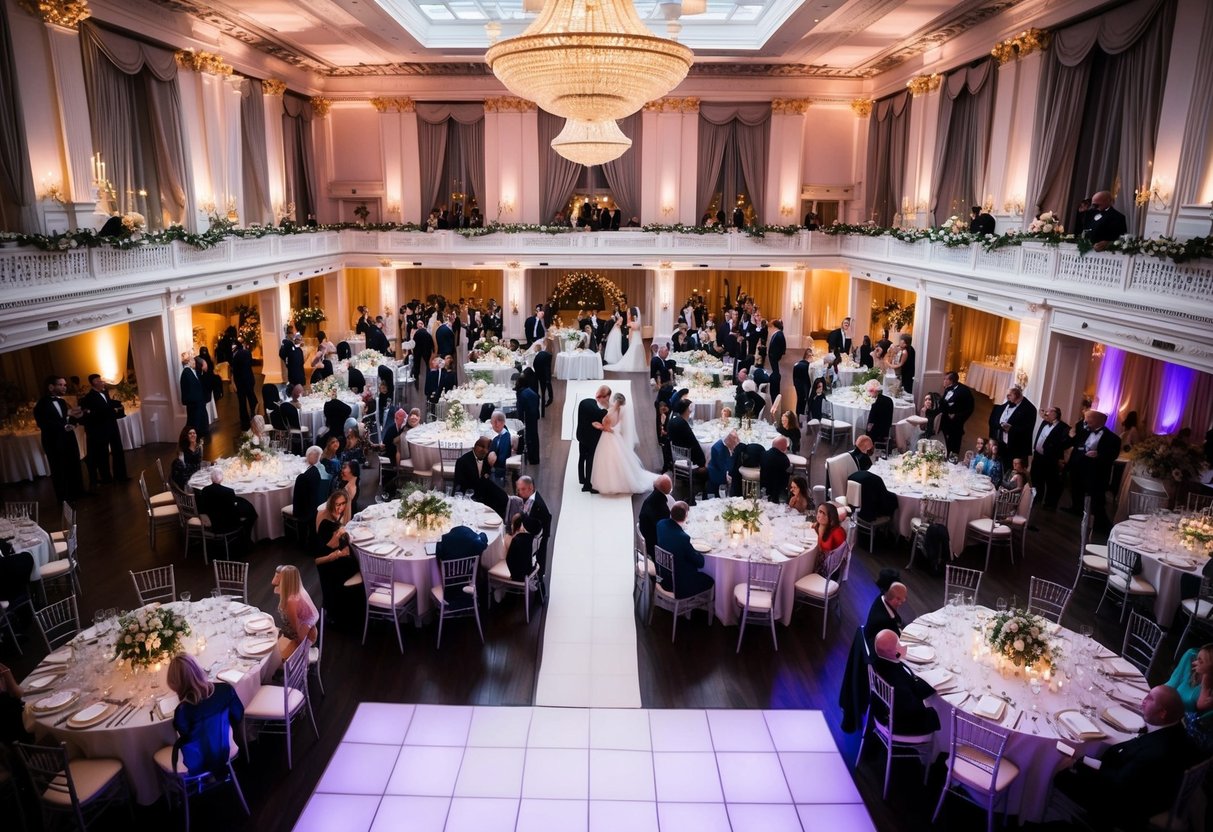
Setting a budget for your wedding is an important step. Knowing average costs and how to allocate your budget will help you manage your expenses effectively.
Average Costs and Expenses
The average wedding in the UK costs around £20,700 according to recent studies. This includes all key expenses such as the wedding venue, catering, and decoration.
Top Wedding Expenses:
- Venue: Approximately £9,877 with catering included.
- Catering: Usually a large part of the venue cost.
- Photography: Ranges from £1,000 to £2,500.
- Attire: Brides can spend about £1,500 on their dress.
These costs can vary based on location and the number of guests. Being aware of these averages helps set realistic expectations for your budget.
Allocating the Budget Across Wedding Needs
Once you know the average costs, it’s time to decide how to allocate your budget. Prioritize your expenses based on what matters most to you.
Sample Budget Allocation:
- Venue & Catering: 50%
- Photography & Videography: 15%
- Attire (Dress & Suit): 10%
- Flowers & Decorations: 10%
- Entertainment: 10%
- Miscellaneous: 5%
Stick to your budget by listing all necessary items and their costs. Remember that flexibility can help you enjoy your day, even if some costs go over. Planning and tracking expenses early can relieve stress later.
Choosing the Perfect Venue and Date
Selecting the right venue and date for your wedding is crucial. These choices will shape the overall atmosphere and experience for you and your guests. A well-chosen venue can also help in managing your budget effectively.
Wedding Venues in the UK
When choosing a wedding venue, consider options like barns, castles, and hotels. Each offers a unique vibe, allowing you to match your style.
For instance, if you want a rustic feel, a barn could be perfect. For a touch of elegance, a castle might fit the bill.
It’s essential to check the venue’s capacity. The average UK wedding has about 82 day guests and 103 evening guests. Make sure your venue can comfortably accommodate everyone.
Don’t forget to inquire about amenities like catering services and seating arrangements.
Also, consider whether you want an indoor or outdoor venue. Outdoor weddings can be charming but may be subject to weather changes. For a smooth experience, make a list of your top three or four venues to tour.
Deciding on the Ideal Wedding Date
Picking the right wedding date involves several factors. Seasonality can affect availability and costs. For example, popular months like June and September can be busier, while winter weddings may offer lower prices.
Consider your guest list and their availability. If many people need to travel for your wedding, give them ample notice. This can help ensure they can attend. If you’re thinking of a destination wedding, research travel arrangements and accommodations.
Finally, think about any holidays or local events that might clash with your wedding date. You want your day to be special without the stress of conflicts. Make a checklist to help narrow down your ideal date, ensuring it works for you and your loved ones.