
How Big of a Wedding Cake for 100 Guests? A Guide to Serving Size and Style
Planning your wedding day is exciting, but it also comes with plenty of questions. One of the most important decisions is figuring out how big of a wedding cake you need for your guest list. A three-tier cake with 12-inch, 10-inch, and 8-inch layers is usually the right choice for 100 guests. This size not only provides enough servings but also adds a stunning visual element to your celebration.
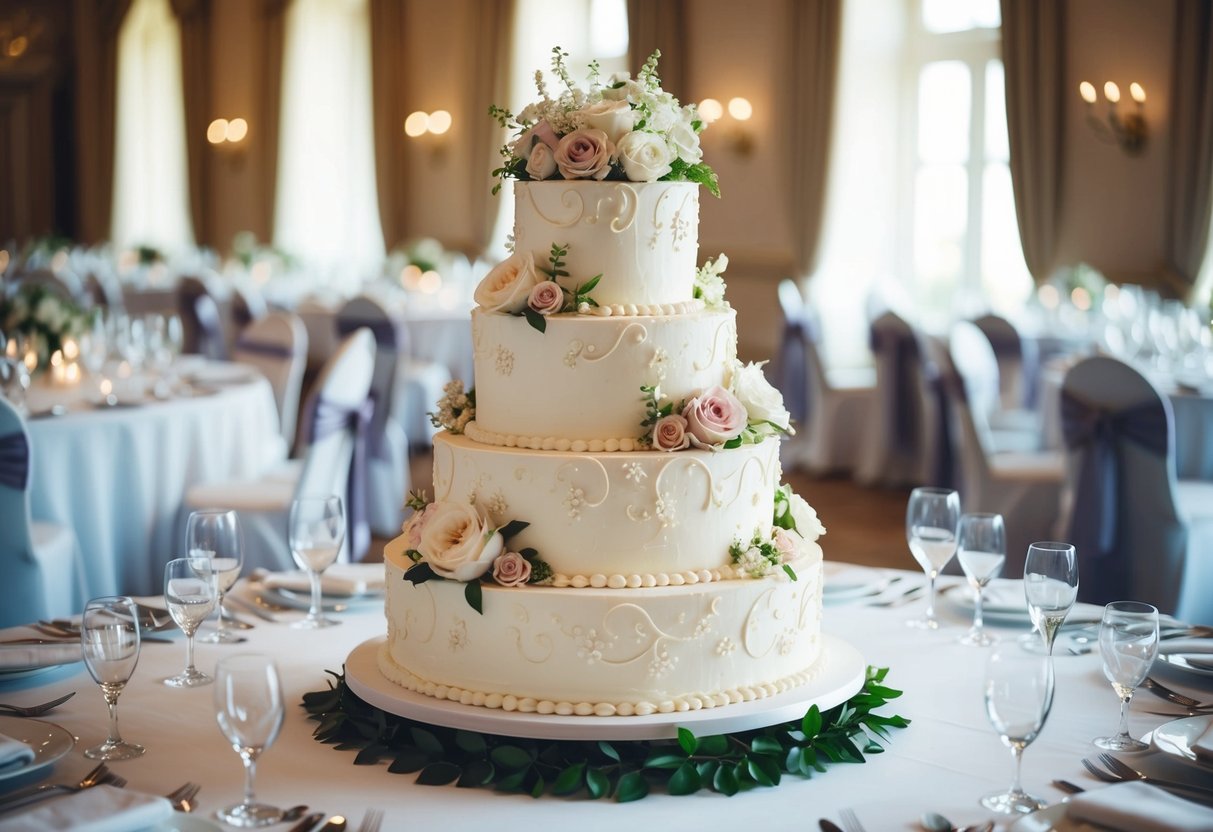
When considering your wedding cake, think about both the design and the flavors that will delight your guests. A larger cake allows for a variety of flavors and can be a centerpiece for your reception. If you expect high demand for cake or have guests with different dietary needs, you might want to adjust the size accordingly.
Choosing the right cake size is key to ensuring everyone enjoys a sweet slice on your special day. With the right planning, your wedding cake will be a memorable part of the celebration that your guests will love.
Determining the Right Size
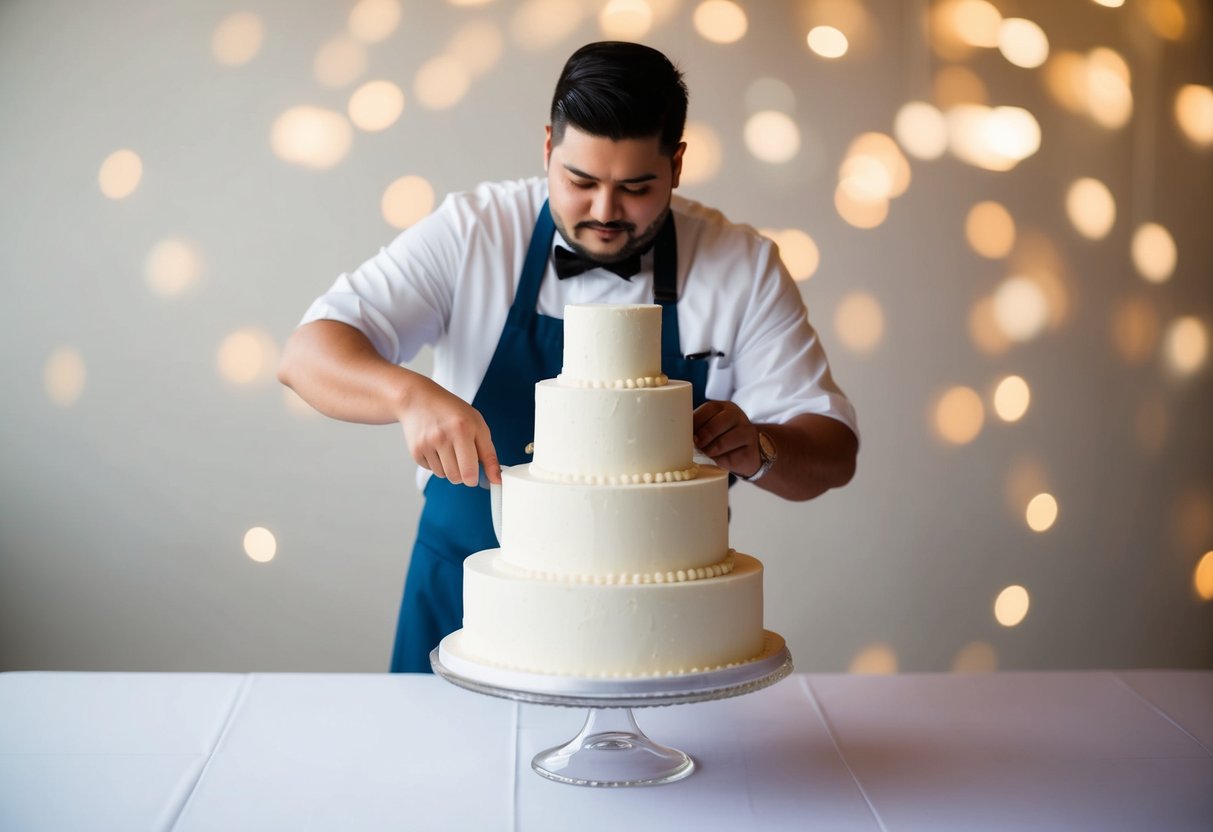
Choosing the right size for your wedding cake is important. You want to ensure all your guests get a slice while keeping in mind their appetites. You’ll consider factors like standard serving sizes and helpful tools like wedding cake calculators.
Understanding Cake Servings
When planning for 100 guests, it’s essential to know how cake servings work. A typical wedding cake slice is around 1 inch by 2 inches. For larger parties, you might opt for 1.5 inches by 2 inches slices.
If you expect your guests to enjoy the cake, you might calculate around 125 slices. This way, you have enough to cover larger appetites or if some guests skip dessert. Remember, the larger the slice, the more cake you will need.
Using a Wedding Cake Calculator
A wedding cake calculator can be a valuable tool for your planning process. These calculators allow you to input the number of guests and desired serving sizes.
Typically, a three-tiered cake serves around 80-100 people, depending on how it’s cut. Some calculators also suggest additional sheet cakes for larger portions. Using a calculator can help you visualize how many tiers you might need and ensure you don’t run short on servings for your big day.
Selecting the Ideal Cake Shape
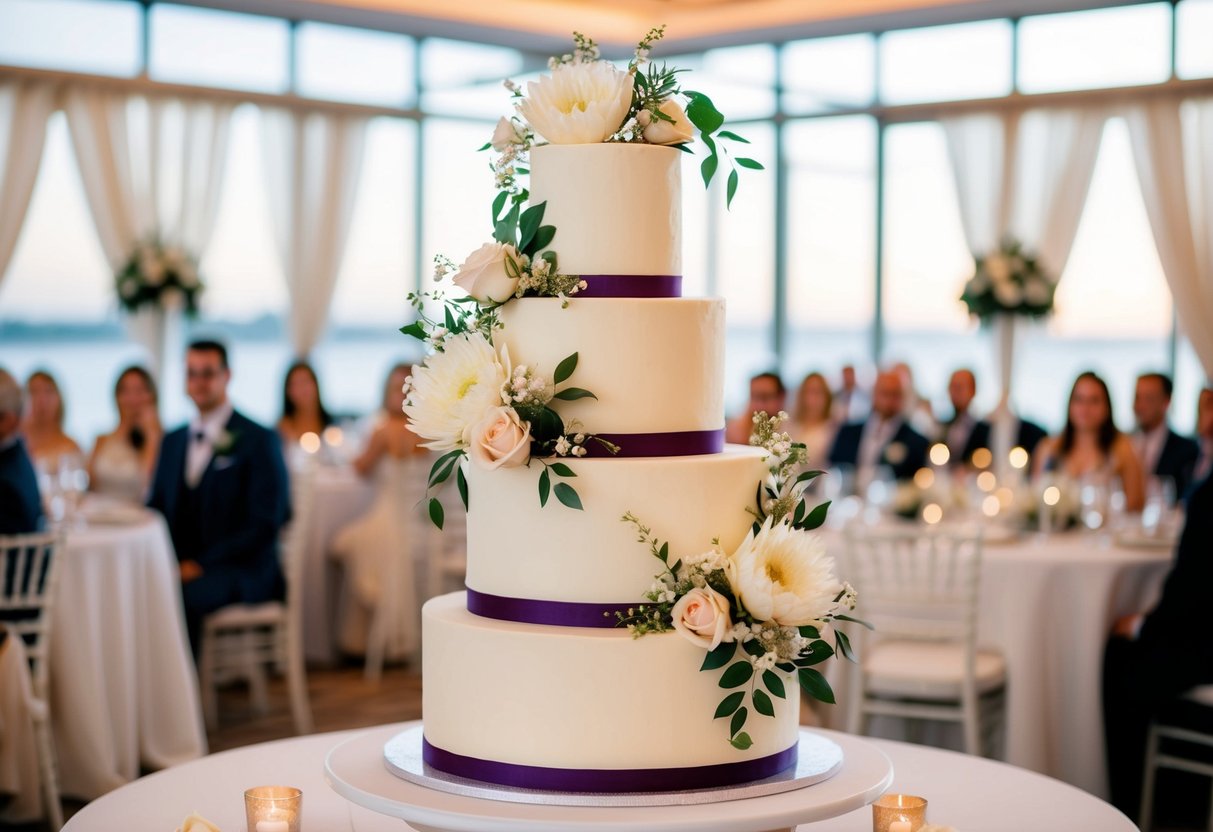
Choosing the right shape for your wedding cake can enhance its visual appeal and affect the serving size. Two popular options are round and square cakes. Each shape comes with its own set of advantages and considerations.
Pros and Cons of Round Cakes
Round cakes are a classic choice for weddings. They are often associated with a traditional look and can be beautifully tiered to create a stunning centerpiece.
Pros:
- Elegant Appearance: Round wedding cakes tend to have a softer, more romantic look.
- Even Slices: They are easier to cut into equal slices, ensuring every guest gets a fair share.
Cons:
- Serving Size: Round cakes may have less surface area compared to square cakes, potentially requiring a larger overall cake for the same number of servings.
- Decoration Limitations: Certain decorations may not translate as well on round cakes, reducing design flexibility.
Pros and Cons of Square Cakes
Square cakes offer a modern twist on the traditional wedding cake. They can be stacked attractively and often allow for creative designs.
Pros:
- More Servings: A square shape yields more servings per tier. You can serve more guests with less cake.
- Unique Designs: They offer a contemporary look that can stand out in photos and settings.
Cons:
- Complex Cutting: Slicing a square cake can be trickier, potentially leading to uneven pieces.
- Heavier: Square cakes may feel bulkier, which could affect transportation and stability.
Designing Your Cake with Tiers
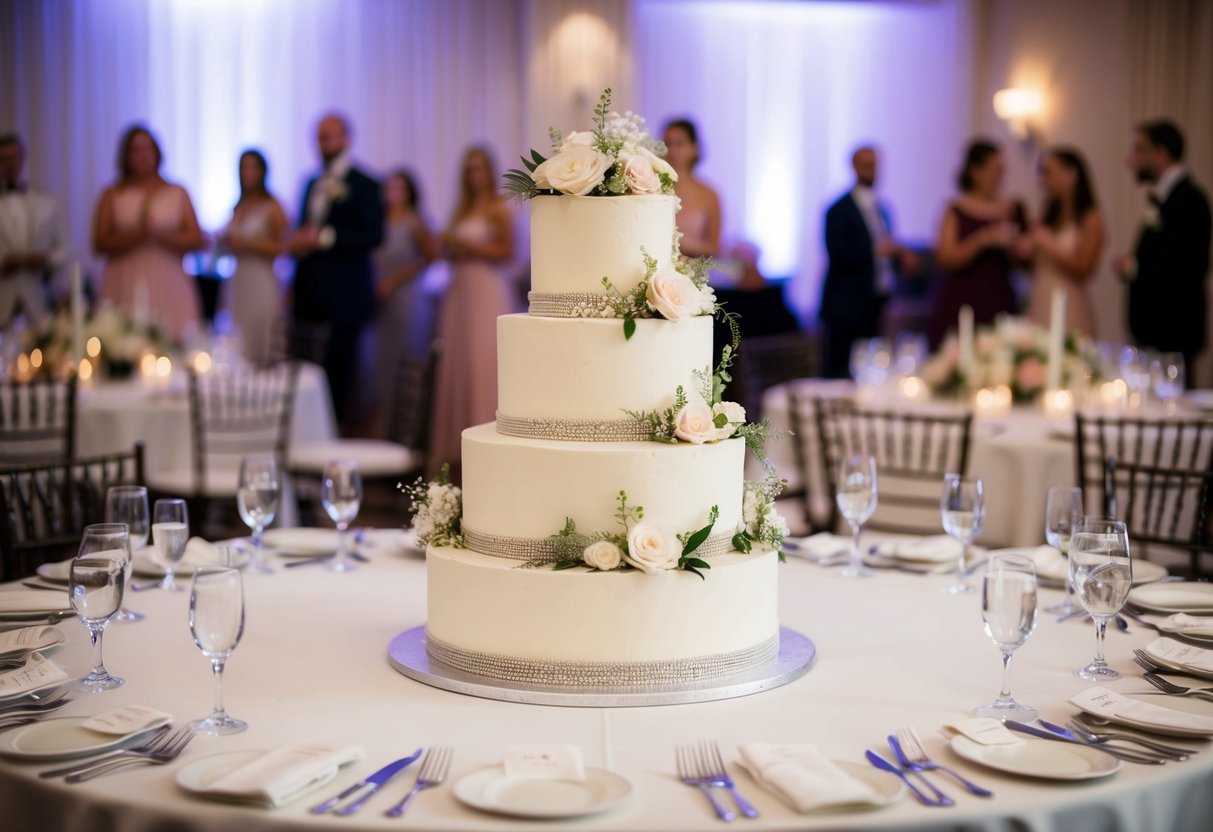
When planning a wedding cake for 100 guests, the design of the cake is just as important as its size. The number and type of tiers can greatly affect both the visual appeal and the amount of cake available for your guests.
Choosing the Number of Tiers
The number of tiers you choose impacts the total servings and the cake’s look. For 100 guests, a 4-tier wedding cake is a popular choice. A typical setup could include tiers measuring 12”, 8”, 6”, and 4”.
- 3-Tier Wedding Cake: This can work if you want a simpler cake.
- Stacked Style: Remember that a stacked style gives a more elegant look.
Consider that each tier can provide a different flavor. This way, you cater to various tastes. Think about how many servings each tier can offer and adjust the sizes if needed.
Decorative and Fake Tiers
Incorporating fake tiers can save costs while enhancing appearance. A 4-tier wedding cake can have a couple of those tiers made of Styrofoam. This gives the cake height without needing extra cake.
- Decorative Tiers: Use edible decorations, ribbons, or flowers for a stunning look.
- Practical Considerations: If you have dietary restrictions among guests, adjusting tier flavors ensures everyone is happy.
Fake tiers can also make a cake look grand without the pressure of serving everyone cake. You can also mix cake styles, using a 3-tier cake with fake tiers on top for height.
Accommodating Special Requirements
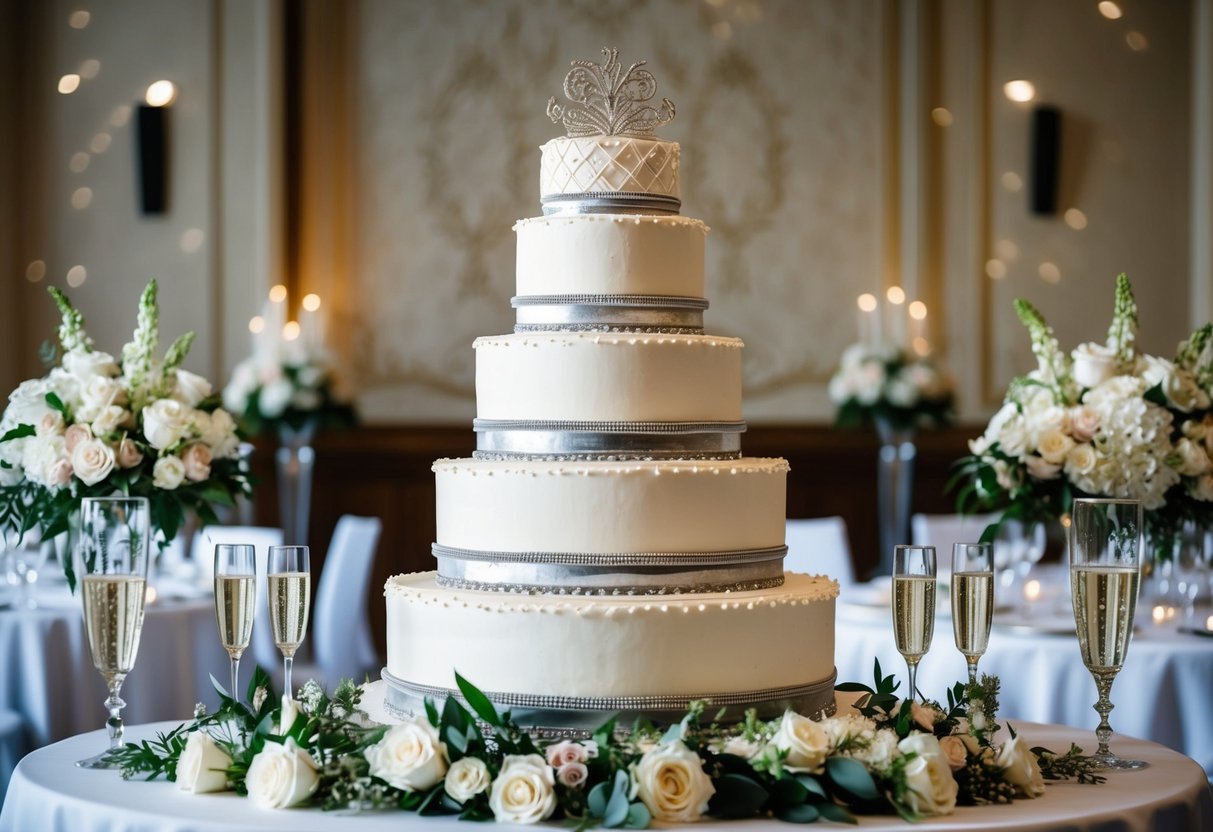
When planning your wedding cake for 100 guests, it’s important to think about special requirements. Consider those with dietary restrictions and explore additional dessert options. This way, you can ensure that everyone enjoys a sweet treat on your special day.
Considering Dietary Restrictions
You may have guests with dietary restrictions, such as allergies or preferences like gluten-free, vegan, or nut-free diets. It’s essential to ask your guests about their needs ahead of time.
For the wedding cake, look for bakeries that offer alternatives. A small gluten-free tier can accommodate those with gluten intolerance. For vegan guests, consider using egg substitutes that still maintain taste and texture.
Labeling each cake tier is also helpful. This prevents confusion about ingredients and makes it easier for guests to choose what they can enjoy.
Dessert Table Varieties
Including a dessert table can enhance your wedding cake experience. This allows you to provide a range of sweets that cater to different tastes and dietary needs.
You could offer mini desserts like cupcakes, cookies, and brownies. Consider adding a few sheet cakes for larger portions.
This variety ensures everyone finds something they love. Plus, it creates a fun atmosphere for guests to explore different flavors and options. Don’t forget to label each dessert so everyone knows what they’re enjoying.
By planning these elements, you can create a delightful dessert experience for all of your guests.