
How Big Should a Wedding Backdrop Be? Tips for the Perfect Fit
Choosing the right size for your wedding backdrop can make a big difference in your photos and overall décor. A good rule of thumb is to aim for a backdrop that is 8 to 10 feet wide for groups of four or more people. This ensures everyone fits nicely within the frame while also creating an impactful focal point for your ceremony or reception.
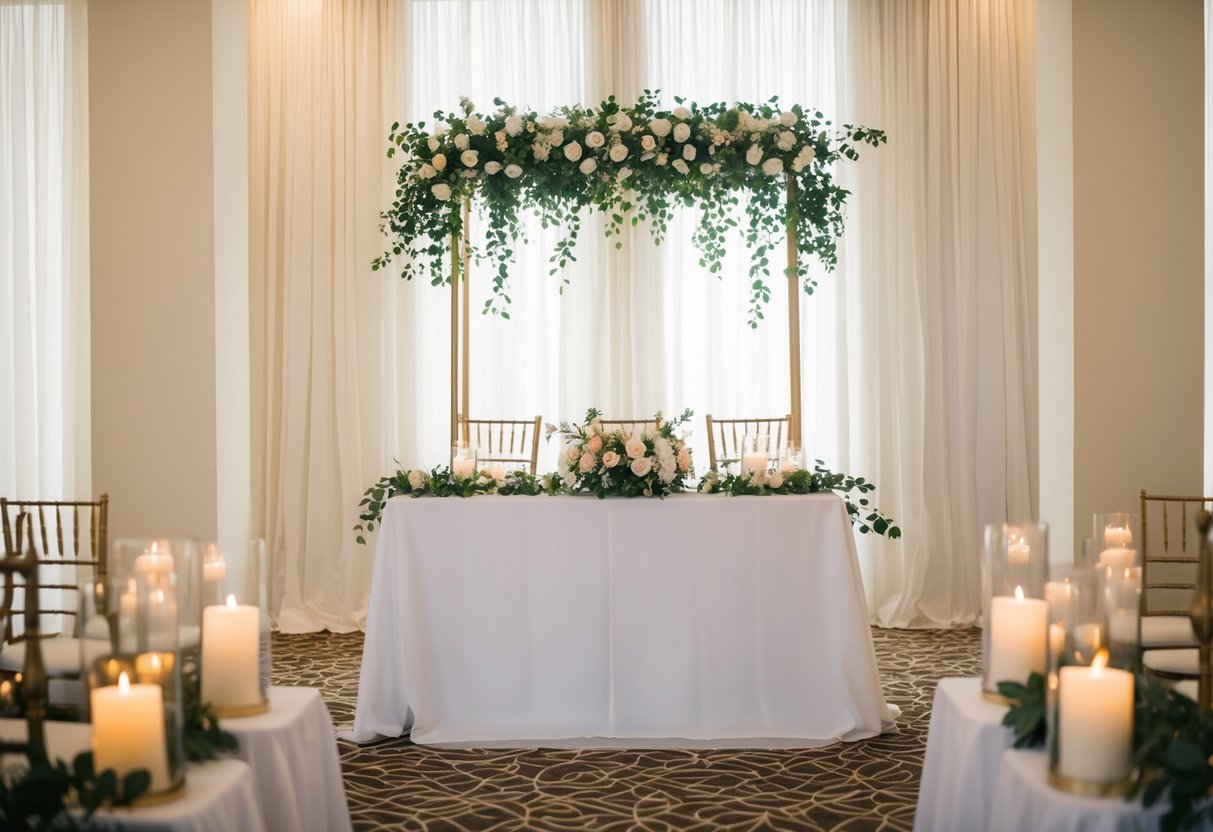
When thinking about where to set up your backdrop, consider the space available at your venue. The backdrop should complement your setting, whether it’s outdoors or in a grand hall.
Make sure to measure the area so you have enough room for your guests to gather without feeling cramped.
Don’t forget about the style and theme of your wedding! A well-sized backdrop can enhance the overall vibe, making your special day even more memorable. Keep reading to find out more tips and tricks for selecting the perfect backdrop size for your unique celebration.
Understanding Wedding Backdrop Essentials
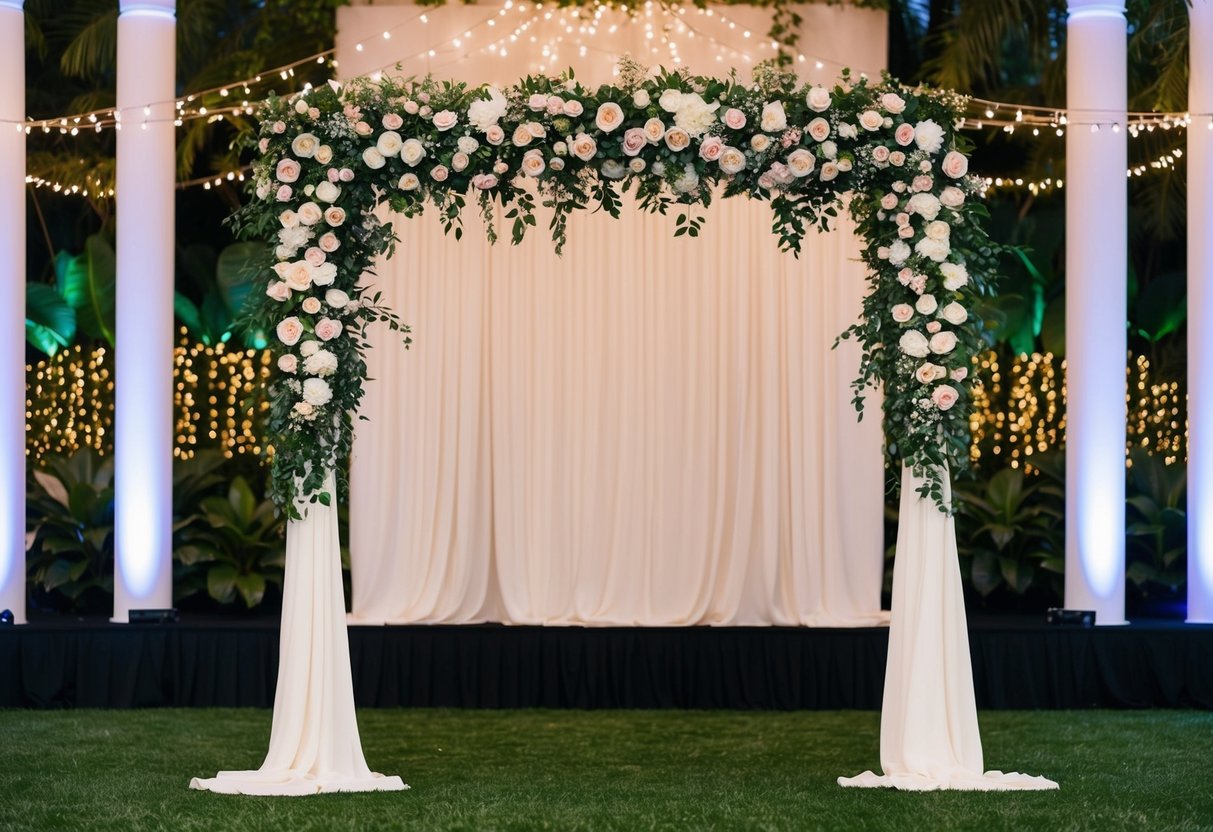
When planning your wedding, choosing the right backdrop is essential for your special day. A backdrop not only adds beauty but also serves as a fantastic photo opportunity for you and your guests. Let’s look at the types of wedding backdrops and how to choose the best material for your needs.
Types of Wedding Backdrops
There are several types of wedding backdrops to consider for your big day. Each type creates a distinct atmosphere.
- Fabric Backdrops: These are soft and versatile. You can choose from many colors and patterns to match your theme.
- Floral Backdrops: Perfect for a romantic setting, floral backdrops can be made from real or artificial flowers. They effortlessly add color and texture.
- Custom Backdrops: If you have a unique vision, custom backdrops allow you to personalize your decoration. You can incorporate elements that reflect your personality or relationship.
Remember, the size of the backdrop should fit your venue and the number of guests. A ceremony backdrop usually ranges from 8 to 20 feet wide to suit various setups.
Choosing the Right Material
The material of your backdrop also matters. Different materials lend themselves to different styles.
- Muslin: Affordable and lightweight, muslin is perfect for a soft look. It drapes well and is easy to set up.
- Vinyl: This is durable and easy to clean. Vinyl backdrops can withstand outdoor elements if your wedding is under the sun.
- Tulle: For a delicate appearance, consider tulle. It can create a dreamlike effect when layered.
Be sure to consider how the material will look in photos. A backdrop should enhance your wedding decor and create a beautiful setting for your memories.
Determining the Ideal Size
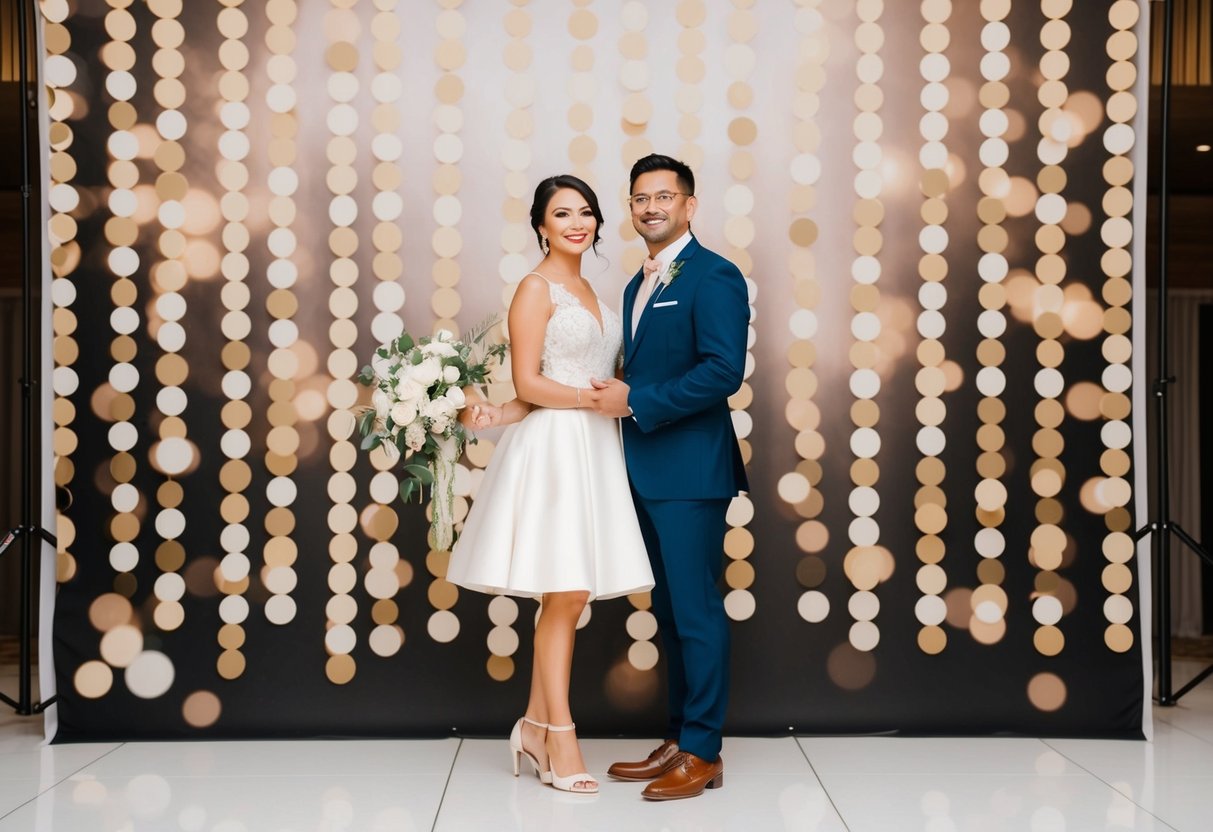
Choosing the right size for your wedding backdrop is essential for creating the perfect atmosphere. You want a backdrop that complements your ceremony style while providing ample space for photos. Here are some key details about sizing for different ceremonies and standard measurements you can rely on.
Backdrop Size for Different Ceremonies
The size of your backdrop can vary based on the type of ceremony you are planning. For intimate gatherings, like a small wedding, a backdrop around 5 feet tall and 8 feet wide should work well. This size allows for close-up photos without overwhelming your space.
For larger ceremonies, you’ll want a backdrop that can accommodate more people. A backdrop height of 8 to 12 feet and a width of 10 to 20 feet is ideal for large groups. These measurements ensure everyone fits comfortably within the frame, especially during family portraits or group shots.
If you’re planning an outdoor ceremony, consider the surrounding space. Avoid too small of a backdrop that might get lost in the scenery. Always take into account the location and number of guests to choose a size that will truly shine.
Standard Backdrop Sizes
Standard backdrop sizes can help simplify your decision. For most weddings, you’ll find the following common sizes:
- 4.5′ x 3′ – This is the smallest backdrop size, suitable for very limited spaces or small ceremonies.
- 8′ x 8′ – A popular choice for medium-sized celebrations, allowing for a balanced visual focus.
- 10′ x 10′ or 12′ x 8′ – Ideal for larger groups and corporate events, giving enough space for everyone to fit in.
- 20′ x 8′ – This is considered a maximum backdrop size for very large groups, ensuring no one is left out of the shot.
When selecting your backdrop width, aim for 1.5 to 3 feet wider than your group. This keeps shadows to a minimum and enhances the overall look of your photos. Make sure to think about the setting to find what fits best for your special day.
Setting Up Your Backdrop
When setting up your wedding backdrop, it’s important to pay attention to the support system and how it fits into your venue. Having a solid plan will ensure your backdrop looks stunning during the big day.
Support Systems and Stability
To keep your backdrop secure, choose a sturdy support system. Options include tension stands, pipe and drape systems, or wall mounts. Make sure the material is appropriate for the size of your backdrop.
- Tension Stands: Great for smaller setups. They are easy to transport and assemble.
- Pipe and Drape: Ideal for larger backdrops. This method offers flexibility in size and style.
Test the stability by giving it a gentle push. You want to ensure it won’t fall during use. It’s also helpful to consider weight limits, especially with fabric backdrops. Weighted bases can help keep everything stable.
Incorporating Backdrops into Your Venue
Think about how the backdrop will blend with your venue. Whether it’s a grand hall or a cozy studio space, the backdrop should enhance the surroundings.
- Match Styles: Choose colors and themes that go with your venue. This creates a cohesive look for photos.
- Lighting: Pay attention to the lighting. Soft lights can add warmth, while spotlights can highlight intricate designs.
Consider the backdrop’s placement. It should be visible from where most guests will be. Remember that the backdrop is not just for photos; it sets the tone for your event.
Photographing with a Wedding Backdrop
Using a wedding backdrop creates a beautiful setting for your photos. The right camera angles and lighting can enhance the backdrop’s effectiveness. You’ll also want to consider how to best photograph groups and individual portraits.
Camera Angles and Lighting
When photographing with a backdrop, camera angles matter. Positioning your camera slightly above eye level can create flattering angles for your subjects. This is especially important for full-body portraits and headshots, ensuring that everyone looks their best.
Lighting plays a key role too. Natural light works wonderfully, so if possible, use it to illuminate your subjects and backdrop. Avoid harsh shadows by having your subjects face the light. If you’re indoors, consider adding soft lighting to brighten the scene.
Tip: Use a rubber floor mat to ensure your subjects stand steady, especially in less stable settings. Choose a backdrop that complements your lighting for seamless shots.
Capturing Groups and Solo Portraits
When photographing groups, consider the number of people in your shot. For 1-2 people, a backdrop of about 5 feet wide is ideal. For larger groups, aim for a backdrop that is 8-10 feet wide or more.
Arrange people in a way that feels natural. Stagger heights by having some sit and others stand. This creates a dynamic look.
For solo portraits, make sure to fill the frame. Use your backdrop to provide context that matches the individual’s style. Adjust your camera height and angle to focus on their best features.
In both cases, ensure the backdrop enhances the subject without being distracting.