
How Can You Tell If a Ring Is a Wedding Band? Key Features to Identify It
When you look at rings, it can be tricky to figure out which one is a wedding band. A wedding band is typically simpler and more understated than an engagement ring, which often features a prominent gemstone. This simplicity signifies the commitment between partners, making it an essential part of your wedding jewelry.
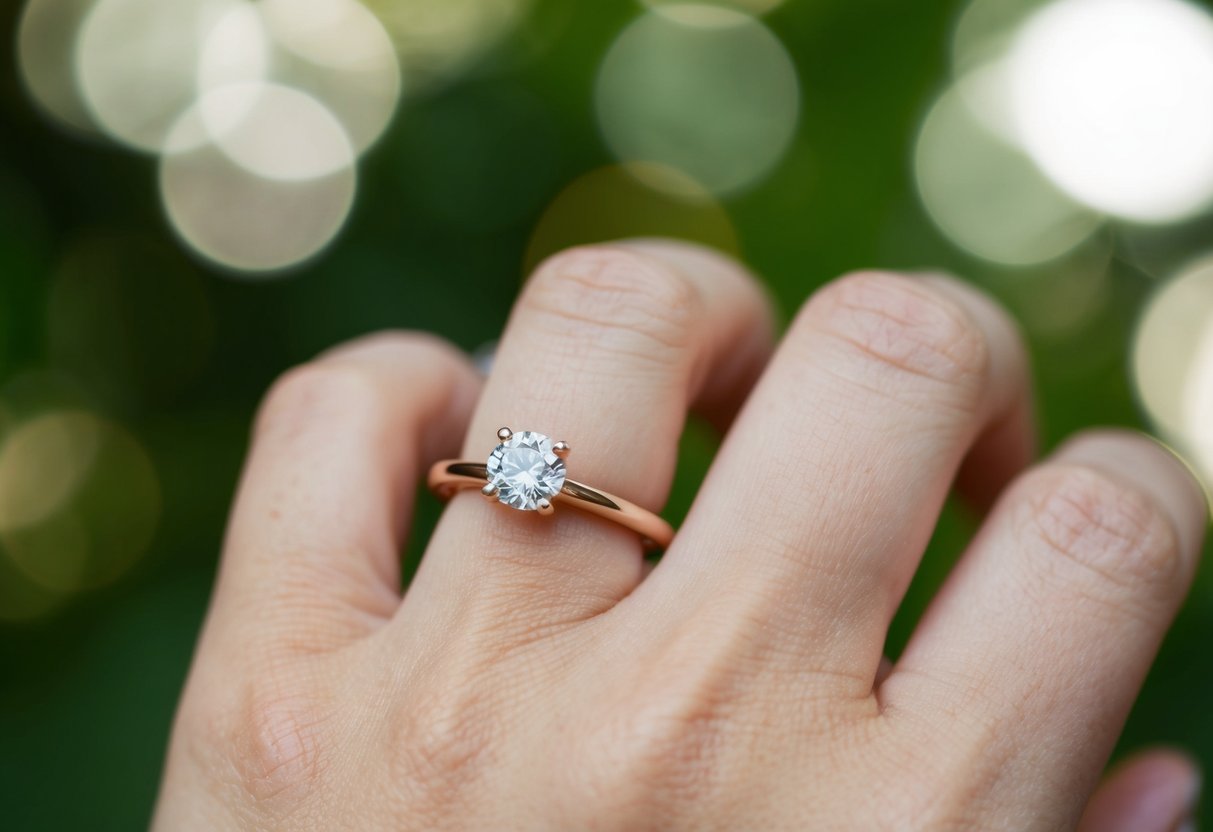
To help you distinguish a wedding band from other types of rings, pay attention to the design and materials. Wedding bands are usually crafted from a single precious metal without elaborate settings or multiple stones. If you see a ring with a flashy design or large center stone, it is likely an engagement ring. Meanwhile, a classic, sleek band will represent your marital vows.
Understanding these differences can really help you when you’re shopping for the perfect ring. Whether you’re choosing your own or selecting one for a partner, knowing what makes a wedding band unique can guide your decision.
Identifying Wedding Bands
When trying to determine if a ring is a wedding band, several key features can help you out. Pay close attention to the material, design, and any engravings that may be present. These elements often distinguish wedding bands from other types of rings.
Material Differences
Wedding bands are commonly made from precious metals. You might find them in gold, including yellow gold, white gold, and rose gold. Gold wedding bands are popular for their traditional appeal.
Platinum is another favorite due to its durability and natural white sheen. It’s heavier and does not tarnish easily, making it a long-lasting choice.
Some wedding bands are made from alternative materials like titanium and tungsten. These options offer a modern twist. They’re lightweight and very strong, which makes them a great option for someone with an active lifestyle.
Design and Style
Wedding bands typically feature simple designs. They often have a smooth finish, making them comfortable and easy to wear. Classic styles usually include a plain band or bands with minimal embellishments.
However, modern wedding bands can also show unique designs. You might see geometric shapes or mixed metals, combining the warmth of gold with the sleekness of platinum.
When comparing with engagement rings, keep in mind that engagement rings often have more intricate designs and may include stones. Wedding bands, on the other hand, are usually less ornate and focus on the band itself.
Engravings and Symbolism
Many wedding bands feature engravings that add personal meaning. Common engravings include initials, wedding dates, or heartfelt messages. These personal touches can make a wedding band unique.
Symbolism in wedding bands is significant as well. The circular shape of the band represents the endless love between partners. Some couples opt for rings with additional symbols, like hearts or infinity signs, to further express their commitment.
Keep in mind that while some wedding bands are plain, others may still have intricate details. Look for subtle engravings that can indicate a wedding band’s deeper meaning.
Cultural and Historical Significance
The significance of wedding bands goes beyond their physical appearance. These rings carry deep cultural meaning and connect to ancient practices that have shaped modern traditions.
Traditional and Modern Interpretations
In many cultures, the wedding band represents eternal love and commitment. Traditionally, the ring is worn on the fourth finger of the left hand, often called the “ring finger.” It is believed that a vein in this finger leads directly to the heart.
Today, modern couples might choose unique styles or materials that reflect their personalities. While some stick to classic gold bands, others may prefer customized designs featuring gemstones or intricate patterns. Each ring tells a story about the couple’s union and values, embodying a blend of traditional and contemporary meanings.
Ancient Egyptian Roots
The origin of wedding rings can be traced back to ancient Egypt. Egyptians exchanged rings made from braided reeds and leather during ceremonies. These early rings symbolized a lasting bond between partners.
The idea of a circular band, showing no beginning or end, represented eternity. Couples would wear these rings visibly, showcasing their commitment to each other. As this practice spread, it evolved through different cultures, influencing modern wedding jewelry. The deep-rooted tradition reflects your connection to history and the powerful symbolism that rings continue to hold today.
Customization and Personalization
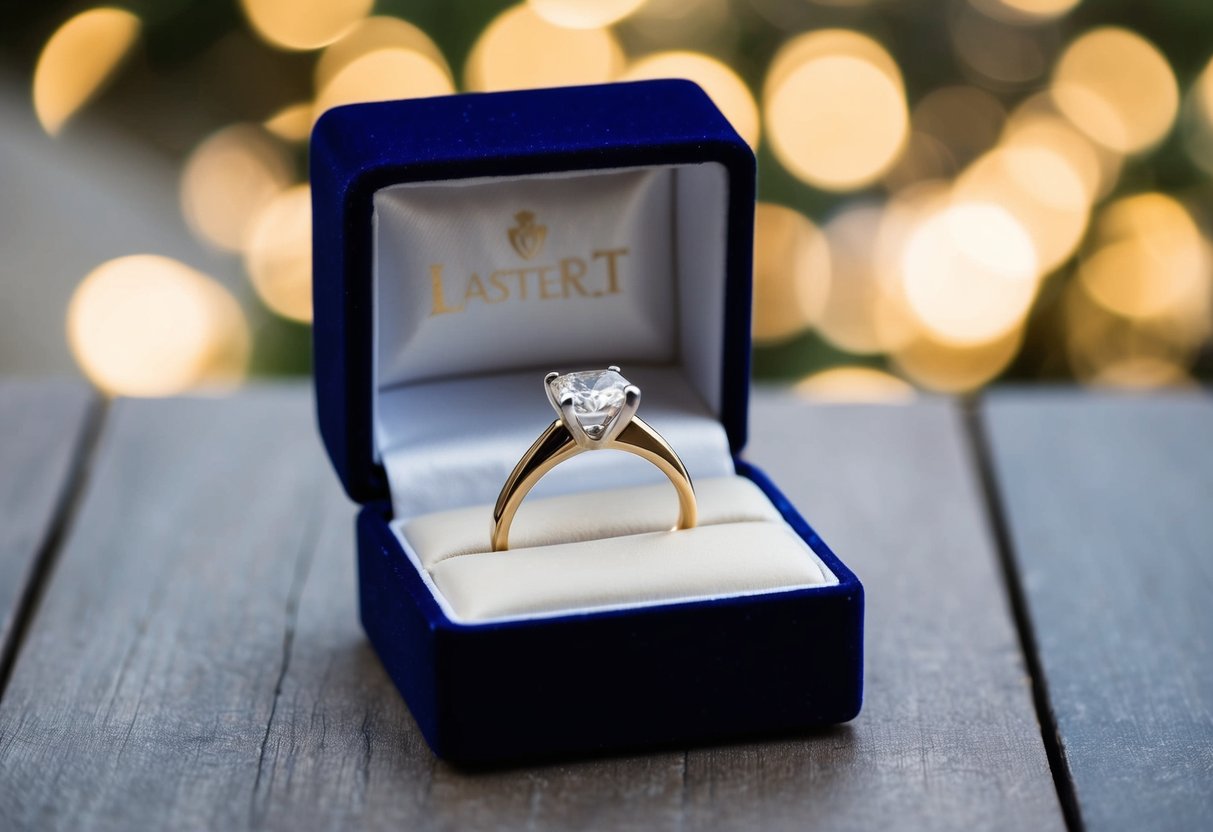
When you think about customizing a wedding band, focus on aspects that reflect your unique style and story. You have the chance to choose the right gemstones, add meaningful engravings, and consult with a jeweler to make your vision a reality.
Choosing the Right Gemstones
Selecting the perfect gemstones can make your wedding band truly special. While many people choose traditional diamonds, you might prefer colored gemstones like sapphires, emeralds, or rubies.
Each gemstone comes with its own meaning. For example, sapphires symbolize loyalty, while emeralds represent love and rebirth.
Consider how these meanings resonate with you and your relationship. You can also think about the band’s style, like whether you want a classic or modern look, to see how the gemstones will fit in.
Importance of Engraving
Engraving adds a personal touch to your wedding band. You can inscribe a meaningful date, initials, or a favorite quote.
Short phrases or even symbols, such as hearts or infinity signs, work well too. This small detail can turn a simple band into a cherished keepsake.
Many rings accommodate 15-20 characters for engraving. Be sure to ask your jeweler about the best options for your ring’s style. An engraving can serve as a daily reminder of your bond.
Jeweler Consultation
Meeting with a jeweler is an important step in customizing your wedding band. The jeweler will guide you in selecting the right metals, styles, and gemstones.
A good jeweler takes the time to understand your preferences and suggestions. They can help you visualize how different elements come together.
Ask questions and share your ideas. This collaboration ensures that the final piece reflects your personality.
Whether you’re looking for a simple band or one with intricate designs, your jeweler can help make it happen.