
How Do Bride and Groom Sit at Reception? Tips for a Perfect Seating Arrangement
At a wedding reception, seating arrangements can set the tone for the entire event. The bride traditionally sits to the groom’s left, creating a beautiful balance during the festivities. This classic arrangement allows guests to easily see and interact with the couple while celebrating their special day.
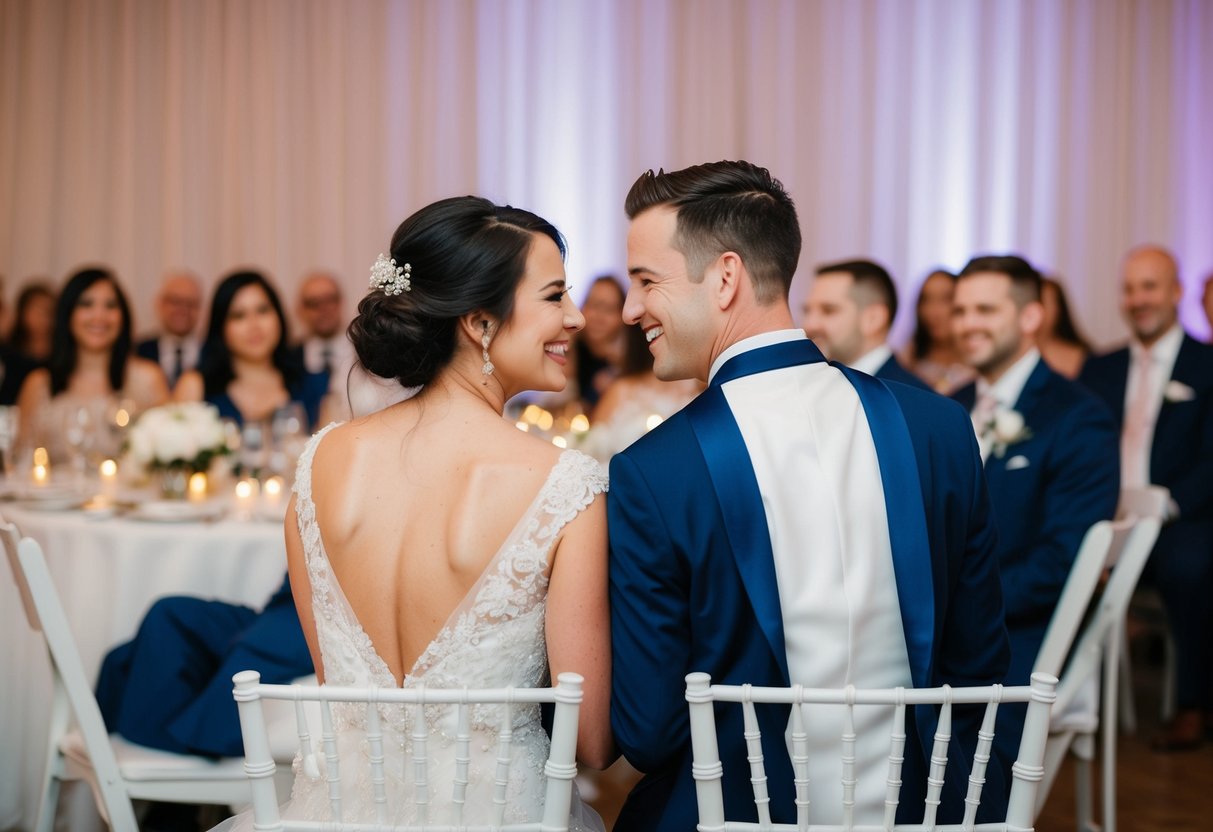
When planning your wedding, consider how to best arrange the seating for both you and your guests. In addition to the bride and groom’s seats, it’s common to include the wedding party and close family members nearby, fostering a warm atmosphere. This attention to detail in seating helps ensure that everyone feels included and has a wonderful time at your celebration.
Understanding how to set up your seating can ease some stress during wedding planning. With careful thought, you can create a layout that not only looks great but also encourages joy and conversation among your guests.
Deciding the Seating Format
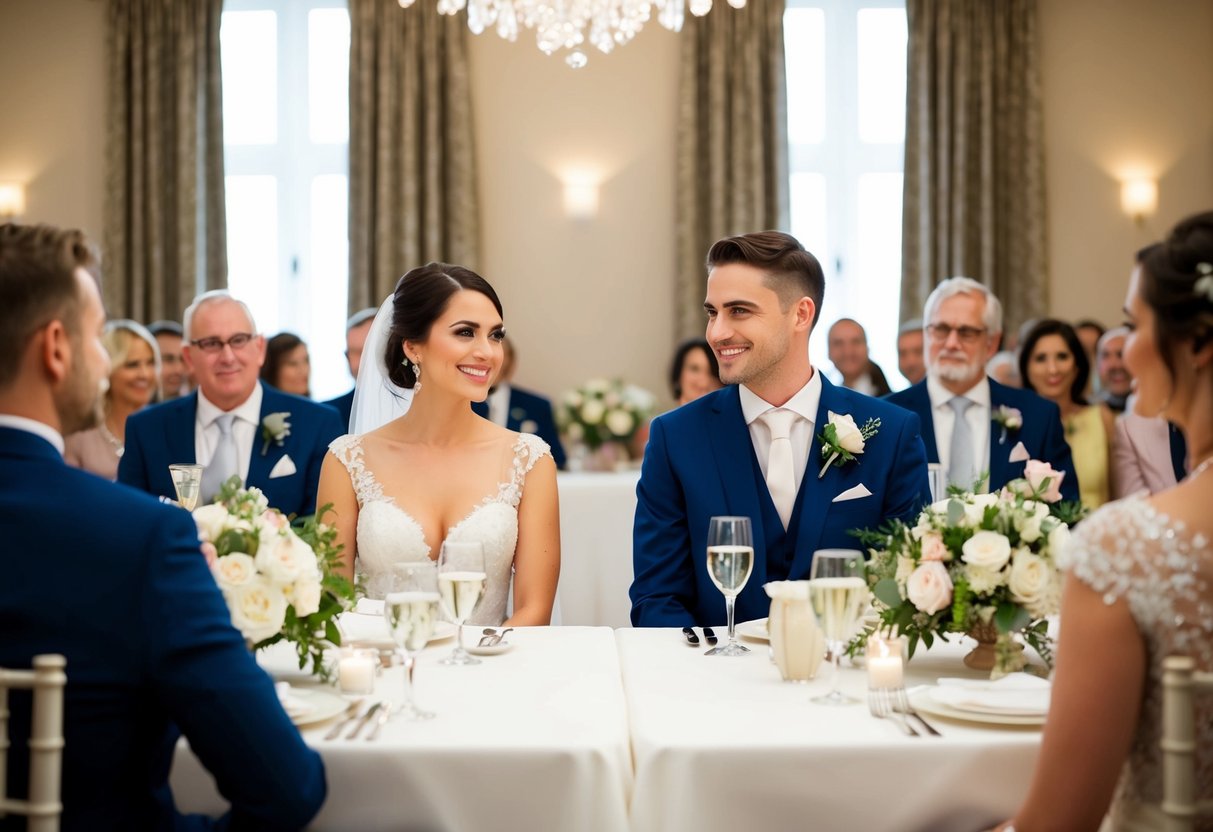
When planning your wedding, how you and your partner sit at the reception is important. It sets the tone for the evening and helps guests understand where to focus their attention. Here are the key formats to consider: the head table and the sweetheart table, along with some family seating considerations.
Head Table Versus Sweetheart Table
The head table typically includes the bride, groom, and their wedding party. This traditional format allows you to celebrate with close friends and family. It also creates a sense of formality.
On the other hand, the sweetheart table is just for the two of you. This option offers intimacy and allows you to share special moments without feeling crowded. You can choose to include your parents or keep it just for the two of you.
Consider what feels right for you. A head table fosters a sense of community, while a sweetheart table emphasizes your connection.
Family Table Considerations
Family dynamics play a big role in seating arrangements. When organizing a family table, think about your parents and close relatives. It’s essential to ensure everyone feels comfortable and included.
Some couples prefer to have parents seated at the head table. Others might create a separate table for them to help avoid tension. Think about relationships and choose arrangements that promote a positive atmosphere.
Be mindful of seating etiquette. If there are divorced parents, place them at different tables to reduce potential awkwardness. Overall, aim to create an experience where everyone enjoys the celebration.
Creating the Seating Chart
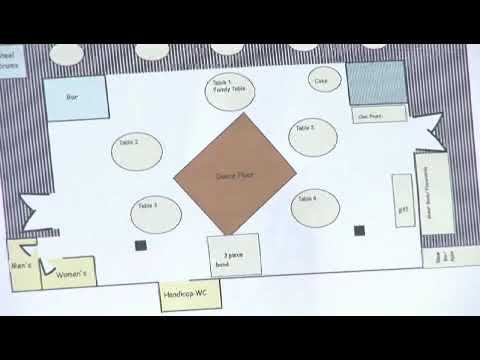
Designing the seating chart for your wedding can be a fun process. It helps you ensure that all guests are comfortable and enjoy the event. Here are key aspects to consider when creating a seating chart.
Using RSVPs for Seating Assignments
Your RSVPs are a great tool when developing your seating chart. They let you know who’s coming and can help shape the arrangement.
Start by analyzing your guest list and grouping attendees. For example, you may have family members, friends, and colleagues. This helps you decide who should sit together.
Make sure to keep track of any special requests from guests. Some may prefer to sit with certain people or away from others. Separate tables for singles can also be a good choice, allowing them to mingle and meet new friends.
Seating Chart Etiquette for VIP Guests
VIP guests include close family, the wedding party, and important friends. They deserve special attention in your seating arrangements.
Place the bride and groom at a prominent table, often called the head table. It’s nice to have the bridal party around you for support.
Consider seating parents close by too, as this promotes bonding and connection during the celebration. When planning, aim for balance; having family and friends sit together helps create a joyful atmosphere.
Planning for Singles and Child Friends
It’s essential to think about how to accommodate singles and children in your seating chart.
For singles, consider creating a “singles table.” This encourages mingling and ensures they won’t feel left out. You may also want to mix them with fun, social guests to spark conversations.
For children, plan a kids’ table. This lets them enjoy each other’s company and participate in activities. You can include fun crafts or games to keep them entertained during the meal. By planning seating thoughtfully, you’ll create a warm and welcoming environment for all your guests.
Finalizing Table Arrangements
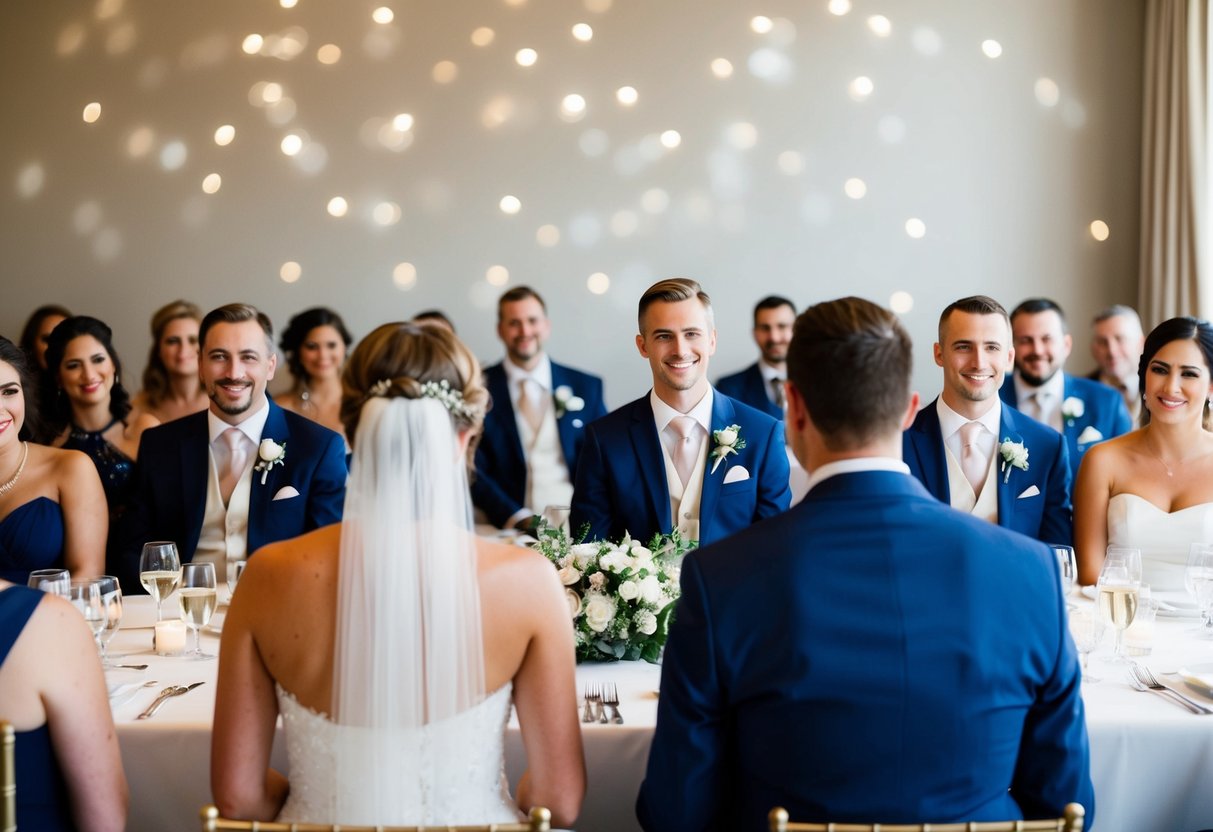
When planning your seating, you want to consider how to best position your bridal party and accommodate any special guest needs. Proper arrangements will ensure a smooth flow during the reception.
Placing the Best Man and Maid of Honor
The Best Man and Maid of Honor hold important roles at your wedding. They often sit at the head table with you. This spot is ideal because it allows them to share in the special moments and helps you feel supported.
If you prefer a sweetheart table for just the two of you, consider placing both of them nearby. You can also group them with the other members of the bridal party. This arrangement promotes camaraderie and keeps everyone comfortable as they celebrate.
Make sure to communicate their seating preferences, and consider any dynamics between the bridal party members. This will help avoid any awkwardness during the event.
Accommodating Special Guest Needs
When setting up your seating, think about your guests’ needs. Place elderly relatives or those with mobility issues near the main action.
Consider using place cards to ensure everyone knows where to sit. This makes it easier for guests to find their assigned spots. If any guests have dietary restrictions, inform your caterer beforehand to meet their needs.
Also, ask if anyone needs a seat close to exits for easy access. Being attentive to these details shows your guests that you care about their experience and comfort.