
How Do Couples Pay for a Wedding? A Guide to Budgeting and Fundraising Options
Planning a wedding can be exciting, but figuring out how to pay for it often causes stress. Some couples nowadays choose to cover their wedding costs themselves, while some rely on family contributions or a mix of both. Understanding who pays for what can help you create a realistic wedding budget and align it with your financial goals.
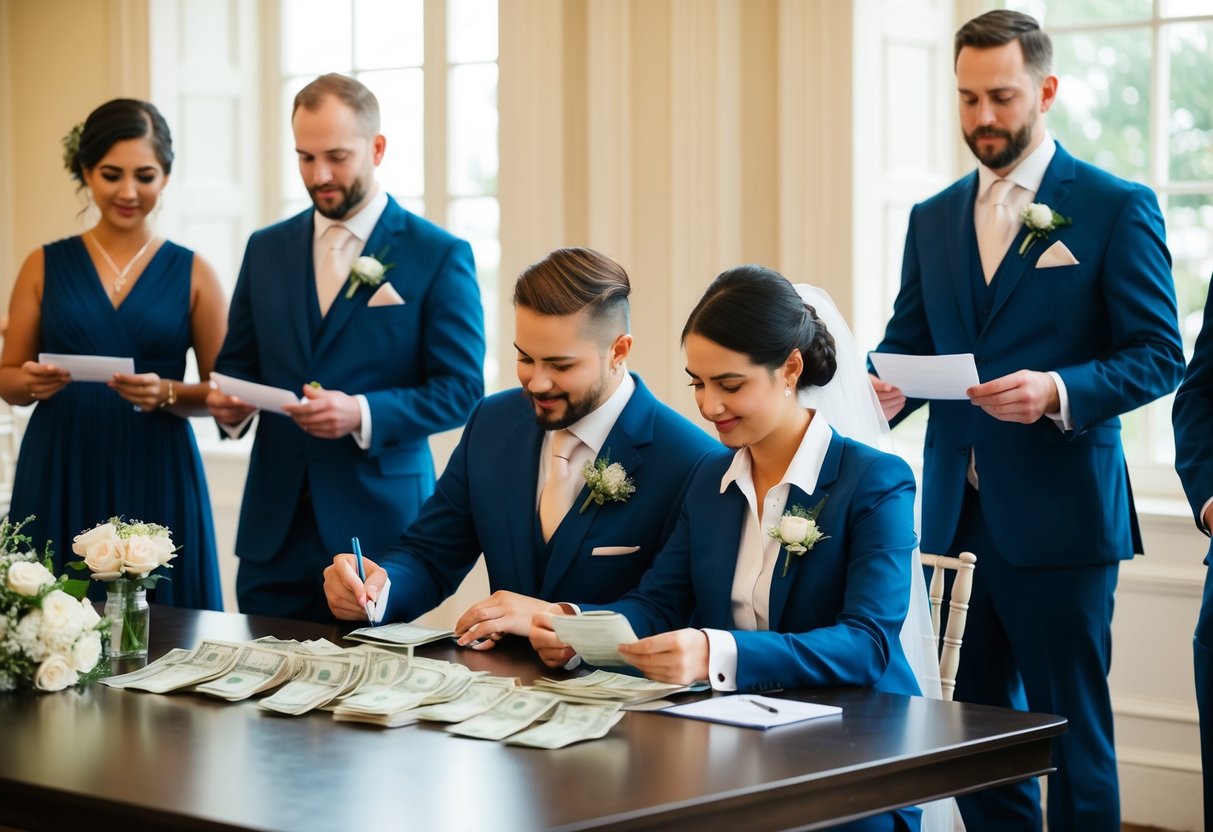
Traditionally, the bride’s family took on a large portion of the expenses, but that’s changed with modern weddings. Today, couples frequently share the financial responsibilities. This trend allows you to have more control over your celebration and ensures that it feels personal and reflective of your style.
As you plan, consider various ways to fund your wedding. From savings to creative budgeting, every little bit helps. Exploring these options can lead to a beautiful day without overwhelming debt.
Understanding Wedding Finances

Managing wedding finances can be tricky. Knowing who pays for what, setting financial goals, and understanding average costs can help you plan better and reduce stress as you prepare for your big day.
Who Pays for the Wedding?
Traditionally, the bride’s family pays for most wedding expenses. This includes costs like the venue, catering, and floral arrangements. The groom’s family typically covers the rehearsal dinner and the honeymoon.
However, many modern couples choose to share these costs. You might find that couples decide to pay for their wedding together, using a mix of personal savings and contributions from family. It’s important to have open and honest discussions with all parties involved about financial responsibilities to avoid misunderstandings.
Setting Realistic Financial Goals
Start by determining a budget that works for you. This means looking at your savings, potential family contributions, and how much you can afford without going into debt.
You might want to create a list of all possible expenses, including venues, catering, decorations, photography, and attire. Categorize these costs into “must-haves” and “nice-to-haves.” This approach helps prioritize your spending, ensuring that your most important elements fit your financial goals.
Average Cost of a Wedding
Wedding costs can vary widely depending on location, guest count, and personal choices. As of recent data, the average cost of a wedding in the U.S. is around $30,000. However, this number can go up or down significantly.
Here’s a simple breakdown of common wedding expenses you might encounter:
- Venue: 30-50% of the budget
- Catering: 20-30%
- Photography/Videography: 10-15%
- Flowers and Decor: 10-15%
- Attire: 5-10%
Understanding these averages can help you allocate your budget effectively. Make sure to account for additional costs like taxes and tips when planning your wedding finances.
Creating a Wedding Budget

When planning your wedding, creating a budget is one of the most important steps. Knowing how to distribute your funds can make a big difference in managing wedding expenses effectively. Here are key areas to focus on.
Allocating Funds for Major Expenses
Start by identifying major wedding expenses. Common categories include the venue, catering, attire, and photography. It’s helpful to break down your costs into percentages based on priority.
For example:
- Venue: 30%
- Catering: 25%
- Photography: 10%
- Attire: 10%
- Other Expenses (decor, entertainment, etc.): 25%
You can adjust these numbers based on your preferences and overall budget. Remember to account for unexpected costs, which can easily arise during planning.
Considerations for Wedding Loans and Credit Cards
If you find your budget tight, wedding loans and credit cards may help cover expenses. Before diving in, it’s essential to explore all options carefully.
Loans can provide a lump sum with fixed monthly payments. Make sure to check interest rates and terms to avoid falling into debt.
Using a credit card may offer rewards points but comes with high-interest rates. Always calculate how much you’ll repay monthly and try to pay off the balance quickly to avoid excess interest.
The Importance of a Wedding Spreadsheet
A wedding spreadsheet can help you keep track of your budget. It’s a simple tool that allows you to list all your expenses and incomes in one place.
Make columns for:
- Item Description
- Estimated Cost
- Actual Cost
- Payment Status
This will allow you to see where your money is going and adjust your budget as needed. Regularly updating your spreadsheet can help prevent overspending.
Staying organized ensures a smoother planning process and helps you stick to your budget while enjoying your special day.
Specific Costs of a Wedding

Weddings come with various costs that you should consider when planning. Understanding these expenses can help you set a budget and make informed decisions. Here are some key areas you will likely encounter.
Venue and Catering
The wedding venue is often one of the most significant expenses. You need to choose a location that fits your style and guest list. Popular options include banquet halls, gardens, and beaches.
On average, venue costs can range from $3,000 to $12,000. Make sure to ask about extra fees, such as service charges or cleaning costs.
Catering is another major expense. You can choose between a buffet, plated dinner, or food stations. Prices can vary greatly, ranging from $30 to $150 per guest. Don’t forget to consider the cost of beverages, including alcohol, which can add even more to your catering budget.
Attire and Rings
Wedding attire includes the wedding dress, groom’s suit, and outfits for the bridal party. Dresses can cost anywhere from $500 to $5,000 or more, depending on the designer and details.
Grooms typically spend less, generally ranging from $200 to $1,000. Rental options can save money, too.
You should also factor in the cost of wedding rings, which can vary widely based on material and design. Expect to spend about $1,000 for both rings combined, but high-end options may reach $5,000 or more.
Flowers, Decor, and Cake
Flowers and decor can significantly enhance the wedding atmosphere. Wedding flowers, including bouquets and centerpieces, typically cost between $1,500 and $5,000. Choosing seasonal flowers can help lower costs.
Then, there’s the wedding cake. Classic options start around $300 and can go up to $1,000 or more, depending on size and complexity. Don’t forget to discuss flavors and designs with your baker to ensure it fits your theme.
Additional decorations like lighting and linens can also add to your budget. Plan for at least $500 to $2,000 for decor, depending on your tastes.
Photography and Entertainment
Capturing your special day is crucial, so hiring a good photographer is key. Expect to pay between $1,500 and $5,000 for professional wedding photography.
Consider the inclusion of an engagement shoot in the package to save on costs.
Entertainment options range from DJs to live bands. A DJ can cost about $1,000, while live bands generally start around $2,500 and can go up from there. Make sure to check reviews and ask for samples of their work to ensure a great experience.
Celebrations and Pre-Wedding Events
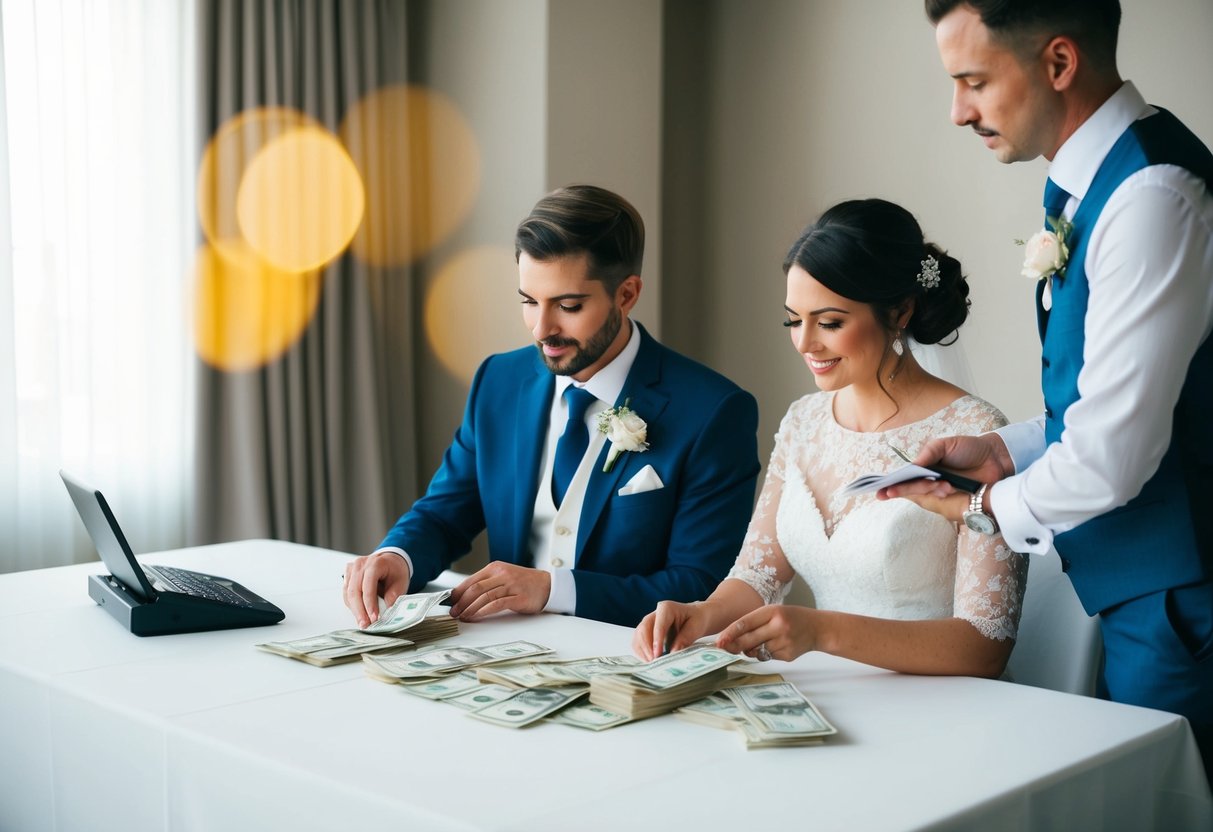
Planning for your wedding includes special events and celebrations before the big day. These gatherings set the tone for your wedding, making them enjoyable and memorable for you and your guests.
Engagement Party and Bridal Shower
An engagement party marks the beginning of your wedding celebrations. This event often happens shortly after you get engaged. It can be casual or formal, depending on your style. You may invite close family and friends to share your joy.
The bridal shower is another important celebration. Typically hosted by friends or family, it focuses on gifting practical items for your new life. Invitations can be fun and themed to reflect the couple’s interests. Gifts may include kitchenware, home items, or personal gifts. In both cases, it’s common for the couple to express gratitude with wedding party gifts.
Rehearsal Dinner and Parties
The rehearsal dinner takes place the night before your wedding. This gathering usually includes your wedding party and close family. It’s a time to relax and enjoy a meal together. You can thank everyone for their support and love leading up to your special day.
Other pre-wedding parties might include a cocktail party or a brunch. These allow you and your partner to connect with guests before the wedding. Remember, each celebration is an opportunity to send out wedding invitations that set the tone for your events. Each occasion brings you closer together and to your loved ones.