
How Do Guests Know Where to Sit at a Wedding? Tips for Organizing a Smooth Seating Plan
When you arrive at a wedding, you might find it unclear where to sit, especially if you don’t know many people. Most guests find their seats by referring to a seating chart, which is usually placed near the entrance of the reception. This chart lists the table assignments and helps everyone know where they belong.
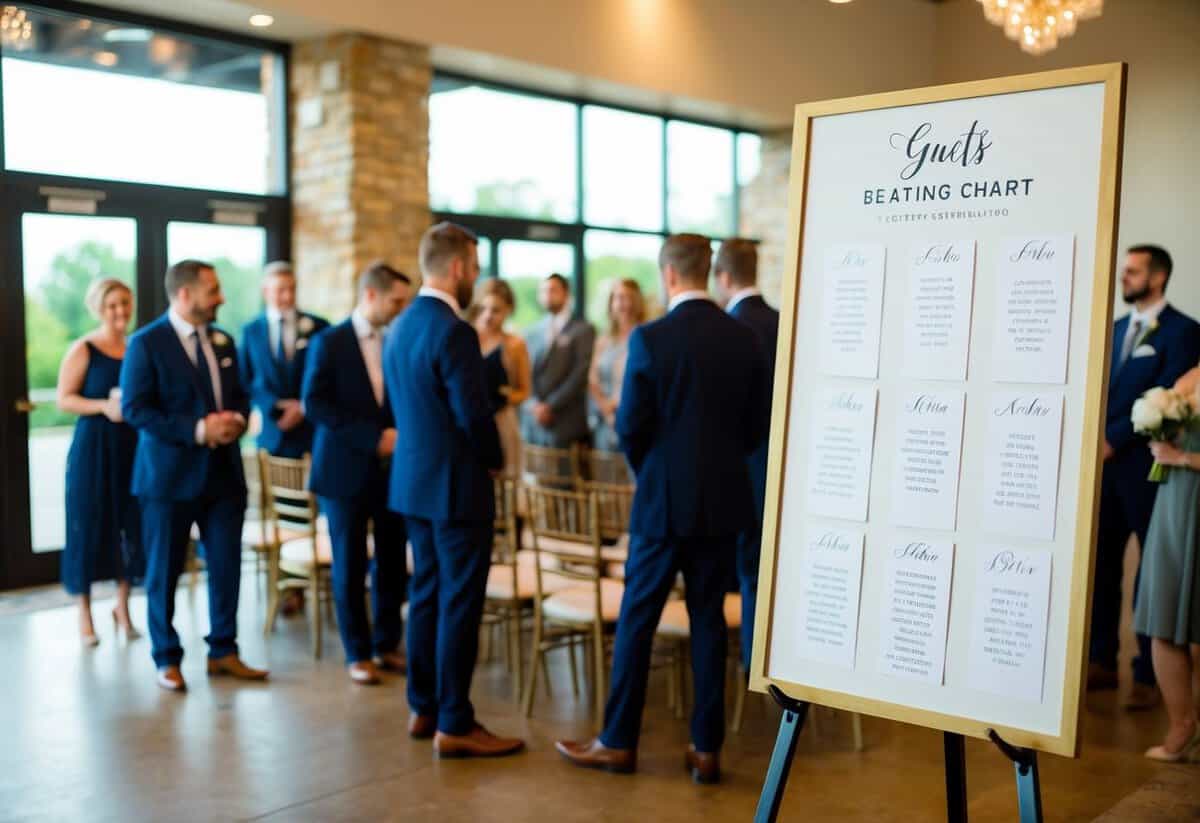
The seating arrangement is an important part of the planning process for couples. They want to make sure that their loved ones are seated comfortably, fostering connections among friends and family.
Along with the seating chart, some weddings also have place cards at each table, guiding you to your assigned seat and adding a personal touch to the event.
By keeping these methods in mind, you can easily navigate the reception seating and enjoy the celebration without any confusion. Knowing where to go will allow you to focus on celebrating the couple and mingling with other guests.
Understanding Wedding Seating Etiquette
Knowing how guests are seated at a wedding helps everything run smoothly. Proper seating etiquette and the role of ushers are essential parts of making sure everyone is comfortable and enjoys the celebration.
The Basics of Seating Arrangements
When planning seating arrangements, start with your guest list. Identify family members and friends. Grouping them together can create a friendly atmosphere.
Consider creating a seating chart. This chart helps guests find their designated spots easily. Place the chart at the venue’s entrance, where it’s easy to see.
Keep in mind common seating etiquette rules. For example, avoid seating ex-partners near each other. Make sure guests with special needs are close to exits or restrooms.
Also, think about mixing guests. It’s good to mix different social circles. This encourages conversations and fun interactions as guests get to know one another.
Role of Ushers in Seating
Ushers play a vital role in guiding guests to their seats. They are often familiar faces, like friends or family, making guests feel more welcome.
Assign ushers specific areas or rows to oversee. This way, they can direct people efficiently, keeping things organized.
It’s helpful for them to have a copy of the seating chart to assist in locating guests’ seats.
Ushers can also answer questions. If someone feels unsure about where to sit, they can lend a hand. A friendly usher makes the experience smoother and more enjoyable for everyone.
Types of Wedding Seating Configurations
Choosing the right seating configuration for your wedding can help create a fun and inviting atmosphere. Different table shapes and special tables can impact how guests interact and enjoy the celebration.
Pros and Cons of Table Shapes
When selecting table shapes, consider the benefits and drawbacks of each. Round tables are popular because they promote conversation and are often easier to fit into various spaces. They typically seat 8-10 guests, allowing everyone to engage with one another.
Rectangular tables can create a more formal vibe and may accommodate larger groups, seating 6-8 per table. They also allow for a more structured seating arrangement, which is vital for coordinating guests. However, guests at the ends may feel isolated from those at the opposite end.
You might also consider a combination of both types to maximize space and create a dynamic look.
Special Tables: Head, Sweetheart, and Family
Special tables add a unique touch to your wedding setup. The head table is typically where you and your partner, along with close family or the wedding party, sit. This table stands out and often has a better view of the event.
A sweetheart table is an intimate choice for just you and your partner. It can be smaller, allowing for a cozy atmosphere while still being visible to guests. Many couples enjoy this option as it invites direct attention from everyone else.
Additionally, creating a kids’ table can be a fun way to keep younger guests entertained. By seating children together, you provide them with their own space to play and enjoy the celebration, which can make for a smoother event for everyone.
Creating a Seating Chart
Designing a wedding seating chart involves careful planning and consideration. You want your guests to feel comfortable and enjoy their time at your reception. Here’s how to create a seamless seating experience.
Steps to Design a Functional Seating Chart
Start by listing all your guests and grouping them based on relationships or comfort levels. Consider family dynamics and friendships when making these groups. Placing guests near those they know can encourage conversations and enjoyment.
Next, choose a layout for your seating chart. You might opt for an electronic chart or a traditional physical one. Make it clear and easy to read. Display it where guests can see it right as they enter.
Once your table assignments are ready, number the tables so guests can find their seats easily. Tables should be arranged for easy movement. This helps guests mingle without feeling crowded.
Incorporating RSVPs into Table Assignments
RSVPs play a crucial role in finalizing your wedding seating chart. Keep track of who is attending and who can’t make it.
A handy tool is a spreadsheet that includes guest names, their responses, and their assigned tables.
When assigning seats, consider the guests who RSVP’d together. This helps you place friends or family in the same area. For instance, couples can sit together, while families should be grouped for convenience.
In cases of unexpected guests, be flexible. Have a few extra seats reserved to accommodate changes. Clear communication about seating—like displaying the seating chart prominently—will ensure everyone knows where to go.
Seating Logistics on the Wedding Day
Understanding how guests will find their seats can make the wedding day smoother for everyone. The approach you choose will impact the experience, whether it involves assigned seating, open seating, or reserved areas for special guests.
Navigating Assigned Seating with Place and Escort Cards
If you opt for assigned seating, it’s helpful to use both place cards and escort cards. Place cards show the exact spot at the table for each guest. Escort cards, on the other hand, guide guests to their designated table without naming specific seats.
Make sure to display the escort cards at a central location as guests arrive. You might want to organize them alphabetically for easy access.
To enhance the experience, consider adding personal touches like small notes or treats at each place setting. This helps guests feel valued and welcomed.
Dealing with Open Seating and Reserved Seating
Open seating can create a relaxed vibe. It allows guests to choose where they want to sit. However, it may lead to confusion if your event is large.
If you prefer a structured approach, think about reserved seating for family or special guests. You can mark these spots clearly with signs or table labels.
If you have honored guests, placing them at tables near the front can let them feel appreciated. Consider grouping guests with shared interests or relationships to promote easy conversation.
Whichever method you choose, clear signage and thoughtful arrangements can make a big difference on your wedding day.