
How Do I Become a Successful Event Planner? Tips and Strategies for Your Journey
Becoming a successful event planner is both exciting and rewarding. You have the opportunity to create memorable experiences for others while putting your skills to the test.
To thrive in this field, focus on developing strong organizational skills, gaining relevant experience, and building a network of contacts.

If you’re wondering where to begin, volunteering for local events or working with established planners can provide valuable hands-on experience. This helps you understand the intricacies of planning and managing events.
As you progress, consider formal education or certification programs. These can give you an edge in a competitive job market. With dedication and the right steps, you can turn your passion for planning into a successful career.
Getting Started in Event Planning

Starting a career in event planning involves understanding the role, exploring educational options, and gaining hands-on experience. Each of these steps provides a solid foundation for building a successful career.
Understanding the Role of an Event Planner
An event planner is responsible for coordinating all parts of an event. This can include designing the event layout, selecting venues, and managing budgets.
Your job is to ensure everything runs smoothly from start to finish.
Effective communication and organization are key skills in this field. You’ll work with various vendors, including caterers, decorators, and venues. Being detail-oriented is crucial.
You should also be prepared for various challenges, such as last-minute changes. Flexibility and creativity can help you find quick solutions. Overall, your goal is to create memorable experiences for clients and guests.
Educational Paths and Certifications
While a bachelor’s degree can be helpful, it is not always necessary. Many successful event planners come from various educational backgrounds.
Consider taking event planning courses to gain essential knowledge.
Certification options like Certified Meeting Professional (CMP) or Certified Event Planning Specialist (CEPS) can enhance your credentials. These certifications show potential employers you are committed and knowledgeable.
An event planning certification can open doors to job opportunities and give you an edge over competitors. Look for programs that fit your goals and interests. They can provide you with valuable insights into the industry and practical skills.
Building a Foundation with Internships and Volunteering
Internships and volunteering provide important hands-on experience. They allow you to work alongside experienced professionals and learn the ins and outs of event planning.
You might start by volunteering for local nonprofits or small events. This can help you build a network and gain references, which are important when starting your career.
Consider applying for internships with established event planners or companies. These opportunities can offer you practical experience and a chance to observe different planning styles.
Every experience counts, and they can lead to job offers or recommendations in the future. Building a strong foundation early on is key to your success in this field.
Mastering Essential Skills and Building a Portfolio
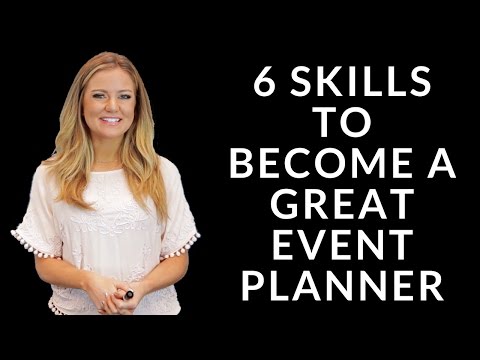
Becoming a successful event planner involves honing specific skills and creating a strong portfolio. These aspects are crucial for your growth in the industry.
Developing Key Event Planning Skills
To thrive in event planning, focus on key skills like creativity, organization, and communication.
Creativity helps you design unique events that leave lasting impressions. Improving your organizational skills ensures every detail is managed, from timelines to budgets.
Also, strong communication skills are essential for working with clients, vendors, and venues.
Attention to detail is critical, as small mistakes can impact an event’s success. Lastly, enhance your problem-solving skills, which will prepare you to handle unexpected challenges that arise during planning.
Creating an Impressive Portfolio
Your portfolio is a visual representation of your work and skills. Start by documenting each event you plan, showcasing photos, timelines, and feedback.
Include a variety of events—weddings, corporate gatherings, and more—to demonstrate your versatility.
Make sure your portfolio highlights your organizational skills and attention to detail. Use clear layouts and descriptive text to explain your role in each event. Consider including client testimonials to reinforce your credibility.
An engaging online presence, such as a dedicated website or social media profiles, can attract clients and showcase your work effectively.
Effective Networking and Personal Branding
Building a network is essential for your event planning career. Attend industry events, trade shows, and local meetups to connect with other professionals.
Join local business groups or online forums related to event planning to create networking opportunities.
Personal branding is about presenting yourself as a skilled professional. Use consistent messaging on your website and social media platforms to reflect your style and expertise.
Share your experiences, tips, and successes regularly to engage your audience and establish yourself as an authority in the field. This will help you attract clients and collaborators and boost your reputation in the industry.
Growing Your Event Planning Business

Building your event planning business requires careful attention to budgeting, effective marketing, and an expansion of your services. These elements are crucial for your success and help you serve your clients better.
Budgeting and Vendor Management
Creating a budget is the foundation of every successful event. Start by listing all potential expenses, including venue costs, catering, decorations, and entertainment.
Once you have a budget in place, it’s time to find the right vendors.
Research and reach out to various vendors such as caterers, florists, and audio-visual suppliers. Building strong relationships with reliable vendors can lead to better pricing and service.
Consider creating a vendor checklist that includes contact information, services offered, and previous work examples. This will streamline your planning process and help keep all details organized.
Marketing Strategies for Event Planners
Marketing is key to attracting clients.
Start with a solid business plan outlining your target market and unique value. Use social media platforms to showcase your event designs and share client testimonials.
Networking is also essential. Attend local events, trade shows, and industry meetups to connect with potential clients and other professionals.
Consider offering promotions or discounts for first-time clients to build your portfolio.
Email marketing can help keep past clients engaged. Send updates about your services, special events, or helpful tips about event planning.
Expanding Your Event Types and Services
As your business grows, think about broadening your service offerings. You might start with wedding planning, but consider also planning corporate events, team-building events, and even virtual events. This diversity can attract a wider range of clients.
Think about integrating guest speakers into corporate events or offering customized packages for different types of events.
Offering additional services such as event design can increase your value. Create comprehensive service packages that include planning, design, and post-event feedback. This gives clients a one-stop-shop experience and enhances customer satisfaction.