
How Do I Become a Wedding Officiant in the USA? A Step-by-Step Guide
Becoming a wedding officiant in the USA can be an exciting and fulfilling journey. Typically, you need to get ordained to start. You can do this easily online through various organizations. Once you are ordained, it’s important to check the specific requirements for your state. Some locations may require registration or additional credentials.
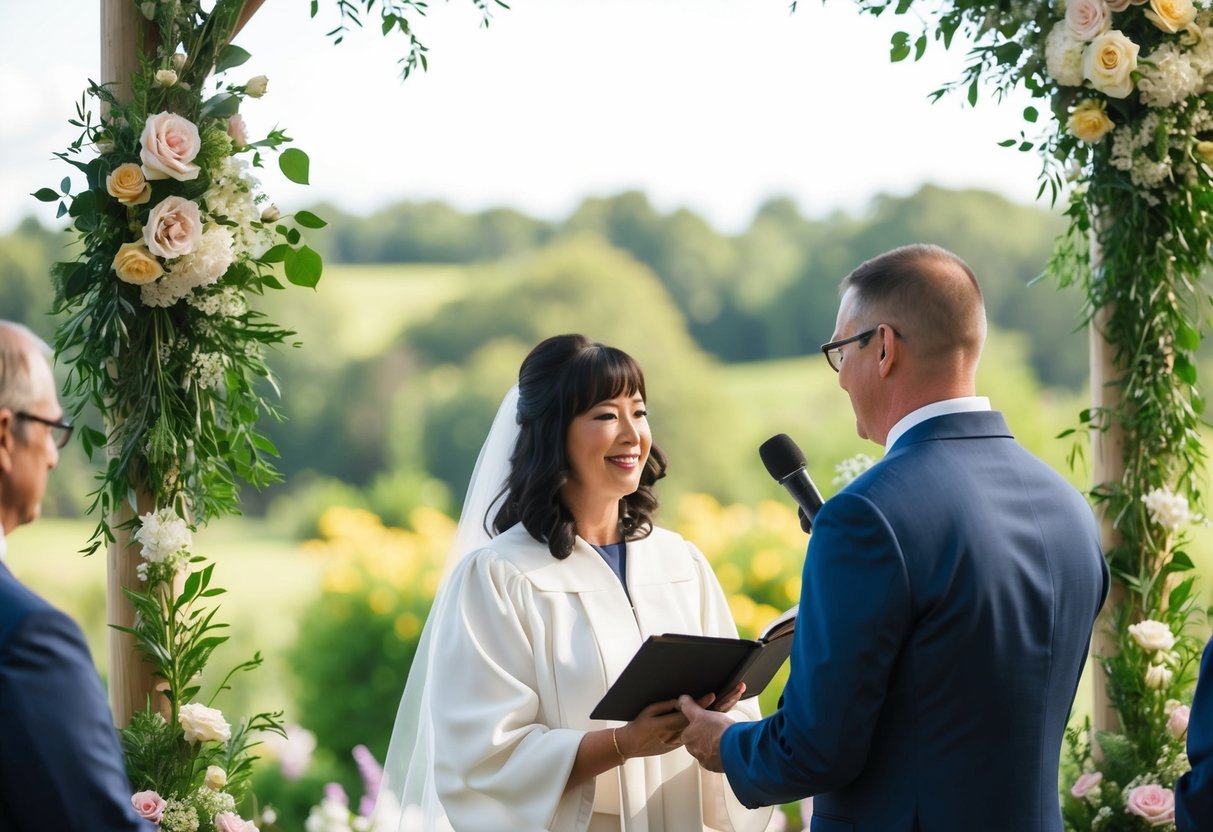
As an officiant, you’ll play a vital role in wedding ceremonies, guiding couples through their vows and creating memorable moments. Whether you’re a close friend or a family member of the couple, having the ability to officiate gives you the unique opportunity to be part of one of the most significant days in their lives.
With the right preparation and understanding of your responsibilities, you can embark on this rewarding path. So, if you’re ready to help couples celebrate their love, let’s dive into the steps you need to take to become a wedding officiant!
Understanding Legal Requirements and State Regulations
Before you can officiate weddings, it’s important to know the legal landscape. Each state has its own rules about who can marry couples. Understanding marriage laws and how to get legally ordained will put you on the right track to becoming a successful officiant.
Exploring Marriage Laws
Every state in the U.S. has specific marriage laws. These laws determine what qualifications a wedding officiant needs. Generally, you must be legally ordained to solemnize a marriage. States may also require you to meet certain criteria, such as age, residency, or membership in a religious group.
To find out what’s required in your state, visit official state websites or legal resources. For example, some states, like New York, are more flexible, allowing different types of officiants, while others may have stricter requirements. Always double-check local regulations, as they can vary by county or city, too.
Online Ordination and Religious Organizations
Getting ordained online is a popular way to become a wedding officiant. Organizations like the American Marriage Ministries offer free ordination. This ordination is often recognized across most states.
However, it’s essential to ensure that the online service you choose is valid in your state. Some states are more particular about religious organizations. They may require that you be affiliated with a church or nonprofit to perform ceremonies. Always look for reviews and check the credibility of the organization.
Registering With the State
In many states, you need to register with a local government office to perform legal marriages. This might include submitting your credentials or a copy of your ordination certificate. Some states also require you to fill out a form or pay a fee.
After performing a wedding, you must file the marriage license with the appropriate county office. This ensures that the marriage is legally recognized. Always check local laws for details about filing procedures and deadlines to avoid any issues with legality.
The Ordination Process and Getting Ordained
Getting ordained is an important step for you if you want to officiate weddings. You have options to choose from, like traditional or online ordination services. Both paths can lead you to become a wedding officiant, so understanding the differences helps you make the right choice.
Traditional and Online Ordination Services
Traditional ordination often involves a more formal process through established religious bodies. This can include attending classes or meetings, gaining approval from clergy, and receiving a physical certificate of ordination after completion.
On the other hand, online ordination services have gained popularity for their simplicity. Many providers allow you to get ordained in just a few minutes. Websites like American Marriage Ministries offer free ordination processes that don’t require any religious affiliation. This option is convenient but ensure you check the legal requirements in your state.
Affiliation With Non-Denominational Churches or Clergy
If you prefer a non-traditional approach, you can get ordained through non-denominational churches. These organizations focus on spirituality without strict religious ties. They often provide online ordination services as well.
Many non-denominational groups offer resources and guidance for new officiants. You typically receive training, which can include how to conduct ceremonies, understand legal requirements, and connect with couples. Choosing this path may help you feel more aligned with the values and beliefs of the community you serve, while also giving you the flexibility to officiate weddings for various couples.
Preparing for the Role of a Wedding Officiant
Taking on the role of a wedding officiant means you’ll be guiding couples through an important moment in their lives. Preparing involves creating a unique ceremony script, managing rehearsals, and understanding the legal aspects of marriage.
Crafting a Personalized Ceremony Script
When writing a ceremony script, focus on the couple’s story. Ask them about their relationship, key moments, and what makes their bond special. Include personal vows and meaningful readings that reflect their values.
Key Components to Include:
- Introduction: A warm welcome introduces the couple.
- Vows: Personal vows make the moment significant.
- Rings: Mention the exchange of rings to symbolize commitment.
Keep the tone sincere and adapt the script to fit the couple’s style. A personalized ceremony resonates more with guests and creates lasting memories.
Handling Rehearsals and Unexpected Situations
Rehearsals are vital for ensuring everything goes smoothly on the big day. Schedule a rehearsal about a week before the ceremony. This allows everyone to practice their roles, including how to walk down the aisle and where to stand.
Be ready for unexpected situations. Bring extra copies of the script and have a backup plan for outdoor ceremonies in case of bad weather. Communicate clearly with all involved, from the couple to vendors, to ensure everyone is on the same page.
Understanding the Ceremony and Legal Marriage Process
You must know the legal requirements to perform a wedding. Check your state’s laws, as they vary. Often, a marriage license is required, and you may need to sign official documents after the ceremony.
Familiarize yourself with common wedding customs and the structure of a ceremony. This helps you guide the couple effectively. Understanding traditional elements, such as the significance of unity rituals, enhances the ceremony’s depth.
Launching Your Officiant Business
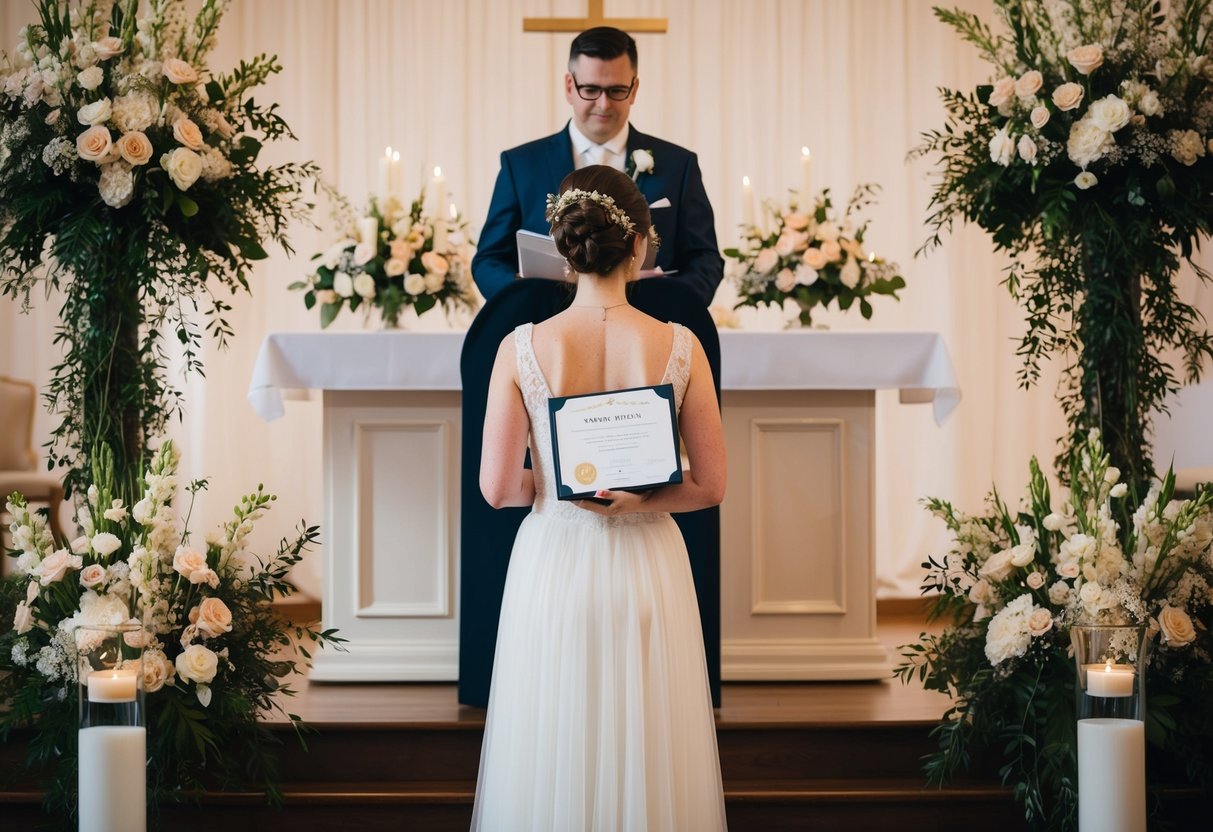
Starting your officiant business means establishing a strong online presence, marketing effectively, and setting clear expectations for your clients. You want your wedding officiant services to stand out and be easy for potential clients to find.
Building an Online Presence with a Professional Website
Creating a professional website is essential for your officiant business. Your website will serve as a digital business card and showcase your services. Include a clear breakdown of what you offer, such as personalized ceremonies, and highlight your experience.
Make sure to use high-quality images from past weddings to attract attention. Adding testimonials from happy couples builds trust. Consider including a blog where you share tips and wedding trends to engage visitors.
Your website should also have contact information and a simple inquiry form. This makes it easy for potential clients to reach out to you.
Marketing and Networking Within the Wedding Industry
Marketing is key to growing your officiant business. Start by joining local wedding groups and online forums where couples discuss their plans. Networking with other wedding vendors, like photographers and planners, can lead to referrals.
Focus on online marketing. Use social media platforms like Instagram and Facebook to showcase your work. Share beautiful moments from weddings you officiate. Utilize hashtags relevant to the wedding industry for greater visibility.
Don’t underestimate the power of word-of-mouth. Encourage satisfied couples to share your information. Offer referral discounts to clients who bring you new business.
Setting Client Expectations and Offering Professional Officiant Tips
Setting clear client expectations is vital for success. When couples contact you, explain your process and how you customize their ceremony. Discuss important details like the location, timing, and any special elements they want included.
Be upfront about your fees and services. Providing a detailed contract protects both of you.
Also, prepare for unexpected situations. Having a plan can help ease any last-minute surprises.
Share tips with your clients on how to create a meaningful ceremony.
Being responsive and attentive to your clients builds confidence. This helps ensure that their special day goes off without a hitch, enhancing your reputation as a professional wedding officiant.