
How Do I Choose a Bridal Color? Tips for Finding Your Perfect Wedding Hue
Choosing your bridal color can feel overwhelming, but it doesn’t have to be. To select the perfect color, consider your personal style, the season, and the overall theme of your wedding.
Think about what colors resonate with you and reflect your personality.
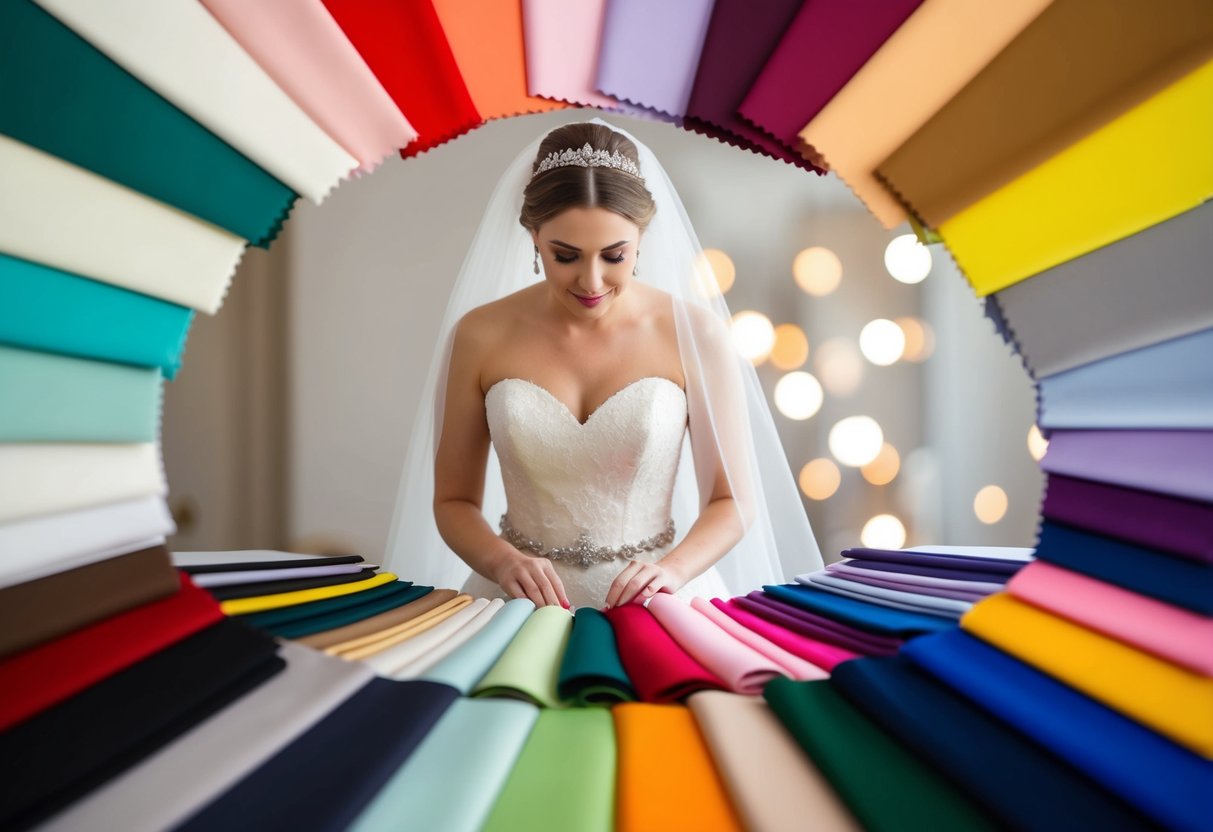
Your wedding color scheme will guide many design decisions, from flowers to table settings. By identifying your favorite shades and how they work with your wedding style, you can create a cohesive look that feels uniquely yours.
Don’t be afraid to draw inspiration from your surroundings. Whether you’re getting married in a lush garden or a chic urban venue, look to those elements to help shape your color choices. This thoughtful approach ensures your bridal color reflects both your vision and the atmosphere you want to create.
Understanding Color Theory and Wedding Seasons

Choosing the right bridal colors involves understanding color theory and how seasons influence color choices. Grasping these concepts helps create a beautiful and cohesive wedding palette.
Basics of Color Theory
Color theory is essential when picking your bridal colors. Start with the color wheel, which displays primary, secondary, and tertiary colors. Understanding this wheel helps you see how colors relate.
Complementary colors are opposite each other on the wheel, creating a vibrant contrast. For instance, pairing blue with orange can make your palette pop.
You can also explore analogous colors that sit next to each other, like blue, blue-green, and green. This combination creates a harmonious look. Using colors in different shades or tints can add depth and character to your wedding theme.
Seasonal Color Considerations
Each season brings its own unique colors, which can guide your choices.
For spring wedding colors, think of soft pastels like blush pink, light lavender, or mint green. These colors evoke freshness and new beginnings.
In summer, vibrant hues take center stage. Bright yellows, coral, and deep blues can complement the sunny atmosphere beautifully.
Fall wedding colors often include rich, warm tones such as burgundy, burnt orange, and gold. These colors reflect the changing leaves and create a cozy ambiance.
Finally, winter weddings can be enhanced with bold colors like emerald green, deep red, or icy shades of blue. These colors can bring elegance and festivity to your celebration.
Incorporating Your Personal Style and Venue
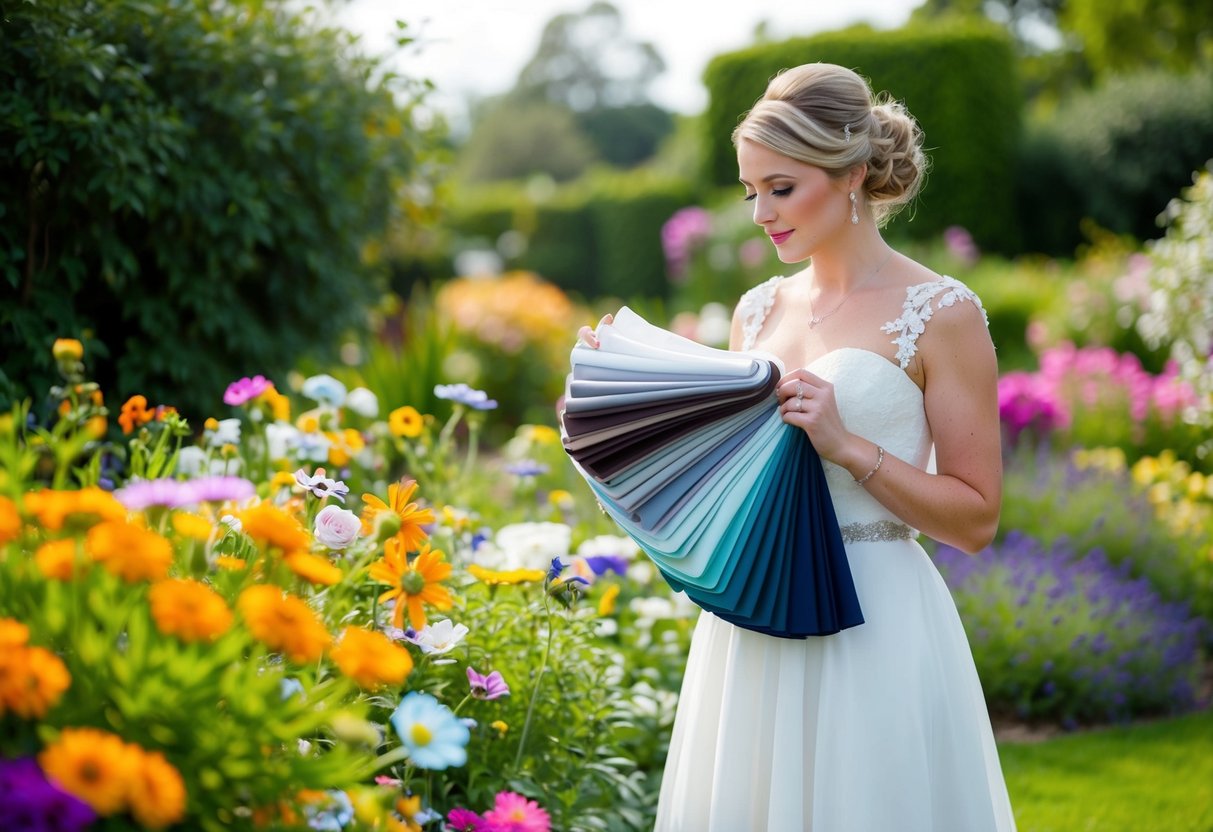
Choosing your bridal colors should reflect your unique personality and fit beautifully with your wedding venue. By combining your style with the setting, you can create a cohesive and stunning look for your big day.
Reflecting Your Personal Style
Your personal style is a great starting point for selecting wedding colors. Think about the colors you are naturally drawn to, whether that’s warm neutrals, bold jewel tones, or classic shades like navy blue.
Consider how these colors can be reflected in your dress, flowers, and decorations. If you love modern designs, you might choose sleek colors like whites and grays. If you prefer a more classic feel, you could go for soft pastels or even rich hues. Collaborating with a wedding planner can help you narrow down your options and find the perfect palette.
Complementing the Wedding Venue
Your wedding venue plays a significant role in color selection. Different settings offer unique characteristics that can guide your choices.
For instance, if your venue has a rustic feel, earthy tones like browns and greens can enhance the natural beauty of the space.
If you’re getting married in an elegant ballroom, consider using rich jewel tones to create a luxurious atmosphere. Neutral tones often work well in various settings, making them a versatile choice. Be sure to incorporate details that harmonize with architectural features so the colors flow seamlessly throughout your wedding day.
Selecting the Primary Color and Accent Tones
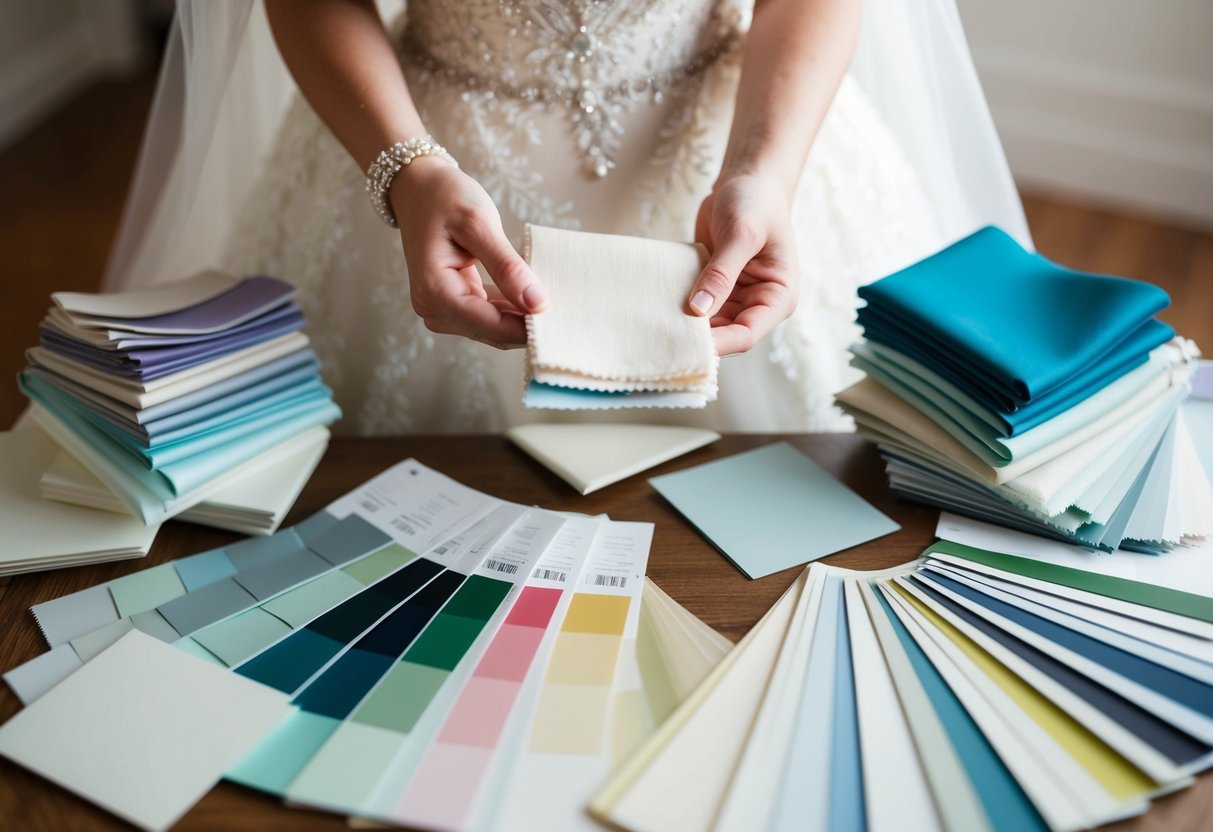
Choosing the right colors for your wedding can set the entire tone for your big day. You’ll want to select a strong base color and find complementary accent tones that enhance your style and theme.
Choosing Your Base Color
Your base color is the primary color that will appear most often at your wedding. This color should reflect your personality and match the season.
Popular choices include navy for a classic look, or blush pink for a romantic vibe. Consider how this color will look on larger elements, like tablecloths or bridesmaid dresses.
You can also balance bold colors with neutral shades like ivory or champagne. These tones can provide a soothing backdrop that allows your base color to shine.
Pairing with Accent Colors
Once you’ve selected your base color, it’s time to choose your accent colors. These are used in smaller details, like flowers and invitations.
Consider metallics like gold or silver for a touch of elegance. They pair wonderfully with many colors, adding a bit of sparkle. Also, incorporating deeper or lighter shades of your base color can create a cohesive look.
For example, if your base color is navy, accents of gold or soft blush can create a sophisticated feel. Make sure your accents enhance your base without overwhelming it, ensuring everything works together beautifully.
Creating a Cohesive Wedding Color Palette

Choosing the right colors for your wedding can set the mood and style of your big day. A well-thought-out palette can make your decorations, flowers, and linens come together beautifully.
Combining Colors for a Harmonious Look
Start by considering color combinations that complement each other. Use the color wheel as a tool. Colors that are next to each other, like blue and green, create a soothing look. On the other hand, opposites, like blue and orange, offer a striking contrast.
When picking your wedding palette, aim for three to five colors. For example:
- Main Color: This will dominate your scheme.
- Accent Colors: Choose two or three for details.
Try to visualize how these colors will work together. Think about how they’ll appear in your floral arrangements, linens, and even in the lighting at your wedding reception.
Using Color to Enhance Wedding Decor Elements
Each decor element plays a role in creating a cohesive look. For your centerpieces, choose flowers that match your main color. This will tie everything together beautifully.
Use colored linens that complement your palette for tables and chairs.
Don’t forget about lighting. The right lighting can highlight your wedding decorations and enhance the overall atmosphere.
Consider soft, warm colors to create intimacy or vibrant hues to energize the space.
You can also incorporate your colors in small details, like table settings or napkins.
Consistency across all elements, like wedding flowers and decor, will ensure your big day feels seamless and well-planned.