
How Do I Choose a Color Theme for My Wedding? Tips for a Beautiful Celebration
Choosing a color theme for your wedding can feel overwhelming, but it doesn’t have to be! Start by considering your personal style, the season, and your wedding venue. These factors will guide you toward colors that reflect your unique personality and will work well in your specific setting.
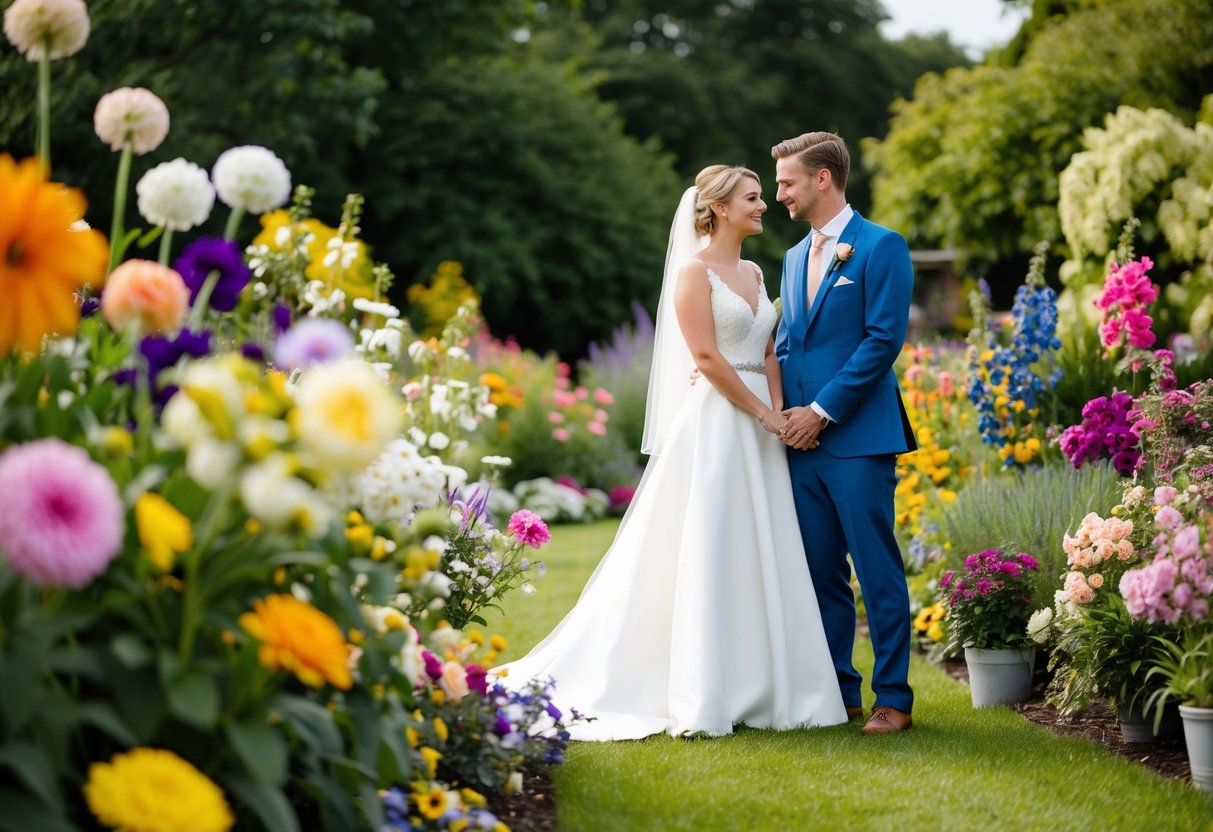
Don’t forget that your color palette will play a huge role in every aspect of your ceremony and reception. From the flowers to the decorations, everything should feel cohesive.
Think about how you can incorporate your chosen colors into your wedding party’s attire and other details, creating a beautiful and harmonious look.
As you explore different palettes, allow yourself to have fun and experiment. Consider using tools like color wheels or generators to help visualize your ideas. This process is an essential step in making your wedding day truly unforgettable!
Understanding Color Theory and Wedding Styles
Choosing a color theme for your wedding involves understanding color theory and how it relates to your wedding style. Knowing the basics can help create a beautiful and cohesive look that fits your vision.
The Basics of Color Theory
Color theory is an important tool in design, including weddings. You start with the color wheel, which shows how colors relate to each other. There are primary colors (red, blue, yellow) and secondary colors (green, orange, purple) formed by mixing primary colors.
One way to enhance your color scheme is through complementary colors. These are colors that are opposite each other on the wheel, like navy blue and peach. This contrast can add vibrancy to your palette.
Consider using a color palette that includes shades of neutral tones or jewel tones to create depth. For instance, navy blue paired with sage brings a sophisticated and calming vibe, while vibrant jewel tones can create an exciting atmosphere.
Incorporating Wedding Styles and Themes
Your wedding style and theme will shape your choice of colors. If you’re going for a rustic look, earthy neutral tones like cream and soft green can fit well. For a classic theme, consider elegant colors like navy blue, gold, and ivory.
Each season also influences color choices. In spring, soft pastels like mint and blush are popular. For fall weddings, deeper hues such as burgundy and evergreen shine.
Don’t forget to reflect your personal style. Whether you prefer modern, bohemian, or traditional themes, integrating your favorite colors will make your wedding feel uniquely yours.
Always keep harmony in mind while mixing colors to maintain a cohesive look throughout your decorations, attire, and floral arrangements.
Selecting Your Wedding Color Palette
Choosing your wedding color palette is a fun and important task. Your colors will set the mood for your big day. They will guide everything from invitations to decorations. Here’s how to create a beautiful palette that reflects your style and suits your venue.
Starting with a Base Color
Begin by selecting a base color that resonates with you. This color will serve as the foundation of your palette.
Think about your personal style and the emotions you want to evoke. If you love tranquil vibes, consider soft blues or greens. If you prefer something vibrant, think about deep reds or bold blues.
You can draw inspiration from various sources. Pinterest and wedding magazines often feature trending colors. For a unique touch, consult the Pantone Color of the Year for fresh ideas. This choice will influence your wedding attire, flowers, and decor, so take your time.
Choosing Accent and Complementary Colors
Once you have your base color, it’s time to choose accent and complementary colors. These can be lighter or darker shades of your base color. You want to create a harmonious look.
Consider using a color wheel as a guide. Colors that are opposite each other, like blue and orange, can create a striking contrast. Alternatively, analogous colors, which are next to each other on the wheel, can create a soft, cohesive feel.
Pastel weddings are popular, combining soft shades like blush with light gold or cream. Think about how these colors will appear in your floral arrangements and table settings.
Considering Venue and Seasonality
Your wedding venue and the season can greatly influence your color choices. A bright outdoor venue may call for lively colors, while an elegant indoor setting might work better with richer tones.
Seasonality is also key. Spring offers pastel palettes, while fall brings richer hues like burnt orange and deep red.
Make sure your colors complement your venue’s existing decor. If you’re in a garden, lighter and natural colors will blend well. In contrast, a modern indoor space might suit bold and dramatic colors.
By combining these aspects, you can create a stunning wedding color palette that reflects your unique style and enhances your special day.
Coordinating Your Color Choices with Wedding Elements
Choosing a color theme for your wedding is an exciting step. It’s important that your color choices work well with various elements of your big day. This section will cover how to coordinate your color scheme with attire, decor, stationery, and more.
Wedding Attire and Party Coordination
When selecting a color palette, start with your wedding attire. Your dress, bridesmaid dresses, and groomsmen suits should all complement the chosen colors. If you opt for a bold shade, use softer tones for bridesmaids to balance the look.
For example, if your palette features navy blue, blush pink can highlight the navy beautifully.
Discuss options that fit your theme with your wedding planner to ensure a cohesive appearance. The outfits of the wedding party should mirror your style, enhancing the overall ambiance.
Decor and Floral Arrangements
Your decor plays a vital role in expressing your wedding color scheme. Consider how table linens, centerpieces, and other elements will harmonize with your theme.
Seek out floral arrangements that incorporate your color choices.
For instance, if you choose an earth-toned palette, use flowers like rust-colored chrysanthemums or beige roses. Garden-inspired arrangements can also soften bold colors. This approach ties your floral designs into the overall decor, creating a unified look.
Wedding Stationery and Signage
Wedding stationery is another key area to showcase your color theme. From your save the dates to the invitations, using a consistent color palette will create a polished look.
Coordinate your stationery with the decor colors for a seamless transition.
Consider using different shades for various pieces. For example, rich green on the invitations can contrast beautifully with a cream background. Adding color to your signage can further engage guests and ensure they feel welcomed.
Cake Design and Table Settings
The cake design is an essential feature at any wedding. Your cake should reflect your color choices too.
Consider delicate touches like floral accents or frosting colors that match your theme.
For example, if you have a soft pastel theme, a cake decorated with pale pink flowers and mint green frosting can be stunning.
Additionally, your table settings, including napkins and plates, should tie back into your wedding palette. This continuity from the cake to the tables helps to create a charming and cohesive wedding experience.
Executing Your Color Vision
Bringing your color theme to life involves careful coordination with vendors and a clear visualization of your wedding day.
By effectively communicating your color palette to everyone involved, you can ensure a cohesive and beautiful event.
Working with Vendors and Planners
When you begin working with vendors, share your specific color vision. This includes detailing your main colors and any accent shades.
For example, if you choose a base of dusty blue and soft greens, let them know how you want these colors to play out in flowers, linens, and decor.
Create a color swatch book by printing samples of your chosen colors. This helps in discussions with florists, decorators, and planners.
Share your inspirations, such as navy, mauve, or pretty pastels, to give them a clear sense of your style.
Connect with your planner or coordinator to build a cohesive theme. They can provide advice on color combinations that will complement each season. For a spring wedding, consider bringing in fresh sunflowers or soft pastels. In fall, earth tones and deep hues like burgundy can add warmth.
Visualizing the Wedding Day
To truly visualize your wedding day, imagine each key element using your color palette. Picture the ceremony setup. What flowers, linens, and decorations will you use?
For instance, if you envision fuchsia and bright coral as accent shades, think about how they will pop against brown or gray backgrounds.
Use digital tools or mood boards to compile photos and inspiration. This will help you see how different colors interact, especially in various lighting.
You might choose to incorporate French blue in your invitations and reception decor to tie it all together.
Also, consider your wedding attire. How will your colors carry through? Will bridesmaids wear dresses that complement your vision?
By planning diligently, you can create a stunning visual that reflects your personal preferences and your wedding vision.