
How Do I Choose a Wedding DJ UK? Essential Tips for Your Special Day
Choosing the right wedding DJ in the UK can feel overwhelming, but it doesn’t have to be. Start by considering your musical tastes and the atmosphere you want for your special day. A good DJ can elevate your reception, keeping your guests entertained and the dance floor packed.

During the wedding planning process, think about the vibe you wish to create. Are you looking for a lively party, a romantic setting, or something else? Knowing your vision helps you find a DJ who aligns with your style.
Don’t hesitate to ask potential DJs about their experience and playlists to ensure they fit your expectations.
Involving your DJ in the planning can make a big difference. Share your favorite songs, and let them know what makes you and your guests want to dance. By focusing on the details that matter most to you, you’ll ensure a memorable wedding celebration that everyone will enjoy!
Assessing Wedding DJ Experience and Expertise
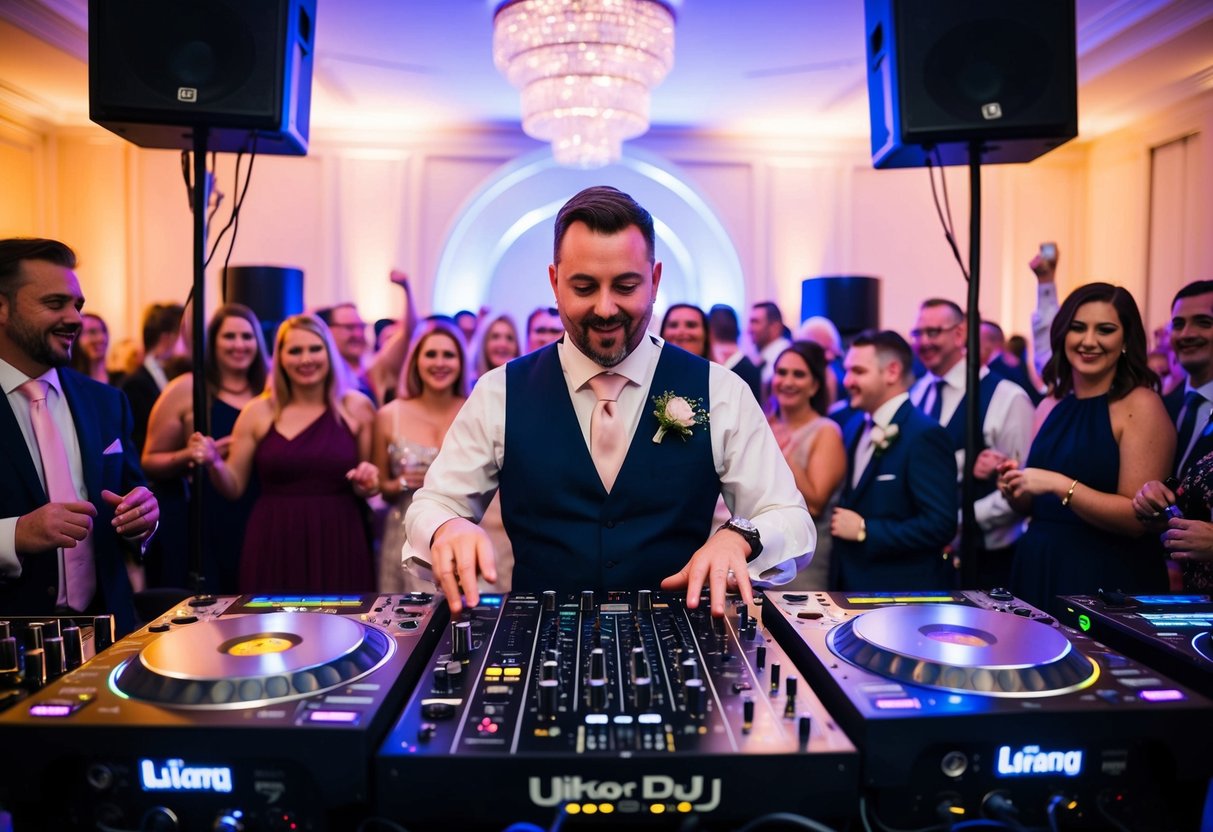
Choosing the right wedding DJ is essential for your special day. It’s important to look at their experience and expertise to ensure a smooth and enjoyable event. Here are some key areas to consider.
Understanding the Role of a Wedding DJ
A wedding DJ is more than just a music player. They set the mood and keep the energy up throughout the event. Experienced DJs know how to read the crowd and select songs that fit the vibe.
They also manage the flow of the evening, coordinating with other vendors, like the photographer and venue staff. Make sure your DJ has experience with weddings specifically. Ask them about the types of events they have worked on before. This will help you gauge their ability to handle the unique challenges of a wedding.
Evaluating Professionalism and Personality
Professionalism is key when selecting a wedding DJ. You want someone who is punctual and dresses appropriately for the occasion. They should also have solid communication skills, keeping you informed throughout the planning process.
Personality matters too. A friendly and engaging DJ can make a big difference in how comfortable you and your guests feel.
During initial meetings, trust your instincts. If you feel a connection and the DJ is enthusiastic about your vision, that’s a good sign.
Ask about their approach to handling unexpected situations. This shows their ability to adapt and remain calm under pressure.
Checking References and Reviews
Before making your final decision, check references and reviews. Reach out to couples who have worked with the DJ you’re considering. Ask about their experiences regarding the DJ’s music selection, professionalism, and how they handled the event.
Look for online reviews on trusted websites. These will give you an idea of others’ experiences with the DJ. Pay attention to comments about their communication, reliability, and ability to engage guests.
Taking these steps will give you a clearer picture of their capabilities. It’s important to feel confident in your choice, as your wedding DJ plays a crucial role in creating lasting memories.
Planning Your Wedding Reception Music
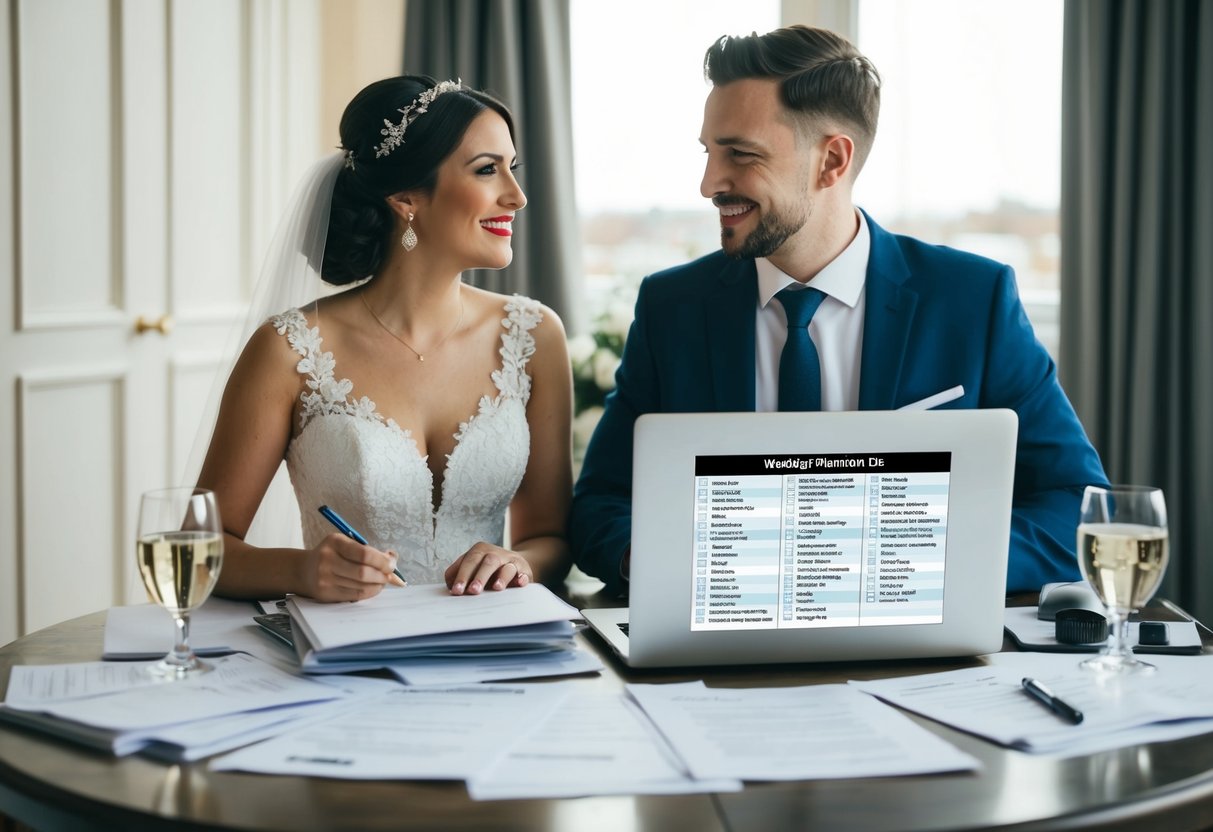
Choosing the right music is essential for creating a fun and memorable atmosphere at your wedding reception. You want tunes that fit your style and keep your guests dancing all night. Here are some key points to consider.
Crafting the Perfect Wedding Setlist
Start by thinking about the overall vibe you want for your wedding reception. Do you prefer upbeat songs or something more relaxed?
Make a list of genres you and your partner enjoy. This will help set the foundation for your wedding reception playlist.
Involve your guests by inviting them to submit song requests. Ask for a few favorites when you send out invites or set up a section on your wedding website.
Incorporate a mix of classics, current hits, and personal favorites to cater to different tastes. Balance slow songs with dance tracks to keep the energy flowing throughout the night.
Song Requests and Personalized Playlists
Encouraging song requests can enhance the music experience for your wedding party. Create a method for guests to share their favorite tracks, either through a digital form or a suggestion box at the reception.
Make sure to consider your DJ’s playlist options as well. Many DJs offer personalized playlists or will work with you to include specific songs, ensuring your reception feels uniquely yours.
Set aside a few songs for specific moments, such as the cake cutting or bouquet toss. This adds a personal touch and helps your guests feel involved in the celebration.
First Dance and Key Moments
Choosing the right first dance song is crucial. This moment is special and should reflect your relationship. Popular choices range from classic ballads to modern love songs, so pick what resonates with you both.
Think about other significant moments during the reception, like father-daughter dances or group dances. You may want to choose songs that evoke warm feelings or bring back memories.
Share your selected key moment songs with your DJ ahead of time. This will ensure they are ready to make these transitions smooth and emotional during your wedding reception.
Technical and Logistical Considerations

When choosing a wedding DJ, paying attention to technical and logistical details is crucial. These aspects ensure your music sets the right mood and that everything runs smoothly during your big day. Here are key areas to focus on.
DJ Equipment and Sound System Essentials
A quality sound system is vital for a great wedding experience. Make sure your DJ uses professional-grade equipment. This includes speakers, mixers, microphones, and audio cables.
Ask about their setup and how they manage sound levels during the event. It’s important the DJ can adjust the volume based on the space and crowd. Some DJs may also provide a portable sound system for larger venues.
If you have special music requests, check if the DJ can accommodate them with their equipment. Don’t hesitate to ask about their backup equipment too. Having extras on hand provides peace of mind in case of technical issues.
Setup, Space, and Lighting Requirements
Consider where the DJ will set up at your venue. You’ll want enough space for their equipment and room for movement. A good DJ will outline their space requirements in advance, so plan ahead.
Lighting can also enhance the atmosphere. Discuss what lighting equipment your DJ offers. Options can include uplighting, dance floor lights, and mood lighting.
Make sure the setup time is clear, as DJs often require a few hours to set up before the event starts. Communicate this with your venue so they can accommodate your needs.
Insurance and Backup Plans
Discuss liability insurance with your DJ. Having liability insurance protects you in case of accidents during the event. It shows the DJ is professional and prepared.
Inquire about backup plans for equipment malfunctions. A reliable DJ should have spare equipment ready to go, like extra microphones or speakers.
Ask specific questions about how they handle unforeseen issues. Knowing they have a plan in place can help ease any worries. Always ensure they are committed to making your day perfect, regardless of any hiccups.
Comparing Wedding DJs and Live Bands
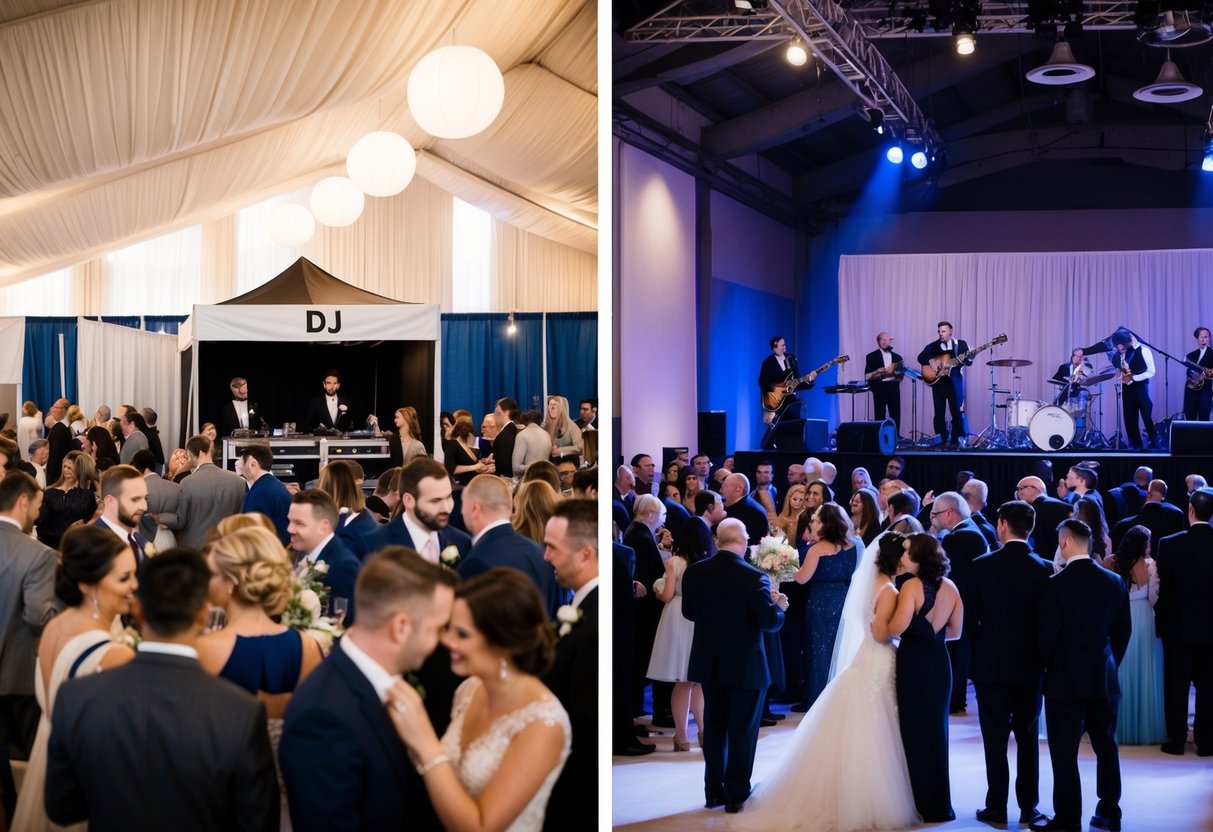
When planning your wedding music, you may wonder which is better: a DJ or a live band. Both choices offer unique benefits and challenges that can affect your big day. Understanding these differences will help you make the right choice for your celebration.
Exploring the Pros and Cons
Wedding DJs provide a vast selection of music, catering to various tastes. They can play anything from classic love songs to today’s hits at the push of a button. This flexibility ensures that everyone at your wedding will find something they enjoy.
Additionally, hiring a DJ usually costs less than a live band, making them a budget-friendly option.
On the other hand, live bands can create a lively, energetic atmosphere that a DJ may not match. Their performances often feel more personal and can include unique arrangements of popular songs. A good wedding band can bring an exciting vibe that energizes the dance floor. However, this comes at a higher cost due to the size of the band and the equipment needed.
Flexibility and Adaptability
DJs shine in their ability to cater to your music preferences. They can adjust the playlist in real-time to fit the mood of the crowd. With access to a wide range of genres, they can make that change instantly.
Live bands, while engaging, might have limitations. Their setlist is typically predetermined, requiring advance planning. While many bands are open to requests, they may not have every song on hand. This can limit your ability to change the music style on the spot. If you value spontaneity, booking a DJ might be the better choice for your wedding entertainment.