
How Do I Choose a Wedding Meal? Tips for a Perfect Reception Menu
Choosing a wedding meal can feel like a big task, but it doesn’t have to be stressful. Start by thinking about your personal tastes and the atmosphere you want to create for your big day. The key to choosing a wedding meal is to pick options that reflect your style and cater to your guests’ needs.
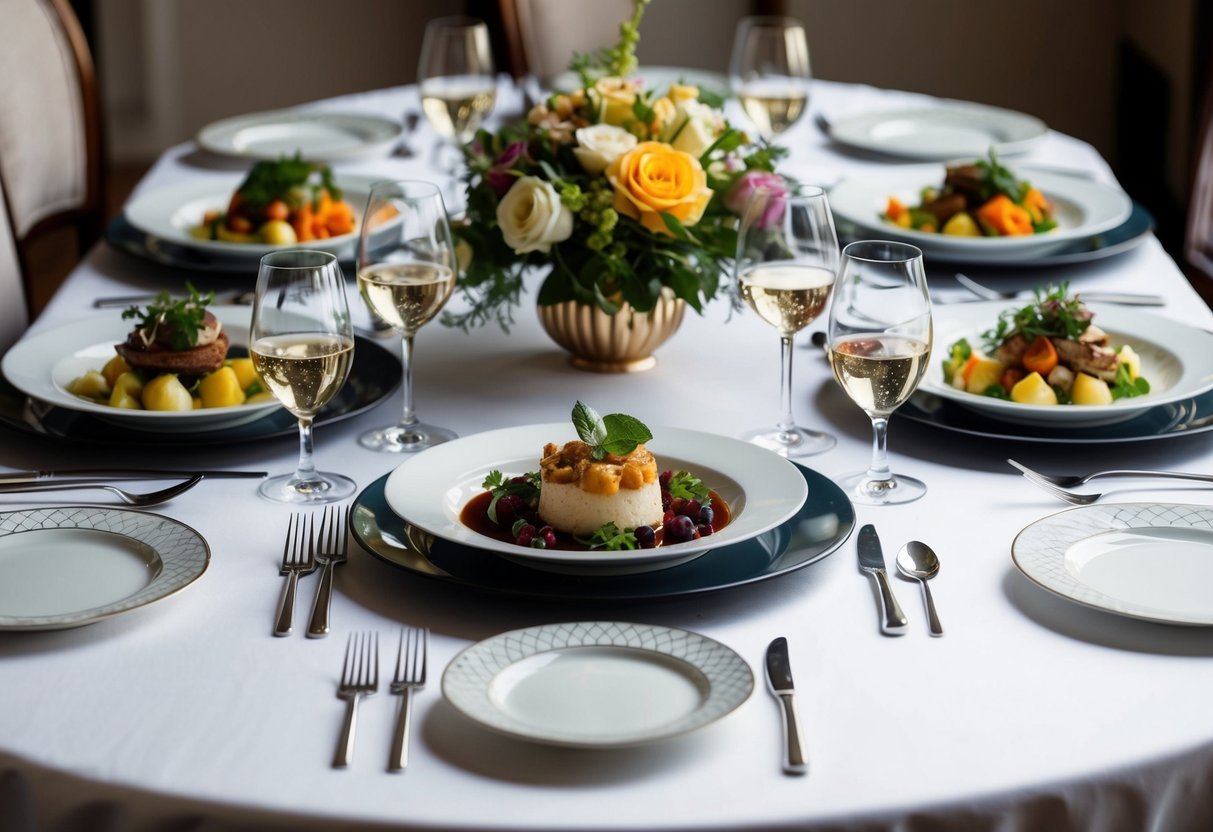
You’ll want to consider the serving style—whether you prefer plated meals, buffets, or family-style service. Each option has its charm and can fit different themes and budgets.
Also, make sure to think about dietary restrictions and include a mix of options for everyone to enjoy.
As you explore menu ideas, don’t forget to sprinkle in your favorites. This meal is not just about feeding your guests; it’s a way to share a piece of your story and make the day truly special.
With a little planning, you’ll create a delightful menu that your guests will remember for years to come.
Determining Your Wedding Reception Style
Choosing your wedding reception style is key to creating a fun and memorable experience for you and your guests. Your decisions will affect the atmosphere, menu options, and overall vibe of your big day.
Let’s explore the impact of traditional versus modern themes and the differences between indoor and outdoor settings.
Traditional Vs. Modern Themes
When selecting a theme for your wedding, consider how it reflects your personality and values. Traditional themes often include classic elements like formal dining, elegant table settings, and time-honored food choices like plated meals. This style caters to a sophisticated guest experience, emphasizing elegance with foods like roast chicken or beef tenderloin.
In contrast, modern themes can showcase your unique tastes and creativity. You might choose buffet-style service, food stations, or even food trucks. Dishes can range from casual, trendy options like gourmet sliders and sushi rolls to upscale selections. Modern receptions allow for a more relaxed atmosphere and encourage mingling among your guests.
Indoor Vs. Outdoor Settings
The setting you choose plays a large role in your wedding reception style. Indoor venues provide controlled environments that can be easily decorated to match your theme. Factors such as lighting and climate are manageable, allowing you to focus on a polished guest experience. Indoor receptions often feature formal dining options, making them ideal for traditional menus.
On the other hand, outdoor settings can create a beautiful and rustic charm. Whether you’re in a garden, at the beach, or in a park, you have the chance to blend with nature. Outdoor weddings can accommodate creative food styles, such as barbecues or picnics.
Remember to consider logistics like catering equipment and weather conditions for an enjoyable experience for your guests.
Exploring Diverse Menu Options and Serving Styles
When planning your wedding meal, you have some exciting choices to consider. Different serving styles and menu options can set the tone for your celebration. Understanding the differences can help you create a memorable dining experience for your guests.
Sit-Down Dinners Vs. Buffet-Style Meals
Sit-down dinners often feature plated meals served to each guest. This style allows for a more formal atmosphere. Guests receive a designated meal, which helps with portion control. It can be easier for guests with dietary restrictions as they can choose options in advance.
In contrast, a buffet-style meal offers a variety of dishes for guests to serve themselves. This encourages mingling and allows for personal preferences. Buffets can often accommodate larger groups and provide more choices.
Consider the layout and flow of your venue to ensure easy access to food.
Family-Style Dinners Vs. Food Stations
Family-style dinners involve sharing large platters of food among your table. This approach fosters a warm, communal atmosphere. Guests pass dishes around, and this can make for engaging interactions. Be sure to choose hearty dishes that travel well.
Food stations present different cuisine choices in various areas. You could have a pasta station, a carving station, or even a dessert bar. This setup allows guests to customize their plates and experience diverse flavors.
Think about the logistics and staffing needed to keep the stations running smoothly.
Creative Food Ideas and Personal Touches
Adding unique dishes or personal favorites can make your wedding meal special. Consider incorporating traditional family recipes or regional specialties that reflect your culture. Customizing menus helps tell your love story through food.
Also, think about fun food ideas such as a late-night snack bar or dessert options like a cupcake tower. Personalized place cards or menu designs can enhance the dining experience.
Remember that little details can make a significant impact on your guests’ enjoyment.
Catering to Guest Needs: Dietary Restrictions and Allergies
When planning your wedding meal, it’s essential to consider your guests’ dietary restrictions and allergies. This ensures everyone can enjoy the celebration without worry.
Identifying Common Dietary Needs
Start by asking your guests about their dietary needs. Common restrictions include:
- Vegetarian: No meat or fish.
- Vegan: No animal products at all.
- Gluten-Free: No wheat or gluten products.
- Nut Allergies: Avoid all nuts and foods containing nuts.
- Dairy-Free: No milk or dairy products.
You can also check if guests follow specific diets like Kosher or Halal. Crafting a diverse menu that caters to these needs makes your guests feel included and cared for.
Communication and Menu Planning
Once you identify the dietary needs, communicate with your catering service. Discuss what options they can provide.
Some caterers have experience with special diets, while others may need guidance.
Create a menu that includes dishes for different dietary needs. Consider setting up a buffet where guests can choose their food. This way, you can offer variety while meeting everyone’s needs.
Always label dishes clearly to avoid confusion regarding allergens. This practice ensures a safe dining experience for all attendees and promotes a joyful atmosphere.
Selecting Signature Dishes and Delights
Choosing signature dishes for your wedding can create a memorable dining experience. These dishes not only reflect your tastes but also add a personal touch to your celebration.
Appetizers and Hors D’oeuvres Selection
Start with your appetizer choices. You might opt for a mix of passed hors d’oeuvres and stationary options.
Popular choices include
- Stuffed mushrooms
- Bruschetta
- Mini crab cakes
Consider seasonal ingredients for freshness. Try to cater to different dietary needs by including vegetarian or gluten-free options. This variety ensures that every guest finds something they love.
Personal touches, like a family recipe, can make appetizers even more special.
Main Course Specialties and Variety
For the main course, think about serving a variety. You could have:
- Beef tenderloin
- Grilled salmon
- Stuffed peppers for a vegetarian option
Offering a buffet or family-style service can encourage mingling among guests.
Think about including unique dishes that reflect your cultural background or individual tastes. Signature dishes might include your favorite comfort food or an inventive twist on a classic meal.
Dessert Innovations and Wedding Cake Choices
When it comes to desserts, the wedding cake is the star, but you have many options.
Consider a cake that reflects your style and flavor preferences. Popular options include:
- Red velvet
- Chocolate ganache
- Lemon raspberry
You can also add dessert stations with treats like mini cupcakes or a chocolate fountain for a fun touch.
If you’re looking for something unique, think about including dessert options that showcase your favorites, such as a pie bar or a selection of your favorite cookies.
This variety keeps the dessert experience exciting for your guests!