
How Do I Choose the Color of the Day for My Wedding? Tips for Perfect Palette Selection
Choosing the right color for your wedding day is an exciting part of wedding planning. Think about your personal style and how you want the overall vibe of your wedding to feel. Whether you lean towards bold and vibrant shades or soft pastels, your color palette can set the tone for the entire event.
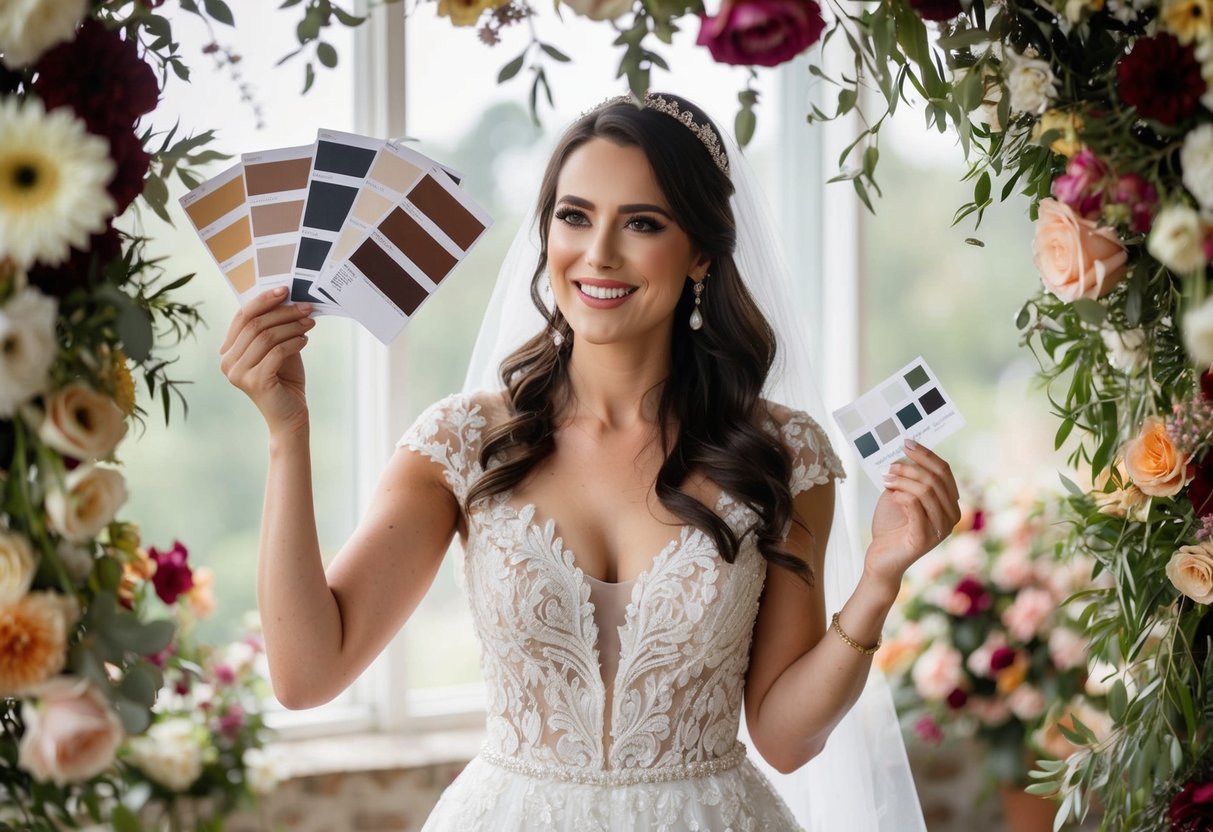
Look for inspiration in various places. Maybe it’s the changing colors of the seasons, a beautiful sunset, or even a favorite piece of clothing. These elements can guide you in creating a wedding color palette that reflects your personality and style. Paying attention to these details will help you curate a visual experience that feels uniquely yours.
Don’t forget to consider how your chosen colors will work together throughout your wedding. From flowers to decorations, everything should harmonize to create a cohesive look. With some thought and creativity, you can choose colors that not only please the eye but also tell your love story beautifully.
Understanding Color Theory and Wedding Palettes
Choosing the right colors for your wedding involves understanding how colors interact and reflect the feel of your special day. This section covers the color wheel, how to select your color scheme, and the influences of the seasons on your choices.
Exploring the Color Wheel
The color wheel is a helpful tool for selecting your wedding colors. It shows primary colors (red, blue, yellow) and how they combine to create secondary colors (green, orange, purple).
You can use complementary colors (colors across from each other) for a bold look. Analogous colors (next to each other on the wheel) can create a soft and harmonious palette.
By experimenting with different combinations, you can find a color palette that expresses your style. For example, combining navy blue with golden accents can feel both elegant and timeless.
Selecting a Color Scheme
When deciding on a color scheme, think about your wedding’s theme and your personal preferences. Are you drawn to vibrant colors or muted tones?
Popular options include:
- Monochromatic: Different shades of one color for a chic look.
- Triadic: Three colors evenly spaced on the color wheel for bold contrast.
- Tetradic: A combination of two complementary pairs for a rich palette.
This choice should also reflect your venue and decor style. A rustic setting may benefit from earthy tones, while a beach wedding might call for bright, cheerful colors.
Incorporating Seasonal Influences
Seasons can greatly affect your color choices.
- Spring weddings often feature pastels like blush pink and lavender.
- Summer weddings allow for bright colors such as coral and turquoise.
- Fall weddings embrace warm tones like burnt orange, deep red, and gold.
- Winter weddings are ideal for rich colors like deep blue, emerald green, and silver.
By considering the season, you can enhance the overall atmosphere of your wedding. Aligning your color palette with seasonal influences helps create a cohesive and inviting feel for you and your guests.
Coordinating with Your Wedding Elements
Choosing your wedding colors involves more than picking your favorite shades. You need to think about your venue, wedding style, and how everything ties together. Each decision will affect your overall vision and create a beautiful atmosphere.
Venue and Location Considerations
Your venue plays a big role in deciding your color scheme. The architecture, scenery, and even the season can guide your choices. For example, a rustic barn wedding might be complemented by earthy tones, while a beach venue could shine with vibrant blues and greens.
Look around your venue for inspiration. Is there a dominant color? Use that to guide your palette. Consider factors like lighting as well. Warm lights can change how colors appear. Test your colors in the actual space during different times of day to ensure they look as you imagined.
Wedding Style and Theme Integration
Your wedding style and theme should align with your color choices. If you’re going for a vintage feel, soft pastels and muted tones can create a romantic vibe. For a modern wedding, you might lean towards bold colors and sleek designs.
Make a list of your wedding elements like invitations, table linens, and even your dress. All these should reflect your color palette. This makes your wedding day cohesive and visually appealing. Don’t be afraid to mix and match shades of the same color for depth.
Floral and Decor Syncing
Floral arrangements are a wonderful way to bring your color choices to life. The right blooms can tie together your color scheme beautifully. Think about seasonal flowers that match your palette for freshness and vibrancy.
In addition to flowers, consider how your decor fits in. Table linens, centerpieces, and even the cake can incorporate your chosen colors. For instance, if you’re using deep reds, you could have burgundy linens and crimson blooms. This will create a harmonious look that flows throughout your entire wedding reception.
Finalizing Your Color Choices
Choosing the right colors for your wedding is essential. This step will help you create a cohesive look that reflects your style. Consider how fabric swatches, attire, and lighting all play a role in your wedding’s color palette.
Utilizing Fabric Swatches and Samples
Start by gathering fabric swatches for your chosen colors. This makes it easier to see how different shades work together. You can find swatches at fabric stores or online.
Once you have the swatches, compare them to visualize your color combinations. Look for colors that complement each other. You might want to pick a main color and two accent colors to create depth.
Keep in mind the Pantone Color of the Year for inspiration. It can help you stay current with trends and broaden your palette. This method ensures your colors look great under different lighting and in various elements.
Harmonizing with Wedding Attire and Bouquets
Next, consider how your colors will match the wedding attire, including your dress and the bridal party outfits. Bring the fabric swatches when shopping for dresses or suits. This ensures everything looks great together.
Don’t forget about your wedding bouquet! The flowers should reflect your chosen palette. Select blooms that match or harmonize with your color scheme. For example, if your main color is blue, think about white and delicate pink flowers to add softness.
Also, factor in the groomsmen’s ties and bridesmaids’ dresses. Having everyone coordinate will create a unified look that makes your wedding photos stunning.
Setting the Mood with Lighting and Accents
Lighting plays a crucial role in how colors appear. Using accent colors in your lighting choices can enhance your palette. Soft, warm lighting can create a cozy atmosphere, while brighter lights can energize the space.
Consider using colored uplighting to saturate the venue with your wedding colors. This technique can highlight architectural features and add depth to your decor.
Also, think about table linens, napkins, and centerpieces. These are great places to use accent colors and patterns. Mixing different textures and shades can add visual interest to your overall design.
Paying attention to these details will help you create an inviting and memorable atmosphere for your special day.