
How Do I Determine My Wedding Seating Arrangement? Tips for a Stress-Free Setup
Determining your wedding seating arrangement can feel overwhelming, but a few simple steps can make the process easier.
Start by creating a guest list and grouping guests based on their relationships, such as family, friends, and coworkers. This will help you visualize who should sit together and avoid any potential awkwardness.
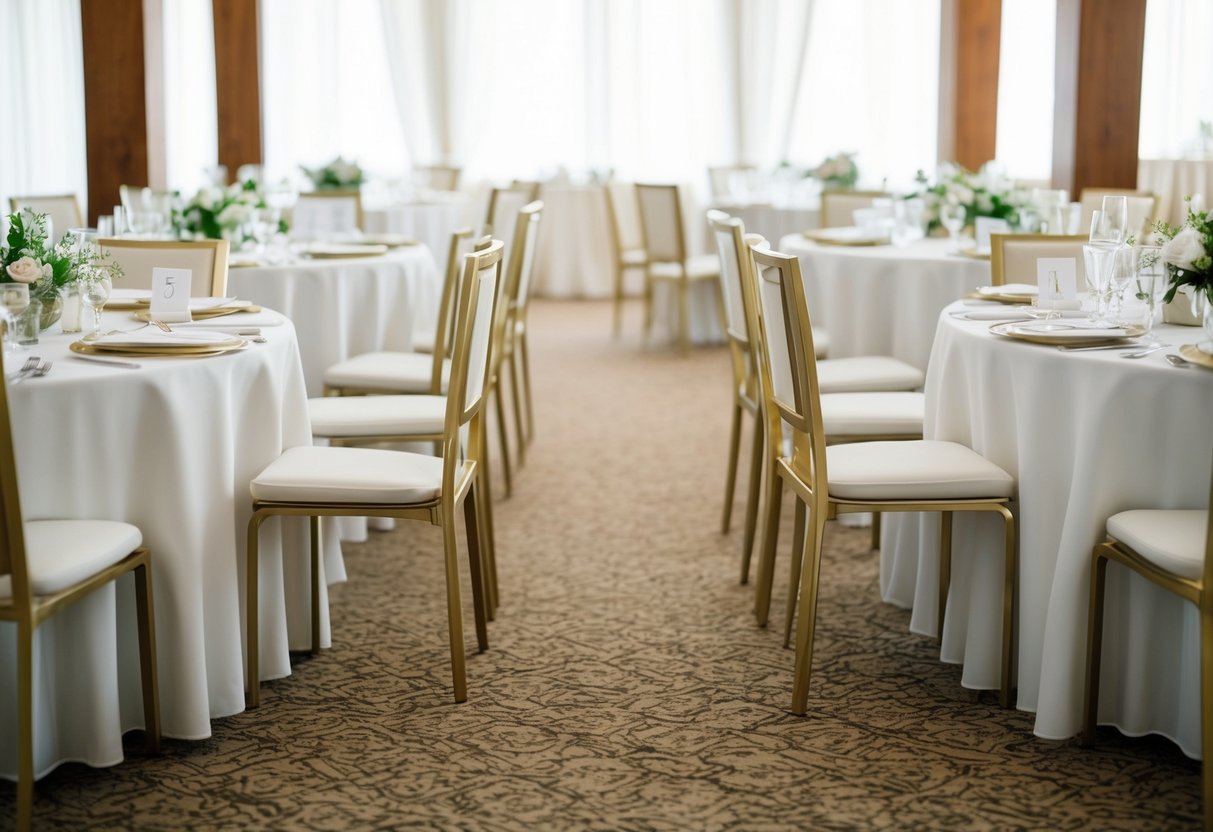
Next, consider the layout of your venue. Knowing how many tables you have and their arrangements is crucial.
You can use tools like digital seating charts to experiment with different arrangements. This way, you can easily move guests around until you find the perfect fit.
Remember to review your seating plan with your partner and seek input from family if needed. Getting feedback can help prevent any major oversights.
Starting Your Wedding Seating Plan
Creating a wedding seating plan involves careful thought and organization. You need to understand the basics and choose a style that works for you and your guests. Let’s dive into how to get started with your seating arrangement.
Understanding the Basics of Wedding Seating
First, gather your guest list and track RSVPs. Knowing how many guests are attending is essential for effective planning.
Consider relationships and dynamics among guests, as this will impact seating.
Next, think about the overall floor plan of your wedding reception venue. This helps you visualize where tables will be placed and how to arrange them effectively.
You may decide on either assigned seating or a more relaxed open seating arrangement. Assigned seating ensures guests sit where you want them, avoiding any awkward moments. If you opt for a more casual approach, let guests choose their seats, which can make for a more relaxed atmosphere.
Choosing Your Seating Chart Style
Now that you know your guests, it’s time to think about how to display your seating chart.
There are several styles to choose from, including printed charts, boards, and digital displays. Consider what fits your wedding theme best.
In addition, think about whether to include tables for guests or use a more informal grouping. This can help guests mingle and enjoy their time together.
You can also label tables with names or numbers, which can add a personal touch.
Finally, remember to keep your seating chart clear and easy to read. Use large fonts and simple designs, as guests must understand their assigned seats quickly on a busy day.
Organizing the Reception Layout
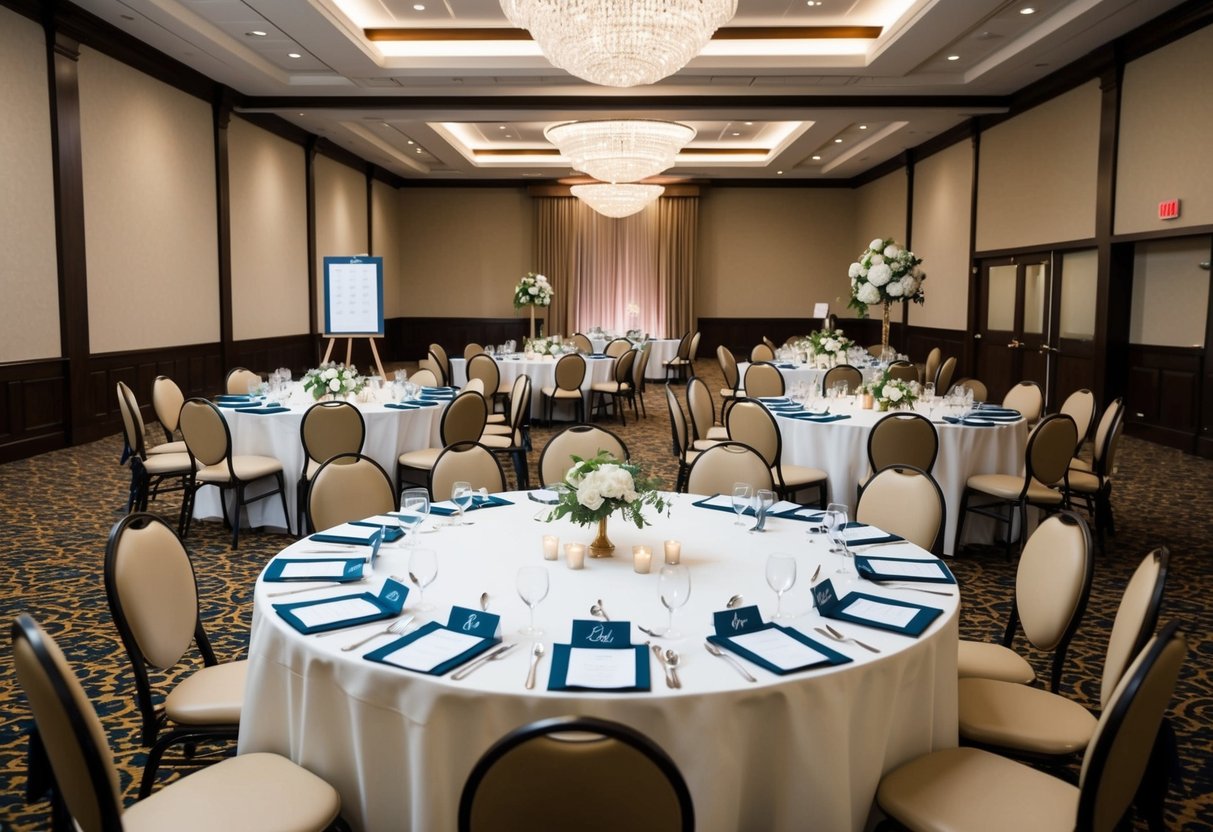
When planning your wedding, arranging the reception layout is key to ensuring guests feel comfortable and engaged. This involves deciding on the shape and size of tables, as well as designing the overall venue layout to accommodate your vision.
Deciding on Table Shapes and Sizes
Choosing the right table shapes and sizes will significantly affect your reception atmosphere.
Common options include round, rectangular, and square tables.
- Round tables encourage conversation and create a warm atmosphere. They typically seat 6-10 guests.
- Rectangular tables can be lined up for larger groups or paired with other shapes for variety. They are great for longer dining experiences.
- Sweetheart tables are popular for newlyweds, providing a private space to enjoy the meal together.
Create a seating plan that considers table assignments to ensure everyone feels included. Think about grouping guests who will enjoy each other’s company for smoother interactions.
Designing Your Venue Layout
When designing your venue layout, start by sketching your space. Map areas for your head table, guest tables, and important features like the dance floor and buffet.
Consider the flow of your reception. Guests should easily move from the entrance to their tables and to food stations. Be mindful of spacing; you want everyone to feel comfortable without cramming.
Take into account the venue’s unique features. If your venue has a stunning view, position tables to showcase it. With a thoughtful layout, your reception will feel inviting and organized, enhancing everyone’s experience.
Finalizing the Seating Arrangement
Getting your seating arrangement right is vital for a smooth wedding reception. You need to consider family dynamics, guest needs, and possible last-minute changes to create a fantastic atmosphere for everyone.
Navigating Family Dynamics and Guest Needs
Family dynamics can be tricky when setting your seating chart. It’s important to think about relationships between guests.
Grouping family tables can help foster comfort, but be mindful of potential conflicts.
For instance, seating divorced parents at separate ends of the room can ease tension. Always consider special needs, like accessibility. If someone requires additional space or a specific type of chair, make accommodations.
Using a digital seating chart can simplify this process. You can adjust placements quickly and even tailor seating based on guest preferences, which makes everyone feel valued.
Incorporating Last-Minute Guest Changes
Last-minute changes are common, and it’s good to be prepared. Whether a new guest is added or someone cancels, adjustments need to be made smoothly.
Using seating chart tools can help you quickly update your arrangements without a hassle.
Make sure to print a physical seating chart that reflects the most recent changes for easy reference at the venue.
Consider having a “kids’ table” for younger guests if additional children are attending. This allows parents to relax while kids have fun nearby.
No matter the change, take a deep breath and trust your planning. Everything will come together beautifully!
Technology and Tools for Seating Charts
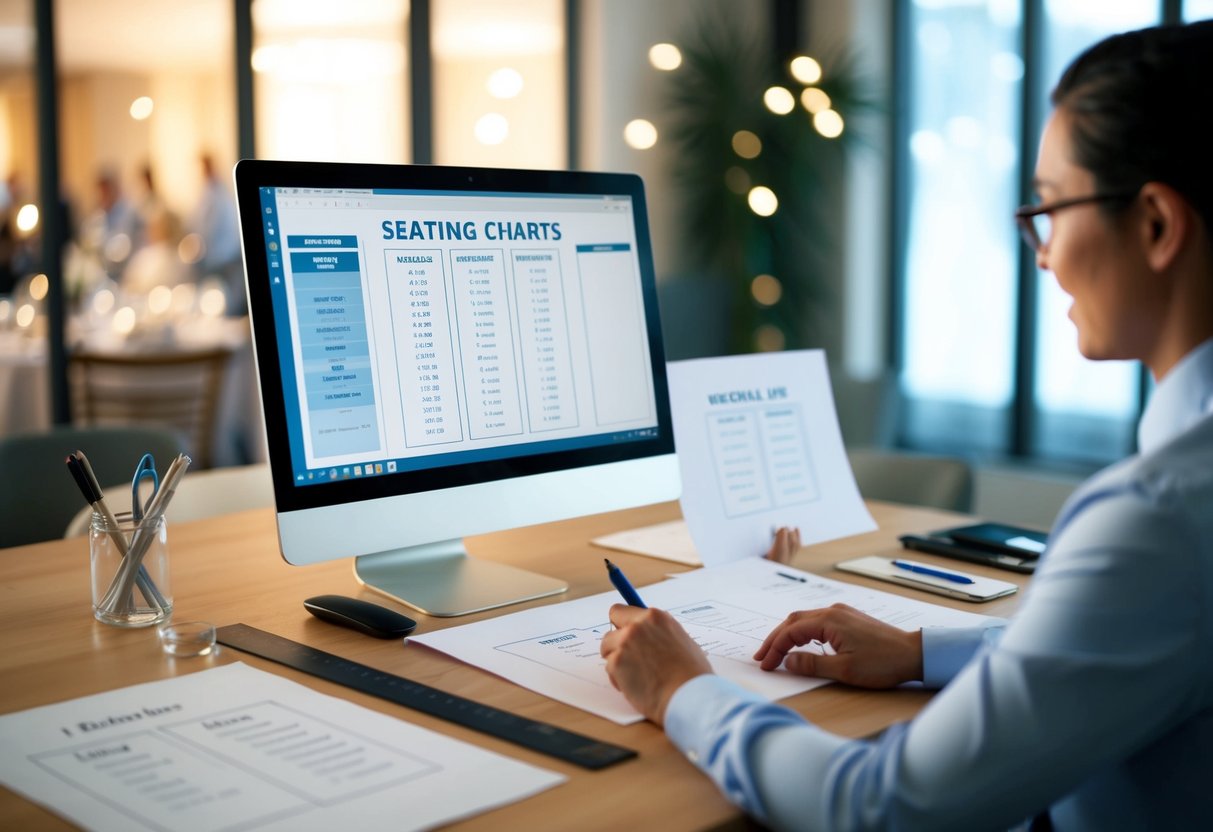
Finding the right seating arrangement can be simple with the help of technology. Digital tools make it easier to create, adjust, and visualize your seating chart. You can manage your guest list and share it with family or planners.
Choosing the Best Digital Seating Chart Tools
When you select a digital seating chart tool, look for features that suit your needs. Some tools allow you to drag and drop tables to match your venue layout. This makes it easier to visualize where guests will sit.
Consider tools that offer customizable seating chart templates. These can help streamline the process by providing ready-made options to modify based on your preferences.
Also, make sure the tool you choose can sync with your guest list. This feature saves time, as you can manage seat assignments directly from your list. Popular choices include this wedding seating chart tool that provides an interactive experience.